A generator can keep the refrigerator cold, protect medical equipment, power well pumps, and make a Houston-area outage far less stressful. But learning how to install a home generator should begin with one clear point: a permanent standby generator is not a plug-and-play appliance. It is an electrical, fuel, and safety system that must be sized, placed, wired, permitted, and tested correctly.
For Magnolia homeowners, that planning matters even more during severe weather. A properly installed generator provides dependable backup power without creating risks such as backfeeding utility lines, overloading equipment, carbon monoxide exposure, or fuel-related hazards.
Choose the Right Type of Home Generator
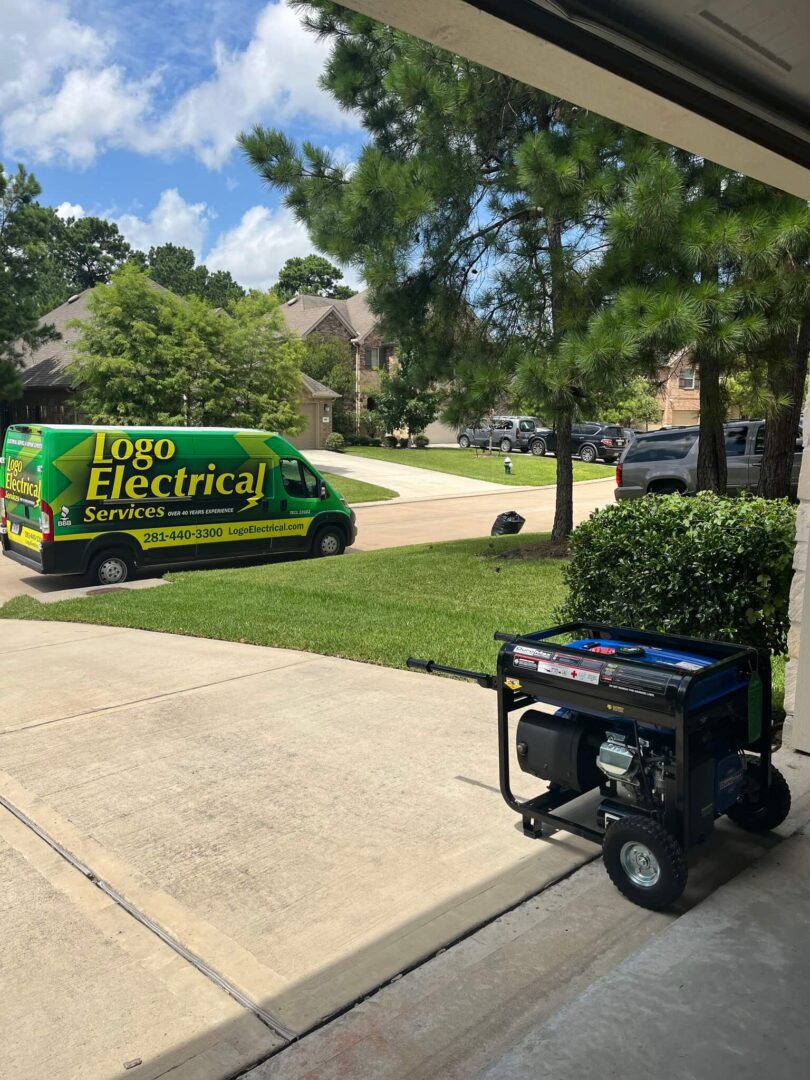
The first decision is whether you need a portable generator or a permanently installed standby generator. A portable unit can be useful for limited, short-term power needs, but it requires manual setup, safe outdoor placement, refueling, and the use of a properly installed generator inlet and interlock or transfer switch. It should never be connected to the home through a standard wall outlet.
A standby generator is installed outside the home and starts automatically when utility power fails. It is typically fueled by natural gas or propane and works with an automatic transfer switch to power selected circuits or, in some cases, the entire home. It costs more upfront, but it is usually the better fit for homeowners who want reliable backup power during extended outages.
The right choice depends on your budget, fuel availability, outage history, and the equipment you need to keep operating. A family that only wants to run a refrigerator, a few lights, and internet service has different needs than a home with central air conditioning, a pool pump, electric appliances, or a well pump.
Calculate the Electrical Load Before Buying Equipment
Generator size should be based on the loads you plan to power, not simply the square footage of your home. Every major appliance and system has starting and running power requirements. Motors in air conditioners, refrigerators, pumps, and HVAC equipment often require a higher surge of power when starting.
A licensed electrician can perform a load calculation and help you decide between an essential-load system and whole-home backup. An essential-load system typically powers selected circuits, such as refrigeration, lighting, outlets, garage doors, internet equipment, and certain HVAC components. Whole-home backup is designed for broader coverage, but it may require a larger generator, upgraded service equipment, and more fuel capacity.
Avoid sizing a generator based on guesswork. An undersized unit may shut down under demand or struggle to start larger loads. Oversizing can add unnecessary equipment and fuel costs. The goal is dependable performance for the systems that matter most to your household.
Plan Generator Location, Fuel, and Clearances
A standby generator must be installed outdoors on a stable, level pad. Its location must meet manufacturer requirements, local codes, and clearance rules for doors, windows, vents, property lines, and combustible materials. This is not simply a matter of finding an open spot beside the house.
Placement affects safety, service access, noise, drainage, and exhaust direction. The generator needs room for maintenance and must be positioned so exhaust cannot enter the home through an opening or ventilation system. Flooding concerns, landscaping plans, and access for future repairs should also be considered before the pad is installed.
Fuel planning is equally important. Natural gas is convenient because it eliminates refueling, but the gas line must be properly sized for the generator’s demand. Propane can be an excellent option where natural gas is unavailable, although tank size and fuel use during an extended outage need to be addressed. A qualified professional should coordinate the electrical installation with the appropriate fuel connection work.
How to Install a Home Generator With a Transfer Switch
The transfer switch is the safety-critical component of a home generator installation. It separates your home from the utility grid when generator power is active, preventing electricity from traveling backward onto utility lines. Backfeeding is extremely dangerous for utility workers, neighbors, and your electrical equipment.
For portable generators, a manual transfer switch or approved panel interlock may be used with a dedicated power inlet. For standby generators, an automatic transfer switch monitors utility power and starts the generator when an outage occurs. Once the generator reaches stable output, the switch transfers selected circuits or the home electrical service to generator power.
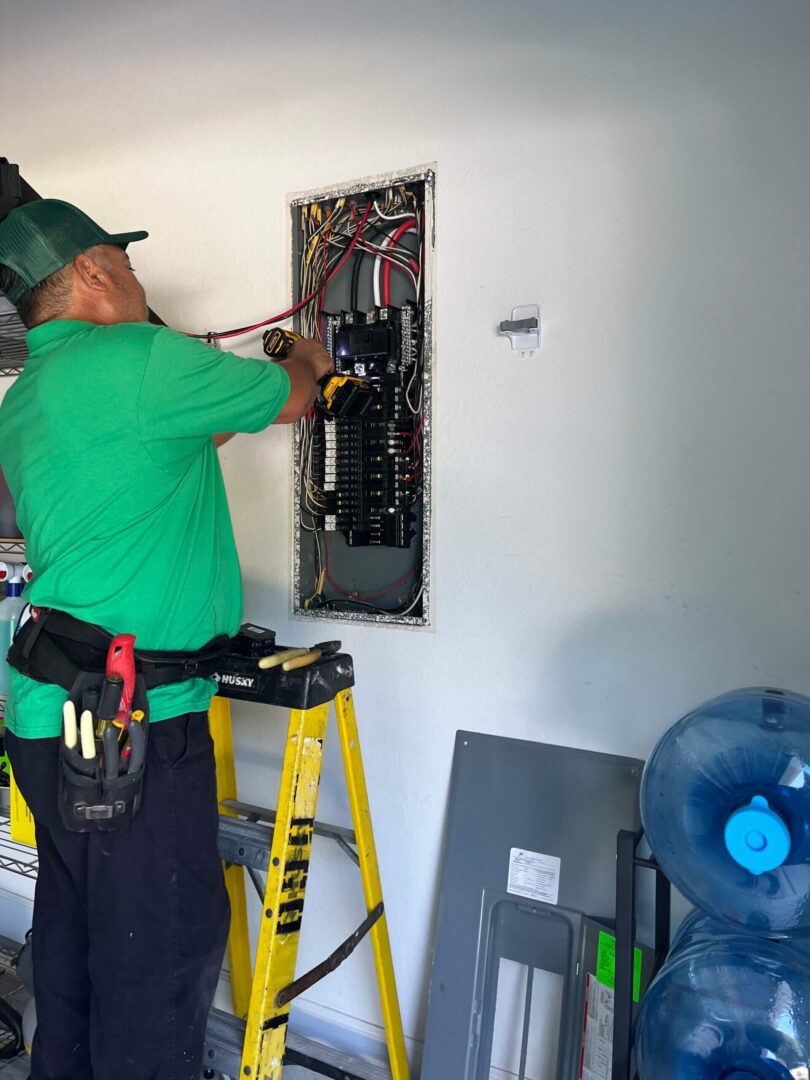
Installing a transfer switch involves work inside or near the electrical panel, along with proper grounding, bonding, conductor sizing, overcurrent protection, and circuit identification. These details are why this portion of the project should be handled by a licensed electrician. A transfer switch installed incorrectly can create shock hazards, equipment damage, code violations, and an unreliable backup system when you need it most.
Permits and Electrical Code Are Part of the Installation
A permanent generator installation commonly requires permits and inspections. Requirements can vary by jurisdiction and may involve electrical, building, and fuel-gas permits. Your electrician should understand the applicable local requirements and obtain approvals before work begins.
Permits are not just paperwork. They help confirm that the generator is properly located, the transfer equipment is correctly installed, wiring is protected, and the system meets current safety standards. They can also matter when selling a home or filing an insurance claim after a major event.
Older homes may need additional work before a generator can be connected safely. For example, an outdated electrical panel, limited service capacity, damaged grounding components, or overcrowded circuits may need correction first. Honest planning means identifying these conditions upfront rather than treating them as surprises after installation has started.
What Professional Installation Typically Includes
A complete standby generator project often includes an on-site evaluation, load calculation, equipment recommendation, pad preparation, generator placement, transfer-switch installation, electrical wiring, fuel coordination, permitting, and startup testing. The exact scope varies by home and generator model.
During startup, the installer should verify automatic operation, transfer timing, voltage output, protected circuits, and the system’s response when utility power returns. Homeowners should also receive clear instruction on basic operation, warning indicators, maintenance intervals, and what to do if the generator does not start.
At Logo Electrical Services, generator installations are approached as long-term safety and reliability projects, not quick equipment hookups. That means clear recommendations, code-compliant electrical work, and straightforward communication about what your home needs before installation begins.
Do Not Skip Maintenance After Installation
Installing the generator is only the beginning. Standby units need routine exercise cycles, oil and filter service, battery checks, air filter inspection, and periodic load testing. Fuel supply components and transfer switches should also be inspected as recommended by the manufacturer.
Homeowners should keep the generator area clear of leaves, mulch, stored items, and overgrown vegetation. After major storms, inspect the exterior enclosure for damage and make sure the unit has not been blocked by debris. If the generator runs during an outage, pay attention to warning lights or unusual sounds and arrange service if anything appears abnormal.
A home generator is there for the days you cannot predict. Taking the time to size it correctly, install it safely, and maintain it consistently gives your family something more valuable than convenience: confidence that the lights will stay on when the grid does not.