A service upgrade is not simply a larger electrical panel on the garage wall. It is the work that makes sure power can safely travel from the utility connection into your home and support the way your family actually lives. Understanding the electrical service upgrade steps helps Magnolia-area homeowners make informed decisions before adding an EV charger, whole-home generator, new HVAC equipment, or a major renovation.
Older homes were often built around far lighter electrical demands. A household may now have multiple televisions, computers, smart appliances, pool equipment, high-efficiency air conditioning, electric cooking, and vehicle charging competing for capacity that was never designed for it. A licensed electrician can determine whether the issue is limited to the panel or whether the incoming service, meter equipment, grounding, and wiring need attention as well.
Start With the Reason for the Upgrade
The first step is identifying what is driving the need for more electrical capacity. Sometimes the concern is obvious: breakers trip when the microwave and air conditioner run at the same time, lights dim when a large appliance starts, or the existing panel has no room for another circuit. In other cases, the upgrade is part of a planned project, such as installing a generator, converting to an electric range, adding a workshop, or preparing for an EV charger.
Not every electrical issue requires a service upgrade. A failed breaker, overloaded branch circuit, or outdated subpanel may have a more targeted solution. That distinction matters because homeowners deserve an honest recommendation based on the condition of their electrical system and their actual plans, not a one-size-fits-all answer.
A professional evaluation should consider your existing service size, the panel’s condition, current and planned electrical loads, available circuit space, and the age of major equipment. In many homes, moving from 100 amps to 200 amps provides room for modern needs. However, the correct service size depends on a formal load calculation and local code requirements.
Electrical Service Upgrade Steps From Inspection to Power On
Schedule a licensed electrical assessment
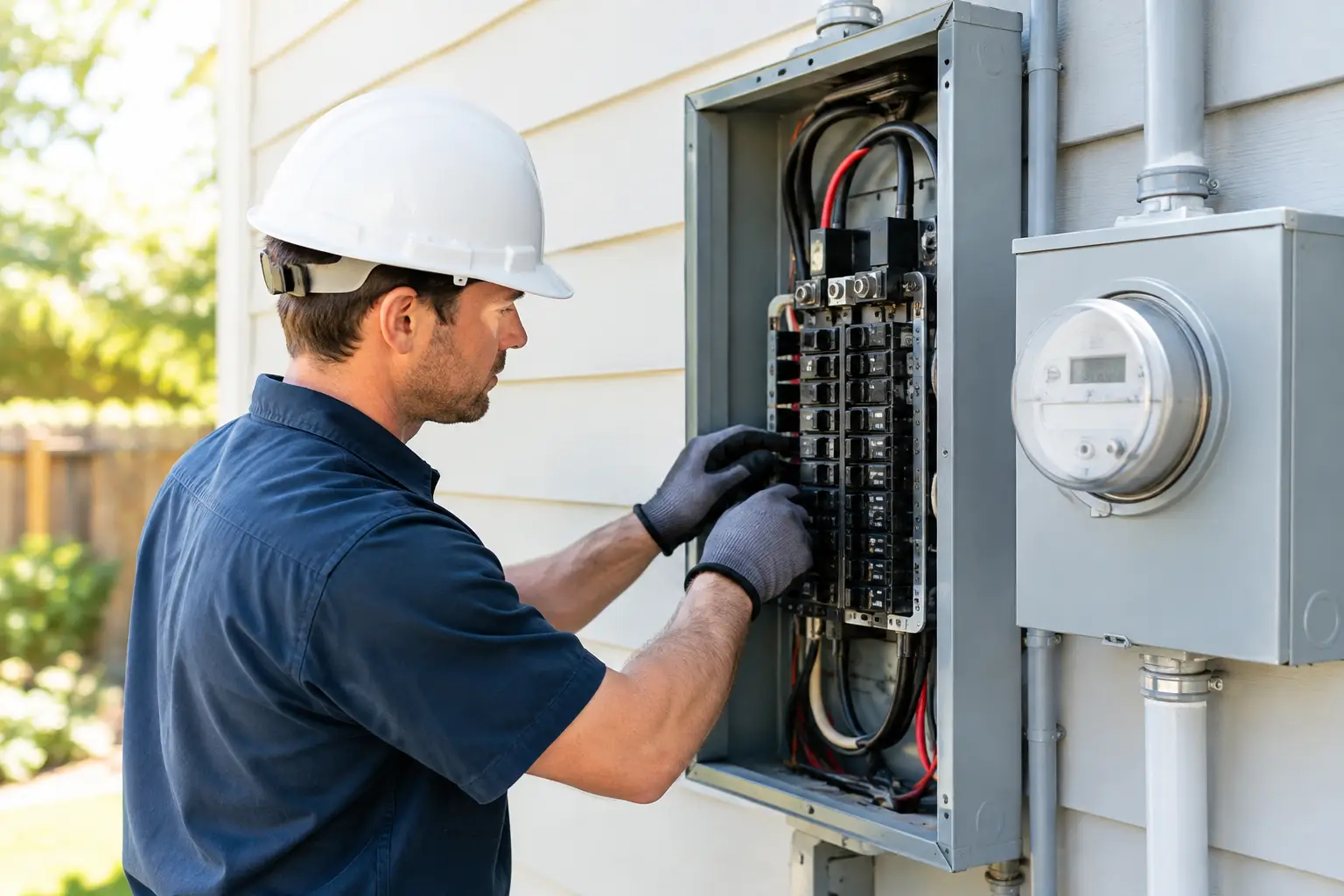
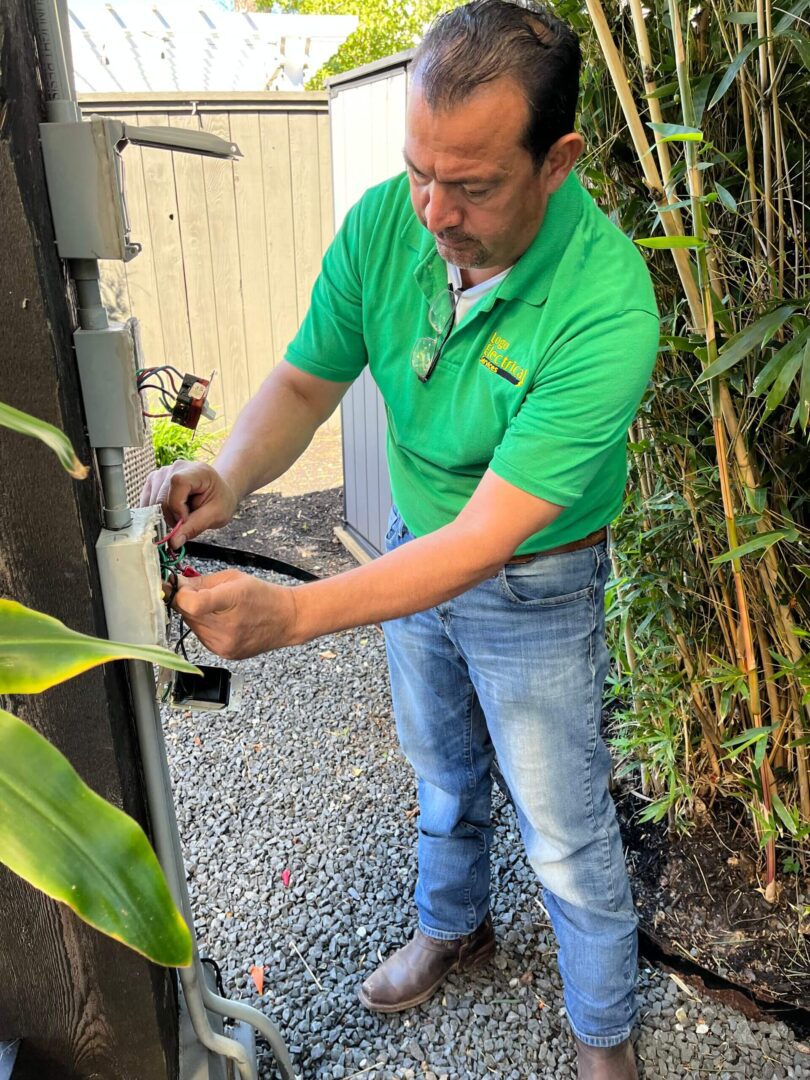
A licensed electrician begins by inspecting the main service equipment and discussing how you use the home. This includes the meter location, service entrance conductors, main disconnect, panel, breakers, grounding system, and any visible signs of wear or unsafe installation.
The electrician will also ask about future plans. A 200-amp upgrade that fits today may not be the right choice if you expect to add a pool, electric vehicle charging, a detached building, and electric heating in the near future. Sharing those plans early can prevent avoidable work later.
Complete a load calculation and define the scope
A load calculation estimates the electrical demand of the home based on square footage, fixed appliances, HVAC equipment, cooking appliances, laundry equipment, and anticipated additions. It is not just a count of outlets or a guess based on the size of a neighbor’s panel.
This calculation helps determine whether an upgraded panel alone is sufficient or whether the entire service needs to be increased. The scope may include a new meter base, larger service conductors, a new main panel, grounding and bonding improvements, and properly sized breakers for new circuits. If equipment is damaged, obsolete, or unsafe, replacing it as part of the project is often the wiser long-term investment.
Review the estimate and project plan
A clear estimate should explain what is included, not leave homeowners trying to interpret vague line items. Ask whether the price covers permits, coordination with the utility, panel replacement, meter equipment, grounding work, inspections, and restoration of any areas affected by the installation.
There can be trade-offs. Reusing portions of existing equipment may reduce immediate cost when it is safe and code-compliant. On the other hand, replacing aging components during the upgrade can reduce the likelihood of another disruptive electrical project in a few years. A dependable contractor will explain both options clearly and let you make the decision with the right information.
Obtain permits and coordinate with the utility
Electrical service work normally requires a permit and inspection. The contractor handles the permit process and plans the work to meet the requirements of the local authority having jurisdiction. This protects the homeowner by creating a documented, code-compliant path for the project.
Because the service equipment is connected to utility power, the electric utility may need to disconnect and reconnect service. Timing varies by location, utility schedules, weather, and whether upgrades are needed on the utility side. Your electrician should communicate the expected outage window before work begins so you can plan for refrigerated food, medical devices, remote work, security systems, and other household needs.
Install the new service equipment
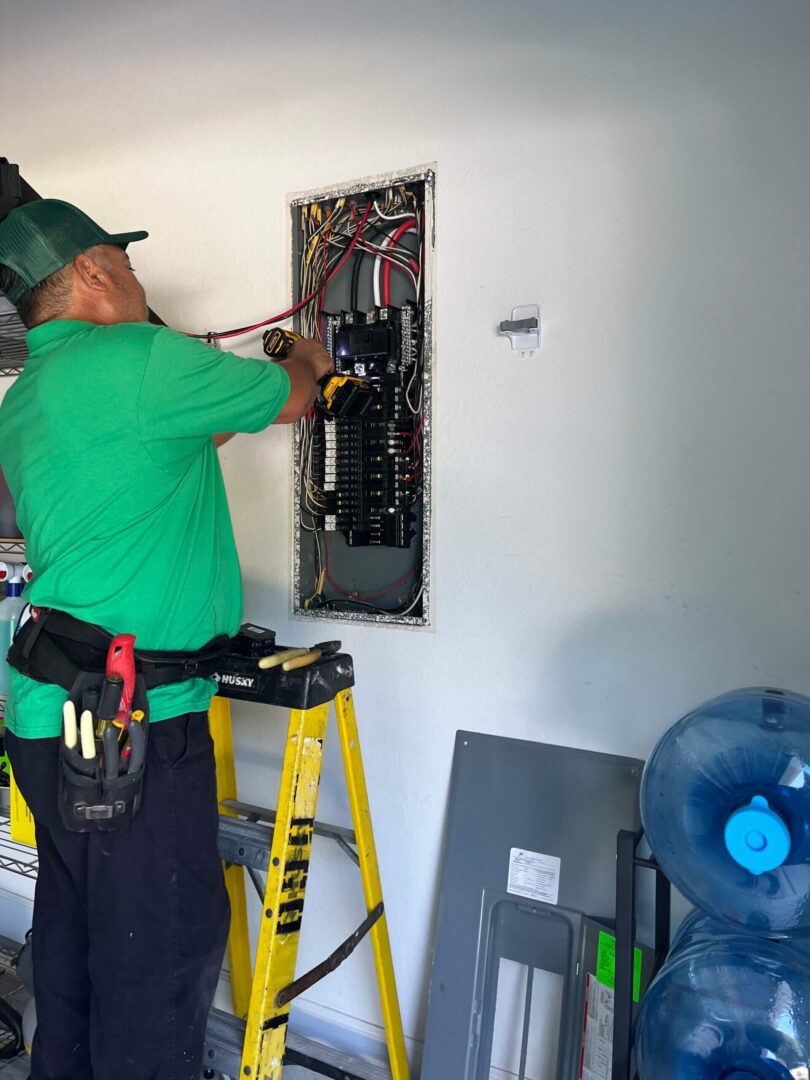
On installation day, the utility connection is safely disconnected so the electrician can complete the service upgrade. Depending on the project, this may involve replacing the meter base, service entrance wiring, main breaker panel, and grounding electrodes. The electrician transfers or replaces branch circuits, labels breakers, and verifies that conductor sizes and overcurrent protection are correct.
Clean workmanship matters here. A properly organized panel makes future troubleshooting easier, gives homeowners a clearer view of their circuits, and supports safer service work down the road. It also creates a practical foundation for additions such as surge protection, generator interlock equipment, lighting circuits, or a dedicated EV charger.
Pass inspection and restore service
After installation, the work is inspected as required. Once approval and utility requirements are satisfied, electrical service is restored. The contractor should test the system, confirm that circuits are operating as intended, and walk you through the updated panel.
Take a moment to understand the panel labels and main disconnect location. You do not need to become an electrician, but knowing which breaker controls key areas of the home can be helpful during an emergency or while coordinating future improvements.
What Homeowners Can Do Before the Work Begins
A little preparation helps the project move smoothly. Clear access to the electrical panel, meter area, attic access if needed, and the route to grounding equipment. Move stored items, vehicles, patio furniture, or landscaping obstacles that could limit safe access.
Plan for a temporary outage. Charge phones and backup batteries, save computer work, and make arrangements for anything that cannot lose power. If someone in the household relies on electrically powered medical equipment, discuss that need with the contractor well in advance and follow the equipment provider’s backup-power guidance.
It also helps to make a short list of electrical goals, including appliances you intend to add over the next few years. A service upgrade is one of the best times to plan ahead because access is already open and the electrical system is being evaluated as a whole.
Signs You Should Not Put Off an Evaluation
Frequent breaker trips, flickering lights, warm panel covers, buzzing sounds, burning odors, corrosion, or visible damage deserve prompt professional attention. These symptoms do not automatically mean you need a full service upgrade, but they should never be ignored or handled with a do-it-yourself repair.
You should also schedule an evaluation before purchasing equipment with significant electrical demand. EV chargers, electric tankless water heaters, hot tubs, workshop tools, and whole-home generators can all change what your electrical system needs. Addressing capacity before installation protects your investment and reduces the risk of delays.
For homeowners in Magnolia and the surrounding Houston area, Logo Electrical Services brings licensed expertise, honest pricing, and more than 45 years of industry experience to service upgrades and related residential electrical work. The goal is straightforward: recommend the work your home needs, complete it safely, and leave you with an electrical system ready for the next stage of homeownership.
A well-planned electrical service upgrade is quiet progress. You may not notice it every day, but you will appreciate having the capacity, safety, and confidence to use your home without asking an aging electrical system to do more than it was built to handle.