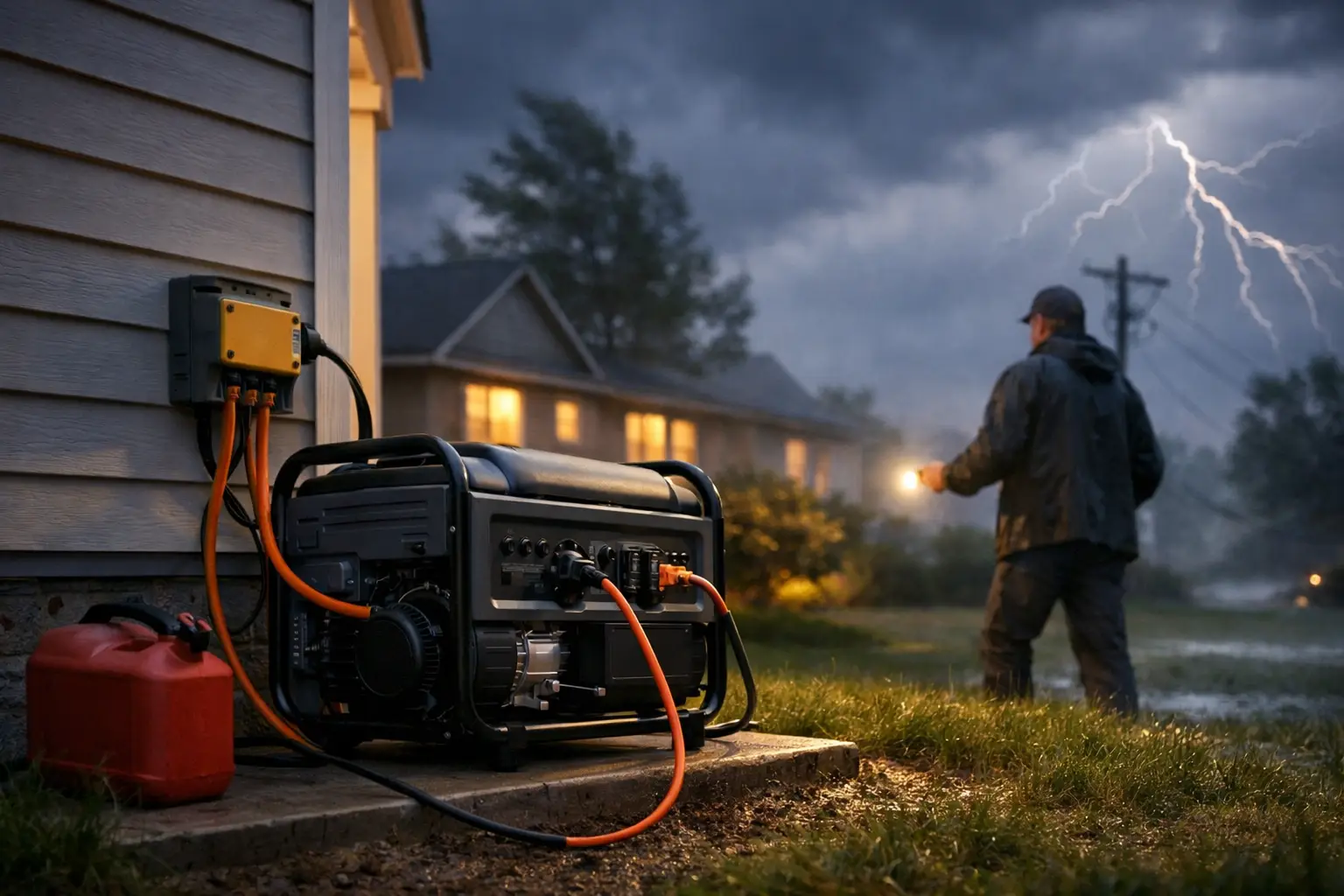
When a Gulf Coast storm takes down the power, the question is not whether a generator can run. It is whether it can safely power the parts of your home that matter most without damaging equipment, overloading circuits, or creating a carbon monoxide hazard. A well-planned generator setup for storm outages gives Magnolia-area homeowners dependable backup power when conditions are at their worst.
The best time to make those decisions is before the forecast includes named storms, high winds, or days of heavy rain. Generator readiness is more than buying a unit and storing fuel in the garage. It involves choosing the right type of generator, identifying essential loads, preparing the electrical connection, and making sure your household knows how to operate the system safely.
Start With the Outage You Want to Solve
Backup power needs look different from one household to the next. A family with a well pump, medical equipment, and a refrigerator full of food has different priorities than a homeowner who mainly wants lights, internet, and a way to keep a few rooms comfortable. The right system should match your real needs, not simply offer the highest wattage on the shelf.
Begin by thinking in terms of essential circuits. Many homeowners want to keep the refrigerator and freezer operating, power a few lights, run internet equipment, charge phones, and operate selected outlets. In some homes, the priority list may also include a sump pump, a well pump, garage door opener, security system, or medically necessary equipment.
Air conditioning is often the biggest question. A portable generator may support a small window unit or a limited number of smaller loads, but it usually will not run a full central HVAC system along with the rest of the home. A properly sized standby generator can support more of the house, potentially including central air conditioning, but the equipment, fuel supply, and electrical work must be designed for that demand.
It is also wise to account for starting power, not just running power. Motors in refrigerators, pumps, and air conditioners can require a larger surge of power when they start. A generator that appears large enough on paper may still trip or struggle if several motor-driven appliances start at once.
Portable and Standby Generators Serve Different Needs
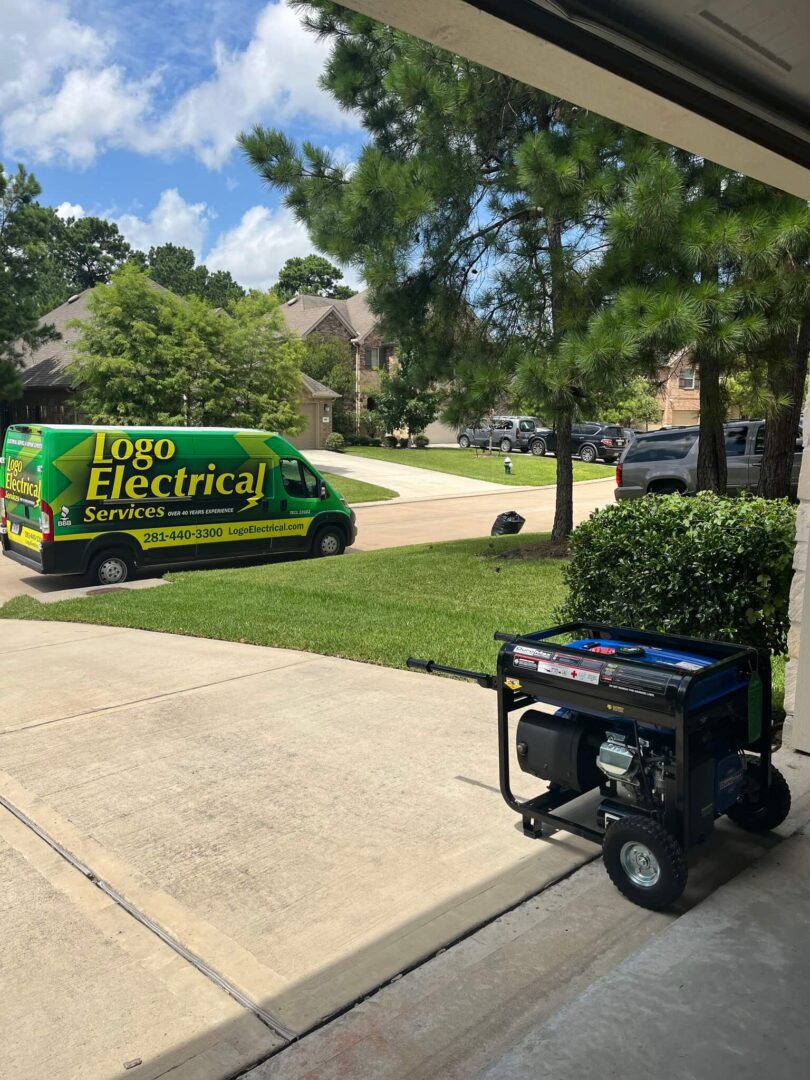
A portable generator can be a practical option for short outages or homes with modest backup-power needs. It has a lower initial cost, can be stored when not in use, and gives homeowners flexibility. The trade-off is that it requires hands-on operation, regular fuel management, and safe outdoor placement each time it is used.
A standby generator is permanently installed and typically connected to a natural gas or propane fuel source. When paired with an automatic transfer switch, it can start on its own after utility power fails and shut down after power returns. That convenience is valuable for homeowners who travel, have health-related power needs, or want more complete protection during extended outages.
Neither choice is automatically right for every property. Portable systems can make sense when the goal is to power a few key circuits. Standby systems are often the better fit when a household needs automatic operation, longer runtime, or the ability to keep more of the home functioning. A licensed electrician can help compare the total cost, electrical capacity, fuel options, and installation requirements before you commit.
Generator Setup for Storm Outages Needs a Transfer Switch
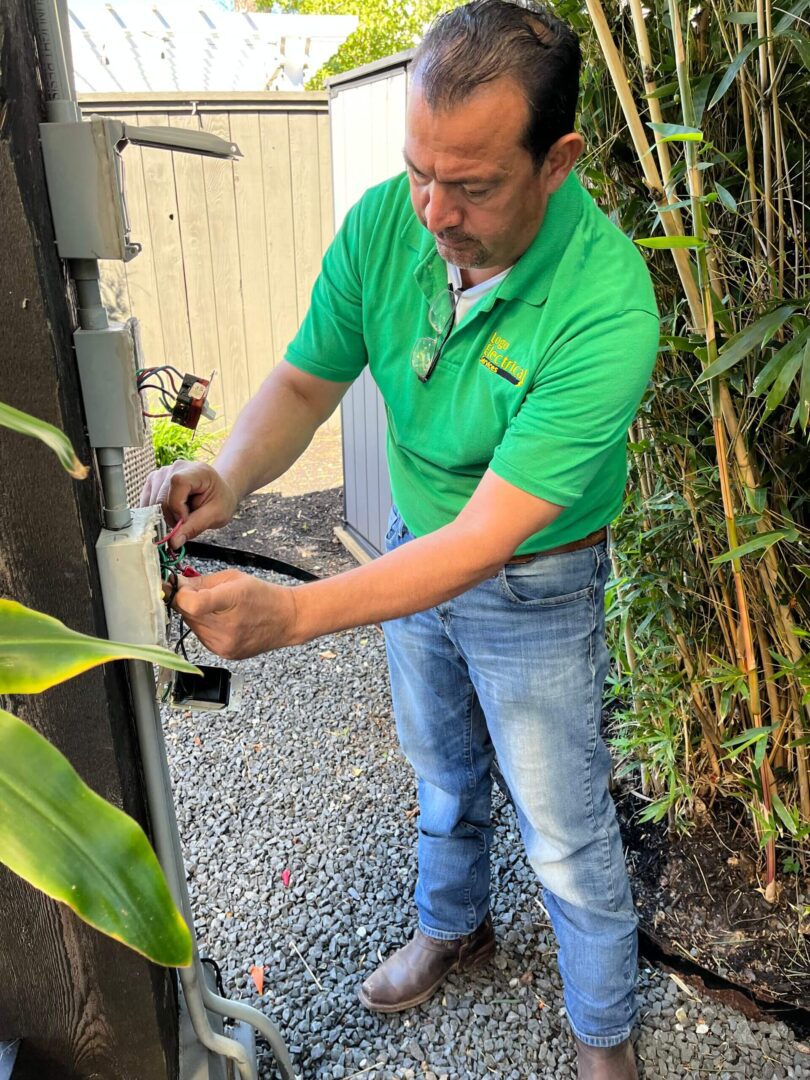
The safest way to connect generator power to your home is through approved equipment installed for that purpose. For most homes, that means a manual or automatic transfer switch, or an approved generator interlock where appropriate. This equipment isolates your home from the utility lines before generator power is supplied.
That separation protects your family, your electrical system, and utility workers. Without it, generator power can feed back onto utility lines, a dangerous condition known as backfeeding. Backfeeding can injure or kill line workers and can severely damage the generator or household wiring when utility power is restored.
Never run a generator by plugging it into a dryer outlet, range outlet, or another household receptacle. This practice is unsafe and is not a substitute for a properly installed transfer switch or interlock. Extension cords may be acceptable for temporarily powering a small number of individual appliances outdoors, but they should be heavy-duty, properly rated, and kept away from standing water, doorways, and trip hazards.
A professional installation also allows the electrician to label the generator circuits clearly. In a stressful outage, you should not have to guess which breaker supplies the refrigerator or whether the well pump is on the backup panel.
Safe Placement Is Not Optional
Generators produce carbon monoxide, an odorless gas that can become deadly quickly. Every portable generator must operate outdoors, away from doors, windows, vents, and attached garages. Do not place one in a garage with the door open, under a covered patio, in a shed, or close to an open window because of rain.
Follow the manufacturer’s clearance requirements, and keep the generator on a stable, dry surface. If weather protection is needed, use a generator-specific cover or enclosure designed to maintain safe ventilation. A tarp draped over a running generator is not safe.
Working carbon monoxide alarms and smoke alarms are essential in every home, but they matter even more when temporary power equipment is operating nearby. Test them before storm season. If an alarm sounds or anyone experiences headache, dizziness, nausea, confusion, or weakness, move to fresh air and seek emergency help immediately.
Fuel deserves the same level of attention. Store gasoline only in approved containers, away from heat sources and living areas. Turn the generator off and let it cool before refueling. For standby units, verify that your propane supply or natural gas connection can support the expected run time and load. Long outages can expose fuel planning problems that do not show up during a quick test run.
Prepare Your Electrical System Before Storm Season
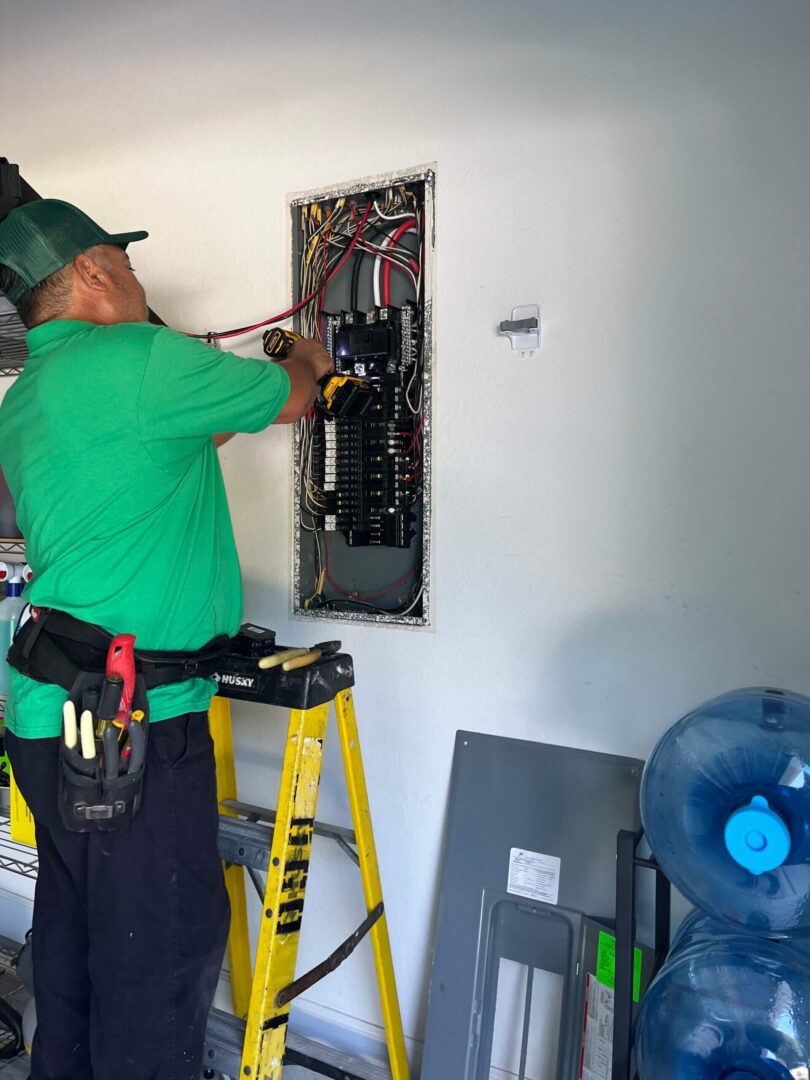
A generator can only perform as well as the electrical system it connects to. Older homes may have undersized panels, outdated wiring, limited circuit space, or service equipment that needs attention before generator equipment can be added. A site assessment helps identify those issues early, when there is time to make good decisions instead of rushed repairs.
During a professional evaluation, an electrician can review your main panel capacity, inspect grounding and bonding, identify the circuits you want to back up, and determine whether a transfer switch, interlock, or dedicated generator panel is the appropriate solution. The work should be code-compliant and matched to the generator manufacturer’s requirements.
Whole-home surge protection is another worthwhile consideration. Power restoration after an outage can bring voltage fluctuations and surges that threaten sensitive electronics and appliances. A generator does not replace surge protection, and surge protection does not replace a generator. Together, they address different parts of the outage risk.
Test the System When the Weather Is Calm
A generator that has not been tested is not a backup plan yet. Portable generators should be started and exercised according to the manufacturer’s recommendations, with fresh fuel and routine maintenance. Check the oil, air filter, battery if equipped, and cords or connections before storm season arrives.
Standby generators typically run scheduled self-tests, but homeowners should still pay attention to warning lights, error messages, battery condition, and fuel status. An annual professional inspection is a sensible way to confirm that the transfer equipment, wiring, and generator are ready for service.
Your household should also know the basic plan. Decide who will start a portable unit, which appliances get connected first, where the fuel is stored, and how long you expect supplies to last. Keep flashlights, batteries, phone chargers, drinking water, and necessary medications accessible. Backup power is most useful when it supports an organized response rather than adding another task during a storm.
Know When to Call a Licensed Electrician
Generator installation is electrical work with real safety consequences. If you need a transfer switch, generator inlet, interlock, panel upgrade, dedicated circuits, or a whole-home standby system, the work should be completed by a licensed electrical contractor. Permitting and local code requirements can vary by property and equipment type, and proper installation protects your investment as well as the people in your home.
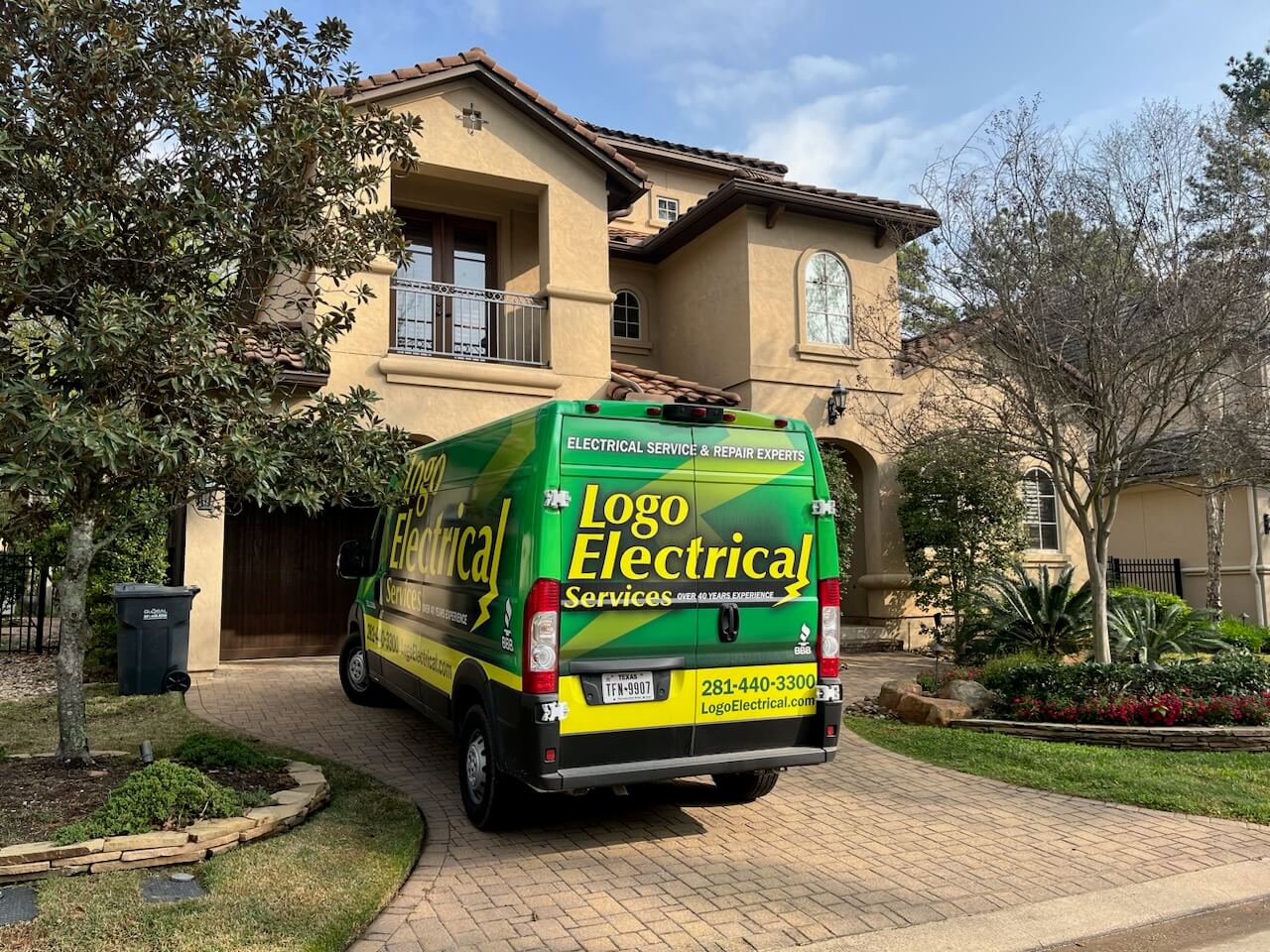
Logo Electrical Services helps homeowners in Magnolia and surrounding Houston-area communities plan generator systems around the loads they actually need. Clear recommendations, honest pricing, and code-compliant installation matter most when the power is out and there is no room for uncertainty.
Before the next storm forms, take a few minutes to walk through what your family truly needs to keep running. That conversation is the first step toward backup power you can rely on when the lights go out.