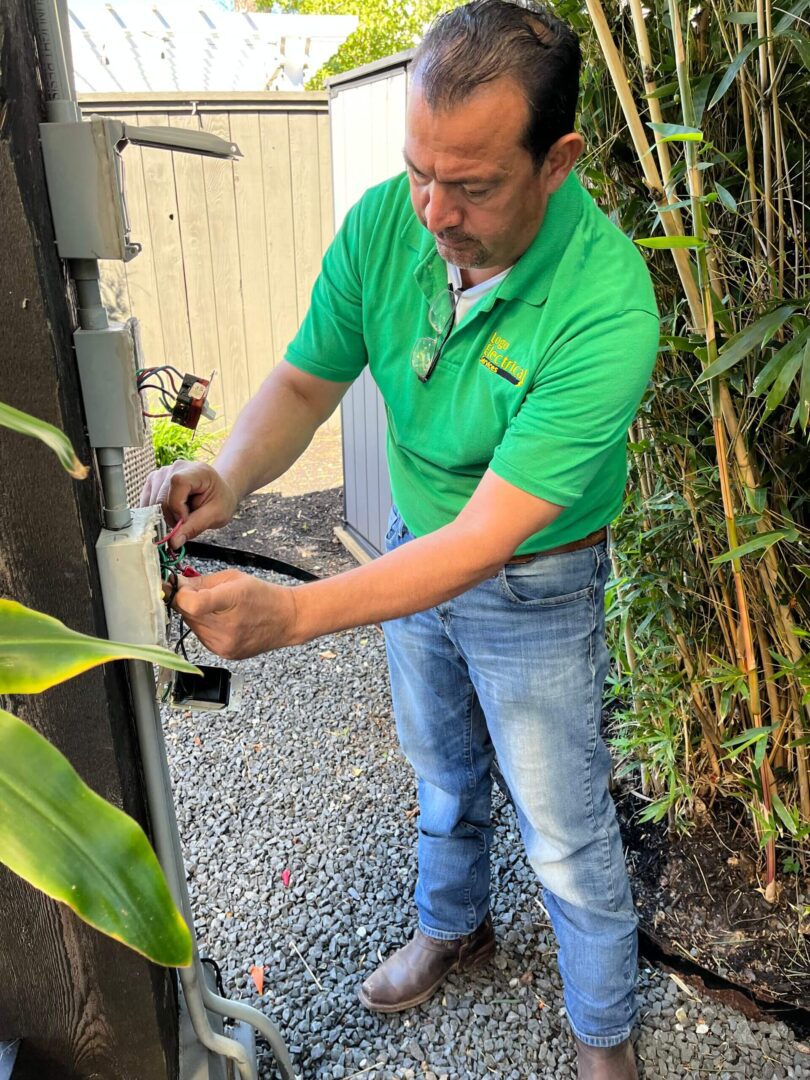
A new EV can be parked in the driveway within hours, but a safe home charging setup may require more planning. Homeowners often ask, do electricians install EV chargers? Yes. A licensed electrician is the right professional to evaluate your electrical system, install the required circuit and wiring, and connect a hardwired home charging station according to local code.
For many Magnolia and Houston-area homeowners, installing an EV charger is not simply a matter of mounting a unit on the garage wall. Your panel capacity, the distance from the panel to the charger, the condition of existing wiring, and local permit requirements all affect what the job involves. A qualified electrician can explain those factors clearly before work begins, so you can charge confidently without overloading your home’s electrical system.
Do Electricians Install EV Chargers? Yes, and They Assess the Whole System
Most Level 2 EV chargers need a dedicated 240-volt circuit. That is the same general type of power used for large appliances such as an electric dryer or range, but an EV charger needs its own properly sized circuit. It should not share power with another appliance or be added casually to an already crowded panel.
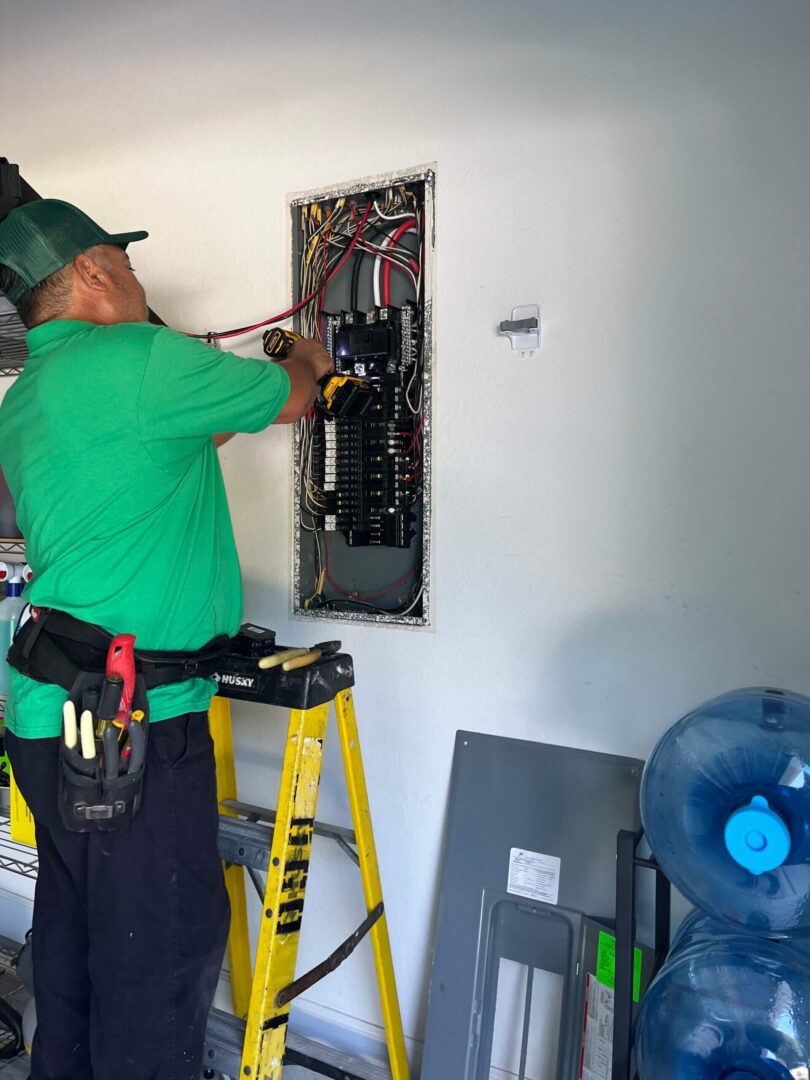
An electrician starts by looking at the electrical service feeding your home and the available capacity in the main panel. This is often called a load calculation. The calculation considers major electrical demands, including air conditioning, heating equipment, appliances, lighting, and the proposed charger. It helps determine whether your current system can support regular overnight charging safely.
That assessment matters in older homes and in homes that have added electrical loads over time. A panel may appear to have open breaker spaces but still lack the capacity for a new high-demand circuit. In other cases, the service is adequate and the installation is straightforward. An honest electrician will tell you which situation applies rather than recommending an upgrade that is not needed.
What an EV Charger Installation Usually Includes
A professional installation begins with selecting the right charger location. Many homeowners choose the garage, but a charger can also be installed on an exterior wall, near a driveway, or at a detached garage when the equipment is rated for the environment. The goal is to place the charger where the cable reaches the vehicle without creating a tripping hazard or stretching across a walkway.
The electrician then installs a dedicated breaker, runs correctly sized wiring, and mounts either a receptacle or a hardwired charging unit. Hardwired chargers are common because they provide a permanent connection and can support higher charging output when the electrical system allows it. Some plug-in chargers use a heavy-duty 240-volt receptacle, but that receptacle, circuit, and wiring must still be selected and installed for the charger’s continuous electrical load.
The work may also include conduit, weatherproof fittings for outdoor equipment, grounding and bonding, breaker labeling, and final testing. If permits and inspections are required for the property, a licensed contractor can handle the work with code compliance in mind and ensure the installation is ready for inspection.
Level 1 vs. Level 2 Charging at Home
Your EV may have come with a portable Level 1 charger that plugs into a standard 120-volt outlet. For drivers with short daily commutes, Level 1 charging can be enough. It is slow, however, and it may take many hours or multiple days to replenish a larger battery.
A Level 2 charger uses 240 volts and generally provides much faster charging. It is a practical choice for households that drive daily, own a larger EV or plug-in hybrid, or want the convenience of charging overnight. The actual charging speed depends on the vehicle, charger, circuit size, and utility supply. Installing the largest charger available does not automatically mean your vehicle will accept power at that rate.
An electrician can help match the charger and circuit to your driving habits and home. That conversation can prevent paying for more capacity than you will use, while also avoiding a setup that feels too slow for your routine.
When Your Electrical Panel Needs an Upgrade
Not every EV charger installation requires a panel upgrade. Many newer homes have sufficient service capacity and panel space for a dedicated charging circuit. Still, an upgrade may be the safest long-term choice if your panel is undersized, outdated, full, damaged, or already working near its calculated capacity.
A panel upgrade may also make sense if you are planning other electrical improvements, such as a standby generator, new HVAC equipment, an induction range, a pool system, or a home addition. Looking at these projects together can help you avoid making temporary changes now and revisiting the panel again later.
There are also alternatives in certain situations. A load management device may allow some homes to add EV charging without a full service upgrade by monitoring demand and temporarily reducing or pausing charging when household electrical usage is high. This option is not right for every property, but it is worth discussing with a licensed electrician when capacity is limited.
Why a Dedicated Circuit Is a Safety Requirement
EV charging is considered a continuous load because it can draw significant power for several hours at a time. That is why the circuit, breaker, wire size, connections, and charger settings must all work together. An undersized circuit or poor connection can overheat, damage equipment, trip breakers, or create a fire risk.
Homeowners should also be cautious about using extension cords, adapter cords, or standard outlets that were not installed for sustained charging. A portable charger may plug into a regular receptacle, but the outlet and the circuit serving it should be in good condition and appropriate for the load. If an outlet feels warm, shows discoloration, trips frequently, or has loose connections, stop using it and have it inspected.
A licensed electrician does more than make the charger turn on. They verify that the electrical path supplying it is safe for repeated use. That attention to detail is especially valuable when the charging station will become part of a household’s daily routine.
Permits, Codes, and HOA Considerations
Permit rules can vary by city, county, and local jurisdiction. In many areas, installing a new 240-volt circuit or modifying an electrical panel requires a permit and inspection. These requirements are intended to protect homeowners, future buyers, and first responders by ensuring electrical work meets current safety standards.
If you live in a neighborhood with a homeowners association, review its rules before choosing an exterior charger location. An HOA may have requirements for visibility, conduit routing, exterior finishes, or placement near a driveway. A little planning before installation can prevent delays or the expense of relocating equipment later.
For homeowners in Magnolia and surrounding communities, working with a local licensed contractor helps keep the project grounded in the conditions that matter here: Texas heat, garage layouts, outdoor equipment exposure, local inspections, and homes with a range of panel ages and service sizes.
How to Prepare for an EV Charger Estimate
Before scheduling an estimate, have the charger model in mind if you have already selected one. If you have not, that is fine. It helps to know your vehicle model, typical daily mileage, where you park, and whether you expect to add another EV in the next few years.
Take note of your main electrical panel location and the proposed charger location. The distance between them can affect labor and material costs, especially when wiring must travel through finished walls, attic spaces, crawlspaces, underground conduit, or across a detached structure. Mention any planned renovations or major electrical additions as well.
A clear estimate should explain the recommended circuit size, whether panel work is needed, the charging location, and any conditions that could affect the final scope. At Logo Electrical Services, the focus is on giving homeowners a straightforward recommendation based on the actual condition of their electrical system, not a one-size-fits-all installation.
Choose Safe Charging Over a Quick Workaround
A home EV charger is one of the most useful upgrades you can make for an electric vehicle, but it is also a high-use electrical appliance. The right installation gives you dependable overnight charging, protects your home’s electrical system, and leaves room to plan for future needs.
If you are considering a charger, start with an electrical assessment rather than a shortcut. A licensed electrician can help you choose a safe path that fits your vehicle, your home, and your budget – then complete the work cleanly and correctly the first time.