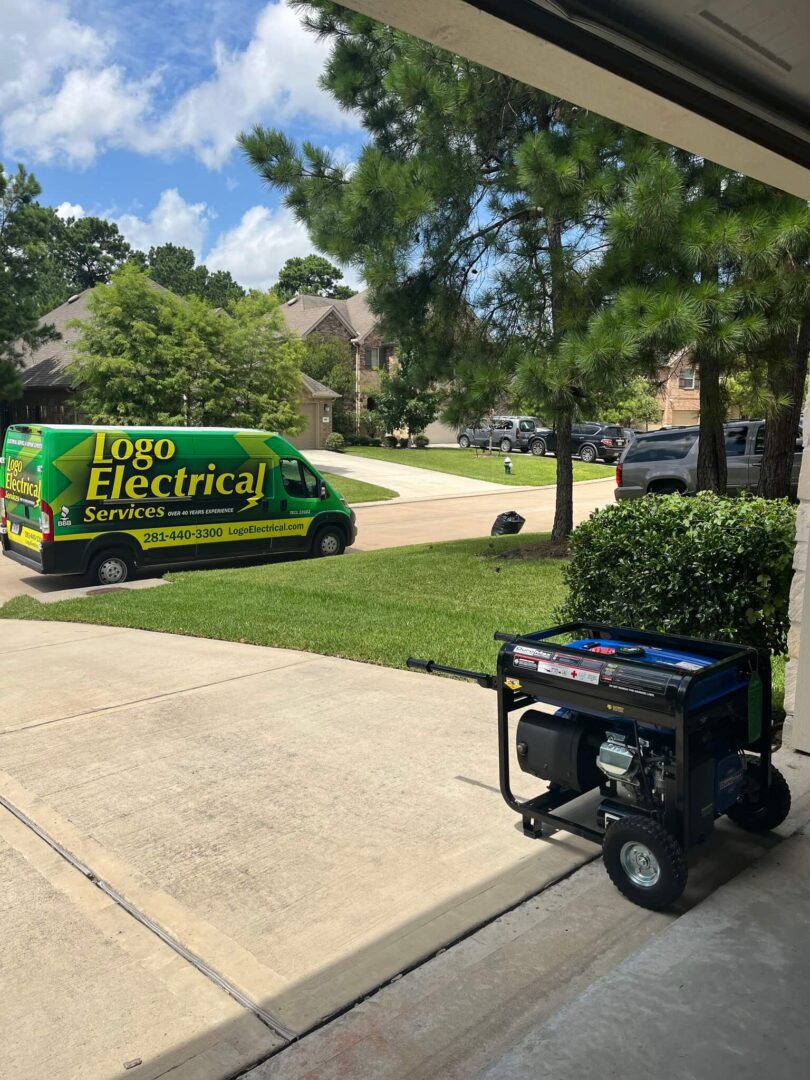
A power outage is more than an inconvenience when it shuts down air conditioning, refrigeration, well pumps, internet, security equipment, and medical devices. This standby generator installation example shows what a properly planned backup-power project can look like for a typical Magnolia-area home – and why the generator itself is only one part of a safe, dependable system.
Consider a two-story, 2,800-square-foot home with a natural gas line, a 200-amp main service panel, central air conditioning, an electric water heater, and a family that works from home. The homeowners want the essentials to stay on during an outage, with enough capacity for one air conditioning system. They do not necessarily need every appliance operating at once.
The homeowner’s backup power goals
Before selecting equipment, a licensed electrician should ask what the home needs to support during an outage. In this example, the priority circuits include the refrigerator, kitchen lighting and receptacles, internet equipment, garage door, security system, several bedroom circuits, a gas furnace blower, the well pump, and one 4-ton air conditioning unit.
The electric water heater, dryer, oven, pool equipment, and second air conditioner are left off the emergency load plan. That decision keeps the required generator size and installation cost more manageable while still preserving day-to-day comfort and safety. A generator project is not always about powering everything. It is about making informed choices about what matters most when utility power is unavailable.
A complete whole-home system may make sense for a larger household, a medically necessary load, or a property with multiple critical systems. For many homes, however, an essential-load design provides reliable coverage without paying for capacity that will rarely be used.
Standby generator installation example: sizing the system
In this scenario, the electrician completes a load calculation rather than choosing a generator based only on the home’s square footage. Square footage offers a starting point, but it does not reveal the electrical demand of HVAC equipment, pumps, appliances, or added features such as EV chargers and workshops.
The calculation considers both running wattage and the higher demand created when motors start. A well pump and air conditioner can require a significant startup load. Modern generator controls and load-management modules can help by preventing multiple large loads from starting at the same time.
For this home, a generator in the 18 kW to 22 kW range may be an appropriate fit, depending on the actual equipment ratings, fuel supply, and chosen load plan. The final recommendation should be based on an on-site evaluation. A system that is too small may overload or shed circuits more often than expected. One that is far too large can add unnecessary equipment and fuel costs.
Fuel supply deserves the same attention
Because this example uses natural gas, the project also requires verification that the existing gas line and meter can supply the generator’s demand while other gas appliances are operating. A generator may run for days during an extended outage, so fuel planning cannot be treated as an afterthought.
If natural gas is unavailable or insufficient, propane can be a practical alternative. Either way, the electrical contractor coordinates the installation requirements with the appropriate fuel-gas professional. Proper fuel sizing is essential to reliable operation and safe performance.
Selecting a safe location
The homeowner would like the generator close to the electrical panel to reduce trenching and wiring costs. That is reasonable, but location must first meet manufacturer instructions, local requirements, clearances from doors and windows, and ventilation needs. Exhaust must never be positioned where it can enter the home.
In this example, the selected location is on a level concrete or composite pad along the side yard, with enough clearance for service access and proper airflow. The location is also outside areas prone to standing water and positioned so technicians can safely reach the equipment for annual maintenance.
A good installation also considers the practical details homeowners may overlook. Will the unit be visible from a patio? Will landscaping eventually block access? Can it be protected from roof runoff? Is there a clear path for the installation crew to bring in the generator? Answering these questions before work begins prevents costly changes later.
The electrical work behind automatic backup power
When utility power fails, a standby generator should not backfeed electricity into utility lines. That is dangerous for line workers and can damage equipment. The heart of a professionally installed system is the automatic transfer switch, which safely separates the home from the utility before generator power is supplied.
For this 200-amp home, the electrician may install a service-rated automatic transfer switch between the meter equipment and the main service panel, or use an approved configuration that fits the existing electrical service. When the outage begins, the transfer switch detects the loss of power, starts the generator, and transfers selected loads after the generator stabilizes. When utility power returns, it transfers the home back and allows the generator to complete its cooldown cycle.
Load-management controls may be added for the air conditioner and other high-demand equipment. In this example, the system can prioritize the home’s essential circuits and delay the air conditioner if the well pump is starting. That is a practical way to maintain comfort without overloading the generator.
The installation includes correctly sized conductors, properly rated breakers and disconnects, equipment grounding and bonding, and weather-rated connections where required. These details are not visible once the job is complete, but they are central to code-compliant workmanship and long-term safety.
Permits, inspections, and panel condition
A standby generator installation often involves permits and inspections. Requirements vary by jurisdiction, so a licensed local contractor should confirm what applies to the property before work starts. Electrical permits help verify that the transfer equipment, wiring methods, grounding, and clearances meet applicable standards.
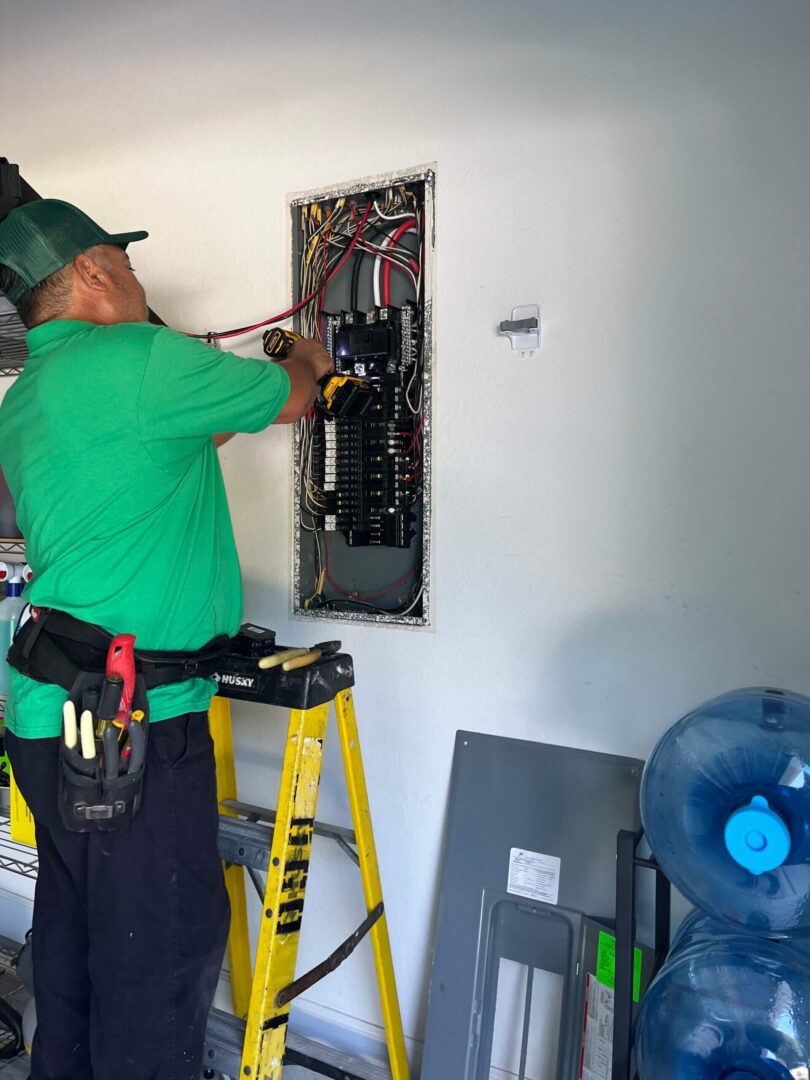
This process can also reveal issues with the existing electrical service. An older panel may have limited space, corrosion, outdated components, or signs of overheating. If the main panel needs repair or an upgrade, addressing it as part of the generator project is usually safer than connecting expensive new equipment to a questionable electrical system.
In some cases, the utility service, meter equipment, or service entrance conductors must be evaluated as well. Honest recommendations matter here. Not every generator project requires a panel replacement, but a contractor should clearly explain when an upgrade is needed and why.
What installation day can look like
After permits, equipment selection, and scheduling are complete, the crew prepares the pad, sets the generator, installs transfer equipment, and routes approved electrical wiring between the generator and the home. The fuel connection is completed by the qualified trade responsible for that work.
Then comes the part that should never be rushed: testing. The electrician verifies proper startup, transfer, shutdown, circuit operation, and load behavior. The homeowner should be shown how the system operates, where the disconnects are located, what the indicator lights mean, and who to call if a warning appears.
A clean installation matters, too. Conduit should be neatly supported, equipment should be accessible, and work areas should be left orderly. Homeowners deserve a system that works well and looks professionally installed.
Ongoing maintenance keeps the system ready
A standby generator is not a set-it-and-forget-it purchase. Most units perform an automatic weekly exercise cycle, but that brief run does not replace routine maintenance. Oil, filters, battery condition, error codes, enclosure condition, and fuel-system performance should be checked on the manufacturer’s recommended schedule.
After a major outage, it is wise to have the system inspected if it ran for an extended period or showed any alerts. Keeping vegetation trimmed around the unit and maintaining clear access also helps prevent service problems.
For homeowners in Magnolia and the greater Houston area, the right backup-power plan starts with an honest assessment of the home, the family’s priorities, and the existing electrical system. Logo Electrical Services can help evaluate those details and explain a generator solution in clear terms – so when the lights go out, your home is prepared for the moments that matter.