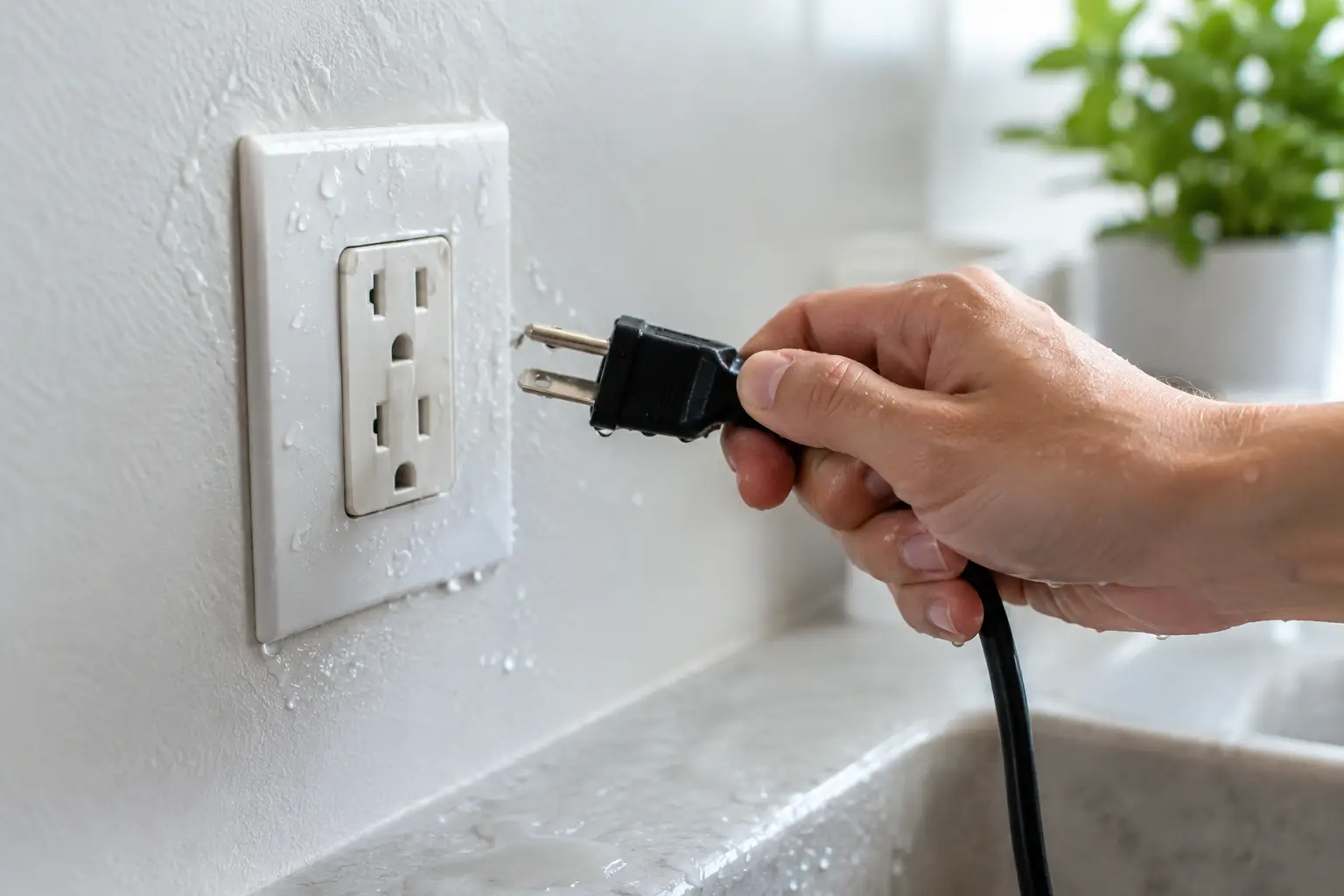
A leaking window, overflowing sink, storm-driven rain, or a wet patio can turn a simple outlet into a serious safety concern. Can electrical outlets get wet? They can be exposed to moisture, but standard indoor outlets are not designed to handle it. Water around an energized outlet can create shock, fire, and equipment-damage risks, especially when the outlet, plug, or connected cord is touched.
For homeowners in Magnolia and across the Houston area, the right response depends on where the water came from, how much water was involved, and whether the circuit is still energized. The safest move is to treat any wet outlet as a potential electrical hazard until a licensed electrician determines otherwise.
Why Water and Electrical Outlets Are a Dangerous Mix
Electricity travels through conductive paths. Clean water does not conduct electricity as efficiently as water containing minerals, dirt, soap, or other contaminants, but household water is rarely pure. A small amount of moisture can create a path for electricity to travel where it should not, including through a person touching a plug, cover plate, appliance, or nearby metal fixture.
Water can also cause corrosion inside the receptacle, at wire connections, or in the electrical box behind the wall. That damage may not be obvious after the area appears dry. A receptacle that worked after getting wet can still develop overheating, arcing, nuisance tripping, or failure later.
The risk increases when water comes from a roof leak, plumbing leak, floodwater, or an outdoor exposure. Floodwater and wastewater can leave behind contamination and mineral residue, making replacement and professional inspection more likely than a simple dry-out.
What to Do If an Electrical Outlet Gets Wet
Do not touch the outlet, plug, or any appliance connected to it while the area is wet. Avoid trying to unplug a cord, remove the cover plate, or wipe water from the receptacle if there is any possibility the circuit is live.
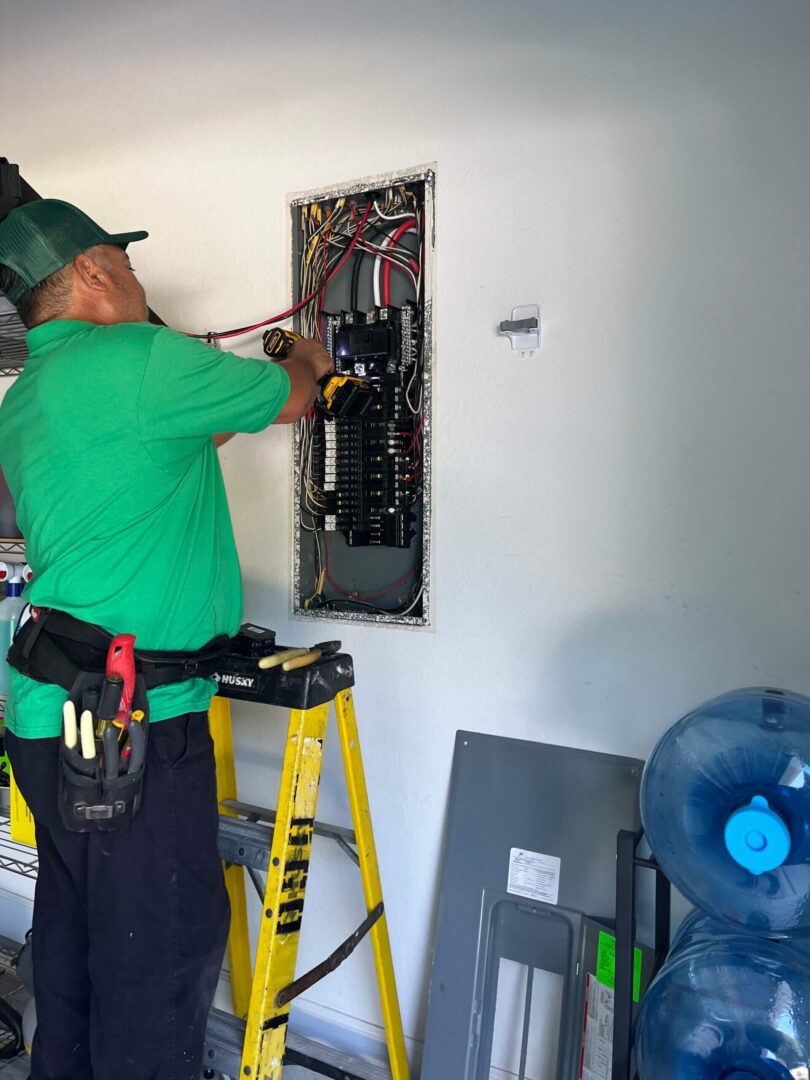
If you can safely reach your electrical panel without walking through water or touching wet surfaces, turn off the breaker serving that outlet. If you are not certain which breaker controls it, turn off the main breaker only if doing so can be done safely and you understand your panel. Never operate an electrical panel that is wet, has visible water inside it, or is surrounded by standing water. In that situation, step away and call for emergency electrical help.
Once power is off, keep everyone away from the area, including children and pets. Do not use the outlet again simply because it looks dry. Water may have entered the box or affected connections you cannot see.
If you notice smoke, a burning odor, buzzing, crackling, sparks, discoloration, or a breaker that will not stay on, treat the issue as urgent. Turn off power if it is safe to do so and contact a licensed electrician. If there is an active fire or immediate threat to life, call 911 first.
When a Wet Outlet Needs Professional Inspection
An electrician should inspect the outlet after significant water exposure, particularly if water entered the receptacle openings, came through the wall or ceiling, or involved a tripped breaker. A professional can check the receptacle, wiring connections, electrical box, grounding, and the circuit protection that serves the area.
Replacement is often the right answer when an outlet has been submerged, exposed to dirty water, shows corrosion, or has heat damage. The cost of replacing a compromised receptacle is small compared with the risk of relying on damaged electrical components inside a wall.
A professional inspection is also wise after a plumbing leak, even if the outlet was not visibly wet. Water can travel inside walls and collect around boxes, cable runs, and connections. The source of the leak needs repair as well, or the electrical problem may return.
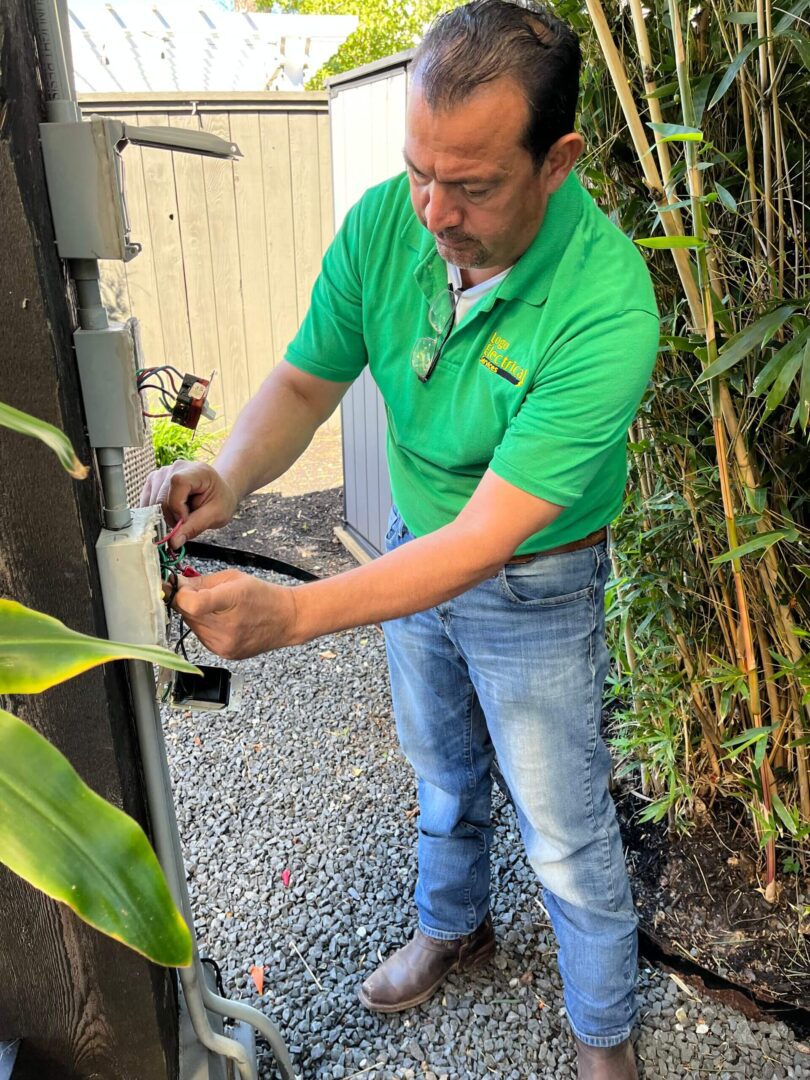
At Logo Electrical Services, our licensed electricians help homeowners identify whether an outlet can be safely repaired, needs replacement, or points to a larger wiring or moisture issue. Clear explanations and honest recommendations matter when your family’s safety is involved.
Can Electrical Outlets Get Wet Outdoors?
Outdoor outlets face a different set of conditions. They are exposed to rain, sprinkler overspray, humidity, pool activity, and lawn equipment. That does not mean they are ordinary indoor outlets installed outside. Exterior receptacles should have weather-resistant components, appropriate covers, and ground-fault circuit interrupter protection, commonly called GFCI protection.
A weatherproof cover helps prevent direct water entry when no cord is plugged in. For outlets used regularly for patio lights, pumps, holiday decorations, or tools, an in-use cover is typically needed. This style allows a cord to remain plugged in while the cover protects the connection from rain and moisture.
Even a properly installed outdoor outlet should not be sprayed directly with a pressure washer or left open after the cover breaks. If an outdoor GFCI outlet trips after rain, do not keep resetting it. A tripped GFCI is doing its job by responding to a possible ground fault or moisture problem. Let the area dry, disconnect outdoor equipment if it can be done safely, and have the circuit checked if the outlet continues to trip.
Bathrooms, Kitchens, Garages, and Laundry Areas Need Extra Protection
Not every wet outlet is outside. Indoor areas near water need special attention because splashes and humidity are common. Bathrooms, kitchens, garages, laundry rooms, unfinished spaces, and areas near sinks typically require GFCI protection under modern electrical safety standards.
GFCI protection monitors the flow of electricity and quickly shuts off power when it detects an imbalance that can indicate electricity is escaping its intended path. It is a valuable layer of protection, but it is not permission to use an outlet while wet or to ignore a leak. A GFCI can reduce the chance of severe shock, but it cannot prevent every hazard caused by damaged wiring, corrosion, or water inside an electrical box.
If your home has older two-slot receptacles, ungrounded outlets, missing GFCI protection, or outlets located unusually close to a water source, an electrical safety evaluation can identify practical upgrades. Older homes in particular may benefit from circuit updates, new receptacles, and whole-home surge protection as part of a broader safety plan.
What Not to Do After Water Exposure
Homeowners sometimes make a dangerous situation worse by trying to solve it quickly. Do not use a hair dryer, space heater, fan inserted near the outlet, or compressed air to dry an energized receptacle. Do not cover a wet outlet with tape or plastic and assume it is safe. Do not reset a breaker repeatedly if it trips after water exposure.
It is also wise not to rely on a plug-in tester as the only sign that everything is fine. These tools can identify some outlet wiring conditions, but they cannot confirm that moisture or corrosion has not affected the box, connections, or cable behind the wall.
Preventing Water Damage to Outlets
A few maintenance habits can reduce the chance of water reaching your electrical system. Check exterior outlet covers for cracks, loose hinges, and missing gaskets. Keep sprinkler heads aimed away from walls and outdoor receptacles. Address roof leaks, plumbing leaks, and window leaks promptly, before moisture reaches hidden wiring.
For outdoor living spaces, make sure cords and power strips are rated for the environment and are not lying in standing water. Avoid running extension cords through doors or windows where weatherstripping can damage them and rain can enter. If you need more power on a patio, in a garage, or near a workshop, having properly installed outlets is safer than depending on temporary cords.
After major storms or flooding, inspect your property carefully from a safe distance. Water stains near outlets, damp drywall, tripped breakers, and unusual electrical behavior all deserve attention. Electrical damage is not always visible on the surface.
When water and electricity meet, caution is the right call. Keep the outlet out of service, avoid touching anything wet, and have a licensed electrician assess the situation before your family uses that circuit again.