A tripped outlet near a bathroom sink and a breaker that will not stay on may look like the same problem. They are not always the same kind of protection at work. In the GFCI versus AFCI conversation, both devices are designed to make a home safer, but they watch for very different electrical hazards.
For homeowners in Magnolia and the greater Houston area, knowing the difference can make a repair or renovation less confusing. It can also help you understand why a licensed electrician may recommend a particular outlet, breaker, panel upgrade, or circuit repair instead of a quick reset.
GFCI Versus AFCI: The Core Difference
A ground-fault circuit interrupter, or GFCI, protects people from electrical shock. An arc-fault circuit interrupter, or AFCI, is designed to reduce the risk of electrical fires caused by dangerous arcing in wiring or connected equipment.
A GFCI compares the electricity going out on a circuit with the electricity returning. When it senses even a small imbalance, it can shut off power very quickly. That imbalance may mean electricity is escaping through an unintended path, potentially through water, a damaged appliance, or a person.
An AFCI looks for electrical patterns associated with arcing. An arc can occur when a wire is damaged, a connection is loose, a cord is pinched, or insulation has deteriorated. Some arcs create enough heat to ignite nearby material without drawing enough current to trip a standard breaker.
Put simply, GFCI protection is primarily about shock hazards. AFCI protection is primarily about fire hazards. Neither replaces the other.
Where GFCI Protection Is Commonly Needed
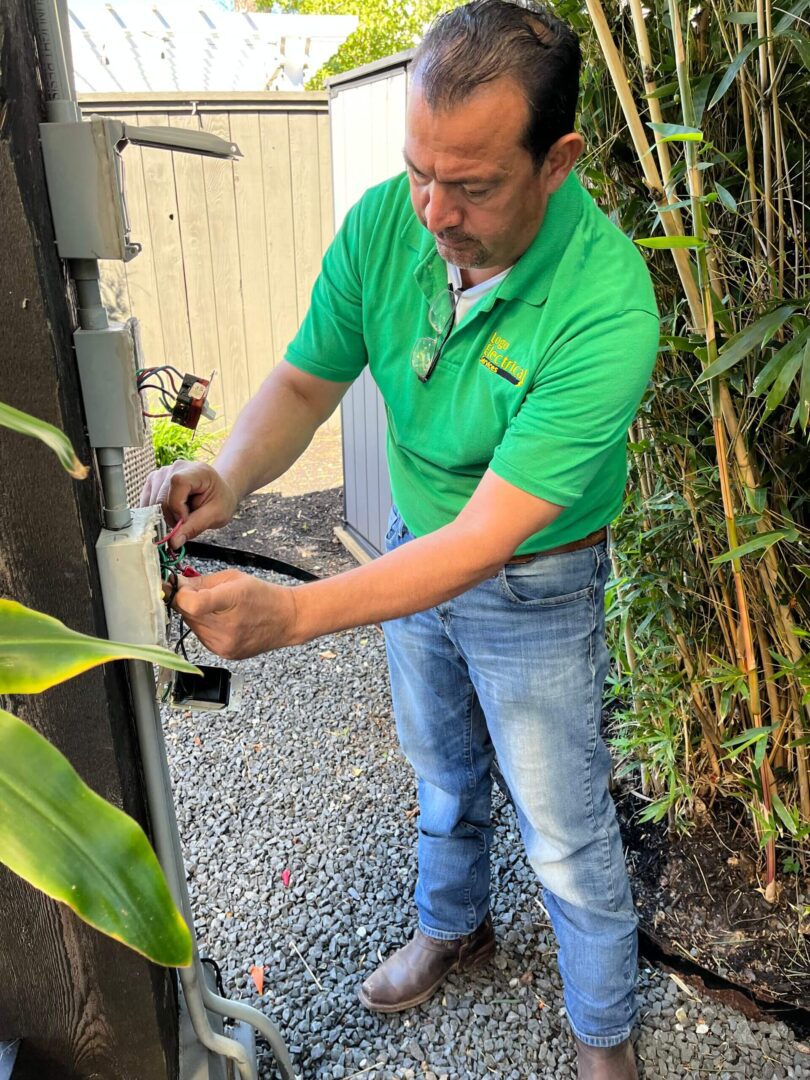
GFCI protection is especially important where electricity and moisture can meet. In a typical home, that includes bathrooms, kitchens, garages, laundry areas, unfinished basements, crawl spaces, outdoor receptacles, and receptacles near sinks or wet locations. Pool and spa equipment, as well as certain outdoor electrical installations, have additional protection requirements.
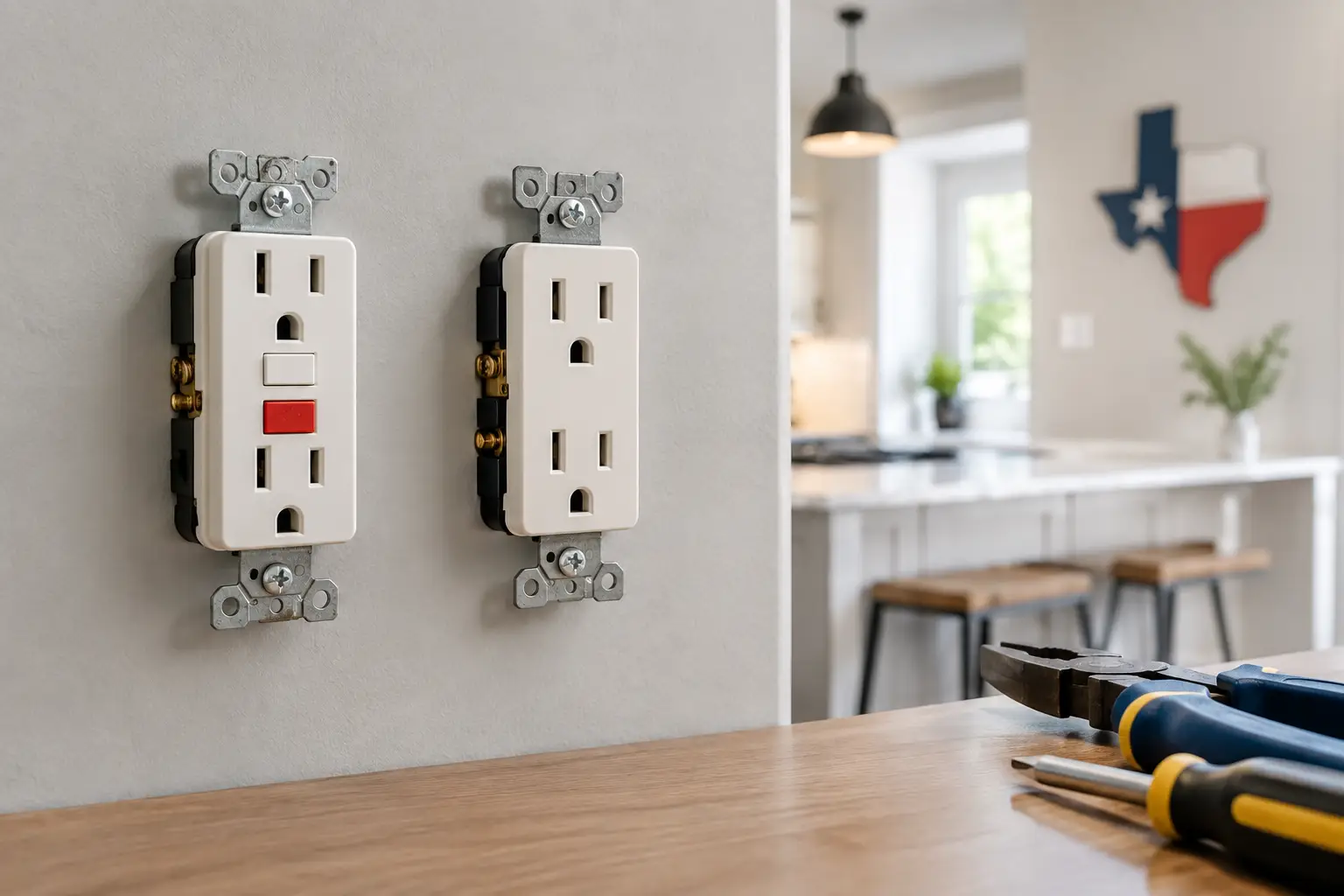
You may see GFCI protection in one of two places. A GFCI receptacle has TEST and RESET buttons right on the outlet. A GFCI breaker is installed in the electrical panel and protects the entire circuit connected to it.
A GFCI outlet can protect downstream outlets on the same circuit when it is wired correctly. That is useful, but it can also make troubleshooting confusing. For example, an exterior outlet may stop working because a GFCI receptacle in the garage, bathroom, or kitchen has tripped.
If a GFCI repeatedly trips, do not treat it as an inconvenience. It may be reacting to moisture, a failing appliance, damaged wiring, or an improperly wired circuit. Resetting it over and over without finding the cause can leave a real safety issue unresolved.
Where AFCI Protection Is Commonly Needed
AFCI protection is commonly required for many 120-volt circuits serving living areas in newer homes and during certain remodels. Bedrooms were among the earliest areas covered by AFCI requirements, but modern electrical codes extend AFCI protection to many rooms where people live and use plug-in equipment.
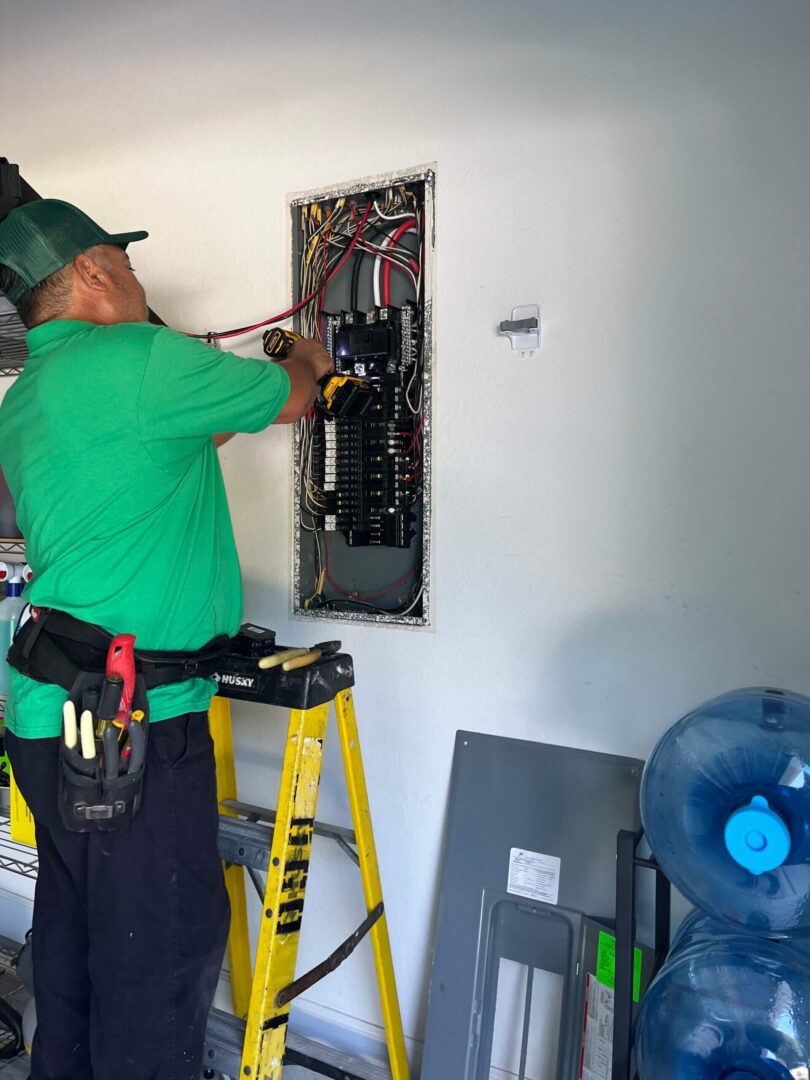
AFCI breakers are most often located in the main electrical panel. Some installations use AFCI receptacles, though panel-based protection is common because it can protect the branch-circuit wiring from the panel outward.
Homeowners sometimes notice AFCI breakers after a panel upgrade because the breakers have a test button and may look different from older standard breakers. They can trip when they detect a legitimate arcing condition, but nuisance tripping can also point to a compatibility problem with an appliance, electronic device, dimmer, motor, or an issue with the circuit itself.
The right response is not to replace an AFCI breaker with a standard breaker just to keep the power on. That can remove required safety protection and may create a code issue. A qualified electrician should identify whether the breaker is responding to a wiring defect, a damaged cord, an overloaded circuit, a faulty device, or another cause.
Can One Circuit Need Both?
Yes. In some locations, a circuit may require both GFCI and AFCI protection. Kitchen receptacle circuits are a common example because they serve a living area while also being close to sinks and countertop appliances.
This can be handled with a dual-function breaker that provides both types of protection. In other cases, the protection may be arranged through a combination of breakers and receptacles, depending on the circuit design, the panel equipment, and applicable code requirements.
The best choice depends on more than the room name. An electrician considers the age of the home, the panel manufacturer and capacity, the circuit wiring method, whether the work is a repair or renovation, and the current code adopted by the local authority. Houston-area jurisdictions can have different permitting and inspection processes, so assumptions based on a neighbor’s home or an online video can lead to the wrong installation.
Why Older Homes Often Raise More Questions
Older homes may have electrical systems installed under earlier code requirements. That does not automatically mean every outlet or breaker must be changed immediately. However, upgrades often trigger new requirements for the circuits being modified.
For example, replacing a panel, adding a kitchen circuit, remodeling a bathroom, finishing a room, or installing new outdoor power may require GFCI, AFCI, or dual-function protection. A modern breaker may also reveal an existing wiring problem that an older standard breaker never detected.
This is one reason electrical work should begin with an accurate evaluation rather than a guess. A breaker that trips after a panel upgrade is not necessarily defective. It may be doing its job by identifying a loose neutral, a shared-neutral wiring issue, a damaged cable, or a problem in a connected device.
Signs You Should Schedule an Electrical Inspection
Some issues need prompt attention, particularly when they involve repeated tripping, heat, odor, or visible damage. Contact a licensed electrician if you notice any of the following:
- A GFCI or AFCI trips repeatedly after you unplug connected devices.
- An outlet, switch, breaker, or electrical panel feels warm or shows discoloration.
- You smell burning plastic, hear buzzing or crackling, or see sparking.
- A breaker will not reset or trips immediately after resetting.
- A recent renovation, appliance installation, or storm-related moisture issue caused new electrical problems.
If there is smoke, fire, active sparking, or a serious shock hazard, move away from the area if it is safe to do so and contact emergency services. Do not touch damaged electrical equipment or standing water near an energized source.
Testing GFCI and AFCI Devices Safely
Most GFCI and AFCI devices include a TEST button. Testing helps confirm that the device can trip, but it does not replace a professional inspection when there is a recurring problem.
For a GFCI receptacle, plug in a small lamp if possible, turn it on, and press TEST. The lamp should turn off, and the RESET button should restore power. For a breaker, pressing TEST should move the breaker to the tripped position. Reset it fully by switching it off before turning it back on.
Do not test an unfamiliar breaker if you rely on that circuit for critical medical equipment, refrigeration, security systems, or other essential loads without planning for the interruption. If a device will not reset, or if you are unsure what circuit it controls, stop and have it evaluated.
The Right Protection Starts With the Right Diagnosis
GFCI and AFCI devices are not optional extras when code requires them. They are active safety components that respond to risks a standard breaker may miss. The proper solution may be as simple as replacing a worn GFCI receptacle, or it may involve repairing a damaged circuit, correcting panel wiring, or installing dual-function protection during an upgrade.
At Logo Electrical Services, our licensed electricians explain what they find, recommend code-compliant options, and provide honest pricing before work begins. If a breaker or outlet in your home is tripping, the safest next step is to have the cause identified before a small warning becomes a larger repair.