A flickering light or a breaker that trips may seem like a small problem, but the cause can begin at the point where power enters your home. This residential service entrance guide helps Magnolia and Houston-area homeowners understand that critical equipment, recognize warning signs, and make informed decisions about repairs or upgrades.
Your service entrance is not a place for guesswork. It involves utility power, high fault current, grounding, permits, and local code requirements. A licensed electrician can inspect the full system, explain what is happening in plain language, and recommend only the work your home actually needs.
What Is a Residential Service Entrance?
The residential service entrance is the electrical pathway that carries power from the utility connection to your main electrical panel. Depending on the home, the utility may supply power overhead from a pole or underground from a transformer or pedestal.
The exact point where utility responsibility ends and homeowner responsibility begins can vary by utility provider and installation type. In general, the service entrance equipment on the home side includes the conductors, meter equipment, disconnecting means, panel, grounding system, and related connections that safely distribute electricity into the house.
This equipment does more than turn the lights on. It must safely carry the electrical demand of your home while providing a way to shut off power during an emergency, repair, or upgrade. It also needs to be sized and installed to meet current electrical code and the requirements of the serving utility.
The Main Parts You May See
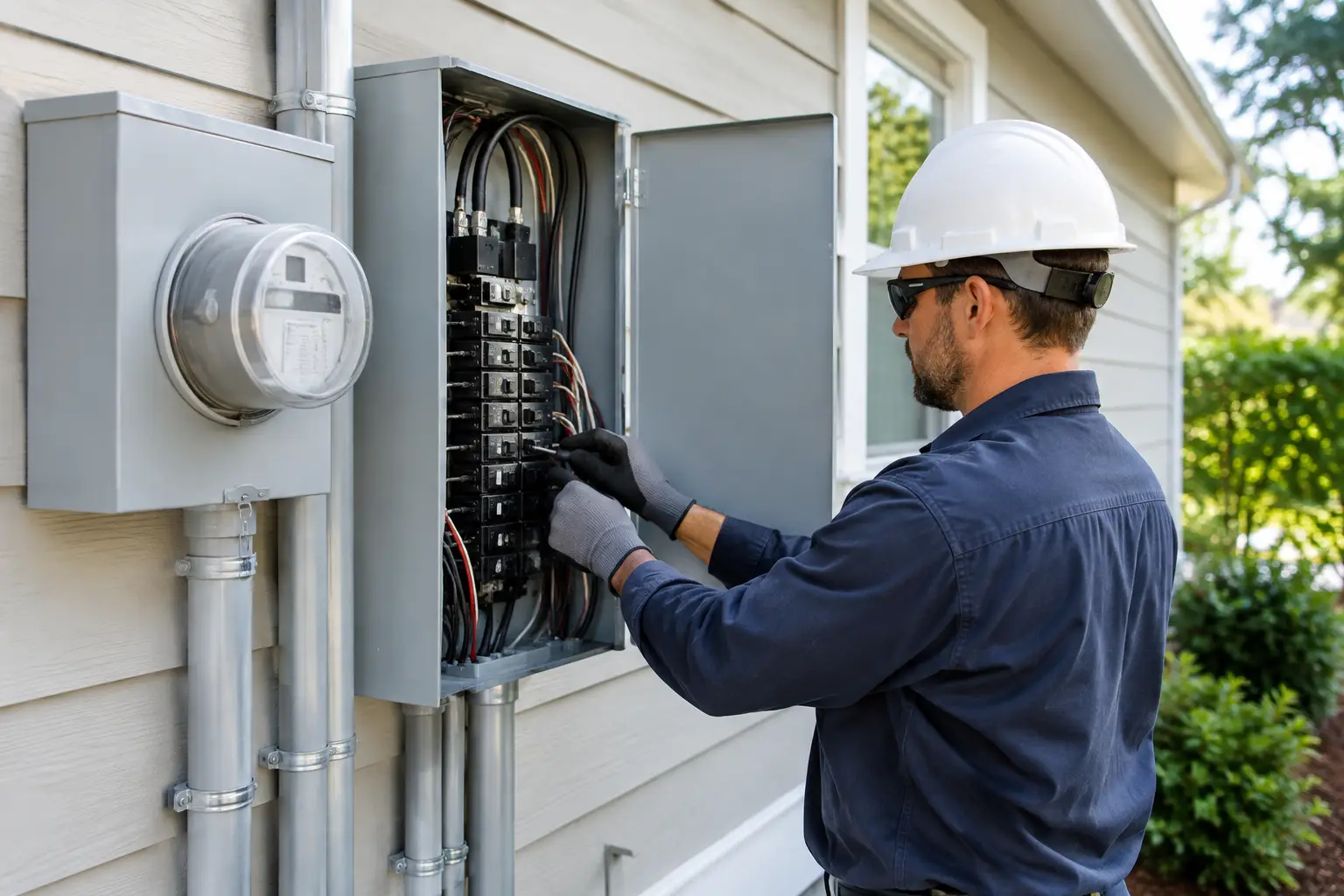
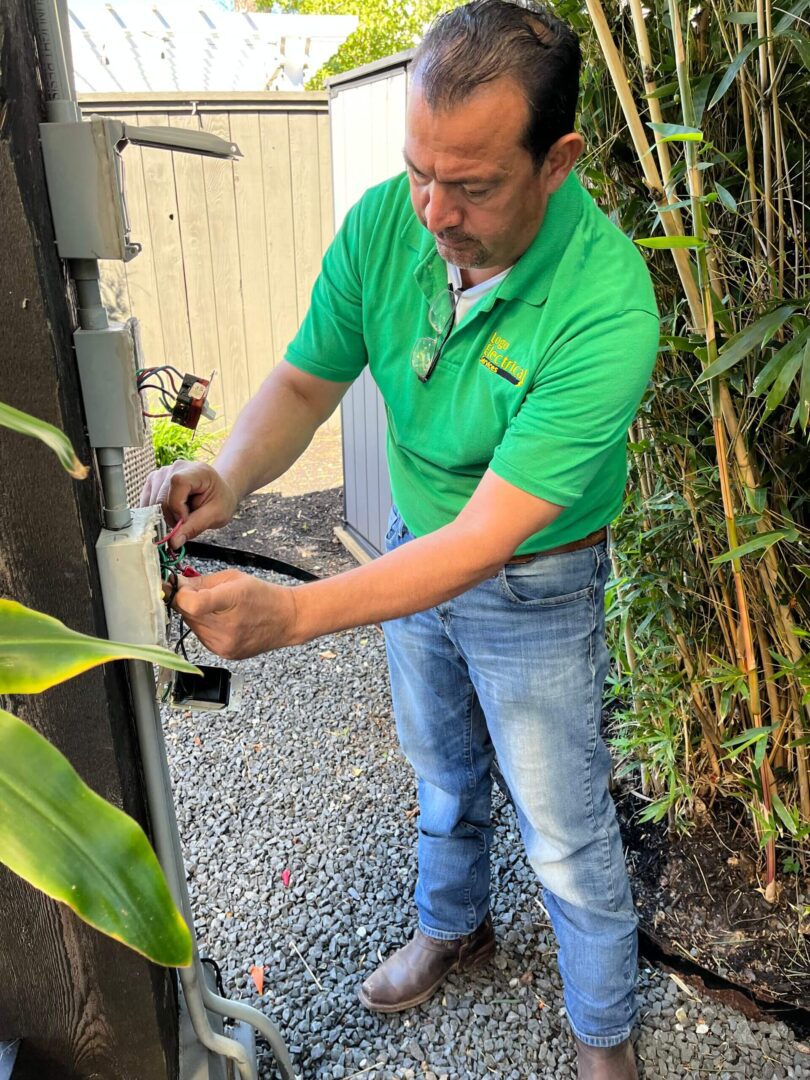
Most homeowners will recognize the meter and main panel, but several components work together behind the scenes. An overhead service often includes the weatherhead, service mast, and service conductors running down to the meter. An underground service may include a conduit rising from the ground into meter equipment or a disconnect.
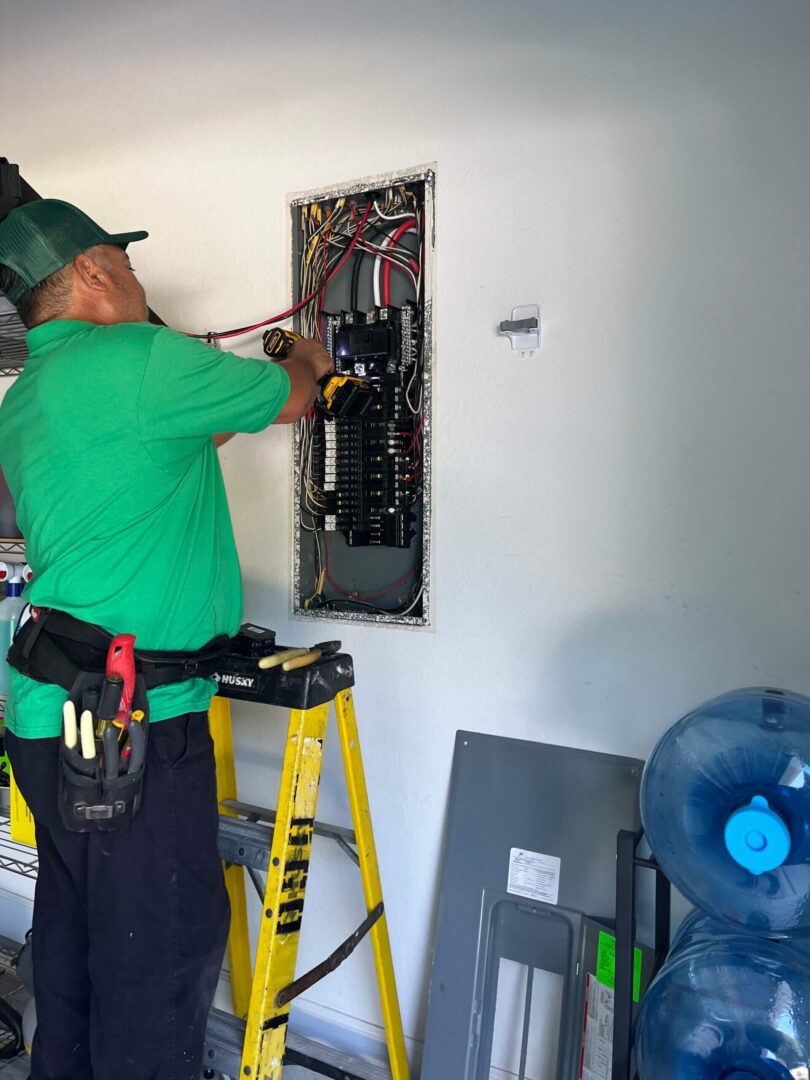
The meter measures the electricity your household uses. From there, power travels through the service equipment to the main breaker panel, where individual circuit breakers protect branch circuits for lighting, outlets, appliances, air conditioning, and other loads.
The grounding and bonding system is equally essential. It creates a controlled path for certain fault conditions and helps stabilize the electrical system. Grounding electrodes may include ground rods, a concrete-encased electrode, or connections to qualifying metal water piping. These details are technical, but they are not optional. A proper ground and bond connection is a major part of electrical safety.
Why Service Entrance Capacity Matters
Many older homes were built when electrical demand looked very different. A home that once operated comfortably on a smaller service may now have central air conditioning, multiple refrigerators, home office equipment, a pool, large kitchen appliances, smart devices, and an EV charger.
A panel with available breaker spaces is not automatically a panel with enough electrical capacity. Capacity depends on the rating of the service equipment, the size of the conductors, the calculated load of the home, and how the system is configured. Adding a high-demand appliance without evaluating those factors can overload equipment or lead to repeated nuisance tripping.
A licensed electrician performs a load calculation before recommending a service upgrade. This calculation considers the home’s square footage, fixed appliances, heating and cooling equipment, cooking equipment, and planned additions. The result may support an upgrade, or it may show that a targeted circuit or panel adjustment is sufficient. Honest recommendations start with the actual load, not a one-size-fits-all sales pitch.
Common Reasons Homeowners Upgrade
Service entrance upgrades are often considered during a major renovation, but they can also be driven by a specific project. An EV charger, standby generator, electric range, hot tub, workshop equipment, or new HVAC system can change a home’s electrical needs.
Some upgrades are prompted by age or safety concerns. Older fuse panels, damaged meter bases, corroded outdoor equipment, obsolete panels, overheated connections, and undersized services deserve professional attention. Insurance requirements and real estate transactions can also expose service entrance issues that need correction before a sale or policy renewal.
An upgrade does not always mean replacing every part of the electrical system. Sometimes the right solution is a new main panel, a meter base replacement, a properly sized feeder, or repairs to an underground service line. The scope depends on the condition of the existing equipment and the demands of the home.
Warning Signs That Need a Professional Inspection
Electrical equipment can deteriorate gradually, especially in the Houston area’s heat, humidity, storms, and changing soil conditions. Outdoor meter and service equipment are exposed to weather year after year, while underground conductors can be affected by water intrusion, landscaping work, or shifting ground.
Call a licensed electrician promptly if you notice burning odors, buzzing from a panel or meter area, visible rust or damage, warm breakers, scorch marks, repeated breaker trips, flickering lights throughout the home, or a main breaker that will not reset. A loose or failing connection at the service equipment can create serious heat and fire risk.
You should also request an inspection after storm damage, a vehicle impact near outdoor equipment, flooding near electrical components, or excavation around underground service lines. Never touch damaged service equipment, exposed wires, or a downed line. Keep people away and contact the utility or emergency services when there is an immediate hazard.
A Residential Service Entrance Guide to Safe Upgrades
A safe service entrance project begins with an on-site evaluation. The electrician inspects the panel, meter equipment, grounding and bonding, visible conductors, and the home’s current and planned electrical loads. They also identify conditions that may affect the job, such as limited panel access, damaged conduit, overhead clearances, or an underground route crossing landscaping or hardscape.
Next comes planning. The electrician determines whether a repair, panel upgrade, service upgrade, or relocation is appropriate. For major work, permits and utility coordination are generally required. The utility may need to disconnect power before equipment is replaced, and the local authority may inspect the work before power is restored.
That process can feel inconvenient because the home may be without power for part of the day. It is also how the work is kept safe and code-compliant. A qualified contractor will explain the anticipated outage, what equipment will be replaced, any homeowner preparation needed, and the likely timeline before the project begins.
Overhead vs. Underground Service
Overhead and underground service both deliver utility power safely when installed correctly, but their maintenance concerns differ. Overhead service equipment is easier to see, which can make visible damage more apparent. It is also exposed to wind, falling limbs, and weather.
Underground service can offer a cleaner appearance and avoid overhead exposure, but troubleshooting may require more investigation. Conduit condition, conductor damage, water entry, and buried route accessibility all matter. If you are planning a driveway, fence, pool, landscaping, or detached structure, identify underground electrical routes before digging.
Neither option is automatically better for every property. Existing utility infrastructure, lot layout, local requirements, cost, and the condition of the current installation all affect the practical choice.
Do Not Treat the Meter or Main Panel as DIY Equipment
Homeowners can safely do a few basic things, such as keep the panel area accessible, label circuits accurately, and watch for changes in equipment condition. They should not remove meter seals, pull a meter, open energized service equipment, or attempt to add service conductors.
Even turning off a main breaker may not de-energize all portions of the service equipment. Parts of the system can remain live ahead of the main disconnect. The available fault current at a service entrance is far greater than on a typical household circuit, which is why specialized training, protective equipment, and established safety procedures matter.
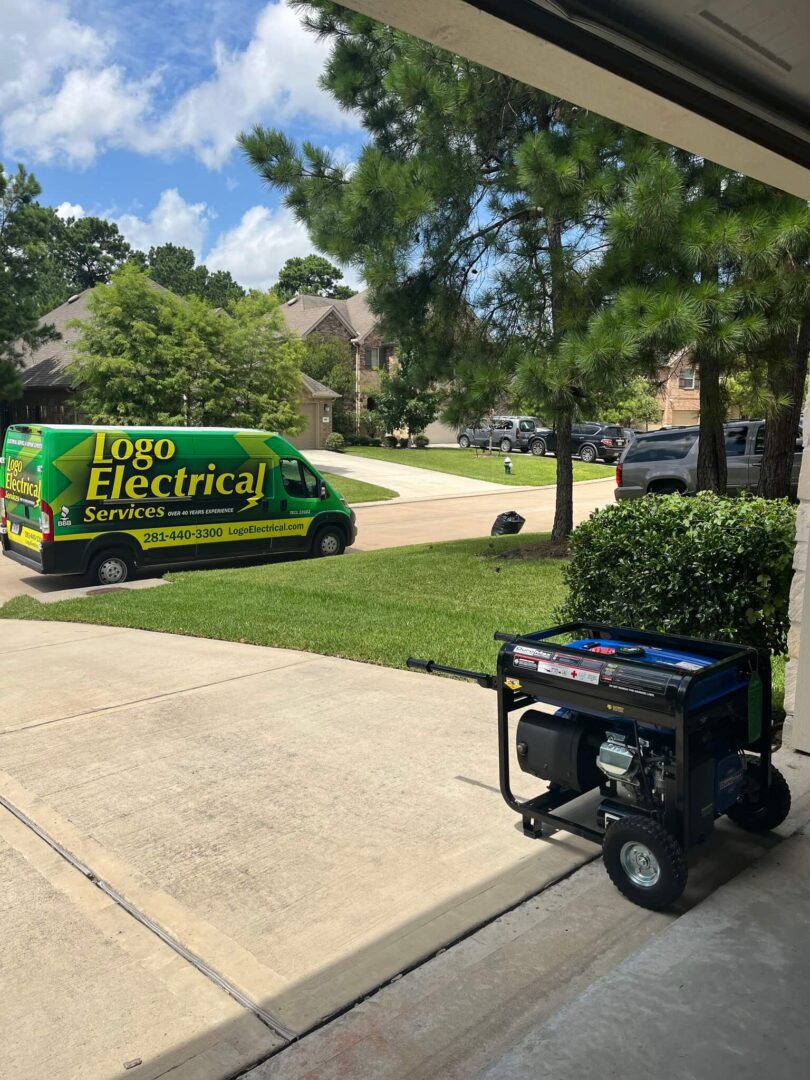
For homeowners considering a generator or EV charger, professional planning is especially valuable. A generator requires correctly selected transfer equipment and safe separation from utility power. An EV charger may need a dedicated circuit, load management, or service capacity upgrade. Both projects should fit the home’s electrical system rather than strain it.
Choosing the Right Electrician for Service Work
Service entrance work affects the safety and reliability of the entire house, so credentials and communication should guide your decision. Choose a licensed electrical contractor who can evaluate the complete system, explain the scope clearly, obtain required permits, and coordinate with the utility when needed.
Ask what is included in the estimate, whether the quoted work addresses grounding and bonding requirements, how long the power interruption may last, and whether the contractor will arrange inspections. Clear answers help prevent surprises and give you a realistic understanding of the project.
Logo Electrical Services brings more than 45 years of industry experience to residential electrical work in Magnolia and surrounding communities. The goal is straightforward: diagnose accurately, price honestly, and complete service work safely so your home is ready for the way your family uses power now and in the years ahead.
If your home is showing electrical warning signs or you are planning an upgrade, schedule an evaluation before a small concern becomes an urgent repair. A careful inspection today can give you a safer, more dependable electrical foundation for every project that comes next.