A flickering light or a breaker that trips once may seem like a small annoyance. In an older home, however, those moments can be early signs that the electrical system is carrying more demand than it was designed to handle. This electrical safety upgrades list helps Magnolia-area homeowners identify the improvements that can reduce risk, support modern appliances, and make daily life more dependable.
The right upgrade depends on your home’s age, electrical capacity, recent renovations, and future plans. A licensed electrician can inspect the system, explain what is urgent versus optional, and provide clear pricing before work begins. That matters because electrical safety is not a place for guesses or temporary fixes.
Electrical Safety Upgrades List: Start With the Main System
Replace an outdated or overloaded electrical panel
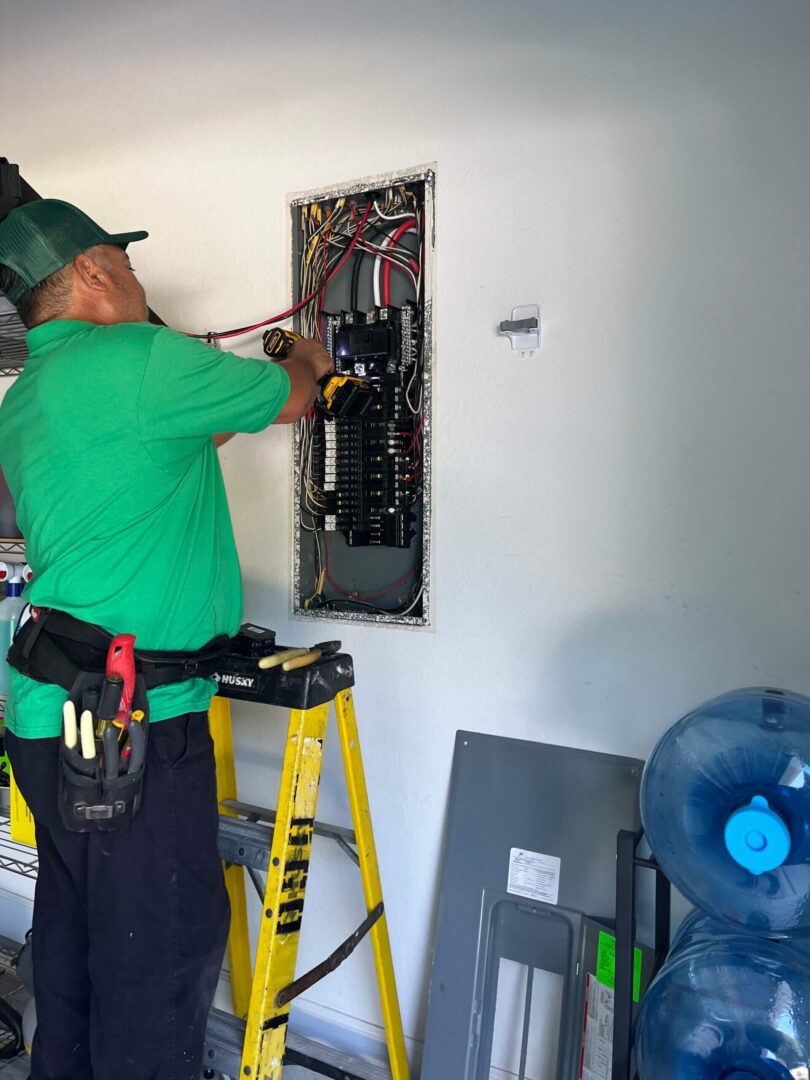
Your electrical panel distributes power throughout the house and protects wiring through circuit breakers. If it is undersized, outdated, damaged, warm to the touch, or repeatedly tripping, it deserves prompt professional attention. Homes with older fuse boxes, panels affected by known safety concerns, or insufficient capacity for current electrical use may need a replacement or service upgrade.
A modern panel provides room for dedicated circuits and helps your electrician safely support additions such as an EV charger, electric range, pool equipment, workshop tools, or a generator connection. A panel upgrade is a larger investment than replacing an outlet, but it often solves the underlying capacity issue rather than treating the symptom. The needed panel size depends on a load calculation, not simply the number of breakers already installed.
Add whole-home surge protection
Surges do not come only from lightning. Utility switching, outages, large motors, and everyday changes in power demand can send voltage spikes through your home. Plug-in power strips offer limited protection at individual outlets, while a professionally installed whole-home surge protector helps defend the electrical system at its entry point.
This upgrade is especially sensible for homes with smart appliances, HVAC equipment, TVs, computers, security systems, and connected devices. It does not guarantee that every electronic device will survive every event, particularly a direct lightning strike, but it adds a valuable layer of protection that most homes should consider.
Correct grounding and bonding problems
Grounding and bonding give unwanted electrical current a safe path and help protective devices operate correctly. Improper grounding can be difficult for a homeowner to spot, yet it can affect everything from outlet safety to surge protection performance.
An electrician may find concerns at the service equipment, grounding electrode system, water piping bond, or individual branch circuits. This work should follow current code requirements and the specific conditions of the property. It is not a project to handle with a store-bought tester and a quick online tutorial.
Protect People Where Water and Electricity Meet
Install or update GFCI protection
Ground-fault circuit interrupter, or GFCI, protection is designed to shut off power quickly when it detects an unsafe imbalance in electrical current. It is commonly required in places where moisture is more likely, including kitchens, bathrooms, garages, laundry areas, unfinished spaces, outdoor locations, and near pools or spas.
Older homes may have outlets near sinks or outdoors that lack proper GFCI protection. A GFCI outlet with test and reset buttons may be one solution, though protection can also be provided by a GFCI breaker or by a properly wired device upstream. The best approach depends on how the circuit is configured.
Test existing GFCIs periodically using the test button, but do not assume a button alone means the device is working correctly. If an outlet will not reset, trips frequently, feels loose, or shows damage, schedule an inspection.
Upgrade damaged, loose, or ungrounded outlets
Loose outlets, cracked cover plates, scorch marks, buzzing, and plugs that fall out are all reasons to call a licensed electrician. These issues can signal worn devices, loose connections, or overheating behind the wall.
Two-prong outlets deserve special attention in older homes. Replacing them with three-prong receptacles without verifying grounding can create a false sense of security. There are code-compliant ways to improve protection in older wiring, but the correct solution depends on what is present behind the walls. An electrician can explain whether rewiring, GFCI protection, or another approved option makes sense.
Reduce Hidden Wiring Risks
Add AFCI protection where appropriate
Arc-fault circuit interrupter, or AFCI, protection is intended to detect dangerous arcing that can occur when wiring or connections are damaged. Arcing may happen inside walls, ceilings, cords, or electrical boxes, where it can go unnoticed until it causes serious damage.
AFCI breakers are common in newer homes and may be recommended when renovating, extending circuits, or addressing certain electrical conditions in an older property. They can occasionally trip because of an appliance issue or a wiring problem, so repeated trips should be diagnosed rather than bypassed. Replacing an AFCI breaker with a standard breaker to stop nuisance tripping can remove an important safety feature.
Replace aging or unsafe wiring
Older wiring does not automatically mean a home is unsafe. Its condition, capacity, modifications, and insulation type all matter. Still, certain warning signs call for a professional evaluation: frequent breaker trips, dimming lights, burning odors, warm switches, aluminum branch wiring, cloth-insulated wiring, exposed conductors, or circuits with extensive extension-cord use.
Rewiring can be disruptive, especially in an occupied home, so it is often phased around renovations or focused first on the highest-risk areas. A good electrical contractor will help prioritize work honestly. You may not need to rewire every room at once, but you should not ignore evidence of deteriorated wiring or unsafe connections.
Provide dedicated circuits for major equipment
Large appliances and high-demand equipment should not compete with general-purpose outlets. Dedicated circuits help prevent overloads and reduce the chance of recurring tripped breakers. Common examples include HVAC equipment, dryers, ranges, refrigerators, microwaves, disposal units, garage tools, hot tubs, and EV chargers.
If a breaker trips when you run a space heater, air fryer, hair dryer, or window unit, the answer may be a new circuit rather than a larger breaker. Installing an oversized breaker on wiring that cannot safely carry the load is dangerous. The wire size, circuit design, and equipment requirements must all match.
Plan for Safer Power During Storms and Outages
Install a properly designed generator connection
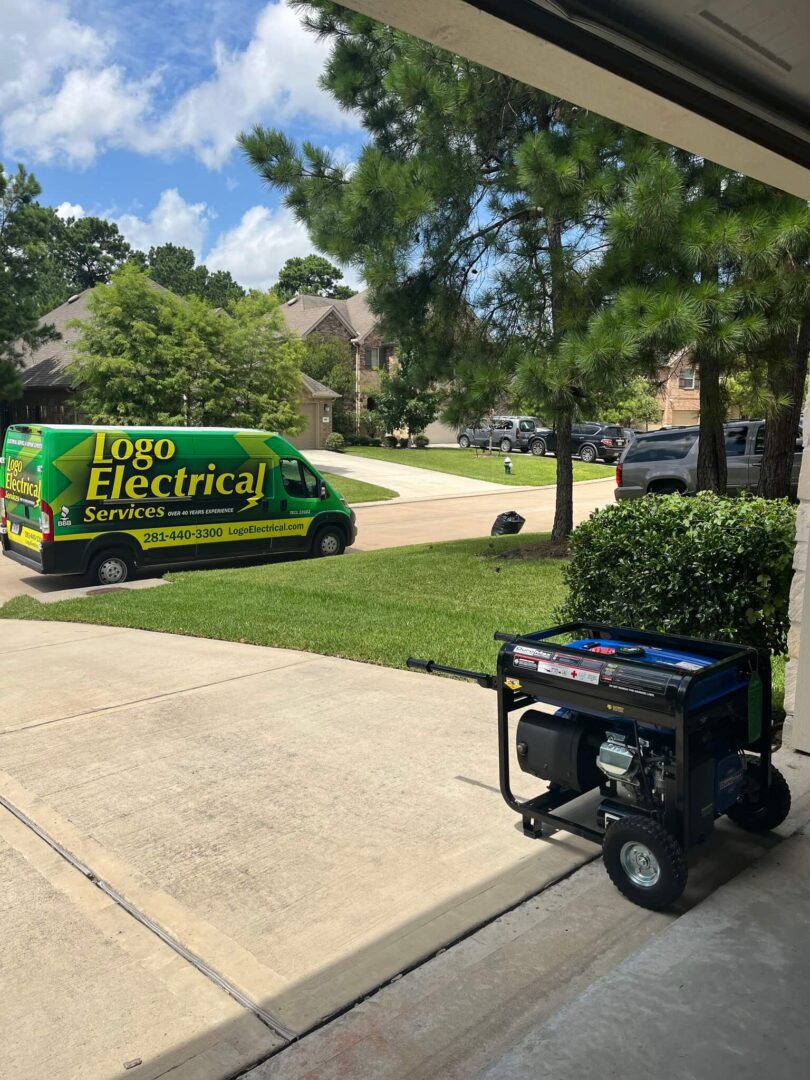
Portable generators and standby generator systems can provide valuable backup power during Texas storms and utility outages. They also create serious risks when connected incorrectly. Never run a portable generator in a garage, near doors or windows, or in any enclosed area. Carbon monoxide is deadly, and an outdoor generator still needs adequate clearance and proper placement.
A professionally installed transfer switch or interlock system allows selected circuits to receive generator power without backfeeding electricity onto utility lines. Backfeeding can injure utility workers, damage equipment, and create fire hazards. A licensed electrician can help determine whether you need essential-circuit backup, whole-home standby power, or generator-ready infrastructure for a future installation.
Improve exterior lighting and outdoor electrical equipment
Well-placed exterior lighting improves visibility at entryways, driveways, walkways, gates, and patios. It can also help family members avoid trips and falls after dark. Motion-sensor lighting and properly installed security lighting are practical additions, particularly for larger lots and detached garages common around Magnolia.
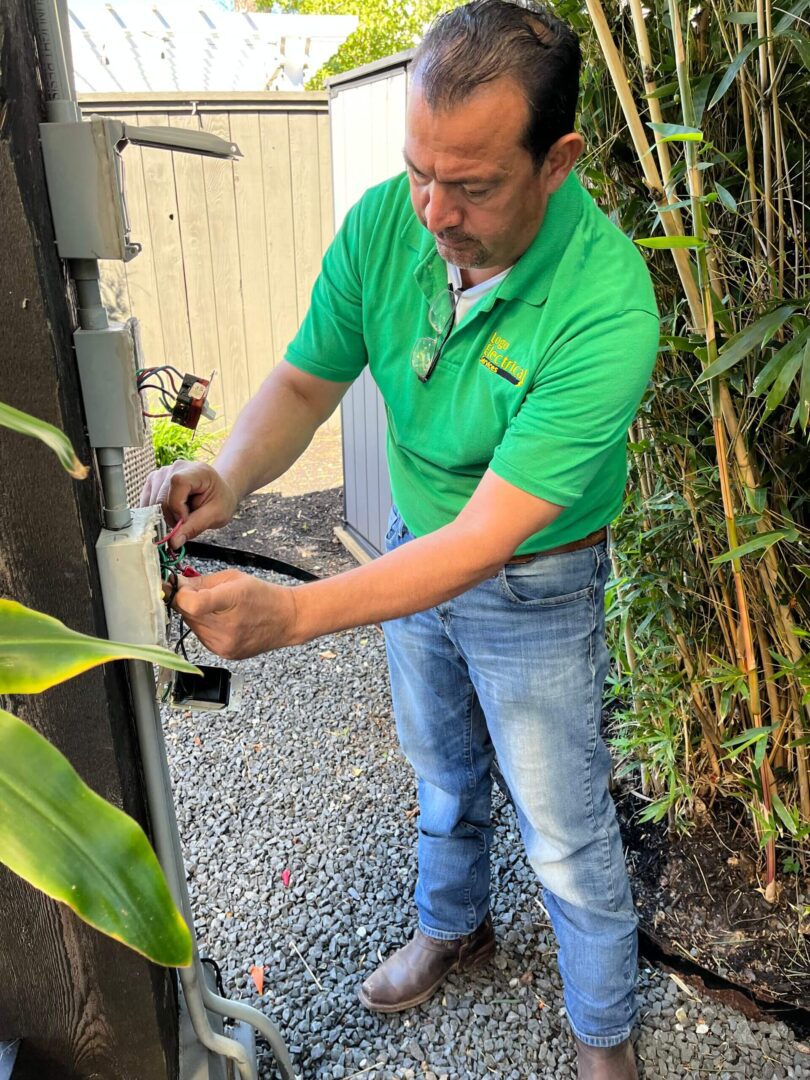
Outdoor outlets, fixtures, junction boxes, and wiring need weather-rated materials and correct covers. A loose exterior receptacle cover or exposed wire is not merely cosmetic in humid weather. Have it repaired before moisture creates a larger problem.
When to Move an Upgrade to the Top of the List
Some electrical projects can be planned around a remodel or future purchase. Others should be evaluated quickly. Call for professional service if you notice a burning smell, smoke, sparks, a hot panel, repeated breaker trips, buzzing from an outlet or panel, shocks or tingling when touching equipment, or water around electrical components. Turn off power to the affected area if it can be done safely, and do not continue using the equipment until it has been inspected.
For proactive work, start with a home electrical assessment. A licensed electrician can review the panel, grounding, outlets, protection devices, major loads, and visible wiring conditions, then organize recommendations by safety priority. Logo Electrical Services brings more than 45 years of industry experience to help homeowners make informed, code-compliant decisions without pressure.
A safer electrical system is built one sound decision at a time. Whether your home needs a small protection upgrade or a panel designed for the years ahead, choose work that addresses the real condition of the system and gives your family confidence every time the power comes on.