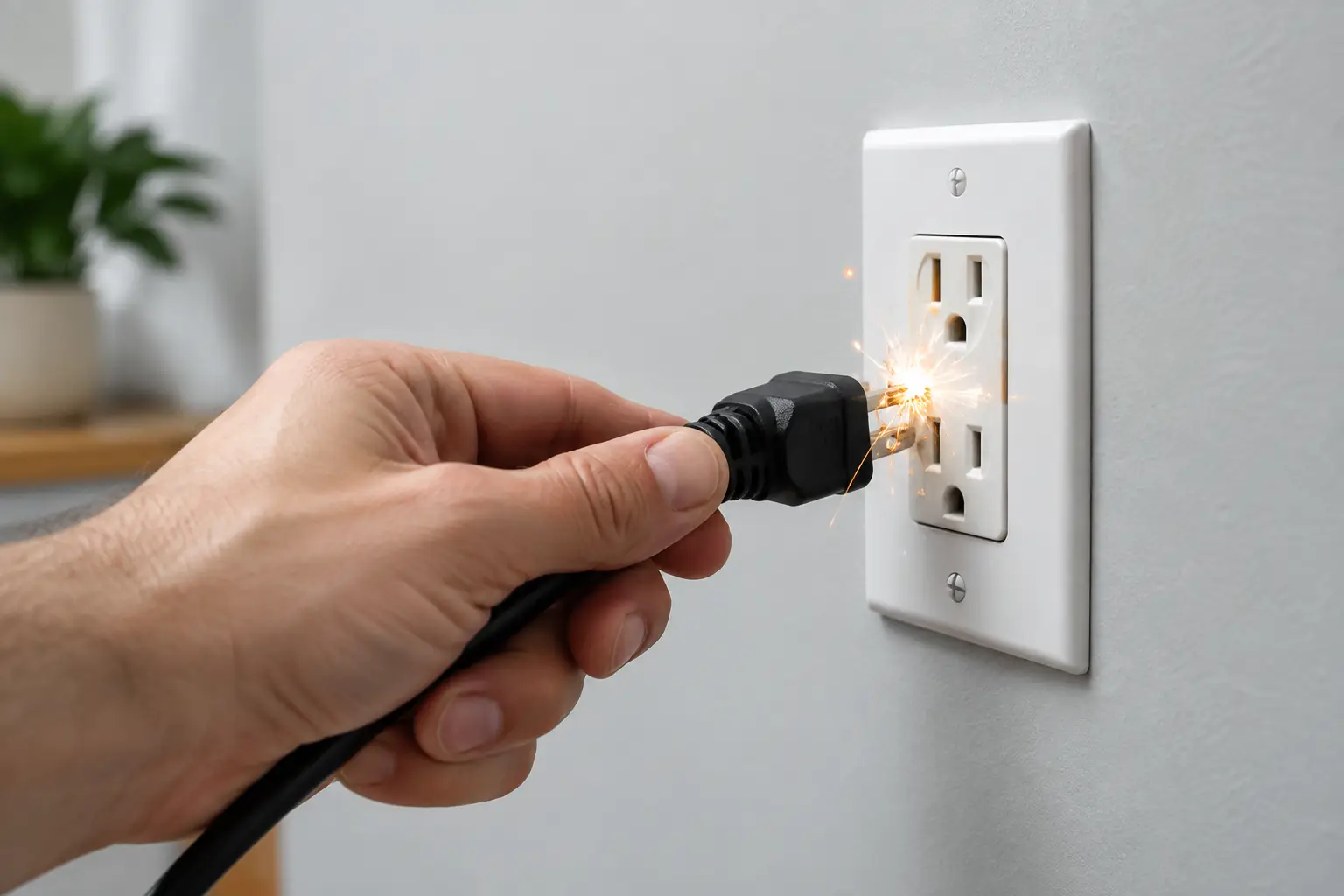
A spark at an outlet can be as small as a quick blue flash when you plug something in, or it can come with popping sounds, heat, or a burning smell. Those situations are not equal. Understanding outlet sparking causes helps you recognize when a brief connection spark is expected and when your home may need an electrical repair right away.
For Magnolia and Houston-area homeowners, the safest approach is simple: do not ignore repeated sparking, discoloration, loose plugs, or any outlet that feels warm. Electrical problems can worsen behind the wall long before there is visible damage.
When Is a Spark From an Outlet Normal?
A tiny, momentary spark can occur when a plug makes contact with a live outlet. This is most common with devices that draw power immediately, such as lamps, phone chargers, televisions, power tools, or appliances with motors. The spark should be brief, small, and infrequent. There should be no crackling sound, odor, heat, or mark on the outlet.
Even then, make a habit of turning a device off before plugging it in or unplugging it. This reduces the electrical load at the moment the prongs connect and helps protect both the plug and receptacle over time.
A larger spark, a spark that happens every time, or a spark that seems to come from inside the outlet is not something to write off as normal. Stop using that outlet until a licensed electrician can determine what is happening.
Common Outlet Sparking Causes
Several conditions can create sparking at a receptacle. Some involve the outlet itself, while others begin with the cord, appliance, circuit, or wiring behind the wall. A proper diagnosis matters because replacing the visible outlet alone may not address the real source of the problem.
Loose or Worn Outlet Connections
Outlets wear out. If a plug slides in easily, droops, or falls out, the internal metal contacts may no longer grip the plug prongs firmly. A loose connection creates resistance, and resistance produces heat. As electricity jumps across a poor connection, it can arc and spark.
This is one of the more common outlet sparking causes in older homes and in outlets that see frequent use, such as kitchen, laundry room, garage, and living room receptacles. The outlet may look fine from the outside while its internal parts are worn or damaged.
Loose Wiring Behind the Receptacle
An outlet can also spark because wire connections behind it have loosened. Wires may be secured to side screws, pushed into rear connection holes, or joined within the electrical box. Over time, movement, heat cycles, aging components, or a previous improper installation can affect those connections.
Loose wiring can cause intermittent power, flickering lights on the same circuit, buzzing, or a warm cover plate. Because the problem is inside the wall box, this is not a repair to attempt by tightening a visible screw or installing a new cover plate. The circuit must be safely tested and repaired by a qualified professional.
Damaged Plugs, Cords, or Appliances
Sometimes the outlet is not the failing component. Bent plug prongs, cracked insulation, frayed cords, or a damaged appliance can create a poor connection and cause a spark when plugged in. If sparking happens only with one device, unplug that device and inspect its cord and plug after it has been disconnected from power.
Do not keep testing a questionable appliance in different outlets. Repeatedly plugging in damaged equipment can harm additional outlets and increase the chance of an electrical shock or fire. A qualified appliance repair technician may be appropriate for the device, while an electrician should check any outlet that shows signs of heat or damage.
Overloaded Circuits and Power Strips
A power strip does not create more available electrical capacity. It simply allows multiple devices to share one outlet and one circuit. Space heaters, portable air conditioners, microwaves, hair tools, refrigerators, and power tools can draw significant power, especially at startup.
Overloading can heat wiring and connections, leading to tripped breakers, damaged receptacles, or sparking. Extension cords and inexpensive multi-plug adapters can add another weak point. High-demand equipment should be connected to a properly sized circuit, not daisy-chained through strips or extension cords.
Moisture or Outdoor Exposure
Water and electricity are a dangerous combination. Moisture around a kitchen counter outlet, bathroom receptacle, garage outlet, patio outlet, or exterior cover can lead to arcing and corrosion. Humidity, driving rain, irrigation, and condensation can all affect outdoor electrical equipment in the Houston area.
If an outlet is wet, do not touch it or plug anything into it. Turn off the circuit at the breaker only if you can do so without approaching standing water or a wet electrical area. Then arrange for an electrician to inspect the outlet, box, cover, and ground-fault protection.
Improper Installation or Aging Electrical Systems
Older homes may have worn receptacles, outdated wiring methods, insufficient grounding, or circuits that were not designed for modern electrical use. A renovation can also reveal an installation issue if outlets were added incorrectly or connections were made without proper boxes and fittings.
Newer homes are not automatically exempt. Poor workmanship, loose terminations, or unsuitable devices can create problems at any age. A licensed electrician can evaluate the outlet in the context of the whole circuit, including grounding, breaker protection, wire condition, and load requirements.
Warning Signs That Require Immediate Attention
Turn off the affected circuit at the electrical panel and avoid using the outlet if you notice any of the following:
- A burning smell, smoke, sizzling, buzzing, or repeated popping sounds
- A warm, hot, discolored, cracked, or melted outlet cover or plug
- A spark that is large, bright, frequent, or continues after the plug is inserted
- A breaker that trips repeatedly or lights that flicker when equipment is used
- An outlet that has been exposed to water or has visible corrosion
If there is smoke, flames, or an active electrical fire, get everyone out of the home and call 911. Do not use water on an electrical fire. If it is safe to do so, turning off power at the main breaker may help, but personal safety comes first.
What You Can Do Before an Electrician Arrives
Once you have stopped using the outlet, take a few safe, practical steps. Unplug devices only if the outlet is cool, dry, and there are no signs of active arcing. Switch off the corresponding breaker if you can identify it confidently. Leave a note on the panel so no one turns the circuit back on by mistake.
Avoid removing the outlet cover, pushing a plug in harder, spraying cleaners into the receptacle, or trying to tighten wiring yourself. Those actions can expose you to energized parts or hide evidence that helps identify the problem. If possible, note which device was connected, whether the breaker tripped, and whether nearby outlets or lights were affected. That information gives the electrician a useful starting point.
How a Licensed Electrician Finds the Actual Problem
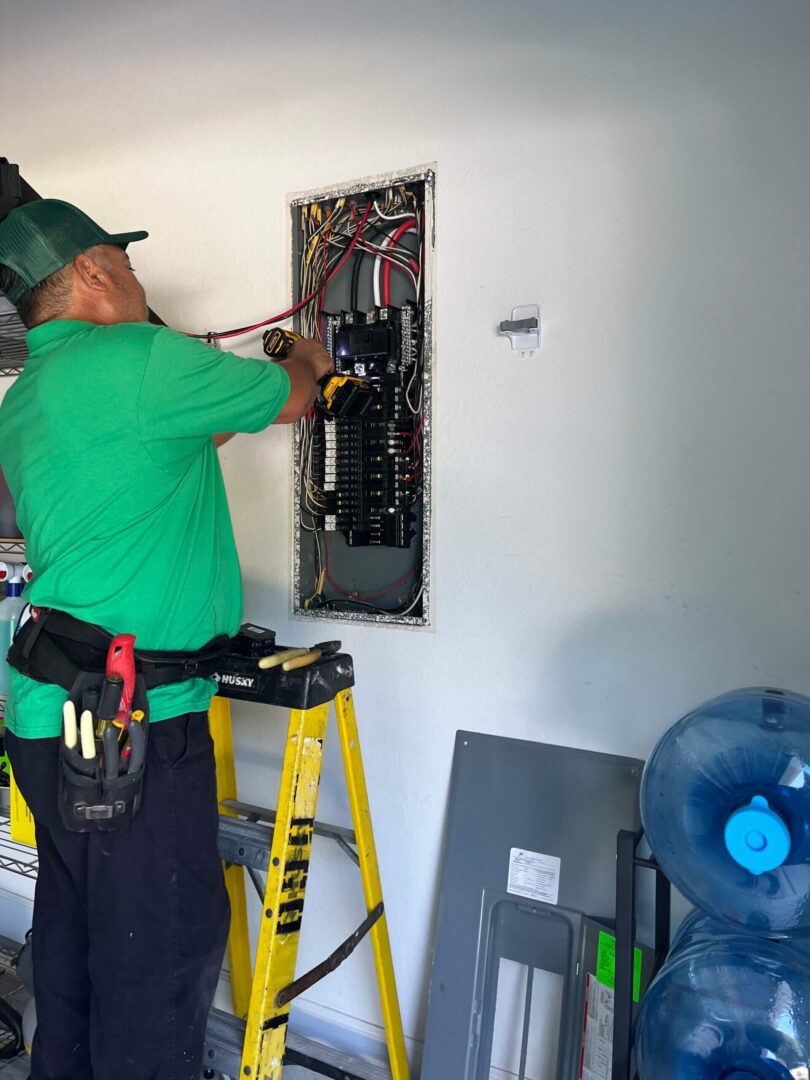
A professional inspection should go beyond swapping out an outlet. The electrician will check the receptacle for wear and heat damage, inspect wiring connections, verify grounding and polarity, and test the circuit for voltage issues. They may also check the breaker, connected outlets, load on the circuit, and the condition of the appliance involved.
The right repair depends on the finding. It could be a receptacle replacement, a wiring connection repair, a new dedicated circuit, GFCI protection, an outdoor weatherproof upgrade, or a panel and circuit evaluation. Honest recommendations should address the safety issue without pushing unnecessary work.
Preventing Future Outlet Problems
Use outlets as they were intended. Plug high-demand appliances directly into wall outlets when possible, replace damaged cords promptly, and do not force loose plugs into a receptacle. Test GFCI outlets periodically using their test and reset buttons, particularly in kitchens, bathrooms, garages, laundry areas, and outdoor spaces.
If your home has frequent breaker trips, limited outlets, two-prong receptacles, or an older panel, a proactive electrical assessment can prevent a small warning sign from becoming a larger repair. Whole-home surge protection and properly planned dedicated circuits can also reduce stress on sensitive electronics and heavily used areas of the home.
A sparking outlet is your home asking for attention. When the cause is unclear or any warning sign is present, Logo Electrical Services can provide a careful, code-compliant inspection and explain the repair in plain language before work begins.