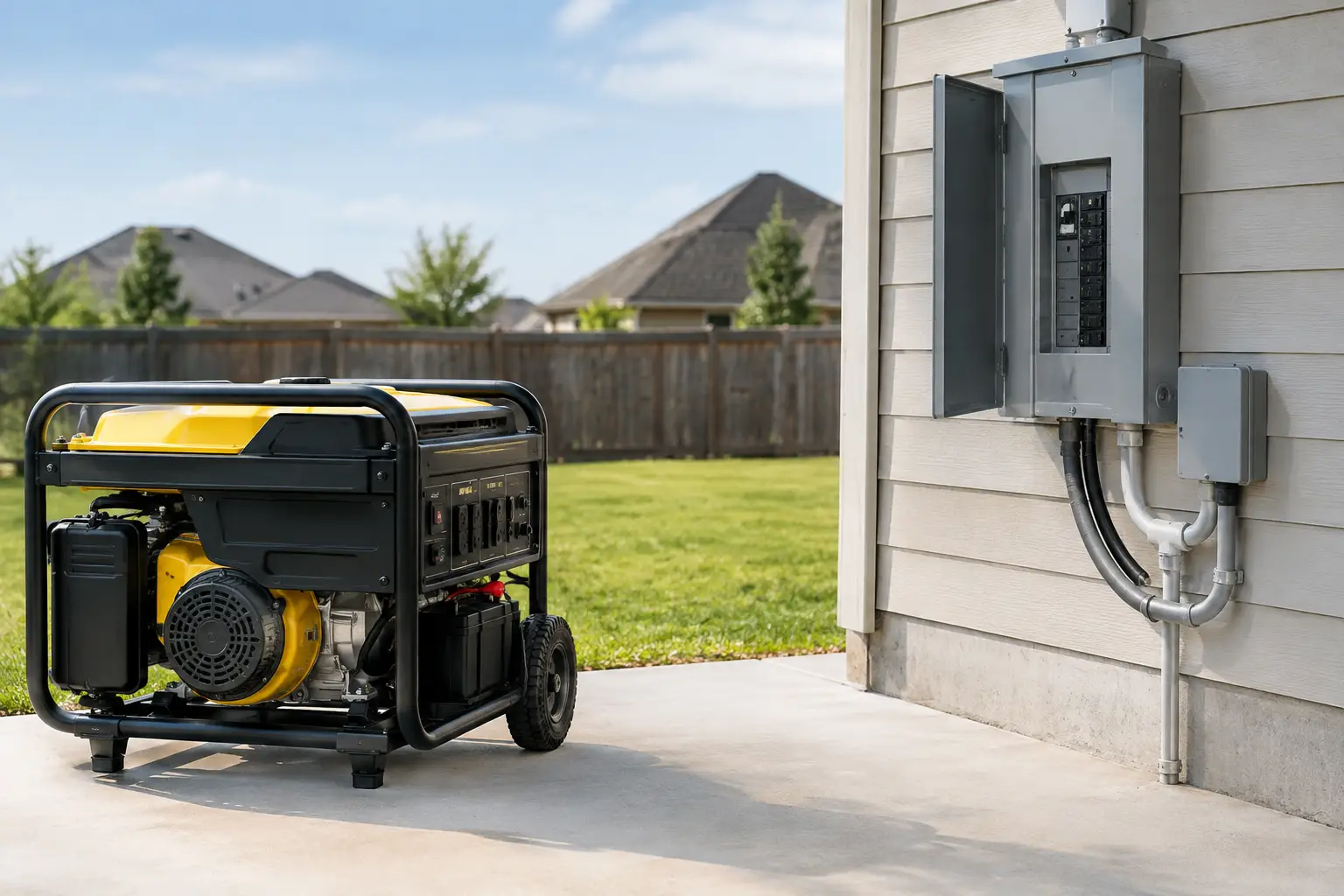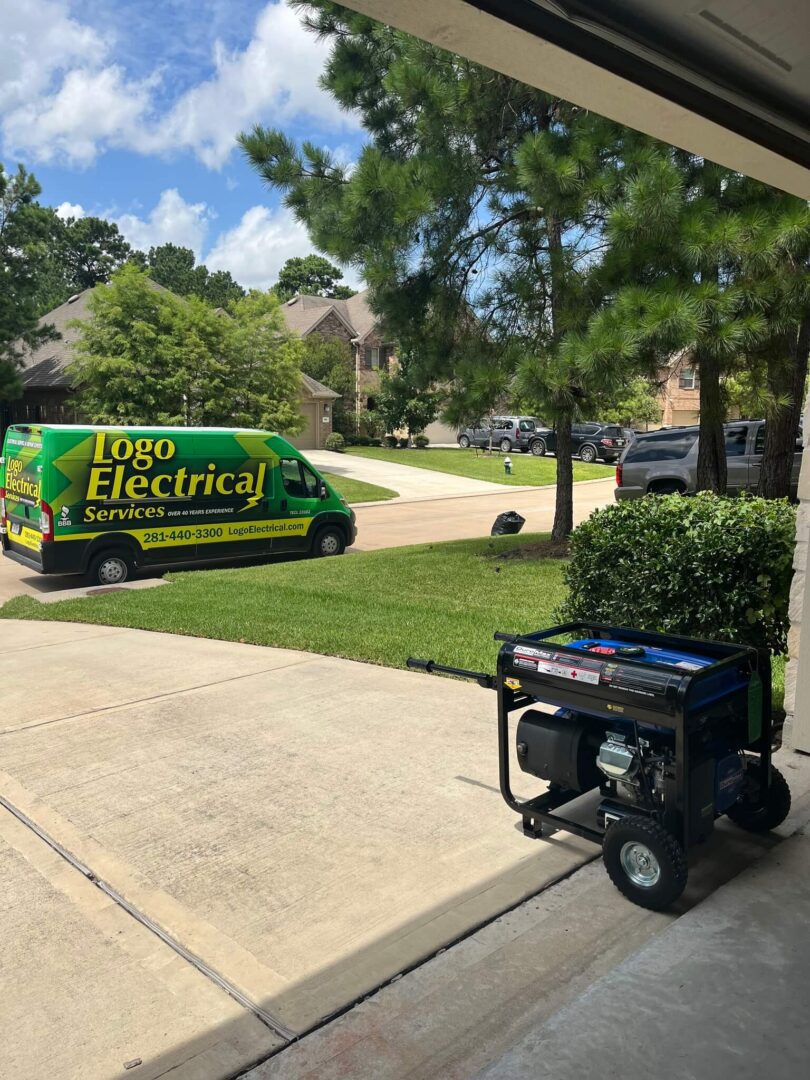
When a Houston-area storm takes out power for hours or days, a portable generator can keep a refrigerator cold, preserve medications, run a well pump, or power a few essential lights. This portable generator interlock review looks at the part many homeowners overlook: the safe, code-conscious connection between that generator and the electrical panel.
An interlock kit is not a generator. It is a mechanical safety device installed on a specific electrical panel that prevents the main utility breaker and generator breaker from being on at the same time. Used correctly, it lets a portable generator supply selected household circuits without extension cords running through windows or across wet floors.
For many homes in Magnolia and the greater Houston area, an interlock can be a practical backup-power option. It is not right for every panel, every generator, or every family’s expectations. The details matter.
What a Portable Generator Interlock Does
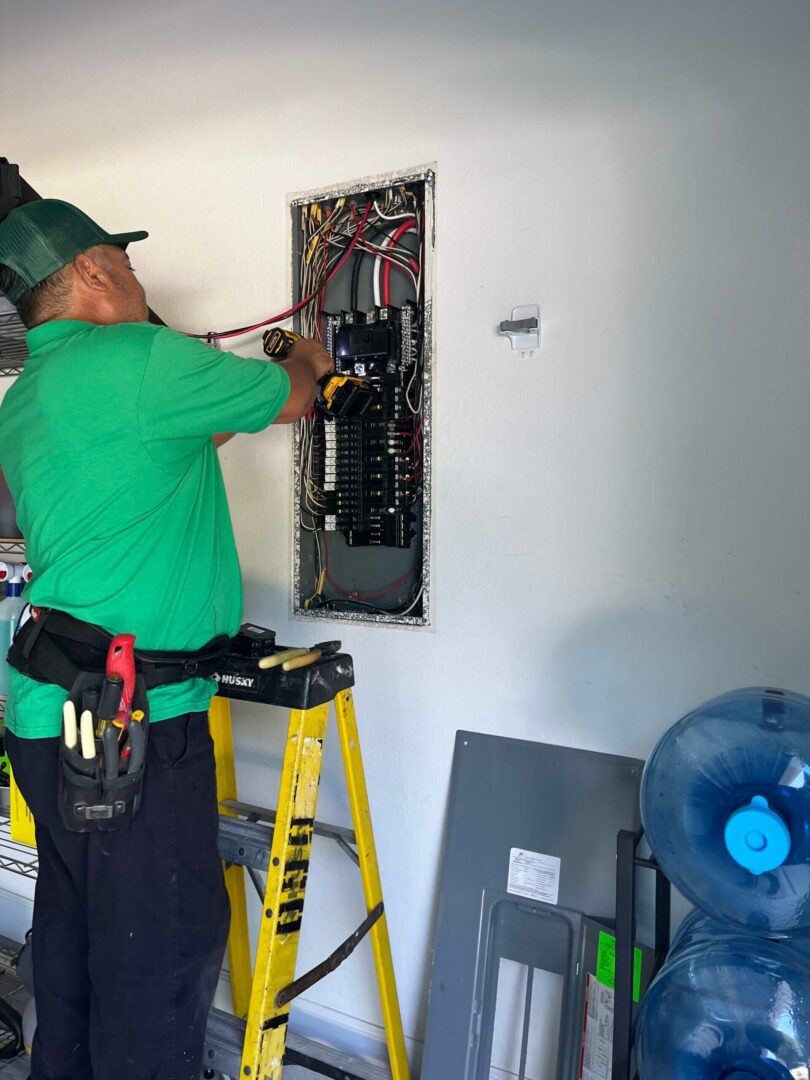
A generator interlock is a metal sliding plate or locking mechanism designed for one compatible breaker panel. During normal operation, the plate allows the main breaker to remain on. When utility power fails, the homeowner turns the main breaker off, moves the interlock into place, and can then turn on the dedicated generator breaker.
That sequence matters because it prevents generator power from traveling backward through the utility lines. Backfeeding can seriously injure utility workers, damage equipment, and create a fire hazard. A properly selected and installed interlock makes the safe switching sequence physical, visible, and much harder to bypass by mistake.
The interlock works with other required equipment, including a properly sized generator inlet box, wiring between the inlet and panel, and a generator breaker. The generator plugs into the exterior inlet with an appropriate generator cord. It should never be connected through a dryer outlet, a homemade cord, or any arrangement that energizes the home wiring without a listed transfer method.
Portable Generator Interlock Review: The Advantages
The strongest reason to consider an interlock is that it provides a safer, more convenient alternative to extension cords. Once installed, the generator can power selected circuits through the home’s existing wiring. That can include refrigeration, a gas furnace blower, a well pump, some lighting, internet equipment, garage doors, or a few outlets, depending on the home’s panel layout and the generator’s capacity.
An interlock is also typically less expensive than a full manual transfer switch installation. The equipment is simpler, and it uses the existing panel rather than adding a separate transfer panel. For homeowners who experience occasional outages and already own a portable generator, this can be a sensible way to improve preparedness without investing in a permanently installed standby generator.
Flexibility is another benefit. With an interlock, you are not limited to a small set of preselected circuits in a separate panel. You can choose which standard branch circuits to energize, as long as you carefully manage the generator load. If the outage is mild, you may run refrigeration, lighting, and Wi-Fi. If temperatures are high, you may choose a small window air conditioner and turn off other loads.
That flexibility does require attention. An interlock does not make a portable generator powerful enough to run everything in the house. Large central air conditioners, electric ranges, dryers, electric water heaters, and pool equipment can quickly overload most portable generators. Homeowners still need to understand wattage, starting loads, and which breakers should stay off.
Where an Interlock Has Limits
The main trade-off is that an interlock requires active management. When the power goes out, someone must move the generator outdoors, start it, connect the cord, operate the panel safely, and monitor fuel and electrical loads. For a homeowner who is away frequently, has mobility limitations, or needs fully automatic power restoration, a standby generator and automatic transfer switch may be the better fit.
Portable generators also must operate outdoors, well away from doors, windows, vents, and attached garages. Carbon monoxide is a serious risk. No panel interlock can make indoor or garage generator operation safe. A carbon monoxide detector on every level of the home is a wise part of any backup-power plan.
Compatibility is another limitation. Interlocks are panel-specific. A kit that appears similar online may not fit, may not be listed for the panel, or may interfere with the breaker arrangement. Older panels, damaged panels, crowded service equipment, and certain obsolete brands may need additional work before an interlock can be considered. In some cases, upgrading the panel or choosing a transfer switch is the safer long-term decision.
Safety and Code Considerations for Texas Homes
A safe installation begins with evaluating the service panel, not with ordering a kit. A licensed electrician should verify the panel manufacturer, model, breaker configuration, available spaces, service capacity, and the condition of the equipment. They should also calculate the appropriate breaker and inlet rating based on the generator and the planned wiring method.
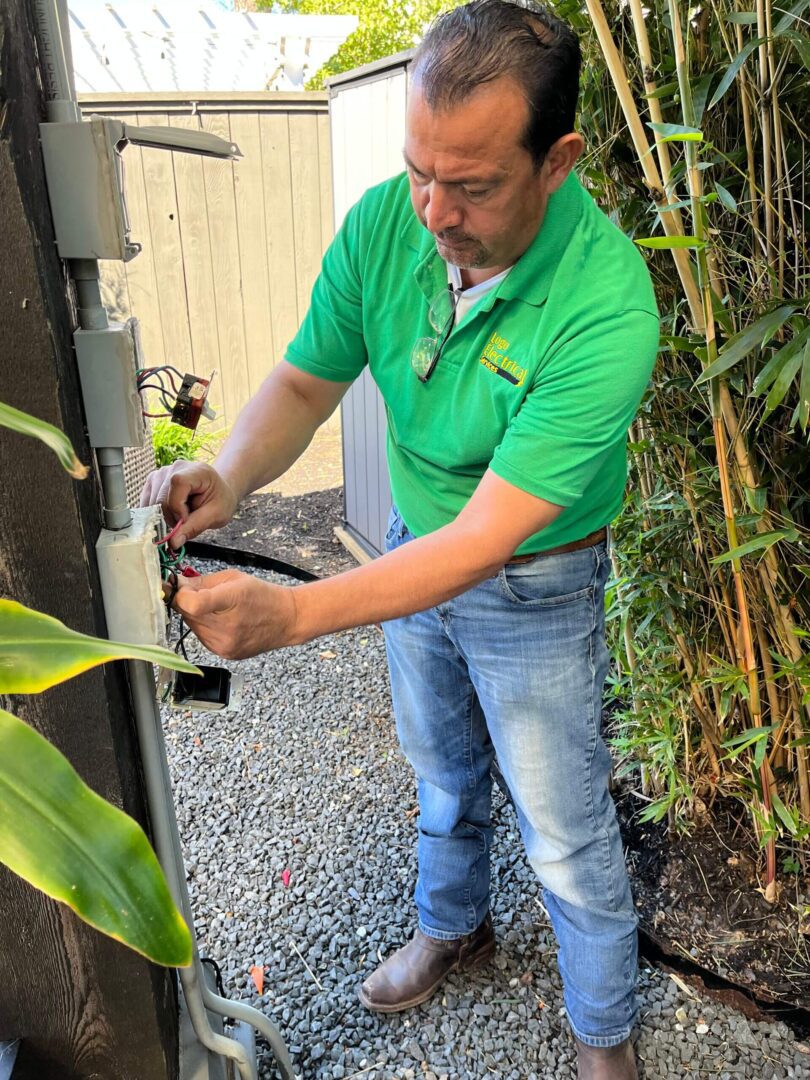
The inlet box needs a suitable outdoor location and weather-rated equipment where required. The wiring must be properly protected, supported, and terminated. Grounding and neutral handling must be addressed correctly for the specific generator and equipment arrangement. These details can be confusing because portable generators vary in how their neutrals are configured.
Permitting and inspection requirements can also apply based on the municipality and the scope of work. A professional installation is not just about getting power to the panel. It is about making sure the system is installed in a way that protects the home, the people inside it, and utility personnel working after a storm.
Avoid generic, universal-fit claims. Electrical panels are safety equipment, and compatibility should be confirmed rather than assumed. Honest recommendations sometimes mean telling a homeowner that an interlock is not appropriate for their panel or backup-power goals.
Choosing the Right Generator Size
Generator sizing starts with the loads you actually need during an outage. A homeowner with city water and gas heat may need far less capacity than a home with a well pump, electric water heater, or multiple refrigeration units. Starting wattage is especially important for motors in refrigerators, freezers, sump pumps, and air-conditioning equipment.
Before installation, make a realistic outage plan. Identify the circuits that matter most and the loads that can remain off. If you want to run a central air conditioner, the plan may require a larger generator, load-management strategy, or a soft-start device. If your goal is simply to protect food, charge phones, and keep a few rooms comfortable, a smaller portable unit may be enough.
Fuel type should be part of the decision as well. Gasoline is readily available but has storage and refueling considerations. Dual-fuel generators can offer flexibility, while propane may be easier to store for longer periods. Whichever generator you choose, test it periodically and follow its maintenance schedule. A generator that has not been started in years is not a backup plan.
Is an Interlock or Transfer Switch Better?
Neither option is automatically better. An interlock is often a strong choice for homeowners who want an affordable, code-conscious way to power selected circuits from a portable generator and are comfortable managing loads during an outage. It uses the existing panel and provides useful circuit flexibility.
A manual transfer switch may be preferable when a homeowner wants a clearly labeled, dedicated group of essential circuits and a more straightforward operating routine. It can also be useful when the main panel cannot accept a compatible interlock. An automatic transfer switch paired with a standby generator is the premium choice for households that need power to restore automatically, particularly for medical equipment, frequent travel, or extended outages.
The right answer depends on the panel, the generator, the home’s loads, and how much hands-on operation your family is comfortable handling.
What a Professional Installation Should Include
A quality installation should begin with an on-site assessment and a clear explanation of what the system will and will not power. You should receive straightforward pricing for the inlet, wiring, breaker, compatible interlock, and any panel corrections needed for safe installation.
The electrician should test the installation, explain the shutdown and startup sequence, and show you which loads to avoid. Ask for a practical demonstration before the next storm season. It is much easier to learn the process on a calm afternoon than during a dark, humid outage.
At Logo Electrical Services, our approach is to evaluate the whole backup-power setup, not simply install a part. A properly installed interlock can offer dependable emergency power, but only when it matches the panel, generator, and household needs.
Before the next severe-weather forecast, take a few minutes to list the appliances your family truly needs and have a licensed electrician review whether your panel is ready for a safe portable generator connection.