A homeowner may first notice the need for an upgrade when a breaker trips during normal use, the panel feels warm, or there is simply no room left for a new EV charger or generator circuit. This electrical panel replacement example shows what a realistic residential project can involve, why the scope can vary, and what a licensed electrician should check before recommending a solution.
Consider a representative Magnolia-area home built in the 1980s. The family has added a pool pump, upgraded kitchen appliances, and plans to install an EV charger. Their existing 100-amp panel is crowded with tandem breakers, several circuits are poorly labeled, and the main breaker has begun tripping when the dryer and electric range run at the same time. The panel still has power, but it is no longer a good fit for how the home is used.
Electrical Panel Replacement Example: The Initial Visit
The first step is not choosing the largest panel available. It is an on-site evaluation. A qualified electrician reviews the existing panel, the condition of the service equipment, grounding and bonding, available circuit capacity, visible wiring concerns, and the homeowner’s plans for future electrical loads.
In this example, the electrician finds that the panel itself is undersized and full, but the situation goes beyond a simple breaker-box swap. The service conductors and meter equipment must also be evaluated to determine whether they can safely support a 200-amp service. The electrician also looks for aluminum branch wiring, double-tapped breakers, corrosion, loose connections, and signs of overheating.
That inspection matters because a new panel does not automatically solve every electrical issue. If the service feeding the home is too small, if the meter base is damaged, or if existing circuits are unsafe, those items need to be addressed as part of the overall plan. Honest recommendations start with the actual condition of the system, not a one-size-fits-all package.
The Recommended Scope of Work
For this home, the recommendation is a 200-amp service and panel upgrade. The work includes replacing the old load center with a properly sized 200-amp panel, installing a new main breaker, organizing and labeling the existing circuits, and adding room for future expansion.
The project also includes service-related work needed to support the upgrade. Depending on the home and local utility requirements, this can mean replacing the service entrance conductors, updating the meter base, or coordinating a utility disconnect and reconnect. Grounding and bonding are brought up to current applicable code requirements, and the electrician installs the appropriate breakers for the home’s circuits.
The homeowners also choose to add whole-home surge protection. That decision is practical, especially in the Houston area, where storms and utility fluctuations can place sensitive electronics, appliances, and HVAC equipment at risk. Surge protection cannot prevent every electrical problem, but it adds a valuable layer of defense that is easiest to install during panel work.
Finally, the electrician reserves dedicated spaces for the planned EV charger and a future generator interlock or transfer equipment. Building room into the panel today can prevent another major alteration later.
Panel Replacement vs. Service Upgrade
These terms are often used interchangeably, but they are not always the same project. A panel replacement may involve installing a newer panel with a similar amp rating when the existing service is otherwise adequate. A service upgrade increases the home’s electrical capacity, such as moving from 100 amps to 200 amps.
The difference affects price, planning, permitting, and scheduling. A homeowner with a worn or obsolete panel may only need a panel replacement. A homeowner adding high-demand equipment, such as an EV charger, electric HVAC, a hot tub, or larger kitchen appliances, may need a full service upgrade. The right answer depends on a professional load calculation and inspection.
What Happens on Installation Day
For a straightforward project, electricians often complete the main panel work in one day. More involved service upgrades may take longer, particularly if the utility, inspection schedule, meter equipment, or repairs to existing wiring add steps.
Power must be shut off while the panel is being replaced. A professional electrician explains the expected outage before work begins so the homeowner can plan around refrigerated food, medical devices, work-from-home needs, security systems, and garage access. If a utility disconnect is required, timing also depends on utility coordination.
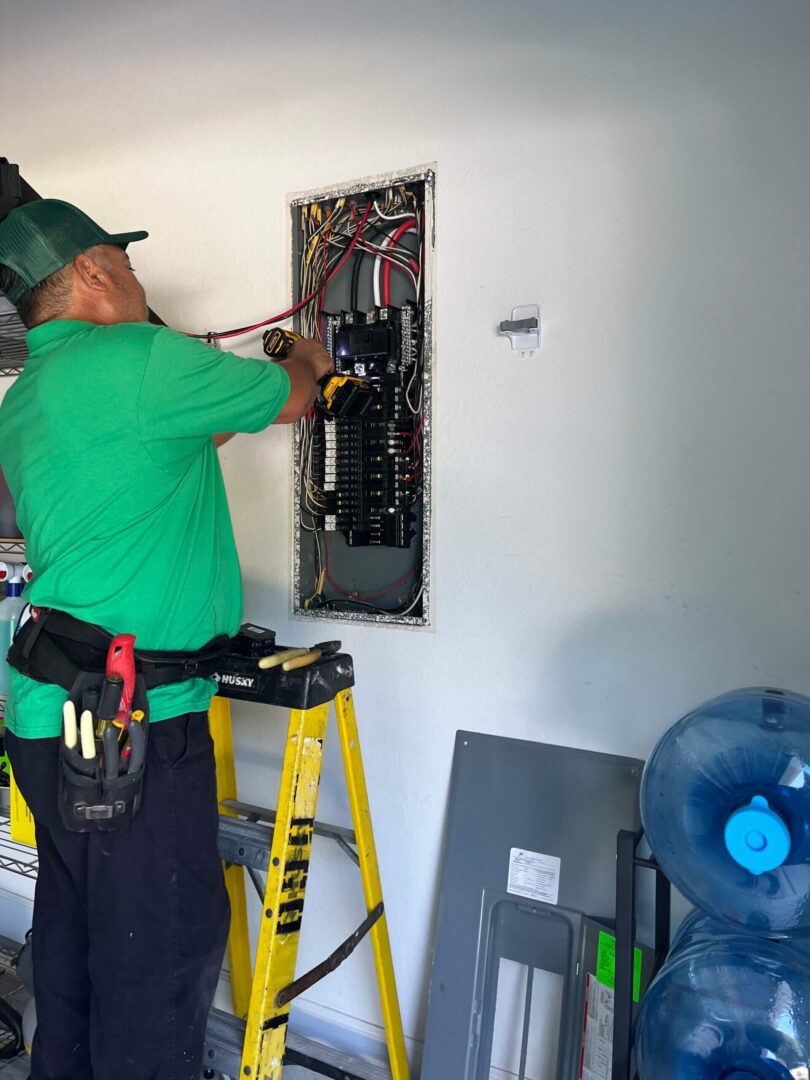
Once power is safely disconnected, the crew removes the old equipment and installs the new panel. Existing circuits are transferred carefully, connections are torqued to manufacturer specifications, and breakers are selected and installed correctly. The panel is then clearly labeled so the homeowner can identify the kitchen, bedrooms, HVAC equipment, outdoor receptacles, and other circuits without guessing during an emergency.
After restoration of power, the electrician tests the installation, checks voltage, verifies circuit operation, and reviews the finished work with the homeowner. If the project requires a permit, the final inspection is part of closing out the job properly. Permits and inspections are not paperwork for paperwork’s sake. They provide an additional safety check that the work meets applicable requirements.
What This Type of Project Can Cost
There is no responsible flat price for every panel replacement because the details matter. A simple replacement of an accessible panel costs differently than an upgrade requiring a new meter base, service conductors, trenching, repairs to damaged wiring, or major utility coordination.
In this example, the cost is influenced by the move from 100 amps to 200 amps, the condition of the existing service equipment, permit requirements, whole-home surge protection, and preparation for future EV charging and generator equipment. The home’s layout also matters. An interior panel, a detached meter location, or limited attic access can add labor.
A clear estimate should explain what is included, what is not included, and what conditions could change the scope. Be cautious about a quote that is dramatically lower than others but does not mention permits, grounding, circuit labeling, utility coordination, or the condition of the existing wiring. Electrical work is not the place for vague pricing or shortcuts hidden behind a low number.
Warning Signs That Should Not Wait
Some panel concerns are planning issues. Others call for prompt attention. Contact a licensed electrician if you notice burning odors, buzzing or crackling from the panel, discoloration around breakers, a panel that feels hot, repeated breaker trips, flickering lights throughout the home, or visible corrosion and water damage.
You should also schedule an evaluation if your home has a recalled or obsolete panel brand, fuses instead of breakers, an overcrowded panel, or no available capacity for needed upgrades. A breaker that trips occasionally is doing its job by responding to an overload or fault. Repeatedly resetting it without finding the cause can create a more serious safety issue.
Questions Homeowners Should Ask Before Approving Work
A good electrical contractor should be comfortable explaining the proposed work in plain language. Ask whether the project is a panel replacement or a service upgrade, whether a permit is required, how long the outage may last, and whether the quoted price includes inspection coordination.
It is also reasonable to ask how circuits will be labeled, whether whole-home surge protection is recommended, and whether the new panel leaves space for future needs. If you are considering a generator or EV charger, mention it before the work is designed. Planning those loads in advance can save money and disruption later.
For Magnolia and Houston-area homeowners, Logo Electrical Services approaches panel work with the same priorities that should guide every electrical project: licensed workmanship, clear communication, honest pricing, and a safe installation built to serve the home for years. If your panel is showing its age or your home’s electrical needs have outgrown it, an on-site evaluation is the safest place to start.