When the power goes out in Texas, the real question is not whether you can wait it out. It is whether your home can. A good standby generator buying guide starts with that reality. If you are protecting a family home, a home office, medical equipment, refrigerated food, or simply your comfort during long outages, the right generator is less about shopping for a machine and more about planning for dependable backup power.
What a standby generator actually does
A standby generator is permanently installed outside your home and connected to your electrical system through an automatic transfer switch. When utility power fails, the system detects the outage, starts the generator, and transfers selected circuits or the whole home to backup power. When utility power returns, it switches back and shuts the generator down.
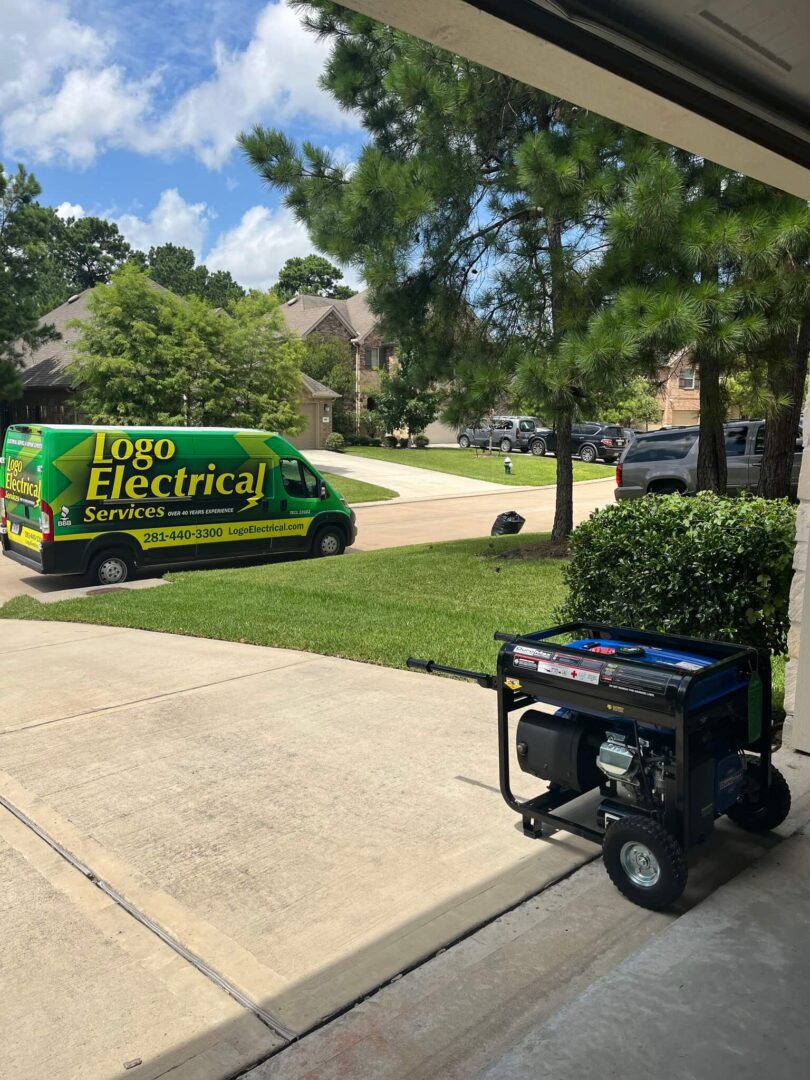
That is very different from a portable generator. Portable units can help in short-term situations, but they usually require manual setup, extension cords, fuel handling, and careful load management. A standby system is built for convenience, safety, and consistency. For homeowners who want a long-term solution, especially in storm-prone areas, that difference matters.
Standby generator buying guide: start with what you need to power
The biggest mistake homeowners make is choosing a generator based on a general recommendation rather than their actual electrical load. Some homes only need essential circuits backed up. Others want the entire house running normally, including central air, kitchen appliances, well pumps, or electric water heaters.
If your goal is essential backup, you might power refrigeration, a few lighting circuits, internet equipment, garage access, and one HVAC system or heating source. If your goal is whole-home comfort, the generator must handle much more starting and running demand.
This is where professional load calculation becomes important. Nameplate ratings, breaker sizes, and household habits all affect sizing. Two homes with the same square footage can have very different electrical needs depending on appliances, insulation, air conditioning tonnage, and whether major systems run on gas or electricity.
A generator that is too small can overload, shut down, or force you to leave out equipment you expected to use. One that is oversized may cost more upfront and run less efficiently than necessary. The right size is rarely a guess.
Essential load vs whole-home backup
There is no single right answer here. It depends on your priorities and budget.
Essential load backup makes sense for homeowners who want to cover the basics during an outage and keep the investment more controlled. Whole-home backup is a better fit when you want minimal disruption, have health or work-related power needs, or simply do not want to think about what can and cannot run.
In Magnolia and the greater Houston area, air conditioning often changes the conversation. Many homeowners start by saying they only want essentials, then realize that going without cooling for long periods is not practical. That is why a site-specific evaluation is worth it.
Fuel type matters more than most buyers expect
Most residential standby generators run on either natural gas or propane. Each has strengths, and the better option depends on the property.
Natural gas is often the easiest choice when your home already has gas service. You do not have to refill tanks, and the generator can run as long as gas service is available. For many homeowners, that convenience is the biggest selling point.
Propane can be an excellent option for homes without natural gas access. It burns cleanly and stores well, but runtime depends on tank size and fuel supply planning. If you choose propane, make sure your storage capacity matches the kind of outages your area can experience.
Diesel exists in some applications, but it is less common for standard residential standby systems. For most homeowners, the decision comes down to natural gas or propane, along with fuel availability, operating cost, and how long you need the system to run.
The transfer switch is not optional
A standby generator system is not just the generator itself. The transfer switch is what makes the setup safe and automatic. It isolates your home from the utility during an outage and prevents dangerous backfeeding.
Backfeeding can put utility workers, your home, and your electrical equipment at risk. That is one reason generator installation should never be treated as a casual add-on project. It needs to be installed to code, properly permitted, and integrated with your electrical service by a licensed professional.
Some homes benefit from a whole-house transfer switch. Others are better served by a load-shedding setup that prioritizes key appliances and manages power demand intelligently. Again, it depends on the home and the goals.
Do not overlook your electrical panel and service capacity
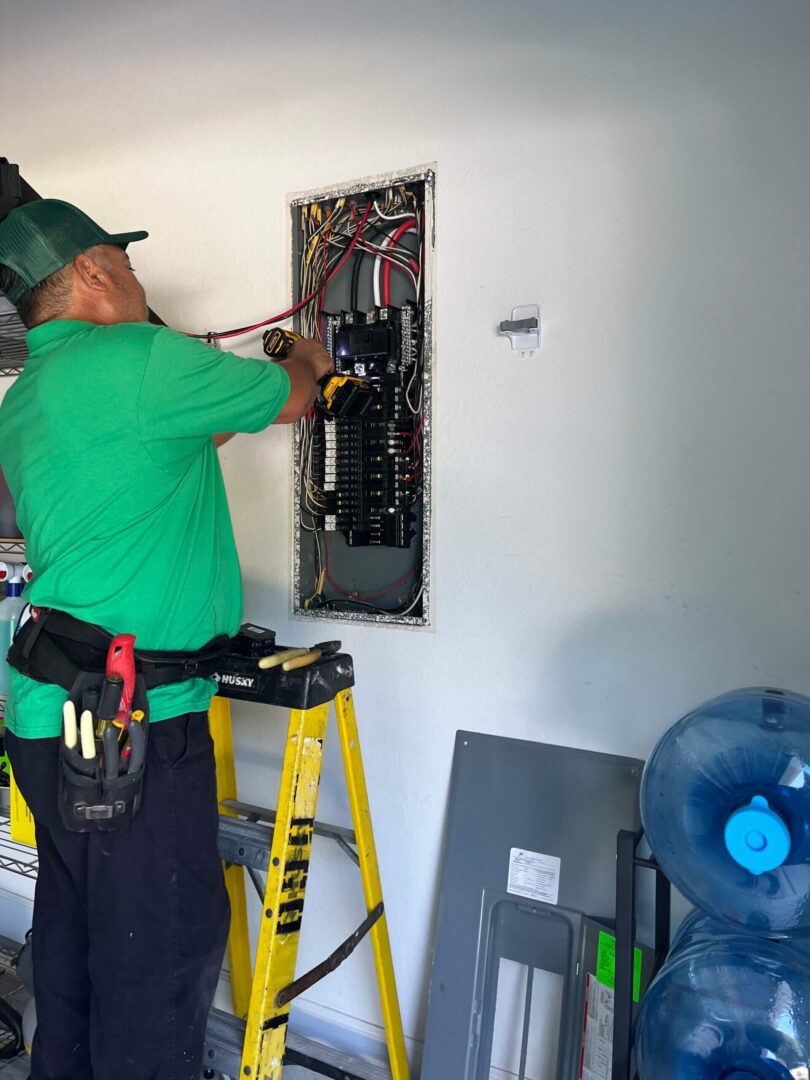
Many homeowners focus on generator size and forget to ask whether their existing electrical system is ready for it. If your panel is outdated, overcrowded, or already due for an upgrade, generator installation may expose issues that should be addressed first.
That is not a sales tactic. It is a safety issue. The generator has to connect to a sound electrical system, and the installation must comply with current code requirements. In some homes, especially older ones, a panel upgrade or related electrical work may be part of doing the job right.
The same goes for surge protection. A standby generator is a major equipment investment. Whole-home surge protection helps protect sensitive electronics and appliances connected to your system, whether the disturbance comes from utility power, switching events, or lightning-related activity.
Placement, noise, and permitting are part of the purchase
A standby generator cannot be placed just anywhere. Clearance requirements from windows, doors, vents, gas meters, and property lines all matter. So does airflow around the unit. Local code, manufacturer instructions, and site conditions all affect where the generator can go.
Noise is another factor. Newer standby units are much quieter than many homeowners expect, but they are not silent. Placement can help reduce the impact, especially in neighborhoods where homes sit relatively close together.
Permitting and inspections should also be part of the conversation before you buy. A proper installation typically involves electrical permitting and may include gas work, concrete or mounting preparation, and final inspection. If a contractor glosses over that process, that is a red flag.
Brand matters, but support matters more
Homeowners often spend a lot of time comparing generator brands. Brand does matter. Quality, warranty terms, service network, and parts availability all play a role. But the better question is whether the system will be sized, installed, and supported correctly.
A great generator installed poorly will still cause problems. An experienced licensed electrician will look at the entire system, not just the equipment tag. That includes your home load, transfer method, placement, code requirements, startup testing, and ongoing maintenance needs.
This is one area where honest guidance matters. The right contractor should explain your options clearly, tell you where trade-offs exist, and avoid pushing a one-size-fits-all package.
Maintenance is part of ownership
Standby generators are dependable, but they are not maintenance-free. They need periodic inspection, exercise cycles, battery checks, oil and filter service, and general testing to make sure they are ready when needed.
That matters because a generator is only valuable if it starts during an actual outage. Homeowners should ask what the maintenance schedule looks like, who will service the unit, and how warranty work is handled. The cheapest installation price can become expensive later if support is hard to get.
A system with local professional support is usually the safer long-term choice. That is especially true for homeowners who do not want to troubleshoot issues during storm season.
How to make the right buying decision
The best standby generator buying guide is not a chart of generator sizes. It is a process. Start by deciding what you need powered during an outage. Consider how long outages typically last, whether your home has natural gas, and whether whole-home comfort is worth the higher upfront cost.
Then have a licensed electrician evaluate the property. A proper assessment should look at electrical load, panel condition, transfer switch needs, code requirements, fuel source, and installation location. That gives you a recommendation based on your home, not just a brochure.
For many homeowners, the right generator ends up being the one that fits their home honestly, installs cleanly, and works automatically without creating new electrical problems. That is the standard we believe in at Logo Electrical Services, and it is the standard any homeowner should expect.
If you are thinking about backup power, do not rush to buy the biggest unit or the cheapest one. Buy the system that matches your home, your priorities, and your safety needs so that when the lights go out, your household is not left guessing what comes next.