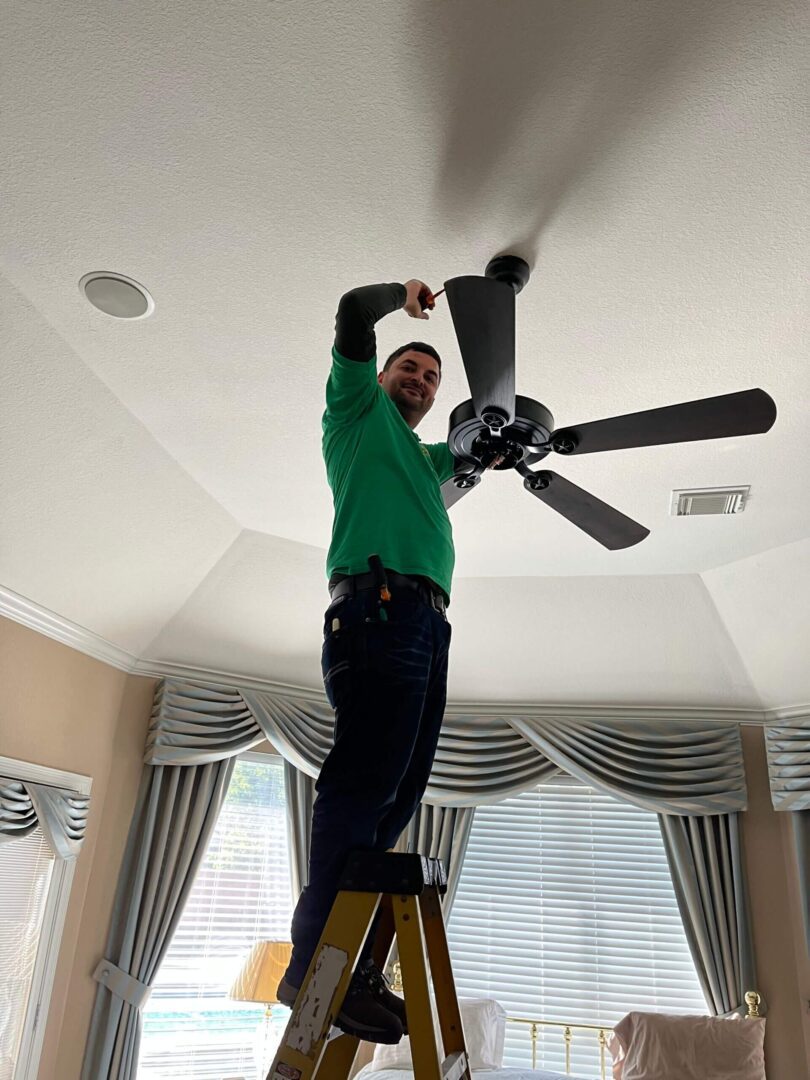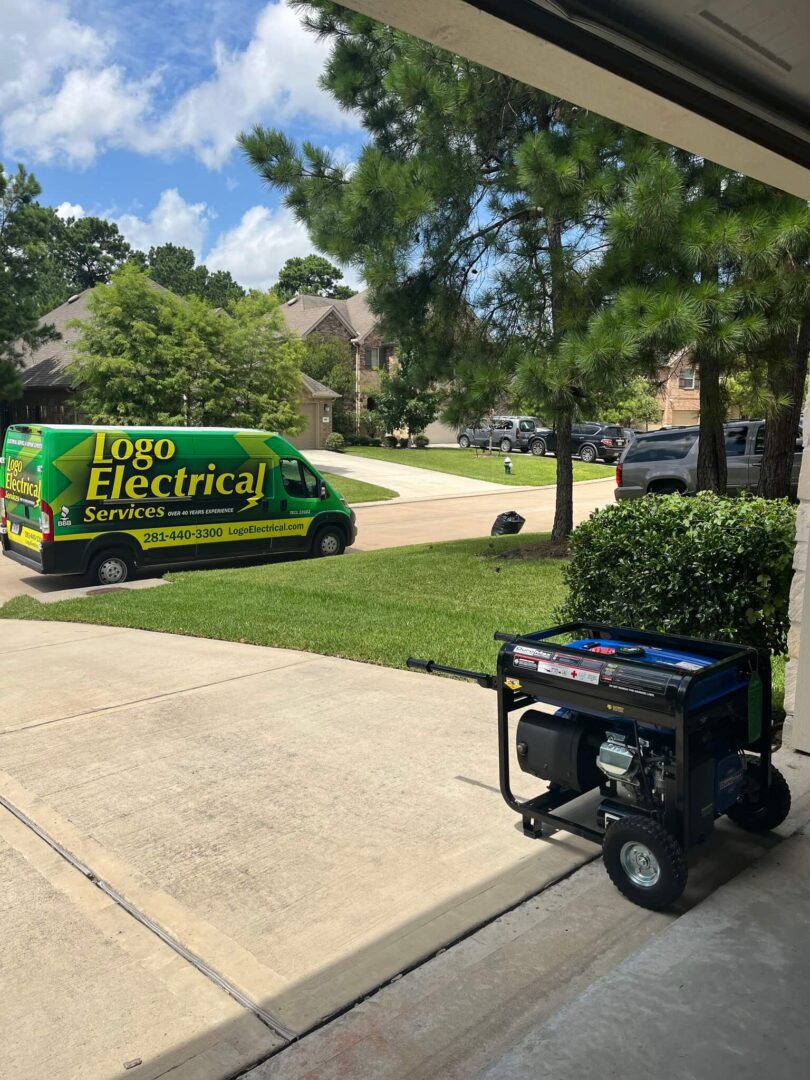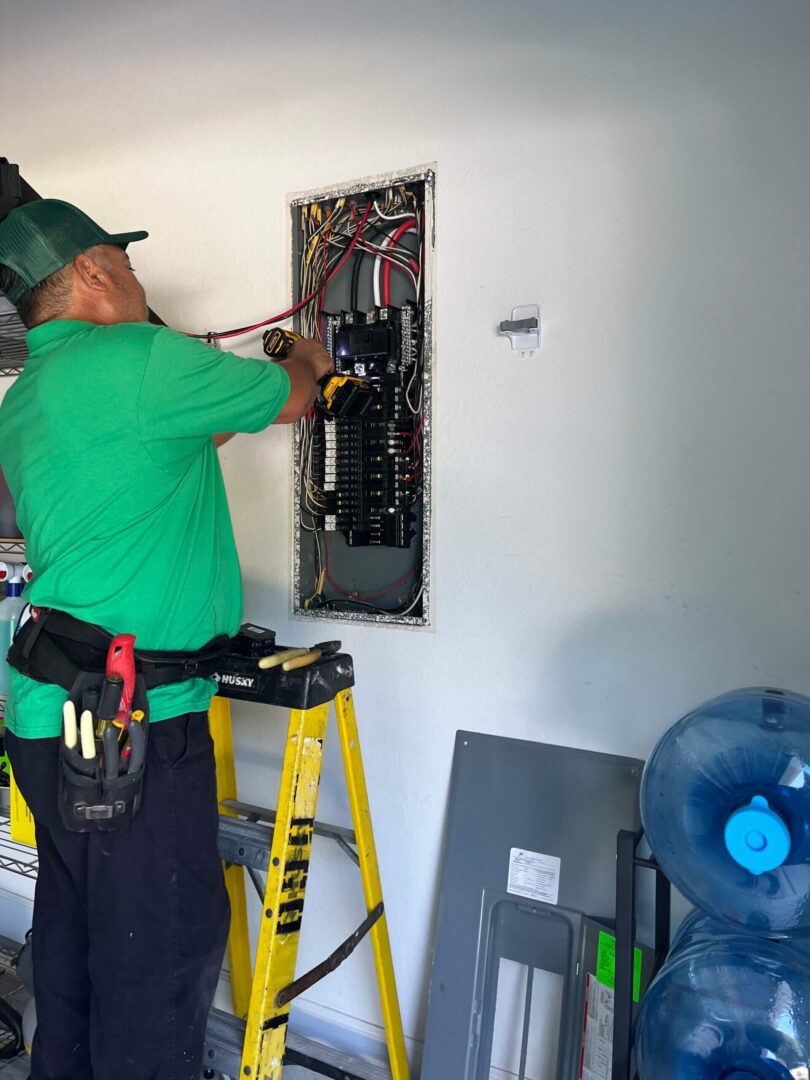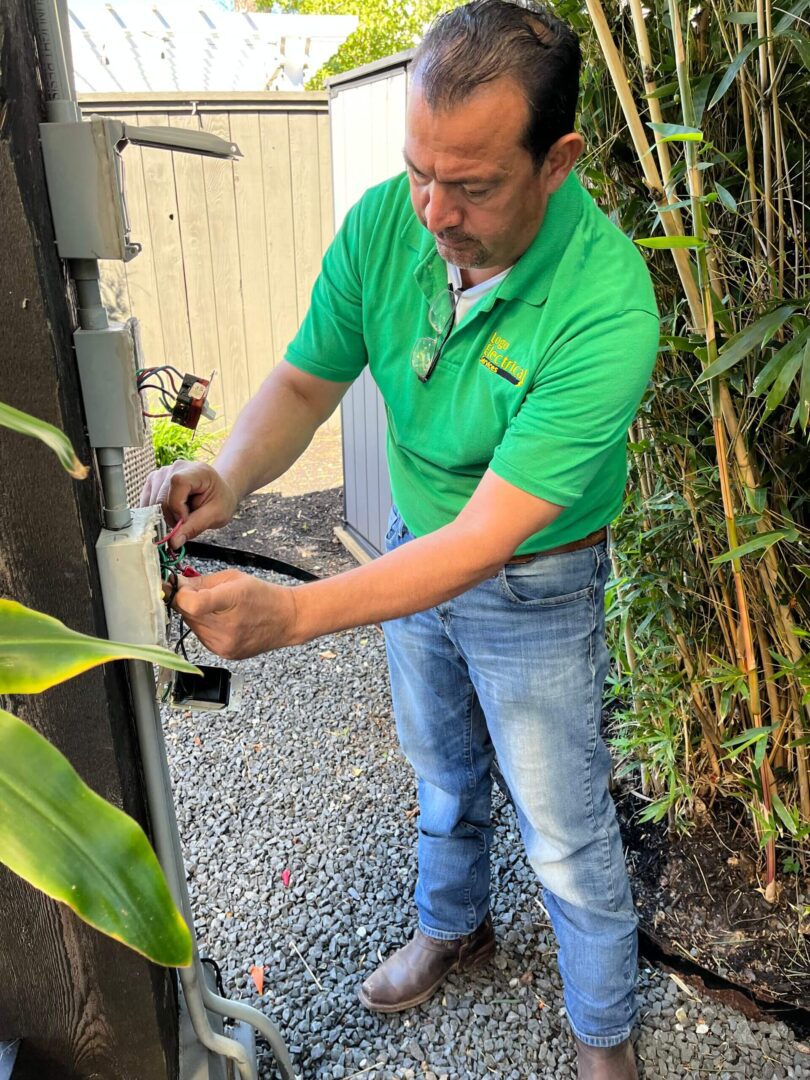
A breaker that trips every time the microwave, air fryer, or space heater runs is not just an inconvenience. It can be a sign that your home needs a dedicated circuit for appliances that draw more power than a shared circuit can safely handle. For homeowners in Magnolia and the greater Houston area, this issue often appears during kitchen updates, laundry room renovations, EV charger installations, or when replacing older equipment with newer, higher-capacity models.
A dedicated circuit gives one appliance its own path back to the electrical panel. That prevents other outlets, lights, and devices from competing for the same available power. It also helps protect your wiring, supports manufacturer requirements, and gives your electrician a clearer way to diagnose problems when something goes wrong.
What Is a Dedicated Circuit?
A dedicated circuit is a branch circuit intended to supply one specific appliance or piece of equipment. It has its own circuit breaker in the service panel and is sized for the electrical demand of that appliance.
For example, an electric range may require a 240-volt circuit with a properly sized double-pole breaker, while a dishwasher may use a 120-volt circuit. The right wire size, breaker size, receptacle, disconnecting means, and protection requirements all depend on the equipment being installed and the applicable electrical code.
The key point is simple: a dedicated circuit is not merely an outlet that happens to be unused. It is an electrical circuit designed, installed, and labeled to serve a particular load. That distinction matters for safety and for code-compliant work.
Which Appliances Usually Need Their Own Circuit?
Many major appliances are designed to operate on dedicated circuits. Their installation instructions often specify the circuit size and electrical connection required. A licensed electrician should verify those instructions before installation, especially when replacing an older appliance with a newer model.
Common examples include electric ranges, wall ovens, cooktops, clothes dryers, electric water heaters, HVAC equipment, garbage disposals, dishwashers, built-in microwaves, refrigerators, sump pumps, hot tubs, pool equipment, and EV chargers.
Not every appliance has the same requirement. A refrigerator may not always be required to have a dedicated circuit in every situation, but it is often a wise choice. If a refrigerator shares a circuit with countertop appliances, a tripped breaker can leave food without cooling until someone notices. Likewise, a dishwasher and garbage disposal may be allowed to share a circuit in some installations, but the correct arrangement depends on their load, manufacturer instructions, and local code requirements.
Kitchen countertop receptacles are another area where homeowners can be surprised. Those outlets are intended for small appliances, but they are not a substitute for the dedicated circuits required for fixed equipment. Plugging several high-wattage appliances into one kitchen circuit can still overload it, even in a newer home.
High-demand equipment deserves special attention
Some equipment is especially demanding because it runs for long periods or draws substantial power at startup. Air conditioners, heat pumps, well pumps, electric dryers, electric vehicle chargers, and pool pumps fall into this category.
An EV charger is a good example. Charging can continue for hours, which makes circuit sizing and load calculation especially important. Adding a charger is not as simple as finding an open breaker space. Your panel capacity, existing household demand, charger rating, wiring route, and local permitting requirements all need to be evaluated first.
Why Shared Circuits Become a Problem
Older homes were not designed around the number of electrical devices families use now. A circuit that once served a few lamps and a television may now support computer equipment, charging stations, portable heaters, kitchen appliances, and entertainment devices.
When too many loads share one circuit, the breaker may trip repeatedly. That breaker is doing its job by interrupting power before the wiring overheats. Resetting it again and again does not solve the underlying problem. Replacing the breaker with a larger one without verifying the wire size and circuit design can create a serious fire hazard.
Other warning signs include warm outlets or switch plates, flickering lights when an appliance starts, buzzing at the panel, burning smells, discoloration around outlets, or appliances that lose power when another device is used. These symptoms deserve prompt professional attention, particularly in homes with older panels, aluminum wiring, previous DIY changes, or frequent electrical repairs.
A Dedicated Circuit for Appliances Supports Better Performance
The safety benefits get most of the attention, but appliance performance matters too. Equipment receives more consistent power when it is not sharing a circuit with other changing loads. Motors are less likely to struggle at startup, and sensitive electronics have fewer opportunities to be affected by voltage drops caused by heavy demand elsewhere on the circuit.
This does not mean a dedicated circuit fixes every appliance issue. A failing compressor, worn motor, damaged cord, or internal appliance defect can still cause trouble. However, establishing the correct electrical supply removes one major variable and helps prevent avoidable service calls.
Dedicated circuits also make future upgrades easier. If you plan to remodel a kitchen, add a second refrigerator, install a garage freezer, convert a room into a home office, or prepare for backup power, properly planned circuits give your home more flexibility. It is generally cleaner and more cost-effective to plan the electrical infrastructure during a renovation than to open finished walls later.
How an Electrician Determines What Your Home Needs
A licensed electrician begins by looking beyond the appliance itself. The inspection should include the appliance nameplate or installation instructions, the existing breaker and wire size, the condition of the receptacle or hardwired connection, and available capacity in the electrical panel.
The electrician may also perform a load calculation to determine whether your home service can support the new equipment. This is especially important when homeowners add several large loads at once, such as a generator connection, EV charger, pool equipment, electric range, or new HVAC system.
If the panel is full, there may be options, but they must be evaluated carefully. In some cases, a properly listed solution can create space. In others, a panel upgrade or subpanel is the safer long-term answer. The right recommendation depends on the condition of the equipment, your current electrical demand, and planned improvements to the home.
Permits and inspections may also be required for new circuits or panel work. While that can feel like another step, it protects the homeowner by helping ensure the installation meets current safety standards and is documented correctly.
Why DIY Circuit Additions Are Risky
Installing a new circuit involves more than running wire and adding a breaker. The work must account for conductor sizing, breaker compatibility, grounding and bonding, box fill, wire protection, connections, required GFCI or AFCI protection where applicable, and the panel’s available capacity.
A mistake hidden behind a wall or inside a panel may not show itself immediately. It can become a problem months later when the appliance operates under sustained load. That is why major appliance circuits are work for a licensed electrical professional, not a weekend project.
At Logo Electrical Services, our team approaches circuit upgrades with the same priorities homeowners expect from a family-owned contractor: clear communication, honest pricing, clean work, and electrical solutions built to last. We explain what we find, what options make sense, and why a particular repair or upgrade is recommended.
Plan the Circuit Before You Buy the Appliance
If you are shopping for a new range, dryer, dishwasher, water heater, or EV charger, check the electrical specifications before delivery day. A quick electrical assessment can prevent delays, last-minute extension cord solutions, and costly changes after the appliance is already in your garage or kitchen.
Bring the appliance specifications to your electrician when possible. The voltage, amperage, and connection type provide a useful starting point, but the existing electrical system still needs to be inspected. A safe installation is based on the appliance, the wiring, the panel, and the home as a whole.
When a breaker trips or a major appliance is being added, treat it as an opportunity to make the electrical system safer and more dependable. A properly installed dedicated circuit can provide the confidence that your equipment has the power it needs without asking too much from the rest of your home.