A plug that suddenly slips from an outlet, lights that flicker when the air conditioner starts, or a switch that feels warmer than it should can all be loose wiring signs. These problems are easy to dismiss when they come and go, but electrical connections rarely improve on their own. A loose connection can create heat, damage wiring insulation, interrupt power, and in serious cases raise the risk of electrical fire or shock.
For homeowners in Magnolia and across the Houston area, the safest response is not to guess at the cause or tighten electrical parts yourself. Knowing what to watch for can help you recognize a problem early and call a licensed electrician before a small repair becomes a costly or dangerous issue.
Loose Wiring Signs to Watch For
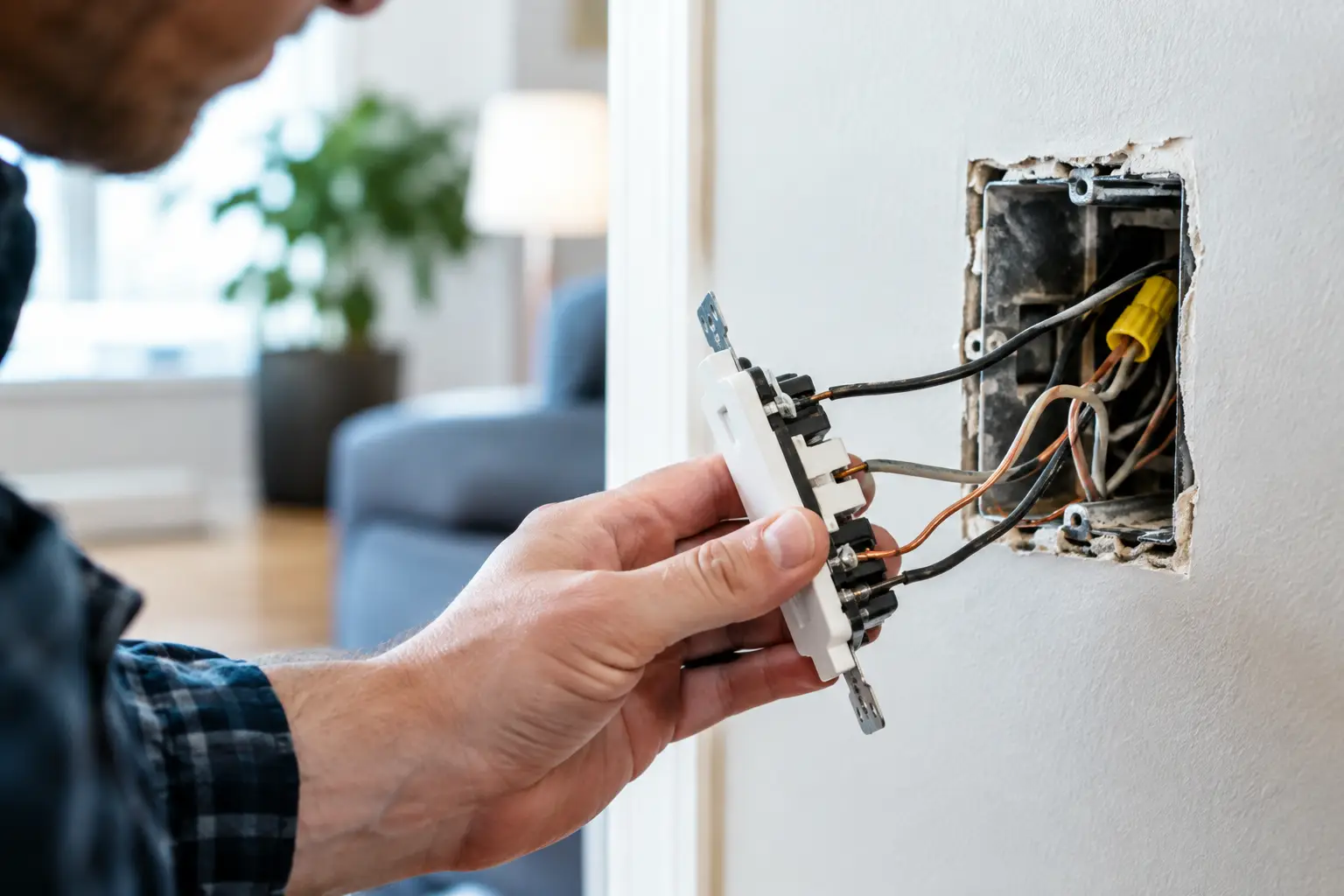
Loose wiring may be hidden behind a wall, inside an outlet box, at a light fixture, or within an electrical panel. You may not see the wire itself, but the connection often leaves clues.
Flickering or dimming lights
An occasional brief flicker during a storm can have an outside cause. But lights that flicker repeatedly, dim when another appliance turns on, or brighten unexpectedly deserve attention. If the problem is limited to one room, one fixture, or one circuit, a loose wire connection at the fixture, switch, outlet, or junction box may be involved.
A whole-home lighting issue can point to a larger service or panel concern. Either way, flickering is not something to ignore just because the light still works. An inconsistent connection can arc, which creates intense heat at a small point of contact.
Warm, discolored, or loose outlets and switches
An outlet cover or switch plate should not feel hot during normal use. A little warmth from a heavily used device may happen, but noticeable heat, discoloration, melted plastic, or a scorched appearance is a warning sign. Turn off power to that circuit at the breaker if you can do so safely, avoid using the device, and arrange a professional inspection.
Physical looseness matters, too. If an outlet or switch moves when you plug something in or use it, the device, mounting hardware, box, or wiring connections may not be secure. Repeated movement can strain conductors behind the wall. This is especially common in older homes and in outlets that see frequent use from chargers, kitchen appliances, or entertainment equipment.
Buzzing, crackling, or popping sounds
Your electrical system should operate quietly. Buzzing from a dimmer can sometimes be related to bulb compatibility, but crackling or popping from an outlet, switch, fixture, or panel is not normal. These sounds can occur when electricity jumps across a poor connection instead of flowing cleanly through it.
Do not remove an outlet cover or open a panel to investigate the sound. If there is a burning odor, visible smoke, sparks, or active arcing, move people away from the area, call emergency services if there is immediate danger, and do not restore power until the issue has been evaluated.
Breakers that trip repeatedly
A circuit breaker is designed to shut off power when it detects an overload, short circuit, or other unsafe condition. One trip after running too many high-demand items on the same circuit may be straightforward. A breaker that trips again after being reset, trips when a specific switch is used, or will not stay on may indicate damaged wiring, a failing device, or a loose connection.
Never hold a breaker in the on position or repeatedly reset it to keep power running. That can allow a serious problem to continue heating up. A licensed electrician can determine whether the issue is an overloaded circuit, a connection problem, or a larger panel-related repair.
A burning smell or unexplained loss of power
A sharp burning smell near an outlet, fixture, electrical panel, or appliance is one of the most urgent loose wiring signs. The odor may resemble hot plastic, burning rubber, or overheated insulation. Power that cuts out intermittently in one part of the house can also signal that a connection is failing.
These symptoms do not always mean loose wiring, but they always justify a prompt inspection. Waiting for the power to return or the smell to fade can leave damaged components in service when they should be repaired or replaced.
Why Loose Electrical Connections Become Hazardous
Electricity needs firm, properly sized, code-compliant connections to travel safely through a circuit. When a terminal screw loosens, a wire is damaged, or an improperly installed connection works free over time, resistance increases. That resistance produces heat.
Heat can deteriorate wire insulation, damage outlets and switches, and affect nearby materials. The danger is not limited to visibly old wiring. Newer homes can develop loose connections after improper installation, remodeling work, vibration, settling, or frequent use. DIY electrical work, overloaded extension cords, and devices that are not securely mounted can also contribute to problems.
Texas homes often place substantial demand on electrical systems. Air conditioning equipment, kitchen appliances, pool equipment, workshop tools, EV chargers, and backup power equipment all require properly designed circuits and secure terminations. Higher electrical demand does not automatically cause loose wiring, but it can expose a weak connection sooner.
What to Do if You Suspect Loose Wiring
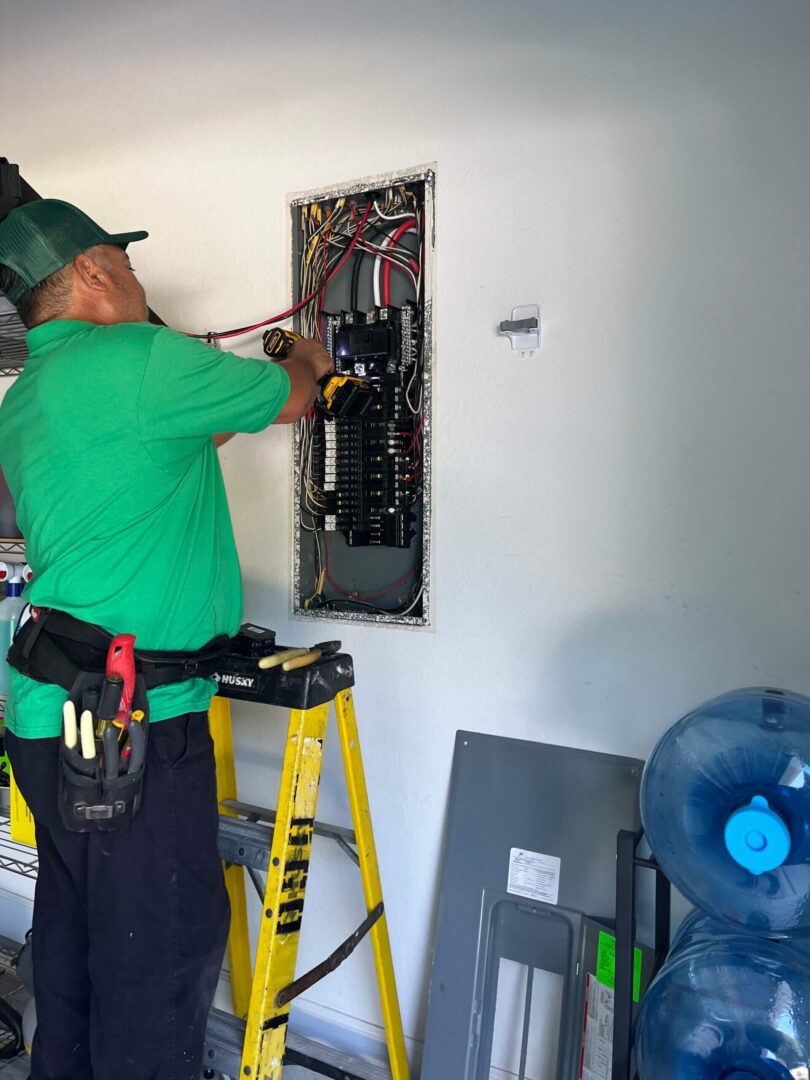
Your first priority is limiting use of the affected circuit. Unplug devices from a warm, damaged, or sparking outlet. If you know which breaker controls the area and can reach the panel safely, turn that breaker off. Keep in mind that a panel with heat, smoke, moisture, or visible damage should be treated as a professional and potentially emergency situation.
Avoid a few common shortcuts. Do not push a loose outlet back into the wall, tape over damage, replace a breaker with a larger one, or continue using a power strip to work around a failed outlet. These steps can hide symptoms without fixing the condition causing them.
For a non-emergency concern, document what you noticed before calling for service. It helps to know which room is affected, whether a breaker tripped, what was plugged in, and whether the issue happens at a certain time or when a particular appliance runs. This information can help an electrician diagnose the problem efficiently.
When a Repair May Lead to an Upgrade
Sometimes the solution is as focused as securing a connection, replacing a worn outlet, repairing a fixture connection, or correcting wiring in a junction box. In other cases, loose wiring symptoms reveal that the circuit is overloaded, the panel has aging components, or the home needs additional capacity for modern electrical use.
The right repair depends on the cause. For example, a loose receptacle in a bedroom may only need a properly secured box and new device. Repeated breaker trips in a garage after adding an EV charger or power tools may call for a dedicated circuit or panel upgrade instead. A trustworthy electrician should explain what was found, identify the safety concern, and present clear options rather than treating every service call as a major replacement project.
Older homes deserve particular attention because previous repairs may not match current code requirements. Aluminum wiring, outdated panels, ungrounded outlets, deteriorated insulation, and crowded electrical boxes can require a more thorough evaluation. That does not mean every older home needs complete rewiring. It means the work should be based on an accurate inspection and a plan that protects the home for the long term.
Get a Licensed Electrical Inspection Before the Problem Grows
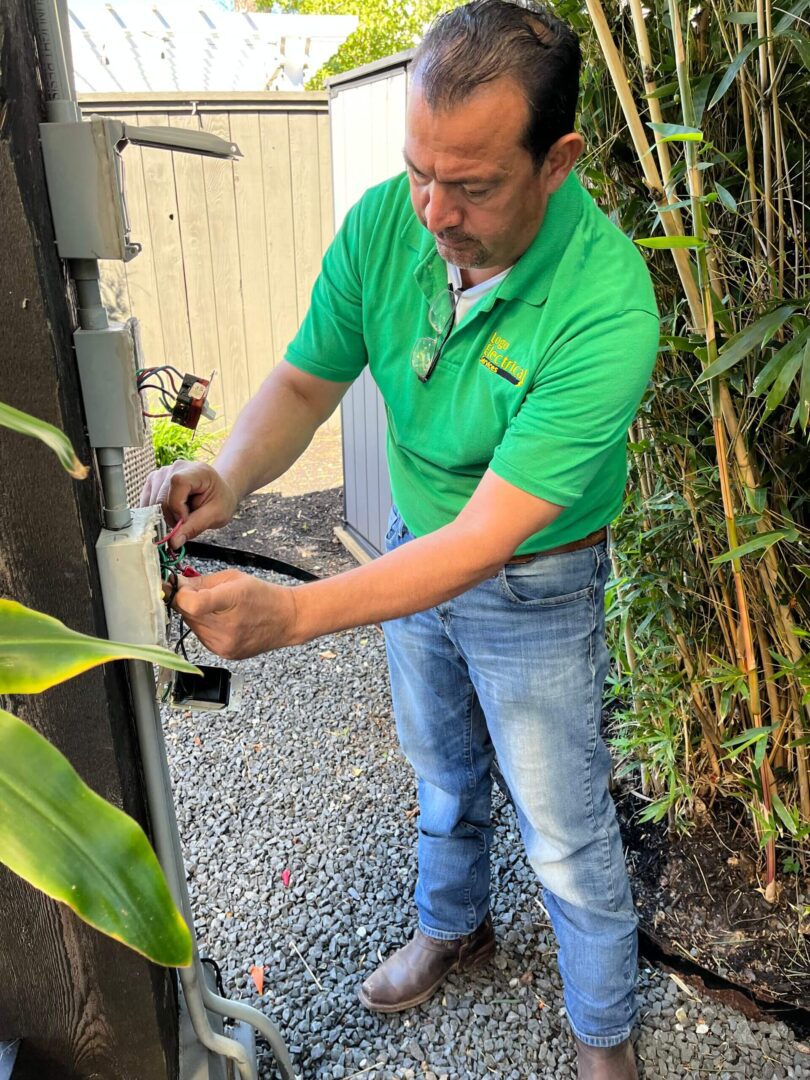
Electrical repairs are not the place for trial and error. A licensed electrician can test the circuit, inspect connections, check the condition of devices and wiring, and make repairs that meet applicable code requirements. The goal is not only to restore power, but to correct the reason the connection became unsafe.
Logo Electrical Services brings more than 45 years of industry experience to residential electrical repairs, upgrades, and safety-focused troubleshooting. If you have noticed heat, flickering, breaker issues, unusual sounds, or other warning signs, scheduling an inspection now can protect your home and provide real peace of mind.
A quiet, reliable electrical system is something most homeowners should never have to think about. When it starts asking for attention, listen early and let a qualified professional make it safe again.