Most homeowners notice a surge problem only after a television will not turn on, a refrigerator control board fails, or a garage door opener begins acting strangely. A whole house surge protector review can help you avoid that expensive lesson, but only if it looks beyond a product’s price tag and packaging claims.
For homes in Magnolia and the greater Houston area, whole-home protection is a practical electrical upgrade. Our storms bring frequent lightning activity, while utility switching, power restoration, and large appliances cycling on and off can all create smaller surges inside the home. A properly selected and professionally installed surge protective device helps reduce the risk to the electronics and appliances your family depends on every day.
What a Whole-House Surge Protector Actually Does
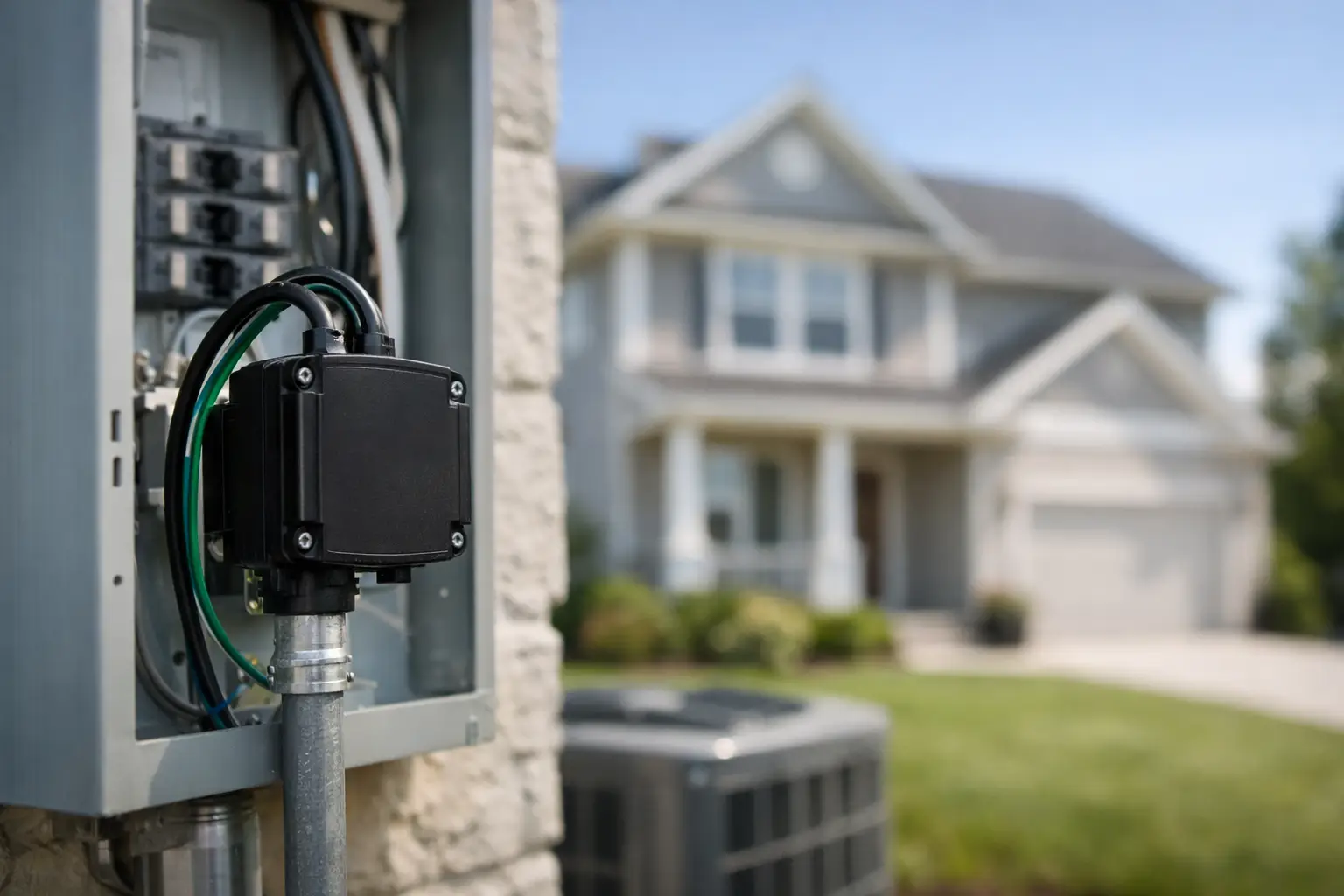
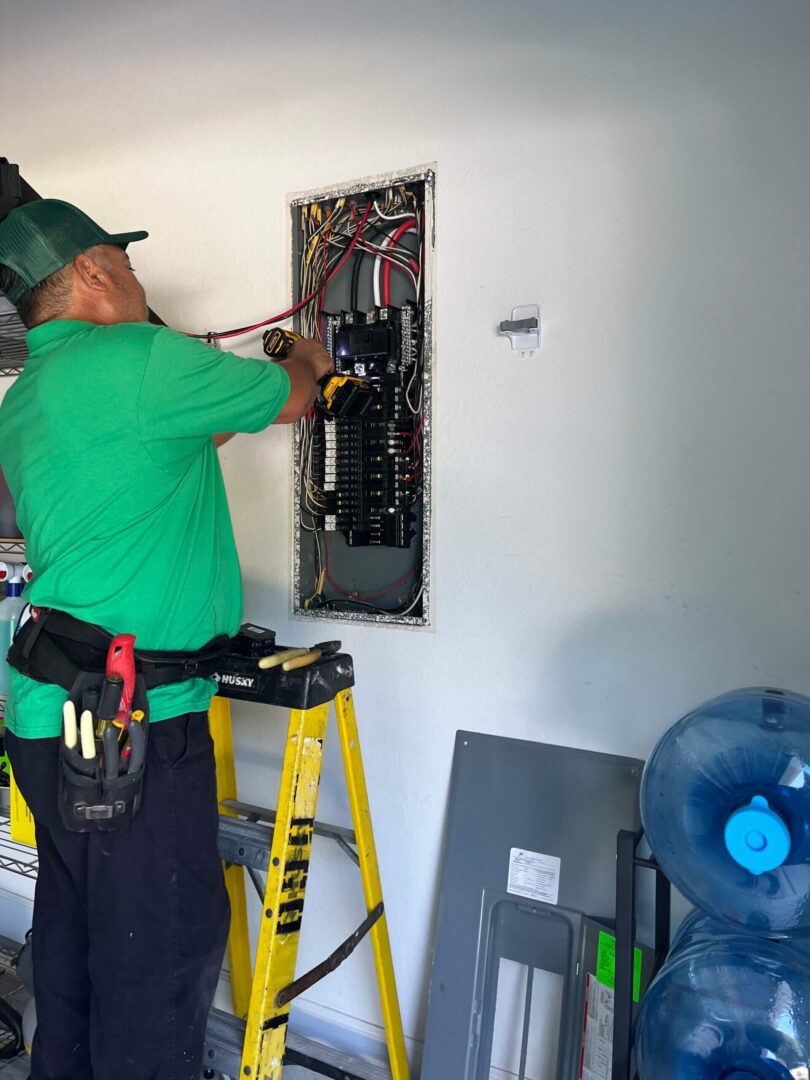
A whole-house surge protector is installed at or near the main electrical panel. Its job is to divert excess voltage away from the home’s electrical system during a transient surge. It does not store power, keep the lights on during an outage, or replace a generator. It is a protective layer that reacts when voltage rises beyond a safe level.
That distinction matters. If the utility power goes out, a surge protector will not run your refrigerator or air conditioner. If lightning makes a direct strike to your home, no device can promise zero damage. But for the much more common voltage spikes that travel through power lines or originate within a home, a quality whole-home unit can significantly reduce exposure.
It also works differently from a plug-in power strip. Point-of-use strips can still be useful for sensitive equipment, especially computers, televisions, and network gear. The whole-house device protects at the panel, where a surge can be stopped before it reaches many circuits. The strongest approach is often layered protection: a panel-mounted protector plus quality point-of-use protection where it makes sense.
Whole House Surge Protector Review: Ratings That Matter
Product reviews often focus on whether a unit was easy to order or arrived on time. Those details do not tell a homeowner much about protection. When comparing whole-house surge protectors, focus on the electrical ratings and whether the unit is appropriate for your panel and service.
Type 1 or Type 2 protection
For most existing homes, electricians commonly install a Type 2 surge protective device at the main service panel or a subpanel. Type 1 devices are rated for installation on the line side of the service disconnect or on the load side, depending on the equipment and installation method. The correct choice depends on the service equipment, available space, manufacturer instructions, and local code requirements.
This is one reason a panel photo is not always enough to select a device. The breaker brand, panel configuration, service size, available knockout space, and condition of the equipment all affect the installation.
Surge current capacity
Surge current capacity is generally listed in kiloamps, or kA. A higher number can indicate a device is designed to handle larger or repeated surge events, but bigger is not automatically better if the protector is poorly matched to the panel or improperly installed.
For a typical residence, homeowners will often see devices rated around 36 kA, 50 kA, 80 kA, or higher. A licensed electrician can explain the difference in practical terms and recommend an option that fits the home, budget, and level of exposure. Homes with overhead utility lines, frequent storm exposure, expensive electronics, or generator equipment may justify a higher-capacity model.
Voltage protection rating
The voltage protection rating, sometimes called VPR, indicates how much voltage may pass through the device during standardized testing. Lower ratings are generally preferable because they suggest the device clamps down at a lower voltage. However, homeowners should not choose a unit based on one number alone. The rating must be considered alongside the device type, surge capacity, listed compatibility, and quality of installation.
Safety listing and warranty
Look for a device that is properly listed for its intended use and installed according to the manufacturer’s requirements. A warranty can be helpful, but read it carefully. Many connected-equipment warranties have conditions, documentation requirements, and coverage limits. They are not a substitute for insurance or for a correctly installed electrical system.
A dependable review should also mention the status indicator. Most modern units include lights or another visual signal that shows whether protection is active. That feature is simple but valuable. A surge protector can sacrifice itself during a major event, and homeowners need a clear way to know when replacement is necessary.
Installation Quality Is Part of the Protection
A quality device can underperform when installation is rushed. Surge energy follows electrical paths, so lead length and wiring layout matter. In general, the wiring between the protector and the panel bus should be as short and direct as the manufacturer allows. Long, looping conductors can reduce effectiveness.
A licensed electrician should first inspect the panel and confirm that the grounding and bonding system is in good condition. Whole-home surge protection works with the electrical system’s grounding path, but it cannot correct a damaged panel, loose neutral, unsafe wiring, or improperly bonded service. Those concerns should be addressed first.
The electrician should also verify breaker compatibility where a breaker-mounted or breaker-fed unit is used. Not every breaker fits every panel, even when it appears similar. Using listed, compatible components protects safety and helps preserve the integrity of the service equipment.
At Logo Electrical Services, the goal is not to sell the most expensive device for every home. It is to evaluate the panel, explain the options clearly, and install protection that is code-conscious, reliable, and appropriate for the customer’s needs.
When a Whole-Home Protector Is Worth It
This upgrade makes particular sense when a homeowner is already investing in a panel upgrade, generator interlock or generator installation, EV charger, new HVAC equipment, smart-home controls, or major kitchen appliances. Adding surge protection while electrical work is already being performed can be efficient and gives new equipment another layer of defense.
It is also a sensible consideration for older homes. Aging electrical systems may not be the direct cause of every surge-related failure, but older panels and wiring deserve a professional assessment before additional loads and sensitive electronics are added.
There are limits. Whole-house protection is not a cure for flickering lights, repeated breaker trips, or unexplained appliance failures. Those symptoms may point to loose connections, overloaded circuits, utility issues, or equipment problems that need diagnosis. Installing a surge protector without investigating an active electrical concern can leave the real problem unresolved.
Questions to Ask Before Scheduling Installation
Before approving the work, ask what type of protector is recommended and why it suits your panel. Ask whether the unit has a visible status indicator, how it will be connected, and whether the panel’s grounding and bonding will be checked. You can also ask about warranty terms and what signs indicate that the device needs replacement.
A clear estimate should separate the device cost, labor, and any needed panel repairs or upgrades. Honest pricing is especially important because some homes require straightforward installation while others need additional work to meet current safety requirements. A contractor should explain that difference before work begins, not after.
A Practical Decision for Houston-Area Homes
The best whole-house surge protector is not necessarily the one with the loudest marketing claim. It is a properly listed device with appropriate ratings, installed correctly at a panel that is in safe working condition. For many households, that combination is far less costly than replacing a collection of damaged appliances, chargers, controls, and electronics after one serious surge.
If your home has frequent storm exposure, recently added expensive equipment, or an older electrical panel, consider having a licensed electrician evaluate your options. A short inspection and a straightforward conversation can help you decide whether whole-home surge protection is the right next step for your home.