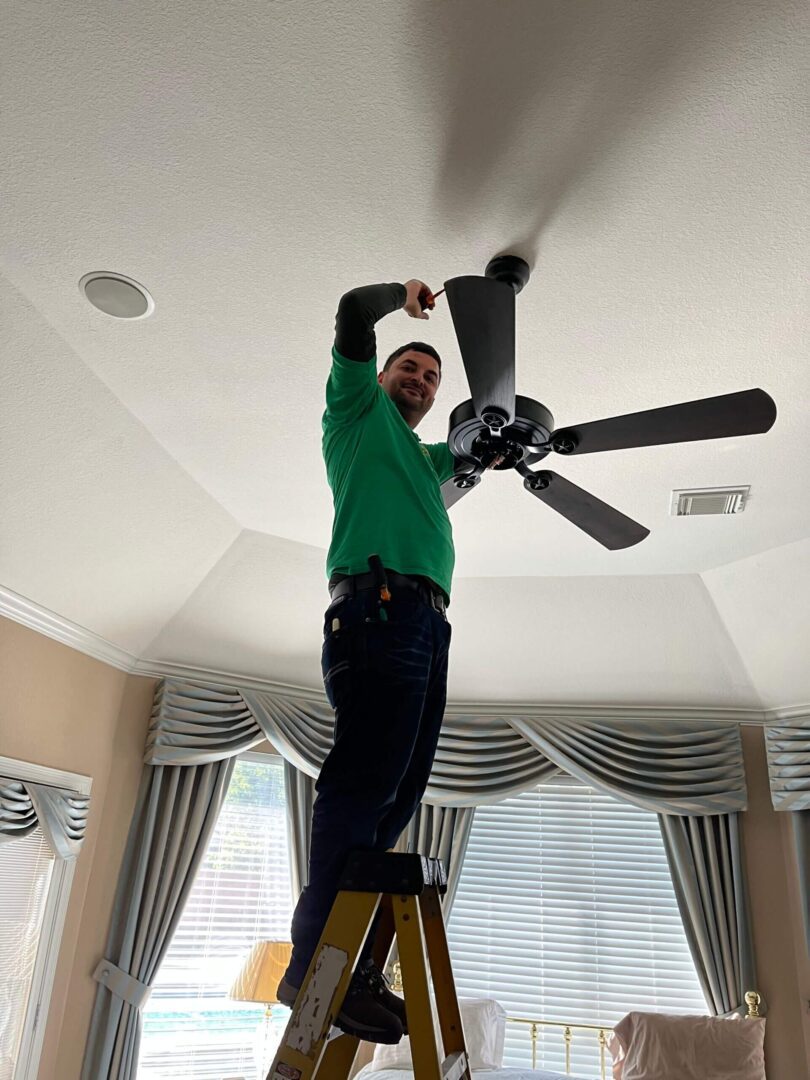
A chandelier can change the feel of a foyer, dining room, living room, or primary suite in a single afternoon. But chandelier installation is not simply a matter of connecting a few wires and raising a fixture into place. The ceiling structure, electrical box, fixture weight, switch controls, and mounting height all need to work together safely. A beautiful fixture should feel permanent and secure, not like a concern every time someone walks beneath it.
For homeowners in Magnolia and the surrounding Houston area, professional installation offers confidence that the fixture is properly supported, wired correctly, and installed with the care your home deserves. This matters especially in older homes, remodels, rooms with high ceilings, and spaces where a new chandelier replaces a much lighter ceiling light.
A Chandelier Is Only as Secure as Its Ceiling Support
The fixture itself gets most of the attention, but the hidden support above the ceiling is what determines whether the installation is safe. Many existing ceiling boxes were installed for standard light fixtures and may not be rated to support the weight of a large chandelier. Hanging a heavy fixture from an unsuitable box or relying on drywall anchors can create a serious falling hazard.
A licensed electrician begins by assessing the existing electrical box, mounting hardware, and accessible framing. Depending on the chandelier’s listed weight and the ceiling construction, the box may need to be replaced with a properly rated fixture box or supported with a brace secured between framing members. The canopy and chain may hide the hardware after the job is complete, but the support system should never be an afterthought.
Weight is not the only consideration. A chandelier installed on a vaulted, sloped, or very high ceiling may require specialized mounting components, additional cable management, or a longer downrod. These details affect both the fixture’s appearance and its ability to hang straight and stable.
Wiring Matters as Much as the Mounting
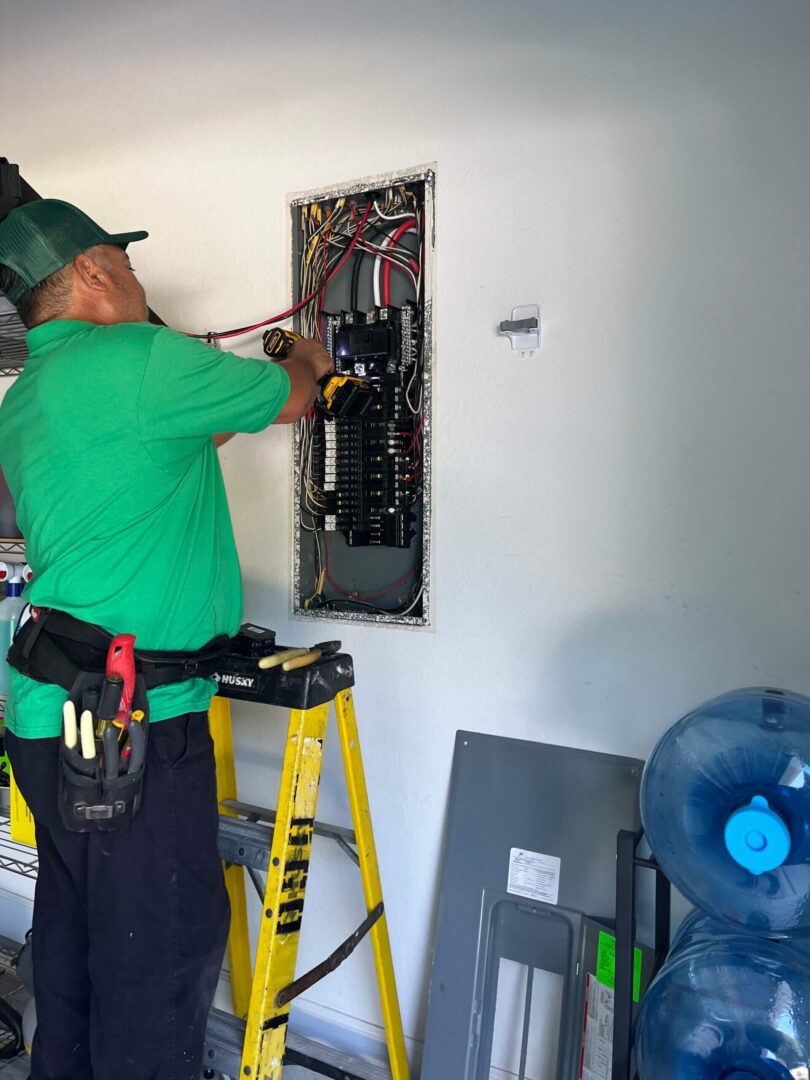
A chandelier installation may use an existing lighting circuit, but an electrician should still verify the condition and capacity of that circuit before connecting the fixture. Loose connections, damaged insulation, outdated wiring methods, or an overloaded circuit can turn a lighting upgrade into a safety issue.
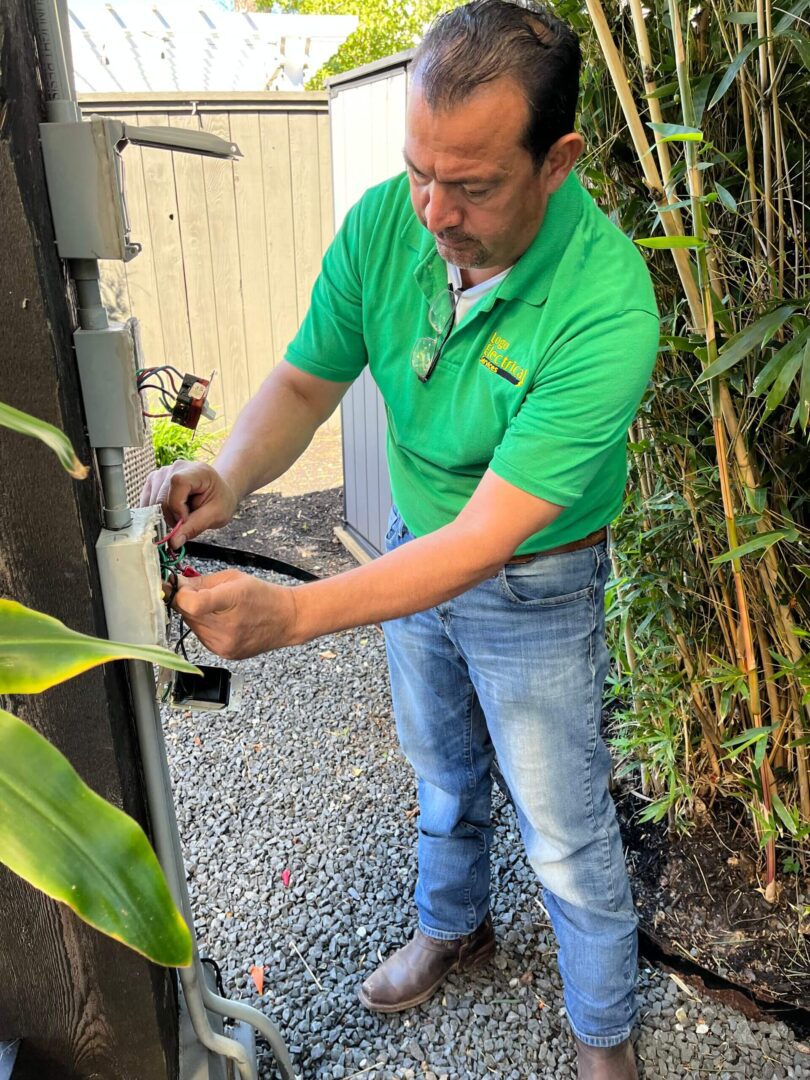
Proper installation includes making secure connections inside an approved electrical box, grounding the fixture when required, and confirming that the switch operates as intended. If the chandelier is being added where no ceiling light previously existed, new wiring may need to be routed from a switch location or an accessible power source. That work should be planned around the home’s construction so the finished result is clean and code-compliant.
Older homes deserve particular attention. A homeowner may remove an existing fixture and find brittle wire insulation, a missing ground conductor, or a box that has shifted over time. These conditions do not always mean a major rewiring project is necessary, but they do call for a qualified diagnosis before a new chandelier is installed.
Choosing the Right Height and Position
The right height makes a chandelier useful, comfortable, and visually balanced. In a dining room, a common starting point is roughly 30 to 36 inches from the tabletop to the bottom of the fixture. Ceiling height, chandelier size, and the room’s proportions can move that number up or down. A large fixture over a long table may need to sit a little higher, while a smaller fixture in an intimate dining area can often hang lower.
In a foyer or open living area, clearance becomes the priority. The chandelier should not interfere with door swings, walking paths, or sightlines. For a two-story entry, a fixture often looks best when centered in the open space rather than simply positioned at an arbitrary distance from the ceiling.
Placement also matters when the chandelier is installed over a table, kitchen island, or seating area. The electrical box should be centered on the feature below it, not merely on the room’s ceiling. If the existing box is in the wrong location, moving it is usually a better long-term solution than selecting a fixture that compromises the layout.
Dimmers and Lighting Controls
Most homeowners want a chandelier to do more than provide full brightness all the time. A compatible dimmer can give a dining room a softer setting for meals, make a foyer more welcoming, and reduce glare from exposed bulbs or crystal accents.
Compatibility is key. LED bulbs and integrated LED chandeliers often require a dimmer designed for that specific lighting technology. Using the wrong dimmer can cause flickering, buzzing, limited dimming range, or early bulb failure. An electrician can match the control to the fixture and discuss practical options such as a standard wall dimmer, a smart switch, or multi-location controls for rooms with more than one entrance.
When Replacing an Existing Fixture Is Not a Simple Swap
Replacing a lightweight pendant with a substantial chandelier often uncovers issues that were invisible before the old fixture came down. The current box may be undersized or loosely mounted. The opening in the ceiling may be too large for the new canopy. The old fixture may have been installed without a proper ground, or the new chandelier may require a different mounting configuration.
Ceiling height can add another layer of complexity. In rooms with ceilings higher than a standard ladder can safely reach, the work may require specialized access equipment and careful coordination. Crystal fixtures, tiered chandeliers, and fixtures with many individual components also need patient assembly and handling to avoid damage.
There is a trade-off between keeping installation costs low and addressing conditions correctly. Reusing existing equipment can make sense when it is properly rated, secure, and in good condition. When it is not, replacing the box, adding support, or correcting the wiring protects both the fixture and the people in your home.
What to Have Ready Before Your Electrician Arrives
Having the chandelier on-site is helpful because the fixture instructions, mounting hardware, weight, and control requirements guide the installation plan. If you are still shopping, save the product specifications and share the fixture weight, dimensions, ceiling type, and desired hanging height before scheduling.
It is also useful to think through how you want to use the light. Decide whether you want dimming, smart controls, a warmer bulb color, or separate switching from other lights in the room. If the fixture will hang above a dining table or island, confirm whether the furniture placement is final. A little planning before electrical work begins can prevent an off-center fixture or a control setup that does not fit your routine.
Keep the work area clear and protect nearby furniture, especially beneath the installation location. A professional electrician will work carefully, but chandelier installation involves ladders, tools, packaging, and sometimes ceiling access.
Why Licensed Installation Is Worth It
A chandelier is both a decorative investment and an electrical fixture. The work must satisfy the fixture manufacturer’s instructions, applicable electrical requirements, and the practical demands of your home. That means more than making the lights turn on. It means ensuring the box is rated, the load is supported, connections are protected, grounding is addressed, and the fixture is mounted securely.
Logo Electrical Services brings more than 45 years of industry experience to residential electrical work, with the straightforward communication and honest pricing homeowners expect from a family-owned local contractor. Whether you are updating one room or completing a larger renovation, a licensed electrician can explain what the installation requires before work begins and handle the details cleanly.
The best chandelier does not call attention to the work behind it. It simply hangs level, lights the room beautifully, responds when you reach for the switch, and stays securely where it belongs for years to come.