You plug in a new appliance, flip on the microwave, and suddenly part of the house goes dark. That kind of frustration is often more than a nuisance. It can be a sign that a panel upgrade is no longer optional, especially in older homes that were never designed for today’s electrical demands.
Your electrical panel is the control center for your home’s power. It distributes electricity to lighting, outlets, major appliances, HVAC equipment, and newer additions like EV chargers, generators, and hot tubs. When the panel is outdated, undersized, or showing signs of wear, the entire system can become less reliable and less safe.
For many homeowners in Magnolia and the greater Houston area, the question is not whether electrical technology has changed. It has. The real question is whether your current panel can keep up with the way your household actually uses power.
What a panel upgrade really does
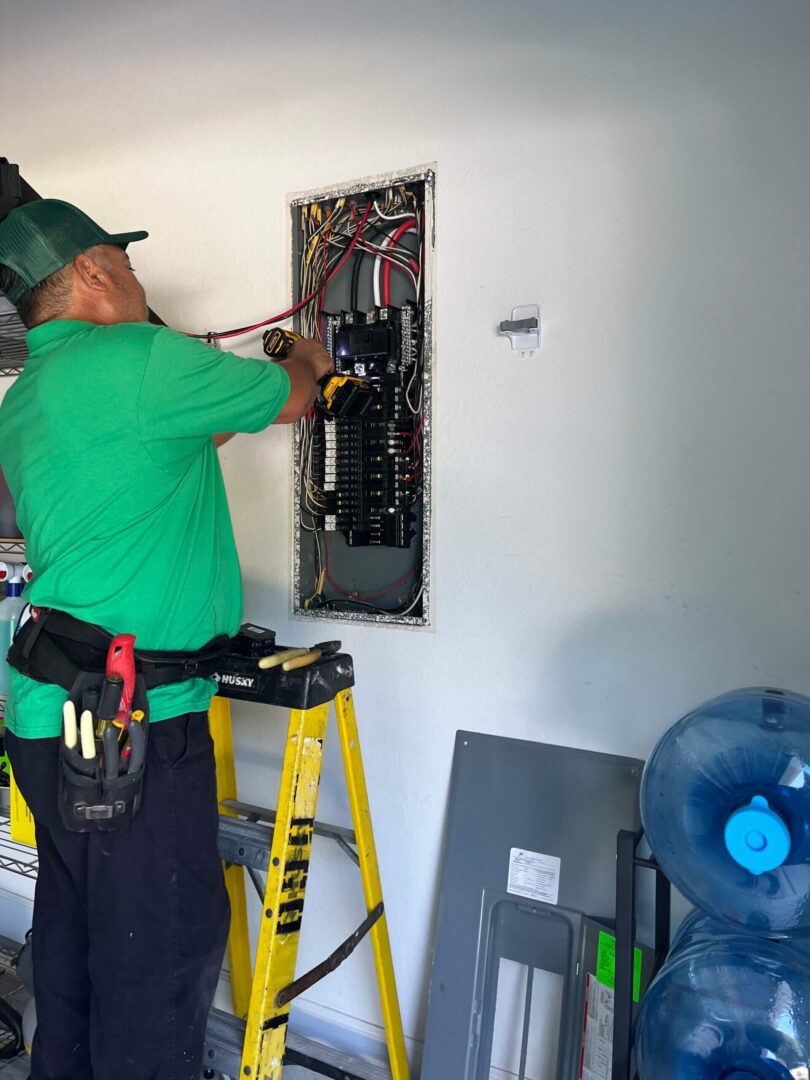
A panel upgrade replaces or modernizes the equipment that manages your home’s electrical circuits. In some cases, that means swapping out an old panel with a new one that offers more capacity. In others, it may involve replacing damaged breakers, correcting unsafe wiring conditions, or increasing service from 100 amps to 200 amps.
This is not just about adding more breaker spaces. A proper panel upgrade can improve safety, support new appliances, reduce nuisance tripping, and bring the system closer to current code requirements. It also gives a licensed electrician the opportunity to inspect the broader condition of the electrical service and identify issues that may not be obvious to a homeowner.
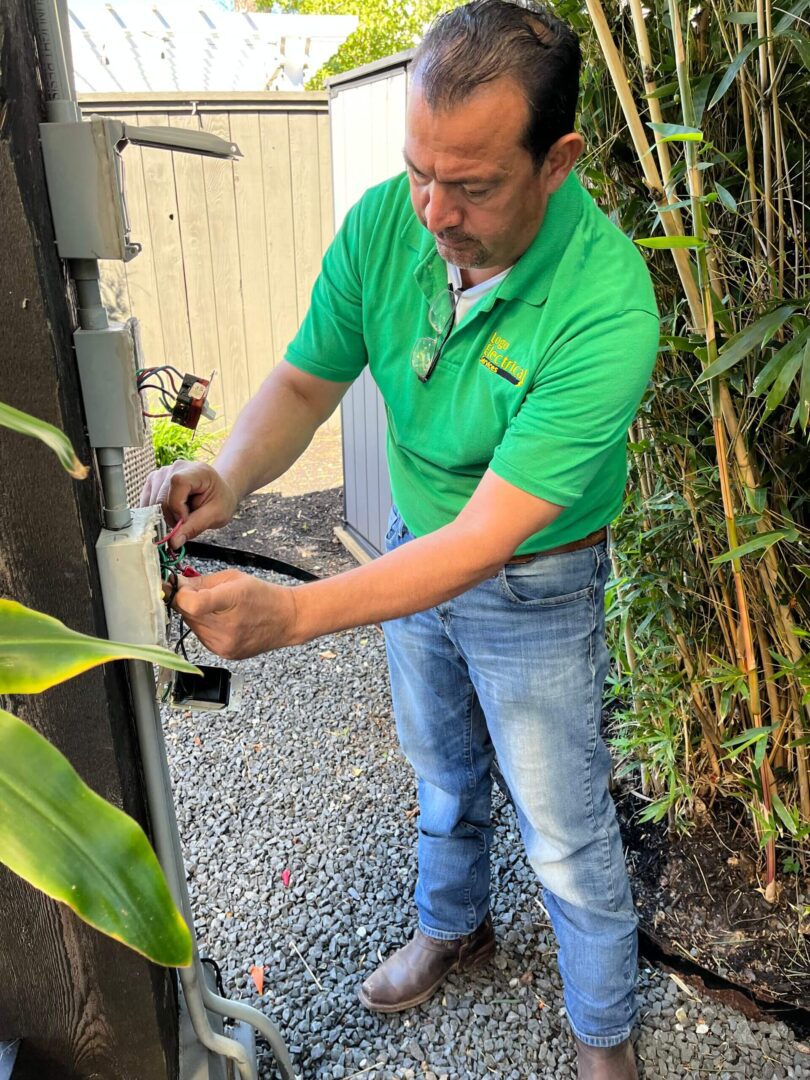
That last point matters. Sometimes the panel is the problem. Sometimes the panel is only one part of a larger issue involving the meter base, grounding, service entrance conductors, or overloaded branch circuits. A good electrician will tell you the difference instead of recommending more work than you need.
Signs your home may need a panel upgrade
Some warning signs are hard to miss. If breakers trip frequently, lights dim when large appliances start, or you notice buzzing, warmth, or a burnt smell near the panel, it is time to have the system checked right away. Those symptoms can point to overloads, loose connections, or failing components.
Other signs are easier to overlook because they build slowly over time. Maybe you rely on extension cords in too many rooms. Maybe a garage conversion, home office, or kitchen remodel added new demand without updating the electrical service. Maybe your home still has an older panel brand known for reliability concerns, or a fuse box instead of modern breakers.
A panel upgrade is also worth considering if you are planning to install major equipment. Central air systems, electric water heaters, backup generators, electric ranges, and EV chargers all place meaningful demand on the panel. Even if your current setup still works, it may not have enough capacity to support those additions safely.
Older homes and modern power needs
Many older homes were built around a much lighter electrical load. Decades ago, families were not charging multiple devices, running large entertainment systems, or installing high-demand smart home equipment. Kitchens had fewer appliances. Garages were not expected to support EV charging. Outdoor living spaces were simpler.
That gap between old infrastructure and modern usage is where trouble starts. A home can appear functional while still operating with a panel that is undersized for daily life. In practice, that can lead to overheated circuits, inconvenient outages, and added strain on wiring.
This is why panel upgrades are often part of bigger home improvement plans. If you are remodeling, adding square footage, replacing HVAC equipment, or converting gas appliances to electric, your electrician should evaluate whether the existing panel still fits the load. It is much easier and more cost-effective to address the panel at the right time than to finish a project and discover the electrical service is holding everything back.
When repair may be enough and when it is not
Not every panel issue calls for full replacement. Sometimes a specific breaker has failed, a connection has loosened, or corrosion is limited and manageable. A licensed electrician may be able to make targeted repairs if the panel is otherwise in good condition and properly sized.
The trade-off is longevity and capacity. If the panel is already near its limit, packed with tandem breakers, or showing age-related wear, repairing one issue may only postpone a larger upgrade. Homeowners deserve a clear explanation here. Honest pricing is not just about the number on the estimate. It is also about recommending the right scope of work for the condition of the system.
That is one reason professional evaluation matters so much. A trustworthy contractor will look at the panel, the home’s load, the age of the equipment, and your future plans before making a recommendation. If a repair is enough, you should hear that. If a panel upgrade is the safer long-term choice, you should hear that too.
What happens during a panel upgrade
A panel upgrade usually starts with a load calculation and inspection. The electrician reviews the home’s existing service, identifies code or safety concerns, and determines the right panel size for current and anticipated demand. Permitting and coordination with the utility may be part of the process, depending on the scope of work.
On installation day, power is shut off so the old panel can be removed and the new equipment installed. Circuits are labeled, breakers are matched correctly, grounding and bonding are verified, and the system is tested before power is restored. In some cases, related components such as the meter socket, service mast, or grounding electrodes may also need attention.
A clean, code-compliant installation is the goal. Homeowners should expect clear communication about downtime, what is being replaced, and whether any additional corrections are needed. This is skilled work, not a shortcut job, and it should be handled by a licensed electrician with experience in residential service upgrades.
Safety, insurance, and resale value
The strongest reason to take a panel problem seriously is safety. Electrical faults can damage appliances, interrupt critical systems, and increase fire risk. If a panel is overheating, arcing, or failing to trip properly, the danger is not theoretical.
There are practical property concerns as well. Insurance carriers may raise questions about certain obsolete panel brands, fuse boxes, or visibly outdated electrical systems. Buyers often do the same during a home sale. A modern panel does not guarantee a higher offer by itself, but it can remove a common objection and show that the home has been maintained responsibly.
That matters most when the upgrade is done correctly. Permits, inspections, and licensed workmanship help protect the homeowner long after the job is finished. Cutting corners on electrical work almost always becomes more expensive later.
Choosing the right electrician for a panel upgrade
A panel upgrade is not the place to gamble on the lowest bid. You want a licensed electrical contractor who can evaluate the whole system, explain the options in plain language, and complete the work to code. Experience matters because older homes, mixed wiring conditions, and service changes often come with surprises.
You should also expect transparency. A reputable electrician will explain whether you need a simple repair, a full panel replacement, or a service capacity increase. They should be upfront about pricing, timing, and any utility or permit steps involved. That kind of communication is part of doing the job right.
For homeowners who value safety, responsiveness, and honest recommendations, working with an established family-owned contractor can make the process much less stressful. At Logo Electrical Services, that approach is built around licensed expertise, straightforward guidance, and workmanship that holds up over time.
The right time to act
Waiting until the power fails completely is rarely the best plan. If your home is showing signs of electrical strain, if you are adding major equipment, or if your panel is simply outdated, this is the right time to ask questions and get a professional assessment.
A panel upgrade is not about chasing the newest feature. It is about making sure your home can safely support the way you live now, and the way you may want to live next year. When your electrical system is dependable, the rest of the house works the way it should.