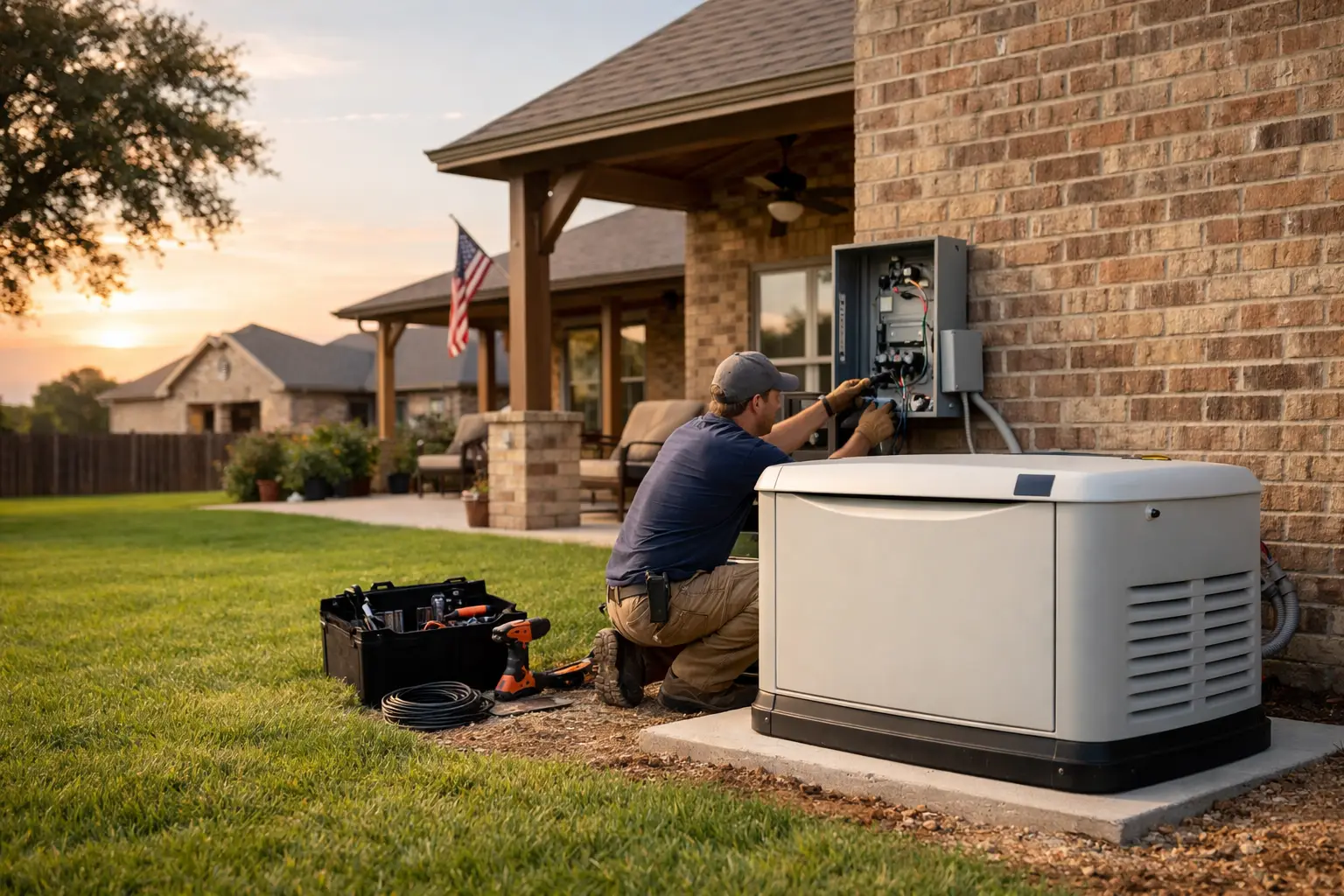
A standby generator is only as dependable as the system installed around it. The best generator installation packages do more than place a generator beside your home. They match backup power to your household needs, connect it safely to the electrical system, account for fuel supply, and make sure the work meets applicable codes.
For homeowners in Magnolia and the greater Houston area, that planning matters. Storm outages can last longer than expected, summer heat puts real pressure on families, and a poorly sized or improperly connected generator can create more problems than it solves. A clear installation package gives you a defined scope of work, honest expectations, and a backup power system built to perform when you need it.
What Should Be Included in the Best Generator Installation Packages?
A quality package starts with an in-home assessment. Before recommending equipment, a licensed electrician should evaluate your electrical panel, the size of your home, major appliances, and the circuits you want to keep running. The goal is not to sell the largest generator available. It is to recommend a system that supports your priorities without paying for unnecessary capacity.
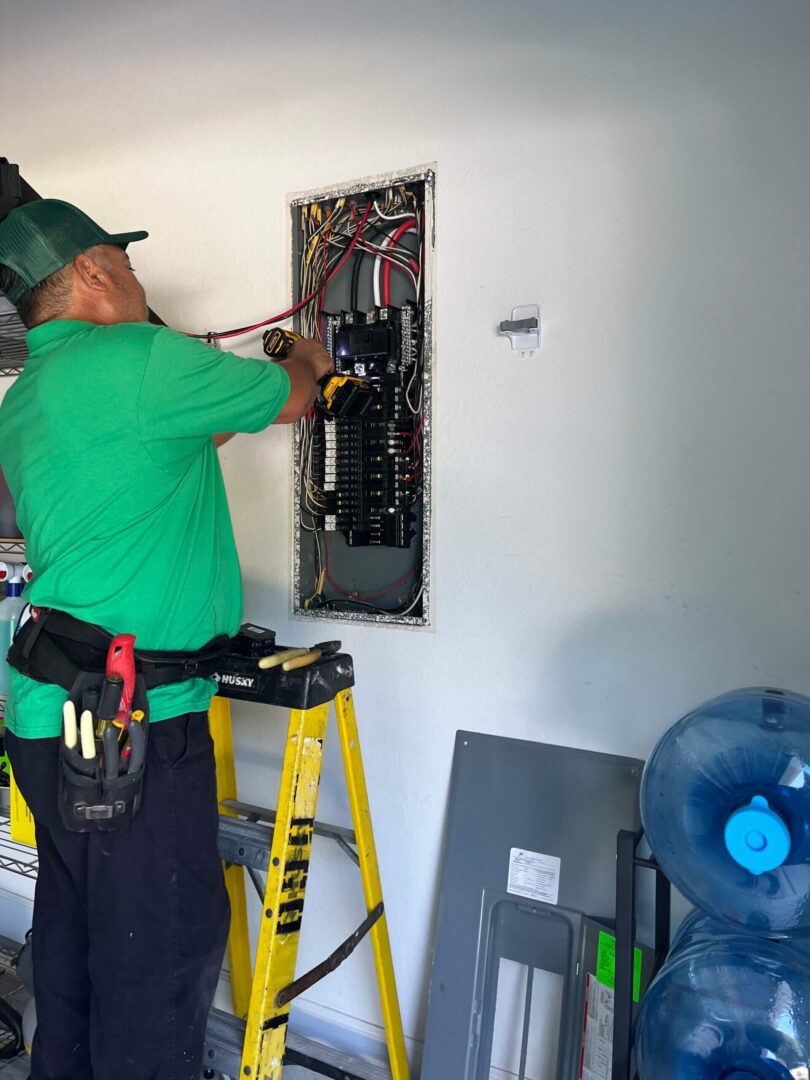
Most complete standby generator installations include the generator itself, a properly sized automatic transfer switch, electrical connections, startup and testing, and coordination with the fuel source. The package should also address the generator pad, exterior placement, disconnects, conduit, grounding, and any panel work required for a safe connection.
Permitting and code compliance deserve the same attention as the equipment. Local requirements, utility rules, property setbacks, and gas-line considerations can affect the final scope. A professional installer explains what is included, identifies work that may require coordination with another trade, and does not treat these details as an afterthought.
Generator sizing based on how you live
The first decision is whether you want essential-circuit coverage or whole-home backup power. An essential-circuit package is often a practical choice for homeowners who mainly want refrigeration, lighting, internet, a few outlets, garage access, and selected HVAC equipment. It can provide meaningful protection at a lower initial investment.
A whole-home package is designed for households that want more complete coverage, including multiple air-conditioning systems, larger appliances, well pumps, pool equipment, or other major loads. It offers greater convenience during an outage, but it may require a larger generator, more fuel capacity, and electrical upgrades. The right choice depends on your home, budget, and what you consider non-negotiable during a power interruption.
An experienced electrician can perform a load calculation and walk through real-world scenarios. For example, a family with young children, medical equipment, or a home office may place a higher value on continuous cooling and reliable internet. A homeowner who travels frequently may prioritize automatic operation to protect the home while away.
The transfer switch is not an optional detail
The automatic transfer switch is a central part of a standby generator system. When utility power goes out, it signals the generator to start and transfers approved electrical loads to backup power. When utility power returns, it transfers the home back and allows the generator to shut down safely.
This equipment protects your home and helps prevent dangerous backfeeding into utility lines. Backfeeding can injure utility workers, damage equipment, and create a serious fire hazard. A safe generator installation uses the right transfer equipment and is completed by qualified, licensed professionals.
Some homes need a service-rated transfer switch, while others may use a different configuration based on the existing electrical service and the desired coverage. This is one reason package pricing should never be based on a quick estimate alone. The electrical infrastructure behind the generator matters.
Comparing Generator Installation Package Options
The best package is not always the most expensive one. It is the one that clearly covers your needs and identifies every significant part of the project. When comparing proposals, ask whether the price includes the generator, transfer switch, installation materials, labor, electrical permits, startup, testing, and customer instruction.
A basic essential-power package may be a good fit when the home has a modern electrical panel, a straightforward generator location, and a manageable list of priority circuits. It is often the most cost-conscious path to keeping core household functions available during an outage.
A whole-home standby package generally includes a larger generator and transfer equipment capable of managing more electrical load. It may also involve upgrading the service equipment, adjusting the panel layout, or adding load-management controls. These systems cost more because they are designed to do more, not because they are automatically better for every home.
For older homes, the best generator installation package may begin with electrical improvements. A worn panel, limited service capacity, outdated wiring methods, or insufficient surge protection can affect both safety and performance. Addressing those conditions before or during installation can help protect your investment and prevent avoidable service issues later.
Fuel supply and placement affect the final scope
Most permanent home standby generators operate on natural gas or propane. Natural gas can be convenient when service is available, but the gas system must be evaluated to confirm it can supply the generator during operation. Propane can be an excellent option in areas without natural gas, though tank size, refill planning, and placement need to be considered.
Generator location also affects cost and design. The unit needs adequate clearance for ventilation, safe service access, and compliance with local requirements. Longer runs of electrical conduit, gas piping, or trenching can add to the project. These are normal variables, and a trustworthy proposal explains them before work begins.
It is wise to ask whether the package includes a site visit rather than relying on a phone-only quote. Clear upfront planning is one of the best ways to avoid surprises after installation starts.
Why Licensed Installation Protects Your Home
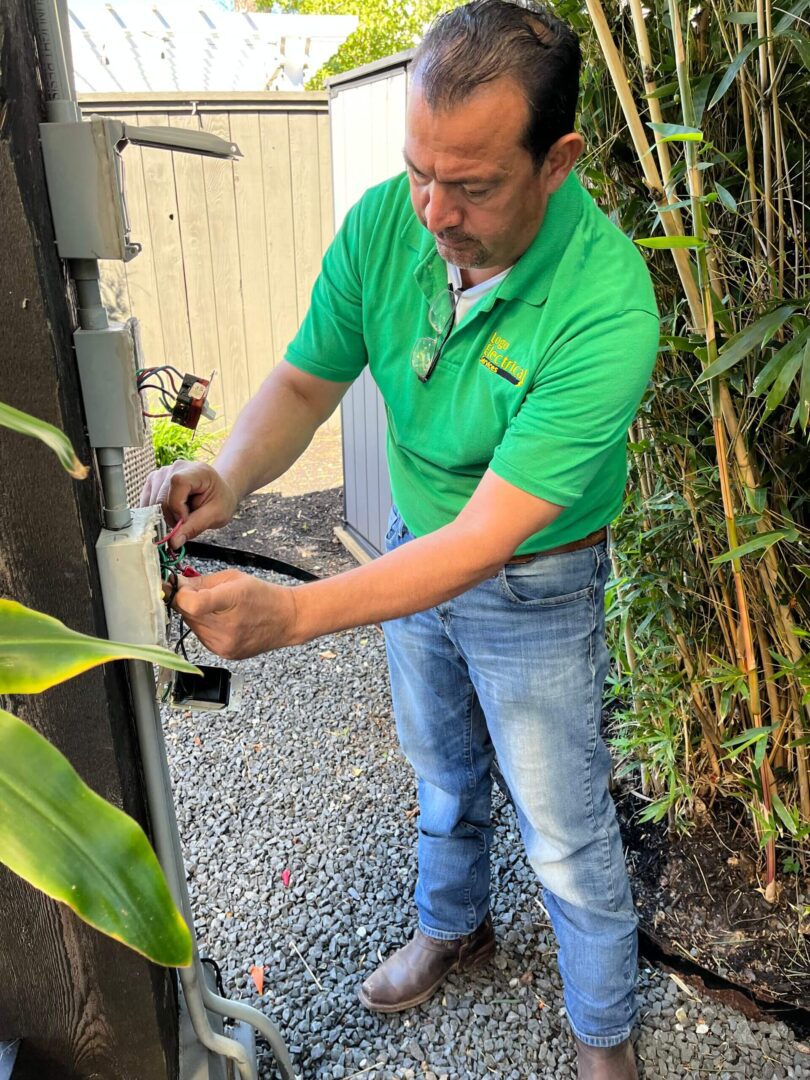
A generator connects to some of the most critical systems in your home. That work should be handled with the same care as a panel upgrade or new service installation. Proper installation involves electrical load calculations, overcurrent protection, grounding and bonding, weather-rated equipment, safe fuel coordination, and thorough testing.
Licensed electrical work also gives homeowners confidence that the installation is being completed with code requirements and manufacturer specifications in mind. A generator that starts but does not transfer power correctly, overloads under demand, or lacks proper protection is not a dependable backup plan.
At Logo Electrical Services, our approach is built around clear communication, honest pricing, and work done right the first time. With more than 45 years of industry experience, our team helps homeowners understand what their installation requires before they commit to a system.
Professional testing should be part of the process. After installation, the system should be started, transferred under appropriate conditions, and checked for correct operation. Homeowners should also receive a clear explanation of basic operation, maintenance expectations, and what to do if the generator displays an alert.
Questions to Ask Before You Choose a Package
Before selecting a generator installer, ask who will perform the electrical work and whether the scope is written clearly. You should know whether permits and inspections are included, what transfer switch will be used, how generator size was determined, and which circuits or loads will be covered.
Ask about exclusions as well. Fuel-line work, concrete pads, trenching, panel upgrades, landscaping repairs, and utility coordination may vary by property. There is nothing wrong with a project having variables, but those variables should be discussed honestly rather than appearing later as unexpected charges.
You should also consider service after installation. Standby generators need periodic exercise, maintenance, and occasional troubleshooting. Choosing a local electrical contractor that communicates clearly and stands behind its work can make ownership much easier over the long term.
Plan Backup Power Before the Next Outage
A generator is easiest to choose when you are not making decisions in the middle of a storm. Start by listing the appliances and systems your family truly needs, then schedule an on-site evaluation with a licensed electrician. A well-defined installation package can give you dependable backup power, a safer electrical connection, and confidence that your home is prepared when the lights go out.