A panel upgrade rarely starts as a planned home improvement. More often, it starts when breakers trip during dinner, an inspector flags an aging panel, or a new EV charger suddenly turns a minor electrical limitation into a real problem. That is why a breaker panel upgrade cost comparison matters – not just for budgeting, but for understanding what you are actually paying for and what your home needs.
For most homeowners, the price can vary more than expected because a panel upgrade is not one single job. The final cost depends on your existing service, the size of the new panel, whether the meter base or service mast needs work, and how much code-related correction is required along the way. If you are comparing estimates in Magnolia or the greater Houston area, it helps to know what should be included before you decide which quote is truly fair.
What a breaker panel upgrade cost comparison should include
A good comparison starts with scope, not just price. Two quotes can look hundreds or even thousands of dollars apart while covering very different work. One may include permit fees, grounding updates, surge protection, labeling, and full replacement of worn breakers. Another may only cover swapping the panel cabinet and reconnecting the existing circuits.
That difference matters. A lower number is not always a better value if it leaves out the work needed to bring the system up to code or to support the upgrades you have planned for the home. Homeowners often run into this when they add a generator connection, HVAC equipment, or EV charger after the panel work is complete and realize the original job was only a partial fix.
When reviewing quotes, make sure you understand whether the contractor is pricing a panel replacement, a service upgrade, or both. Those are related jobs, but they are not always the same thing.
Panel replacement vs. service upgrade
A panel replacement usually means the existing electrical panel is being removed and replaced with a new one, often in the same amperage. If you already have adequate incoming service and the utility side does not need to change, this can be the more straightforward option.
A service upgrade goes further. This usually means increasing the home from something like 100 amps to 150 or 200 amps, which may require a new meter base, service entrance cable, grounding improvements, and utility coordination. It is a larger job with more moving parts, which is why the cost rises quickly.
That distinction is one of the biggest reasons homeowners get confused during a breaker panel upgrade cost comparison. If one electrician is quoting a 200-amp service upgrade and another is quoting a basic panel swap, the numbers should not be close.
Typical price ranges homeowners should expect
In many homes, a basic panel replacement may fall around the low-to-mid thousands, while a full 200-amp service upgrade often lands higher once permits, labor, and related materials are included. If the home has older wiring, a difficult panel location, or utility equipment that must be changed, the total can move up from there.
There is no honest one-size-fits-all number because homes are different. A newer home with accessible wiring and a clean installation path is typically less expensive than an older home where the panel is undersized, circuits are crowded, and grounding does not meet current code.
This is also why unusually cheap quotes deserve a second look. Sometimes they are competitive and fair. Other times they are missing permit costs, code updates, or finish work that becomes an added charge later.
Lower-cost panel jobs
On the lower end, you may be looking at a like-for-like panel replacement where the amperage stays the same, the utility connection remains unchanged, and the wiring is in usable condition. These jobs are more predictable because fewer parts of the system need to be touched.
Mid-range upgrades
Mid-range projects often involve moving to a larger panel, adding more breaker spaces, improving grounding, and correcting a handful of code issues discovered during the work. This is common in homes that are adding modern electrical loads but do not need extensive rewiring.
Higher-cost upgrades
The higher end usually includes a full service upgrade, major code corrections, replacement of outdated equipment, relocation of the panel, or work tied to generator readiness, pool equipment, workshop circuits, or EV charging. If utility coordination or exterior service equipment changes are involved, labor and scheduling complexity both increase.
The biggest factors that change the price
The amperage upgrade is a major driver. Moving from 100 amps to 200 amps is more involved than replacing a worn 200-amp panel with a new 200-amp panel. More capacity usually means more than just a bigger box.
Panel brand and breaker compatibility can also affect cost. Some installations require specific breakers or equipment configurations, and not all panels are equal in quality or future expandability. A dependable installation is not the place to cut corners on parts.
The condition of the existing system matters too. If the electrician finds double-tapped breakers, improper grounding, damaged conductors, or signs of heat at the bus bar, the repair scope may expand. That does not mean someone is upselling you. It often means the old panel was hiding problems that need to be corrected for safety.
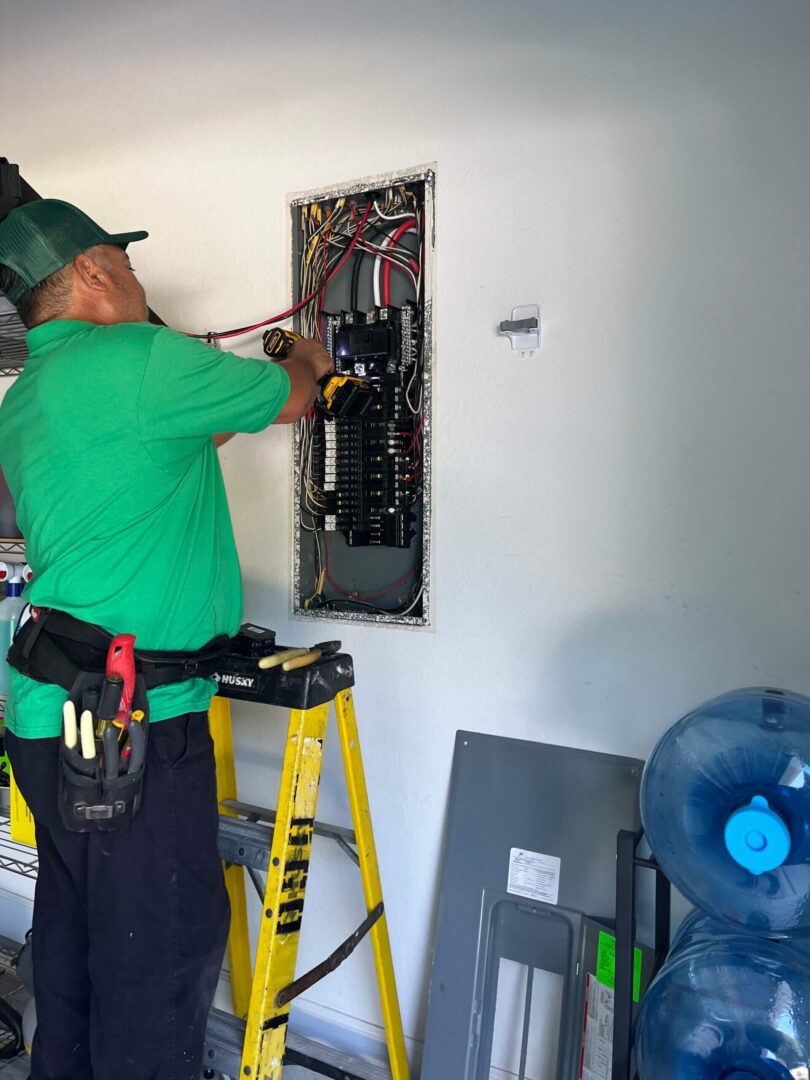
Location can influence labor as well. A garage panel with good access is generally easier to replace than a panel tucked into a tight utility room or one that requires exterior service work in a difficult spot. If drywall repair, masonry penetration, or relocation is needed, that adds cost.
Permit requirements and utility coordination should be part of the conversation from the start. Licensed electrical work should be permitted where required, and your quote should make clear whether that is included.
Comparing quotes the right way
The best way to compare estimates is line by line. Ask what amperage is being provided, whether the quote includes permit fees, whether surge protection is included, and whether grounding and bonding will be brought up to current standards if needed.
You should also ask whether the contractor has allowed for replacing damaged breakers, organizing and labeling circuits, and handling utility shutoff and reconnect coordination. Those details may sound minor now, but they affect both safety and convenience.
A trustworthy contractor should be able to explain the job in plain language. If a quote is vague, unusually low, or heavy on allowances that could change later, ask for clarification before you commit. Honest pricing is not always the lowest pricing. It is pricing that accurately reflects the work required.
When a panel upgrade is worth the investment
If your home still has a 100-amp panel and you are adding major appliances, a generator interlock, or an EV charger, an upgrade can prevent constant overload issues and make future projects easier. The same is true if your current panel is outdated, unsafe, or from a manufacturer with a poor track record.
A panel upgrade can also add value in less obvious ways. It improves available capacity, supports safer distribution of electrical load, and gives licensed electricians a cleaner foundation for future work. For many families, the real benefit is peace of mind. You are not just buying a metal box with breakers. You are updating a critical safety system for the house.
That said, not every home needs a full service upgrade right away. In some cases, a subpanel, load calculation, or targeted circuit work may solve the immediate problem at a lower cost. A good electrician should tell you when a full upgrade is necessary and when a smaller solution makes more sense.
Why experience matters in a breaker panel upgrade cost comparison
This is one of those jobs where experience shows. An accurate quote depends on spotting problems before the work starts, understanding local code requirements, and planning for utility coordination, shutdown timing, and safe reconnection. That is why homeowners tend to value licensed contractors who explain the process clearly and stand behind the work.
For a family-owned company like Logo Electrical Services, that trust matters. Homeowners are not just hiring someone to replace equipment. They are trusting an electrician to work on the heart of the home’s electrical system, often while balancing budget concerns with real safety issues.
If you are gathering estimates, look past the bottom-line number long enough to understand what each contractor is offering. A fair quote should reflect quality materials, code-compliant installation, permit handling, and the kind of workmanship that keeps your home safe for years to come.
The right panel upgrade should leave you with more than extra breaker space. It should leave you confident that the job was done right, priced honestly, and built for the way your home will be used next.