A new EV is exciting. Finding that the charging cable barely reaches your parking spot, crosses a walkway, or requires an extension cord is not. When homeowners ask, “where should EV charger go,” the best answer starts with how and where they actually park every day – then considers electrical capacity, safety, local code requirements, and room for future needs.
For most Magnolia and Houston-area homeowners, a professionally installed Level 2 charger in the garage is the most convenient option. But the exact wall, height, circuit route, and location of the vehicle’s charge port all matter. A licensed electrician can help you choose a placement that works reliably for years, not just on the day it is installed.
Where Should an EV Charger Go for Daily Convenience?
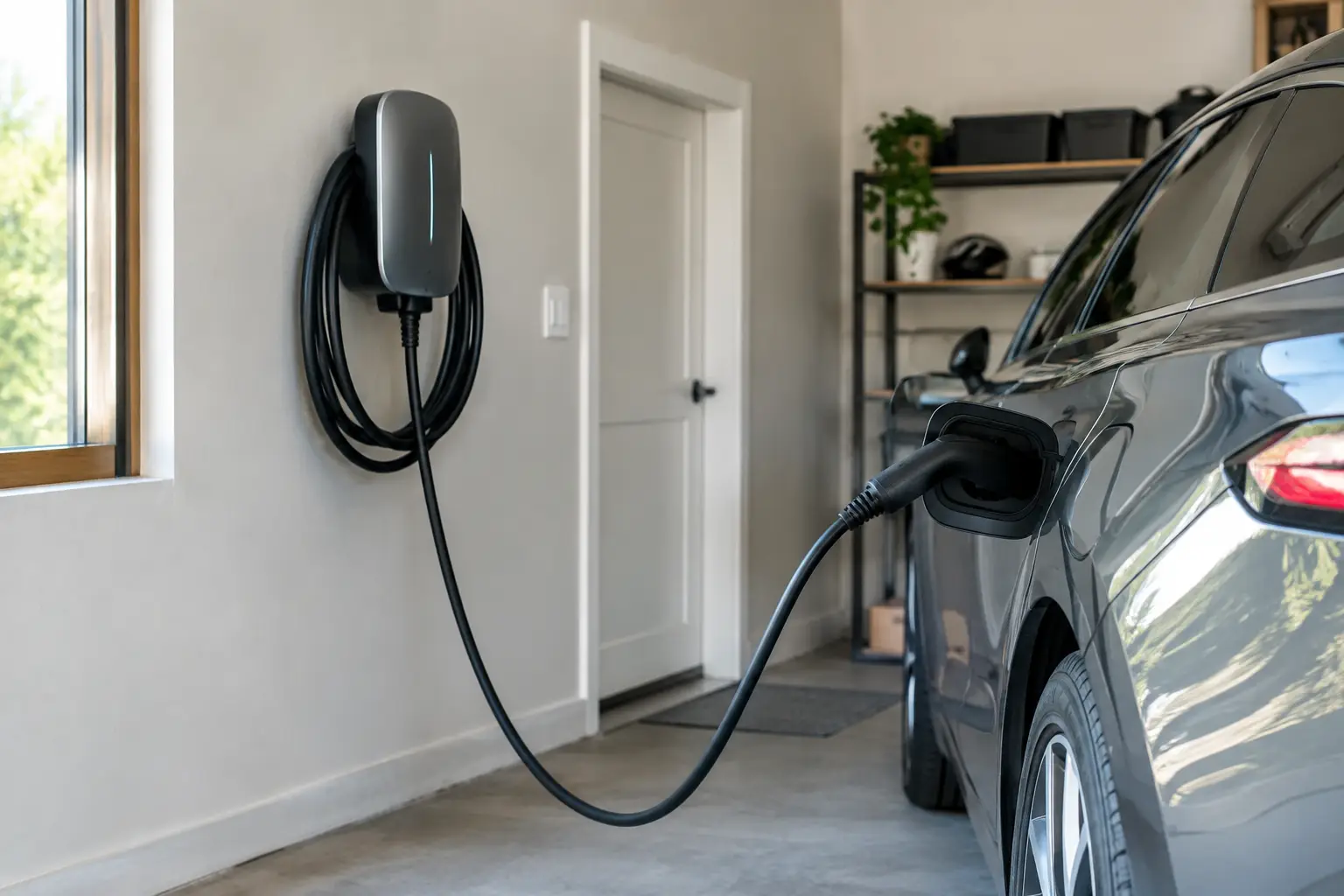
The charger should generally be placed on the wall nearest your vehicle’s charging port, while still keeping the cable clear of walking paths, doors, storage areas, and garage equipment. This sounds simple, but charge-port location varies by vehicle. Some EVs charge from the front, others from the rear, and many have ports on the driver’s side.
Before selecting a wall, park the vehicle where it normally sits and note where the port falls. A charging cable should reach the port comfortably without being pulled tight. It also should not need to run under the garage door, across a main entry path, or around a vehicle where it could be damaged.
In a two-car garage, think beyond the current vehicle. If a second EV may be part of your household in a few years, a central location, a charger with a longer approved cable, or conduit installed for a future circuit may be the smarter investment. Planning ahead can reduce disruption and cost when your electrical needs change.
Choose a Protected, Accessible Wall
A garage wall is often preferable because it protects the charger from rain, direct sun, accidental impact, and unnecessary wear. The best location is usually clear of shelving, lawn equipment, bicycles, and areas where vehicles pull in close to the wall.
The charger needs to remain easy to access. It should not be hidden behind a freezer, blocked by storage cabinets, or installed in a spot that forces you to move items before every charge. Daily charging should feel routine, not like another household task to manage.
A qualified installer will also mount the equipment at an appropriate height based on the manufacturer’s instructions and applicable electrical requirements. Proper mounting protects the equipment, keeps the connector off the floor, and helps prevent cable damage.
Should Your EV Charger Be Near the Electrical Panel?
Distance from the electrical panel affects installation complexity and cost, but it should not be the only factor deciding where the charger goes. A shorter route to the panel may require less wiring and less labor. Still, placing a charger in an inconvenient or unsafe spot just to save a few feet of cable is rarely the right long-term choice.
A licensed electrician can evaluate the cleanest route from the panel to the preferred charging location. In some homes, wiring can be run through the garage attic, wall cavities, or approved surface-mounted raceway. In others, especially older homes or homes with finished spaces above the garage, the route may require more planning.
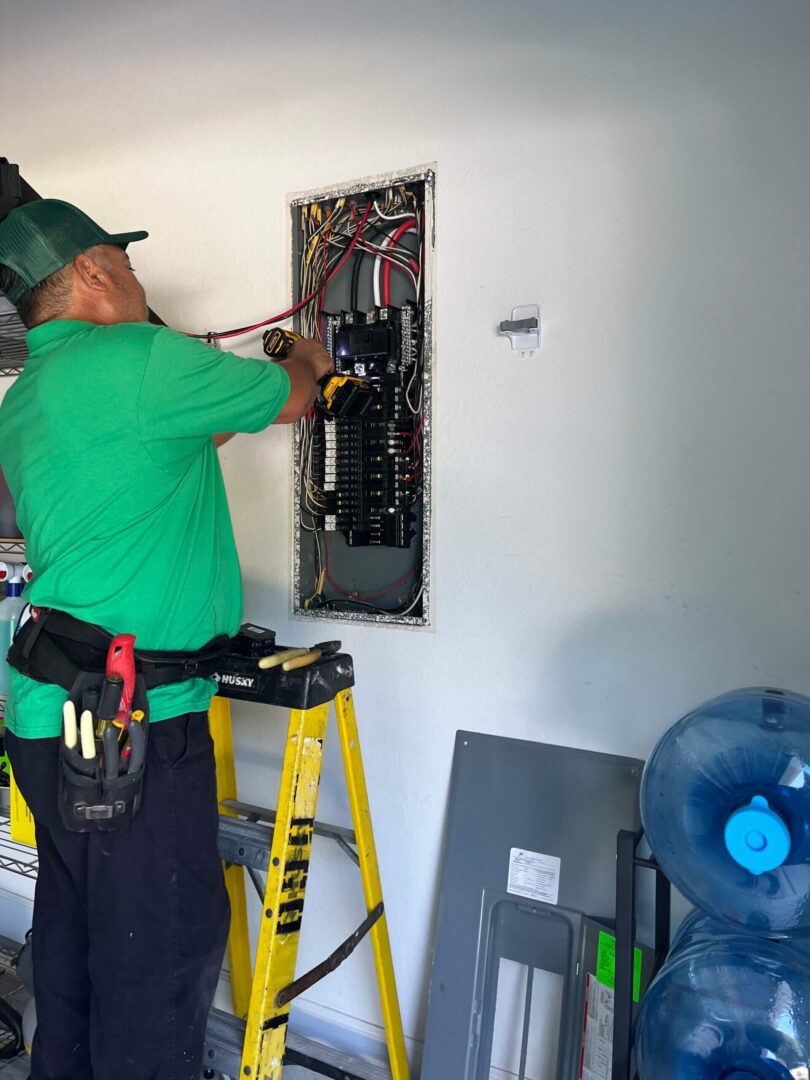
More importantly, the panel must have enough capacity for the charger. Level 2 EV charging typically uses a dedicated 240-volt circuit and can place a significant, sustained demand on the electrical system. The electrician should perform a load calculation that considers your home’s existing usage, including air conditioning, electric appliances, pool equipment, electric dryers, and other major loads.
If your current panel is full or undersized, a panel upgrade, subpanel, or load management solution may be necessary. This is not a reason to avoid an EV charger. It is an opportunity to make sure the home’s electrical system is prepared to support it safely.
Garage, Driveway, or Carport: Which Location Is Best?
A garage is often the first choice, but it is not the only safe option. The right location depends on where the vehicle is parked most often and whether the equipment can be protected and installed correctly.
Garage Charging
Garage installation is ideal for many homeowners because the charger and connector are shielded from weather. It also allows for a tidy installation with easy cable storage. For households that pull in at night and leave each morning, this is usually the most practical setup.
The main concern is clearance. Do not place the charger where a car door, garage door track, stored equipment, or vehicle bumper may strike it. A professional can recommend a location that is accessible without creating a hazard.
Driveway Charging
A driveway charger can work well when the garage is used for storage or when the EV is regularly parked outside. Outdoor-rated charging equipment must be used, and the installation must account for weather exposure, physical damage, and the routing of electrical wiring.
In Southeast Texas, outdoor equipment also faces intense heat, humidity, heavy rain, and occasional severe weather. Placement under a covered area can add protection, but the charger still needs to be rated for its environment. The cable should never create a trip hazard across a sidewalk or public path.
Carport and Detached Garage Charging
Carports and detached garages can be excellent charging locations when they are where the vehicle is parked. However, they may require a longer underground or overhead electrical run. That added distance can affect the project scope, and underground wiring must be installed using approved methods and depths.
For a detached structure, the electrician will assess the existing electrical feed, grounding, panel capacity, and whether a subpanel is needed. These details are not visible after the job is complete, but they are what make the installation safe and dependable.
Avoid These EV Charger Placement Mistakes
The wrong location can create a frustrating charging routine or, worse, an electrical safety concern. Homeowners should avoid using extension cords for regular EV charging. Standard extension cords are not designed for the continuous electrical load associated with Level 2 charging, and even portable charging equipment should be used exactly as the manufacturer directs.
It is also wise to avoid mounting a charger where water can collect, where it may be hit by a vehicle, or where the cable must cross a walkway. Do not assume an open breaker space means the panel can safely support an EV charger. Capacity must be evaluated, not guessed.
Finally, avoid treating permits and inspections as optional. Electrical permitting requirements can vary by location and project scope, but permitted work helps verify that wiring, overcurrent protection, grounding, and equipment installation meet applicable standards. It also provides documentation that can matter during a future home sale or insurance review.
A Practical Placement Checklist Before Installation
Before scheduling an installation, take a few minutes to consider the details that will help your electrician recommend the right location:
- Where does your vehicle normally park, and which side is the charge port on?
- How far is the preferred location from the electrical panel?
- Will the cable stay clear of doors, walkways, vehicles, and stored items?
- Are you likely to add another EV, upgrade vehicles, or install solar or battery equipment later?
You do not need to have every answer before calling an electrician. These questions simply help turn a general idea into a plan that fits your household.
Get an EV Charger Location That Works Long Term
An EV charger is more than a new outlet in the garage. It is a dedicated electrical system that should be sized, wired, protected, and positioned for the way your family uses the home. The right placement makes charging easy, protects your equipment, and avoids costly changes later.
Logo Electrical Services helps homeowners in Magnolia and surrounding Houston-area communities evaluate panel capacity, choose a practical charger location, and complete code-conscious EV charger installations with clear communication and honest pricing. A quick on-site assessment can turn uncertainty about placement into a safe, convenient charging plan you can count on every time you pull into the driveway.