A power outage in Magnolia is rarely just an inconvenience. In summer, a few hours without air conditioning can make a home uncomfortable fast. During storms, homeowners may also lose refrigeration, internet, well pumps, security systems, and the ability to charge phones. This automatic standby generator review focuses on the questions that matter before you invest: what the system will power, how it will be fueled, what installation requires, and whether the equipment fits your home and priorities.
A standby generator is a long-term electrical upgrade, not an appliance you simply place outside and plug in. The best results come from pairing reliable equipment with correct sizing, a properly designed transfer system, and licensed installation that meets local code requirements.
What Makes an Automatic Standby Generator Different?
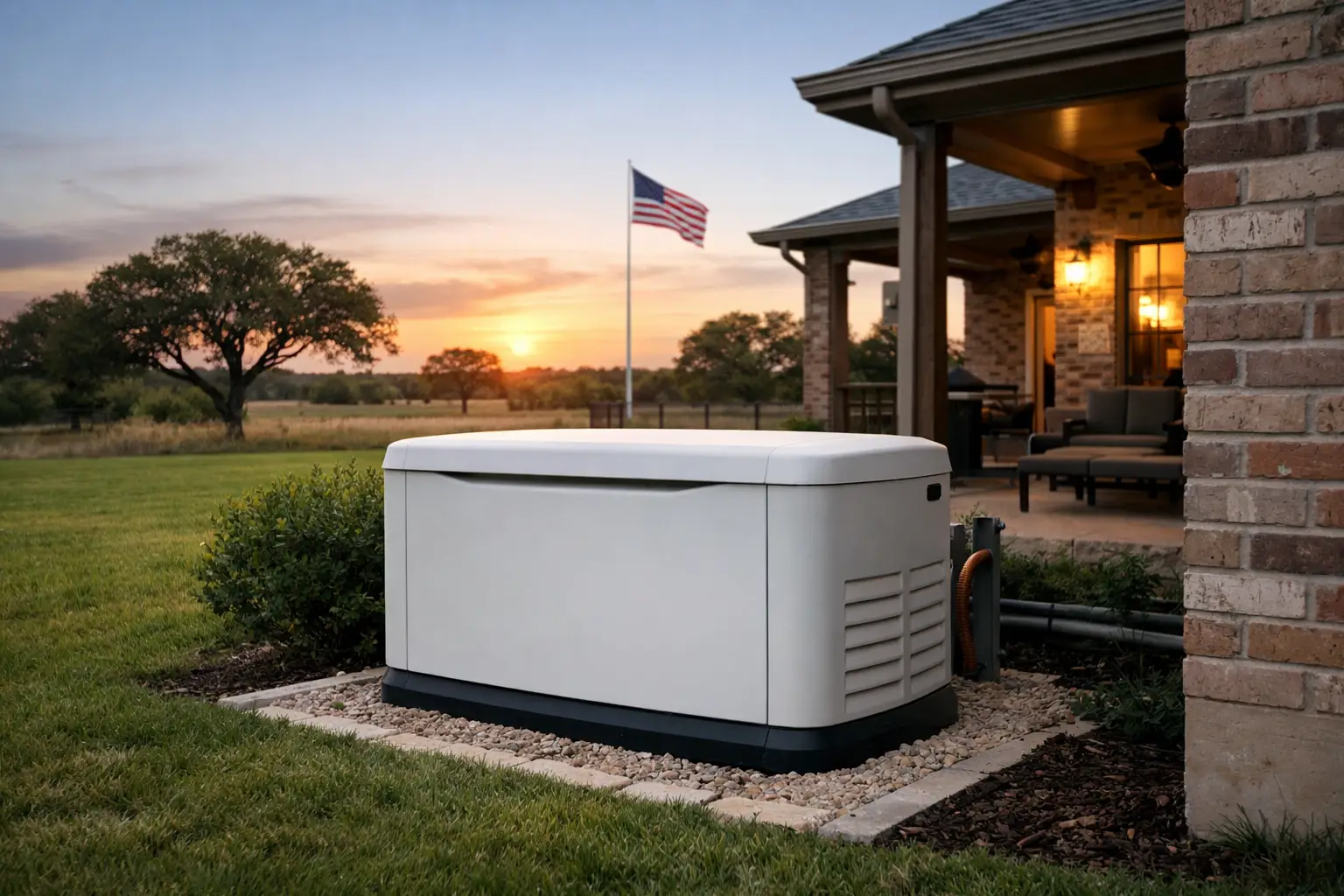
An automatic standby generator is permanently installed outside the home, much like a central air-conditioning unit. It connects to a fuel source, usually natural gas or propane, and to an automatic transfer switch. When utility power fails, the transfer switch detects the outage, separates the home from the utility line, and starts the generator. Once utility power returns and stabilizes, the system transfers the home back to normal power and shuts down the generator.
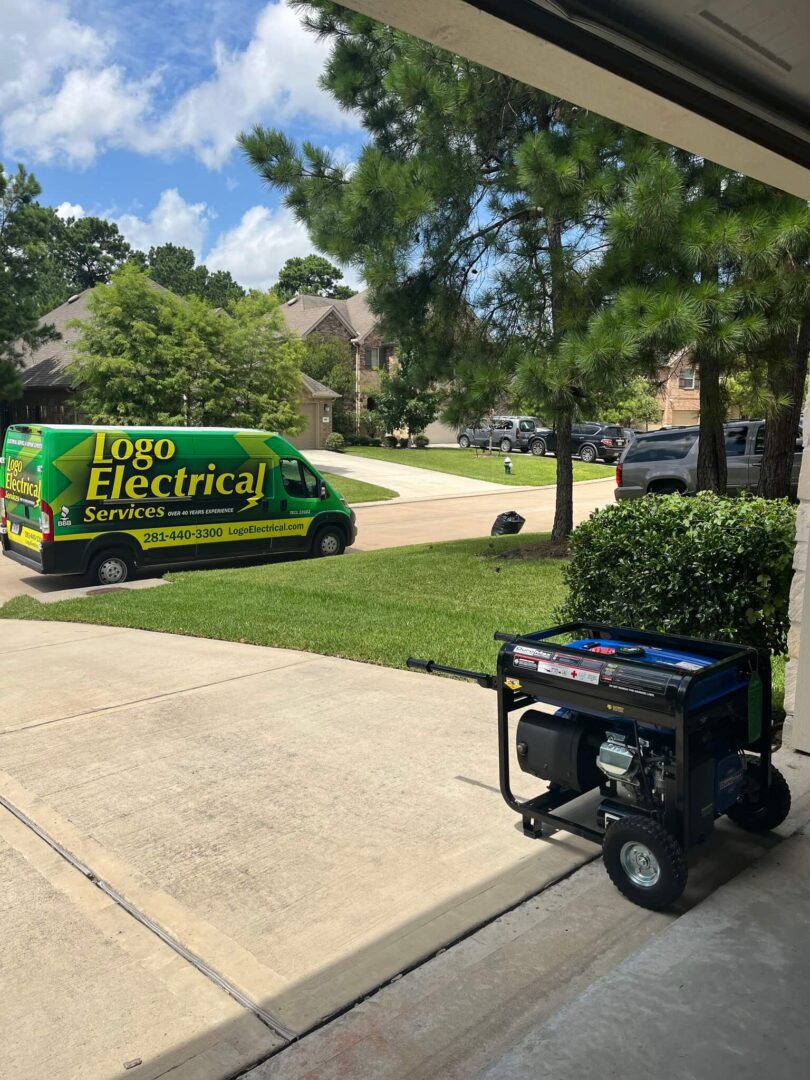
That automatic operation is the main advantage over a portable generator. A portable unit can be useful for limited, short-term needs, but it requires setup, fuel handling, extension cords or a manual transfer connection, and someone present to operate it safely. A standby system is designed for homeowners who want backup power to work even when they are away, asleep, or dealing with an urgent weather event.
The trade-off is cost and planning. Standby generators require a larger upfront investment, professional electrical work, fuel coordination, site preparation, and ongoing maintenance. For many households, those requirements are worthwhile because the system provides dependable coverage without the stress of last-minute setup.
Automatic Standby Generator Review: What to Compare
There is no single best generator for every Texas home. A small home with city water and a gas furnace may need far less backup capacity than a larger home with two central air-conditioning systems, an electric water heater, a pool, and a well pump. A useful automatic standby generator review starts with the load, not the brand name or the largest kilowatt rating.
Whole-home coverage or essential circuits
The first decision is whether you want to power the entire home or only selected essential circuits. Whole-home backup can keep most normal household functions running, including HVAC, kitchen appliances, lighting, outlets, and larger loads, depending on the generator size and load-management plan. It offers the most convenience but generally requires more generator capacity and a higher project budget.
Essential-load coverage is a more focused approach. It may support refrigeration, lighting, internet equipment, a garage door opener, medical devices, selected outlets, and one heating or cooling system. This option can be a practical fit for homeowners who want protection from spoilage and discomfort without paying to run every electrical device during an outage.
Neither choice is automatically better. The right option depends on how your family uses the home, how often outages occur, whether someone relies on powered medical equipment, and how much interruption you are willing to tolerate.
Generator sizing and load management
Generator capacity is measured in kilowatts. It is tempting to add up every appliance label and choose a unit above that number, but proper sizing is more involved. Motors and compressors can draw higher starting power than running power. Air conditioners, pumps, refrigerators, and some tools have different demand patterns. Electrical service capacity and the types of appliances in the home also affect the design.
A licensed electrician should evaluate the loads you want to support and identify which large appliances could run at the same time. In some homes, load-management equipment can temporarily prevent less critical loads from starting while the air conditioner or another major appliance is operating. This can make a generator system more efficient without compromising the circuits that matter most.
Oversizing has downsides. It can increase equipment, fuel, and installation costs without delivering meaningful benefits. Undersizing is worse, because the generator may struggle with demand, shut down under load, or force you to give up the comfort and protection you expected.
Natural gas or propane
Most residential standby generators run on natural gas or propane. Natural gas is convenient where service is available because there is no refueling schedule or storage tank to monitor. However, the gas line must be properly sized for the generator and other gas appliances in the home. A line that is too small can restrict fuel delivery when demand is high.
Propane can be an excellent option for homes without natural gas service. It provides stored fuel on-site, but homeowners need to plan tank size, placement, deliveries, and fuel levels before storm season. Generator run time depends on the tank capacity and the electrical load being carried.
Fuel choice is not just a generator decision. It is part of the full installation plan, and it should be coordinated with qualified electrical and fuel-service professionals.
Transfer switch and electrical panel work
The transfer switch is the safety center of a standby generator system. It prevents generator power from feeding back onto utility lines, which could endanger utility workers and damage equipment. It also determines how the generator connects to the electrical panel and which loads receive power during an outage.
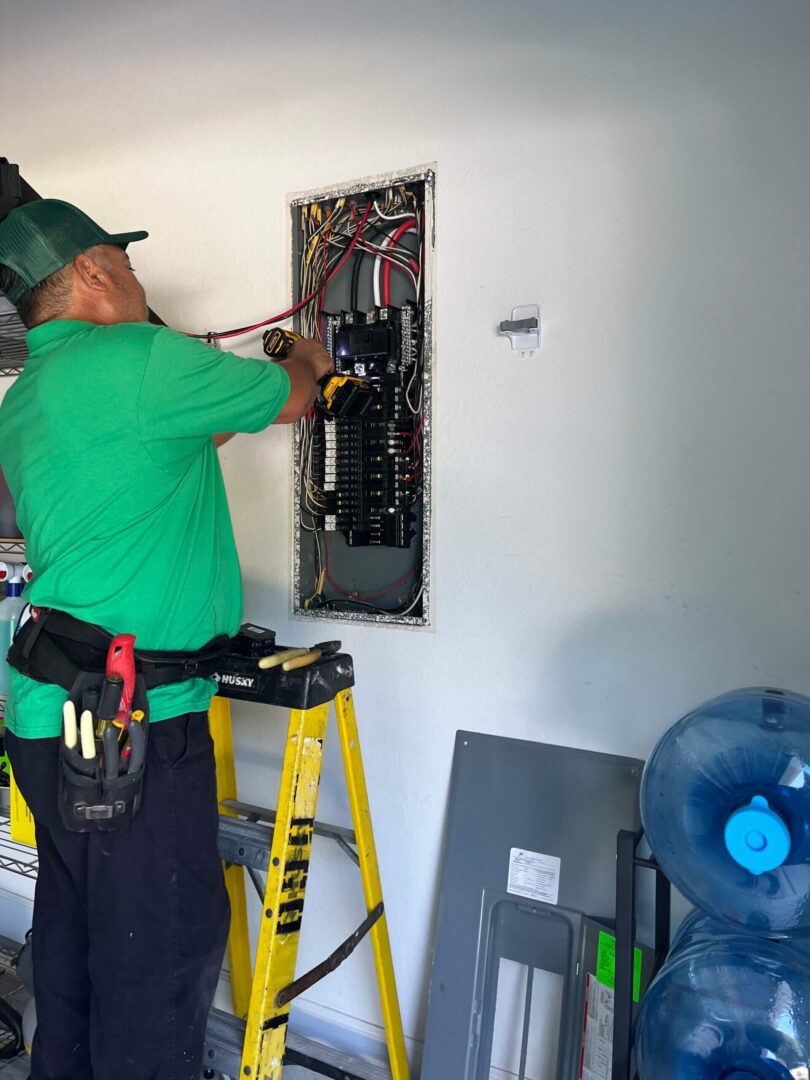
Older homes may need panel upgrades, circuit corrections, or added space before a generator can be connected correctly. This is not a reason to avoid backup power. It is a reason to have the home evaluated before choosing equipment. Addressing panel concerns early prevents surprises and helps ensure the finished system is safe, code-compliant, and easier to service.
Installation Details That Affect Long-Term Reliability
The generator itself is only one part of the project. Placement matters. The unit needs an appropriate location with required clearances from openings, structures, and ignition sources. It also needs a stable pad, accessible service space, and a layout that accounts for noise, drainage, landscaping, and fuel connections.
Permits and inspections are equally important. Proper permitting helps verify that the electrical installation, transfer equipment, grounding, and connections meet the requirements that apply to the property. A lower quote that leaves out these steps may not be a value once corrections, delays, or safety concerns enter the picture.
Homeowners should also ask what is included in the proposal. A clear quote should address the generator, transfer switch, electrical labor, pad or mounting requirements, permitting expectations, startup, and any work that falls outside the electrician’s scope, such as gas piping or propane tank service. Honest pricing means understanding the full project rather than being surprised by vague allowances later.
Maintenance Is Part of Ownership
Automatic does not mean maintenance-free. Most standby generators exercise themselves on a regular schedule, but that brief test does not replace professional service. The engine, battery, oil, filters, connections, enclosure, and controls all need periodic attention.
A practical maintenance plan typically includes routine visual checks by the homeowner and scheduled service by a qualified technician. Keep the area around the generator clear of leaves, stored materials, and overgrown landscaping. If your unit runs on propane, monitor the fuel level. After a significant outage, pay attention to any alerts, unusual noise, or failure to transfer as expected.
Maintenance costs should be considered before purchase, just like insurance or HVAC service. A generator that is not maintained may fail at the exact moment it is needed most.
Questions to Ask Before You Approve a Generator Quote
A contractor should be able to explain the recommendation in plain language. Ask which loads the proposed system is designed to carry, whether it is whole-home or essential-load coverage, and how air conditioning or other large appliances will be managed. Ask whether your panel needs work, what fuel requirements apply, and which permits are included.
It is also reasonable to ask about warranty coverage, service availability, exercise settings, expected maintenance, and what happens during a utility outage. Clear answers are a strong sign that the contractor has considered the entire system rather than simply selling a generator size.
For homeowners in Magnolia and the greater Houston area, Logo Electrical Services can assess your electrical system, explain practical generator options, and complete the electrical portion of the installation with licensed, safety-focused workmanship. The goal is not to sell more capacity than you need. It is to build a backup-power plan your household can depend on when the lights go out.
The right standby generator should make an outage feel manageable, not create another system to worry about. Start with an honest evaluation of your home, your essential loads, and the level of comfort your family expects to keep.