A tripped breaker is frustrating. A warm electrical panel, flickering lights when the AC starts, or a panel with no room for a needed circuit is different – those are signs your home may have outgrown its electrical system. An electrical panel upgrade before and after is not just a cosmetic change from an old gray box to a new one. It is a safety and capacity improvement that can make everyday power use more dependable and prepare your Magnolia-area home for what comes next.
For homeowners, the biggest question is usually simple: What will actually change? The answer depends on the age of the home, the condition of the existing service, and whether you are adding major equipment such as an EV charger, generator, pool equipment, or a larger HVAC system. A licensed electrician should assess the entire service, not just replace breakers and call it an upgrade.
What an Electrical Panel Upgrade Looks Like Before and After
Before an upgrade, many homes show their age in ways that are easy to miss. The panel may be undersized for modern demand, crowded with tandem breakers, poorly labeled, or equipped with breakers that trip frequently. In older homes, there may be outdated equipment, damaged conductors, corrosion, or a lack of proper grounding and bonding.
The “before” picture can also include workarounds. Homeowners may rely on power strips in every room, avoid running the microwave and toaster at the same time, or postpone installing an EV charger because the panel has no available capacity. These habits may keep the lights on, but they do not solve the underlying issue.
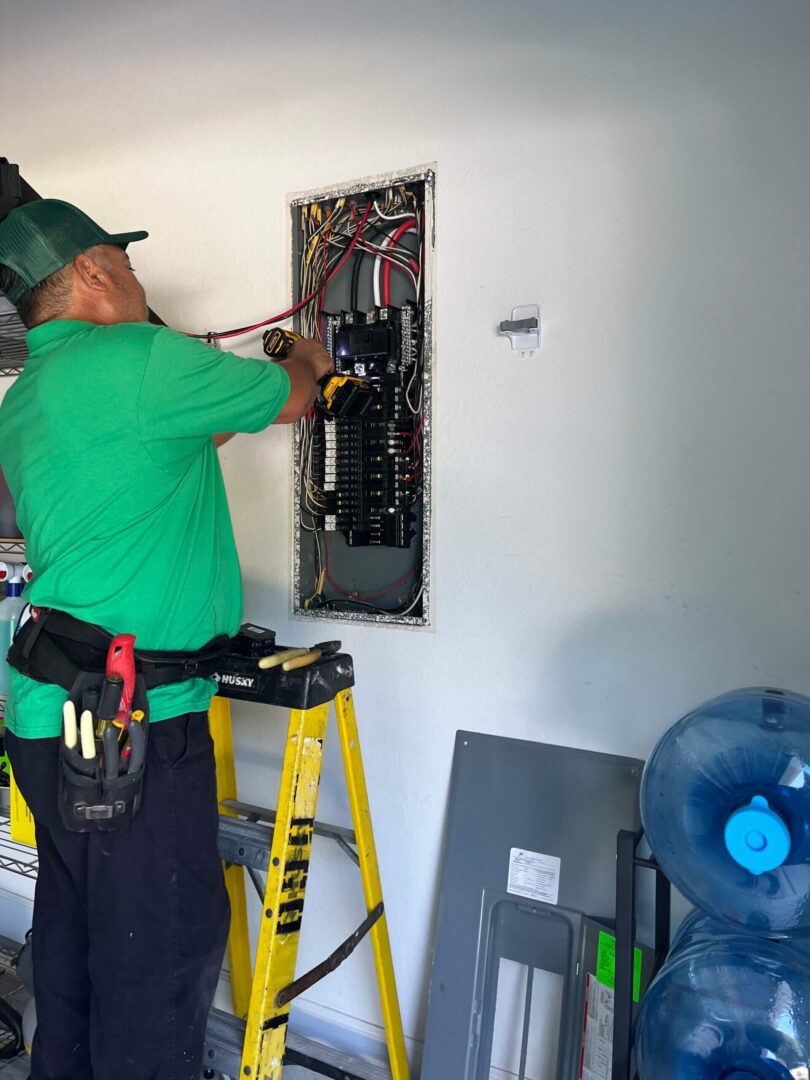
After a properly planned upgrade, the difference is both visible and practical. The new panel is cleanly installed, accurately labeled, and sized around the home’s calculated electrical load. Circuits are organized, required safety protection is addressed, and there is often space for future additions. If the project includes a service upgrade, the meter equipment, service conductors, grounding system, and main disconnect may also be brought up to current requirements where applicable.
A newer panel does not make a home use less electricity by itself. What it does is give that electricity a safer, more reliable path through a system designed for the way your household lives now.
Signs Your Current Panel May Be Due for an Upgrade
Not every breaker trip means the entire panel needs replacement. A single overloaded circuit, a failing appliance, or a loose connection can sometimes be repaired without a full upgrade. Still, certain patterns deserve a professional evaluation.
Consider scheduling an inspection if you notice several of these conditions:
- Breakers trip repeatedly, or lights dim noticeably when high-demand equipment starts.
- The panel feels warm, makes buzzing sounds, shows rust, or has a burning odor.
- You have an older 60-amp or 100-amp service and are planning major electrical additions.
- Your panel is full, uses improperly doubled-up circuits, or has no room for new breakers.
- You own a home with outdated or recalled electrical equipment that should be evaluated for safety.
A panel should never be opened or repaired as a homeowner project. Even with the main breaker turned off, energized components may still be present. This is work for a licensed electrician with the training and equipment to identify hazards correctly.
Why Modern Homes Need More Electrical Capacity
A home built decades ago was not designed around today’s electrical load. Families now run larger HVAC systems, multiple televisions and computers, kitchen appliances, workshop tools, smart-home devices, electric vehicle chargers, and outdoor living equipment. Add a standby generator or a hot tub, and an older service can quickly become a limiting factor.
That does not mean every home needs a 200-amp or larger service. The right size comes from a load calculation, which considers the home’s square footage, fixed appliances, heating and cooling equipment, and planned additions. An honest assessment matters because oversizing equipment without a reason can add cost, while undersizing it can leave you facing another upgrade later.
For example, an EV charger may require its own dedicated circuit, but the right charging setup depends on the vehicle, charging speed, available service capacity, and how the home’s other loads are used. The same is true for generator installation. Generator readiness may involve more than an open breaker space – it can require an interlock or transfer equipment, proper load planning, and coordination with the existing service.
What Happens During a Professional Panel Upgrade
The process begins with inspection and planning. A licensed electrician evaluates the current panel, service size, wiring condition, grounding, and the circuits serving the home. They should also ask about upcoming plans, including an EV, generator, remodel, pool, workshop, or appliance upgrade.
Next comes a clear scope of work. In a straightforward project, the existing panel may be replaced with a properly sized new panel, breakers, and labeling. In other cases, the project may require a complete service upgrade. That can involve equipment outside the home, utility coordination, permits, inspections, and code-required updates to the grounding and bonding system.
Because the power must be shut off during much of the work, homeowners should plan for an outage. The exact length varies with the scope, utility scheduling, weather, inspection requirements, and what the electrician finds once the work begins. A responsible contractor will explain the anticipated interruption before work starts and keep you informed if conditions change.
Once installation is complete, the electrician tests the system, verifies circuit operation, labels the panel, and handles required inspection steps. The finished work should look orderly, but clean appearance is not the only goal. Proper torque, correct breaker selection, secure terminations, and code-compliant installation are what support long-term safety.
Cost Factors and the Trade-Offs That Matter
There is no single price for a panel upgrade because the panel itself is only one part of the electrical system. Costs can vary based on service size, panel location, the condition of existing wiring, the need for a new meter base or service conductors, permit and inspection requirements, and whether utility work is involved.
It can be tempting to choose the lowest estimate, especially when the panel still appears to work. But a quote should clearly explain what is included. Ask whether the electrician has accounted for permits, grounding and bonding updates, breaker replacement, panel labeling, service equipment, and any needed coordination with the utility. A low initial price can become less attractive if essential work is excluded or discovered later without a clear plan.
There are also times when a targeted repair makes better financial sense than a full replacement. If the panel is modern, has adequate capacity, and the problem is isolated to one circuit or breaker, repair may be appropriate. The value of a trusted electrician is not selling an upgrade at every visit. It is explaining what the system needs now and what can reasonably wait.
Safety Improvements Beyond the Panel
A panel project is a good time to consider protections that work alongside the new equipment. Whole-home surge protection can help reduce exposure to voltage spikes that affect electronics and appliances. Proper grounding and bonding helps create a safe path for fault current. Required GFCI and AFCI protection may apply to certain circuits, depending on the home and the scope of work.
These upgrades are not interchangeable. A surge protector does not replace grounding, and a new panel does not correct every wiring issue hidden in walls. If an inspection identifies older wiring concerns, a qualified electrician can explain which repairs are urgent, which are recommended, and how to phase larger improvements realistically.
Planning Your Upgrade Without Surprises
Before your appointment, make a short list of electrical concerns and future plans. Note which breakers trip, which rooms lose power, and whether you are considering an EV charger, generator, or remodel. If possible, identify the major appliances and systems in the home. This information helps the electrician perform a more useful load assessment.
You should also make sure the panel area is accessible and clear of storage. If the work includes a planned outage, charge essential devices in advance and have a plan for refrigerated food, medical equipment, gates, and home internet. A little preparation makes the installation day less disruptive.
Logo Electrical Services brings licensed expertise and more than 45 years of industry experience to residential electrical work in Magnolia and surrounding Houston-area communities. The goal is not to make your home look newer for a day. It is to provide clear answers, honest pricing, and electrical work completed with safety and long-term reliability in mind.
If your panel is crowded, unreliable, or holding back the improvements you want to make at home, do not wait for a complete failure to start the conversation. A professional evaluation can turn uncertainty into a practical plan and help you make the next electrical decision with confidence.