A power line crossing a yard can become more than an eyesore. It can limit landscaping, complicate a driveway project, create storm-related concerns, or stand in the way of a safer electrical upgrade. Underground wiring gives Magnolia homeowners a cleaner way to bring power where it is needed, whether that means a detached garage, workshop, gate, pool equipment, outdoor lighting, or a new home service.
The work is not simply a matter of digging a trench and placing cable underground. Soil conditions, water exposure, utility locations, local code requirements, load calculations, and the type of equipment being powered all affect the right installation. A licensed electrician can plan the route correctly, install the appropriate materials, and help protect your property from expensive problems later.
When Underground Wiring Makes Sense
Underground electrical service is often the right choice when overhead lines would be impractical, vulnerable, or visually distracting. Homeowners commonly consider it during new construction, major remodels, garage additions, and projects that add power to an outbuilding. It can also be a practical upgrade when replacing damaged exterior wiring or relocating equipment.
For many properties in Magnolia and the surrounding Houston area, underground service is especially appealing because outdoor spaces matter. A visible overhead run may interfere with mature trees, patios, fencing, vehicle access, or plans for a future pool. Burying the electrical route can preserve a cleaner appearance while keeping conductors protected from wind, falling branches, and incidental contact.
That does not mean underground is automatically better in every situation. Excavation adds labor and restoration costs, and a future repair may require locating and uncovering part of the route. The right decision depends on the distance, terrain, required electrical load, existing structures, and the utility provider’s requirements if the project involves incoming service power.
What a Proper Underground Electrical Installation Involves
Reliable underground wiring begins before excavation. An electrician needs to understand what the circuit or service will power, how far it must travel, and what other utilities are already present. A circuit for a few landscape lights is very different from a feeder supplying a workshop with HVAC equipment, welders, or an EV charger.
The route must be planned around water lines, gas piping, communications lines, irrigation systems, septic components, drainage paths, and planned construction. Utility lines should be identified before digging begins. This step protects workers, prevents dangerous utility strikes, and avoids damage that can quickly turn a straightforward project into a costly repair.
Materials Must Be Rated for Underground Use
Electrical components installed below grade must be designed for wet locations. Underground raceways can collect moisture through condensation or groundwater, even when they appear sealed. That is why the conductor type, conduit material, fittings, pull boxes, and transitions above ground all matter.
A professional installation also accounts for protection where wiring emerges from the ground, proper conduit support, appropriate bends for pulling conductors, and accessible connections where required. These details may not be visible after the project is complete, but they have a direct effect on safety, inspection approval, and service life.
Depth and Protection Depend on the Installation
Burial depth is not a one-size-fits-all measurement. The correct depth can vary based on the wiring method, the voltage, whether the circuit is residential or commercial, and whether the route crosses a driveway or other vehicle area. Local code and permitting requirements also apply.
Trying to use a shallow trench because it is easier to dig can leave wiring exposed to future landscaping, fence posts, irrigation work, and vehicle traffic. A licensed electrician will select an approved installation method and provide the required protection for the actual conditions on your property.
Voltage Drop Should Be Considered Early
Long runs need careful design. As distance increases, voltage can drop along the conductors, which may affect equipment performance. Lights may dim, motors can work harder, and sensitive electronics may not operate as intended if the wiring is undersized for the distance and load.
This is one reason it helps to plan for more than today’s immediate need. If a detached building may later receive additional tools, air conditioning, refrigeration, or EV charging, the electrical design should account for that possibility before the trench is closed. Upsizing conductors or conduit during installation can be far less disruptive than redoing the route later.
Common Projects That Need Buried Power
Underground electrical work supports a wide range of residential improvements. Detached garages and workshops often need a properly sized feeder, a subpanel, lighting, receptacles, and dedicated circuits for equipment. A backyard shed may only need basic lighting and outlets, while a larger building can require a much more involved design.
Pool and spa equipment also require particular care. Electrical work near water carries strict safety requirements, including proper bonding and ground-fault protection where applicable. Outdoor kitchens, landscape lighting, driveway gates, security systems, and well pumps can all benefit from a planned underground route rather than a collection of exposed cables added over time.
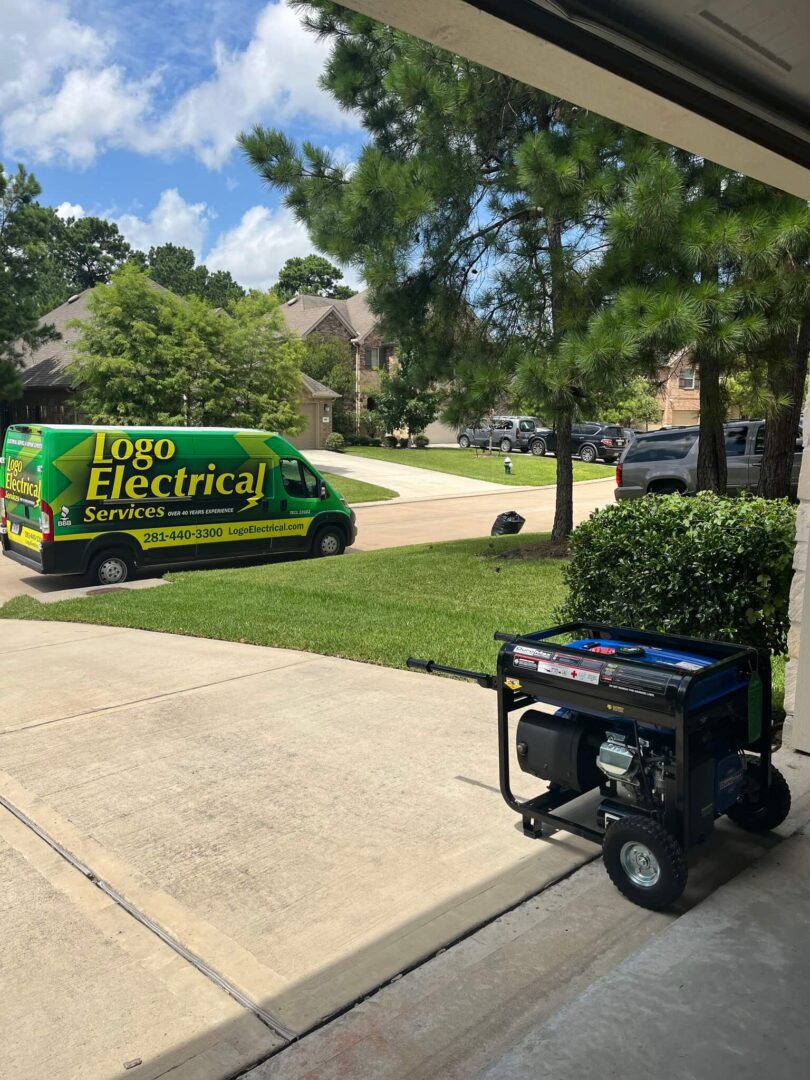
Generator projects are another common reason to review underground wiring. A standby generator needs more than a generator pad and transfer equipment. The electrical pathway between the generator, service equipment, and home must be properly designed for safe, dependable operation during an outage.
Why Permits, Inspections, and Coordination Matter
Electrical code compliance is not paperwork for its own sake. Permits and inspections provide an independent check that materials, burial methods, grounding, conductor sizing, and connections meet applicable safety standards. They also help document the work for future buyers, insurers, and contractors.
Projects involving a utility service connection require additional coordination. The electric utility may have its own specifications for meter equipment, trench routing, service conductors, and inspection approval before power can be connected. Homeowners should not assume that a contractor can alter service equipment or bury a utility feed without following the utility’s process.
An experienced electrical contractor explains what is included before work starts. That includes the expected route, equipment being installed, necessary permits, site restoration expectations, and any limits created by unknown underground conditions. Honest pricing means recognizing that hidden obstacles can exist while still giving customers a clear, understandable scope of work.
Signs Existing Underground Wiring Needs Attention
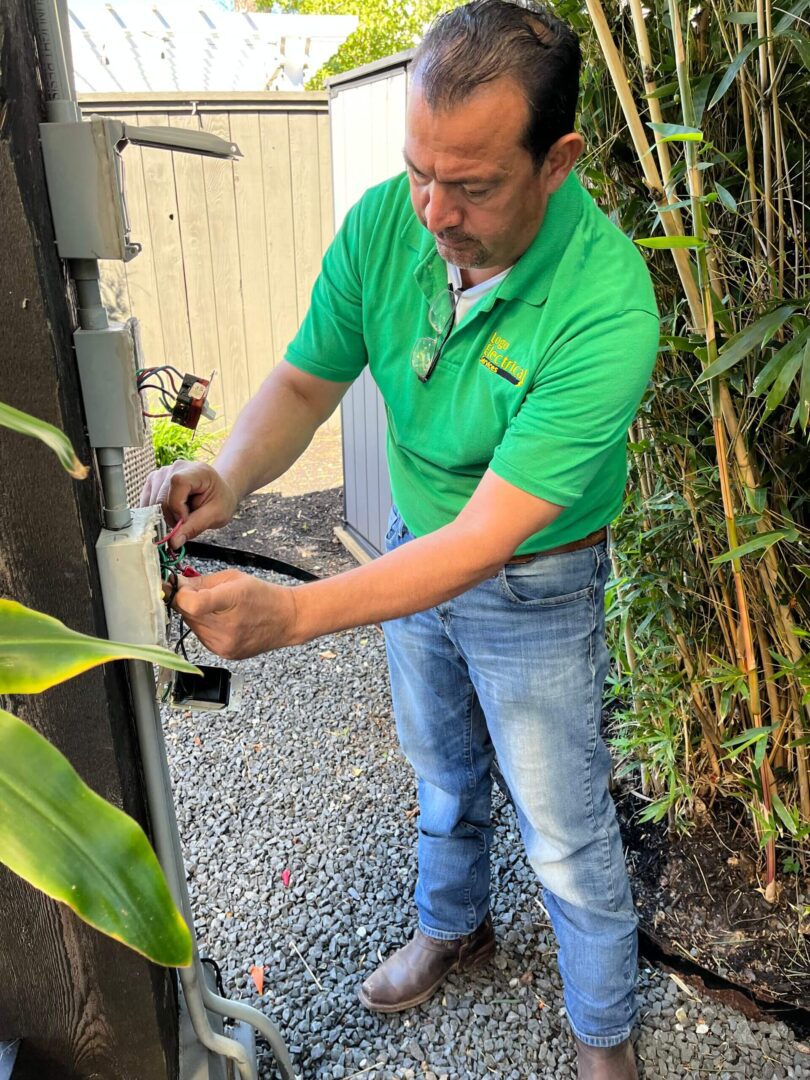
A buried cable can fail without obvious visible damage. Repeated breaker trips, intermittent power in an outbuilding, lights that dim when equipment starts, moisture inside exterior boxes, or a circuit that stops working after heavy rain all deserve professional evaluation.
Do not keep resetting a breaker or replace it with a larger one to make the problem disappear. A breaker is responding to a condition that could involve a damaged conductor, overloaded circuit, loose connection, or water intrusion. Increasing breaker size without correcting the wiring can create a serious fire and shock hazard.
Older underground installations may also need review when a property is being renovated. Wiring that once served a small shed may not be adequate for modern power tools, climate control, electronics, or vehicle charging. An inspection can identify whether the existing circuit is safe to keep, needs repair, or should be replaced with a properly sized feeder.
Choosing the Right Electrician for Underground Work
Underground work combines electrical expertise with careful site planning. Choose a licensed contractor who can explain the proposed installation in plain language and who understands residential service equipment, feeders, grounding, outdoor-rated materials, and local inspection requirements.
Ask how the contractor will identify existing utilities, protect the wiring from physical damage, size the circuit for the intended load, and handle permits when they are required. You should also know who is responsible for trenching and restoration, since those details can affect both the final price and the condition of your yard.
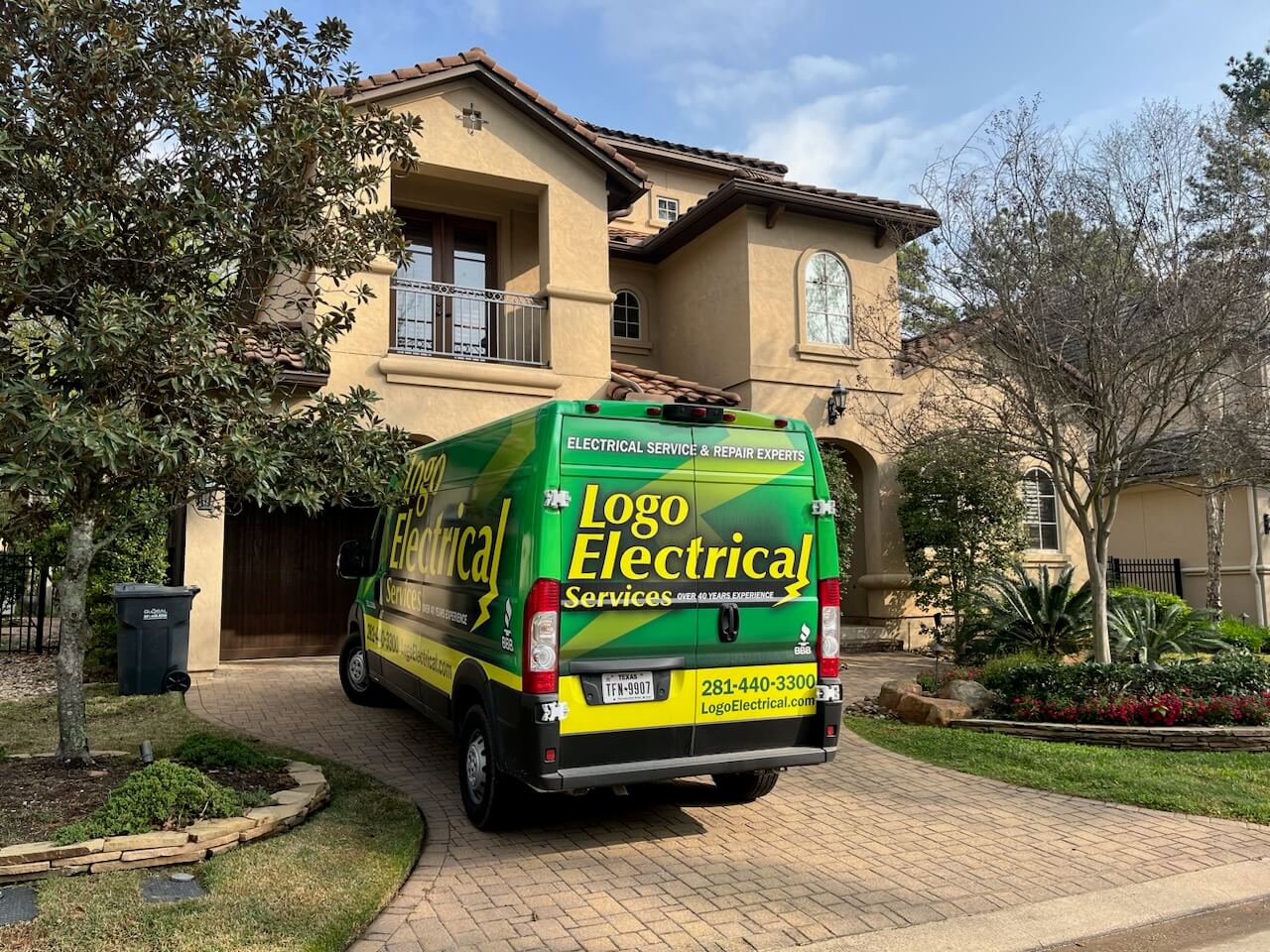
Logo Electrical Services approaches these projects with the same care as any service or panel upgrade: assess the property, explain the options clearly, and complete code-compliant work designed to last. The goal is not to sell more work than a home needs. It is to provide a safe electrical solution that fits the property and the plans you have for it.
Before you build the patio, pour the driveway extension, install the gate, or finish the workshop, have the electrical route evaluated. Planning buried power while the ground is already open is often the simplest way to protect your investment and leave room for what comes next.