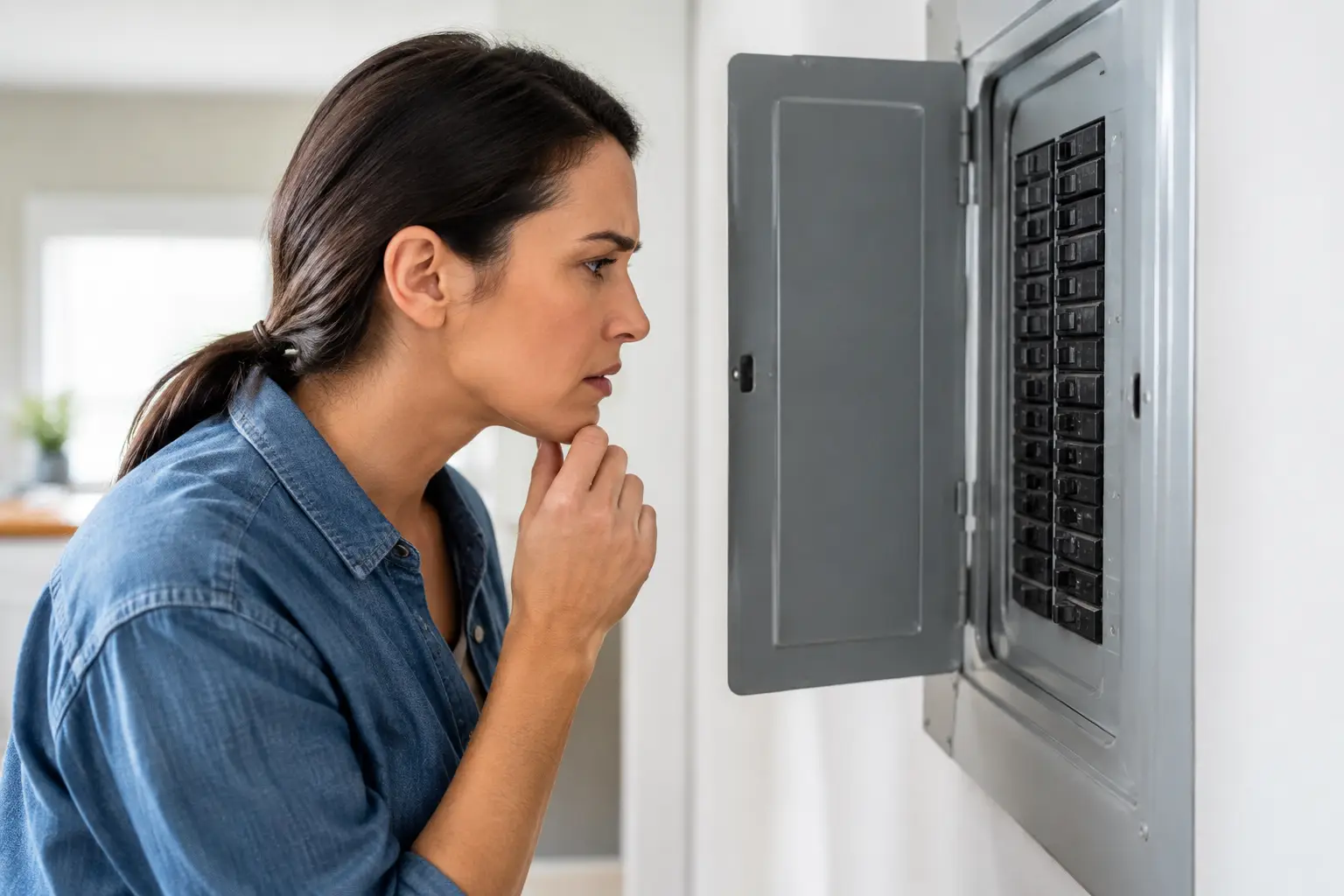
A buzzing sound from your electrical panel can be easy to dismiss, especially if the lights still work and no breaker has tripped. But panel buzzing causes can range from a minor vibration to a loose connection or electrical arcing inside the box. Because the panel distributes power throughout your home, an unfamiliar buzz deserves prompt attention from a licensed electrician.
A properly operating residential panel is generally quiet. Some electrical equipment may produce a faint, steady hum under normal conditions, but a noticeable buzz, crackle, sizzle, or vibrating sound from the panel is not something to ignore. The goal is not to diagnose the issue by sound alone. It is to recognize the warning signs, avoid creating a shock or fire hazard, and have the source identified correctly.
Common Panel Buzzing Causes
Loose breaker or wire connection
Electrical connections can loosen over time because of normal heating and cooling cycles, vibration, age, or previous work that was not properly torqued. When electricity passes through a loose connection, it creates resistance. That resistance creates heat and can cause a breaker, wire terminal, or bus bar connection to buzz.
This issue may become more noticeable when a high-demand appliance starts, such as an air conditioner, electric range, dryer, water heater, or EV charger. A loose connection is not a homeowner repair. Removing the panel cover exposes energized components, even when individual breakers are switched off.
An overloaded circuit
A circuit carrying more electrical load than it was designed to handle can cause a breaker to heat up or vibrate. In many homes, this happens when too many appliances share one circuit or when newer equipment has been added to an older electrical system.
Overloading does not always mean a breaker will trip immediately. A breaker may buzz before it trips, particularly if it is aging or failing. If the sound appears when you run a specific appliance, that detail can help an electrician narrow down the problem, but do not keep testing it repeatedly.
A failing circuit breaker
Circuit breakers are safety devices, and like other mechanical and electrical components, they can wear out. Internal damage, heat exposure, manufacturing defects, or repeated overloads can affect how a breaker performs. A failing breaker may hum, buzz, feel warm, trip frequently, or fail to trip when it should.
Older panels are more likely to have breakers that no longer provide dependable protection. Replacing a single breaker may be appropriate in some situations. In others, the panel may have broader age-related damage or insufficient capacity for the home’s current electrical needs.
Arcing inside the panel
Arcing occurs when electricity jumps across a gap rather than traveling through its intended path. It can happen at a loose terminal, damaged conductor, breaker connection, or compromised bus bar. Arcing often produces a sharper buzzing, sizzling, or crackling sound and may be accompanied by a burning odor, discoloration, smoke, or heat.
This is one of the more urgent panel buzzing causes because arcing generates intense heat. If you hear crackling or sizzling, smell something burning, see smoke, or notice the panel feels hot, treat the situation as urgent. Keep clear of the panel and call for professional help right away. If there is active smoke or fire, call 911.
Damaged bus bars or panel components
Behind the breakers are metal bus bars that distribute electricity through the panel. Corrosion, overheating, water intrusion, physical damage, or a poor breaker connection can damage these components. A damaged bus bar may cause intermittent buzzing, flickering lights, breakers that feel loose, or heat around one area of the panel.
This type of repair can be more involved than replacing a breaker. Depending on the condition of the equipment, the safest solution may be panel repair, a panel replacement, or a service upgrade. The right answer depends on what is damaged, the panel’s age, and whether the equipment is listed and suitable for continued use.
Utility service or meter problems
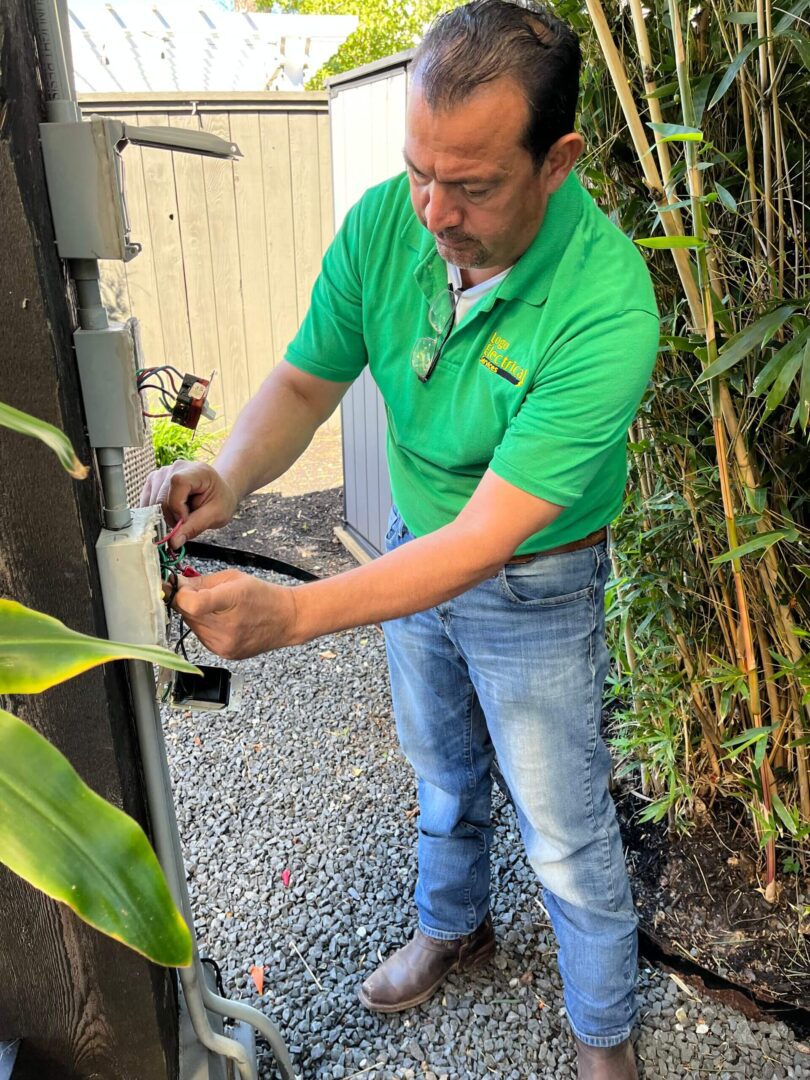
Not every electrical buzz originates inside the panel. A problem at the meter, service entrance cable, main connection, or utility transformer can sometimes create symptoms that seem to come from the panel. You may also notice lights dimming or brightening, power fluctuations, or unusual behavior in multiple rooms.
A licensed electrician can determine whether the issue is on the home side of the electrical service or needs to be reported to the utility provider. This distinction matters because service equipment involves high voltage and responsibilities may be divided between the homeowner and utility company.
Vibration from nearby equipment
In some cases, the sound is not an electrical fault inside the panel. A transformer, doorbell system, HVAC equipment, dimmer, or other device nearby may vibrate against the wall or conduct sound through framing. Even then, it is wise to have the panel checked if the sound appears to be coming directly from it. A professional can separate harmless mechanical vibration from an electrical concern without guesswork.
When a Buzzing Panel Becomes an Emergency
The sound itself matters, but the symptoms around it matter more. A quiet, occasional vibration still warrants inspection. A loud, persistent buzz with heat or a burning smell requires faster action.
Do not touch the panel cover if you see damage or suspect overheating. Do not remove the cover, tighten wires, swap breakers, or reset a breaker repeatedly in an effort to make the sound stop. Those steps can expose you to live electrical parts and may worsen a failing connection.
Take these signs seriously:
- A burning plastic, fishy, or smoky odor near the panel
- Crackling, sizzling, popping, or a rapidly increasing buzz
- Smoke, scorch marks, melted plastic, or discoloration around breakers
- A hot panel door, warm breakers, flickering lights, or repeated breaker trips
- Loss of power in part of the home, especially along with buzzing or visible damage
If there is no smoke or immediate danger, reduce the load on the affected circuit if you can do so safely by unplugging appliances at their outlets. Avoid running major equipment until the panel has been inspected. If a breaker has tripped, it is reasonable to reset it once after unplugging the likely load. If it trips again or buzzes, leave it off and schedule service.
What an Electrician Will Check
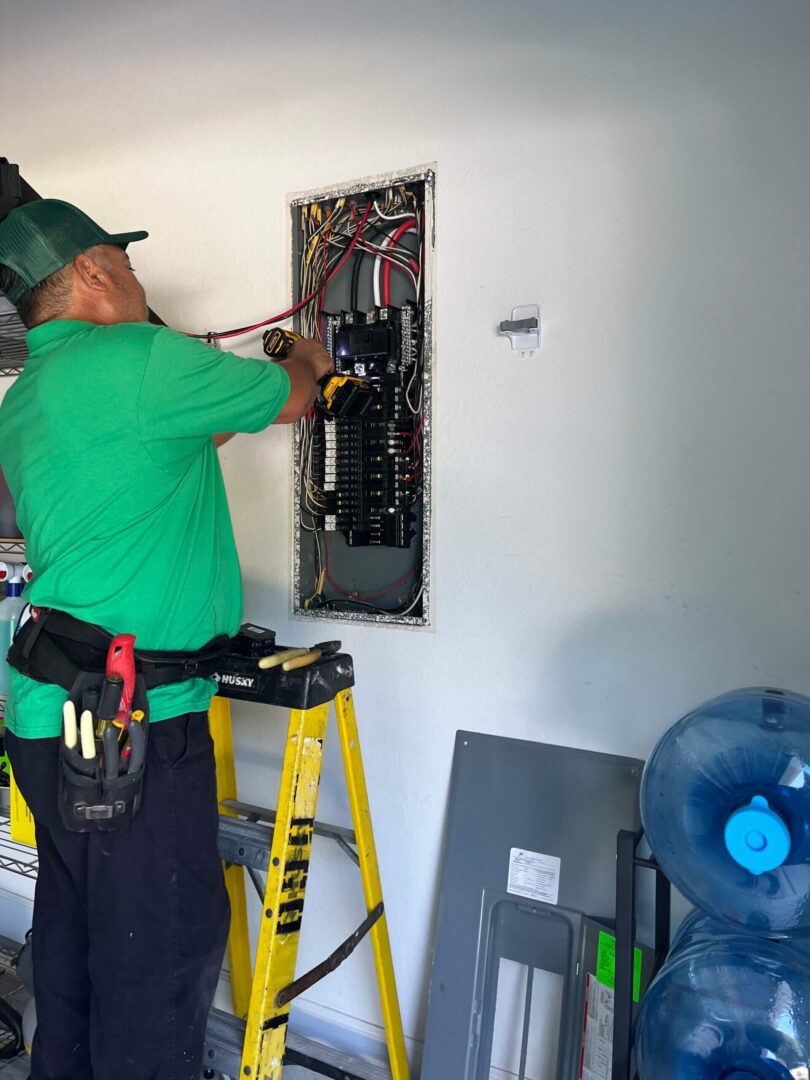
A proper panel inspection goes beyond listening for the sound. A licensed electrician will look for overheating, loose or damaged connections, breaker condition, load balance, signs of arcing, corrosion, panel capacity, and issues with the incoming electrical service. They may also test circuits and inspect connected equipment to determine whether the panel is reacting to a problem elsewhere in the home.
This diagnostic approach prevents unnecessary repairs. For example, a buzzing breaker may need replacement, but a new breaker will not solve the underlying issue if the circuit is overloaded, the wiring is damaged, or the bus bar has been affected by heat. Honest diagnosis means identifying the actual source before recommending a repair or upgrade.
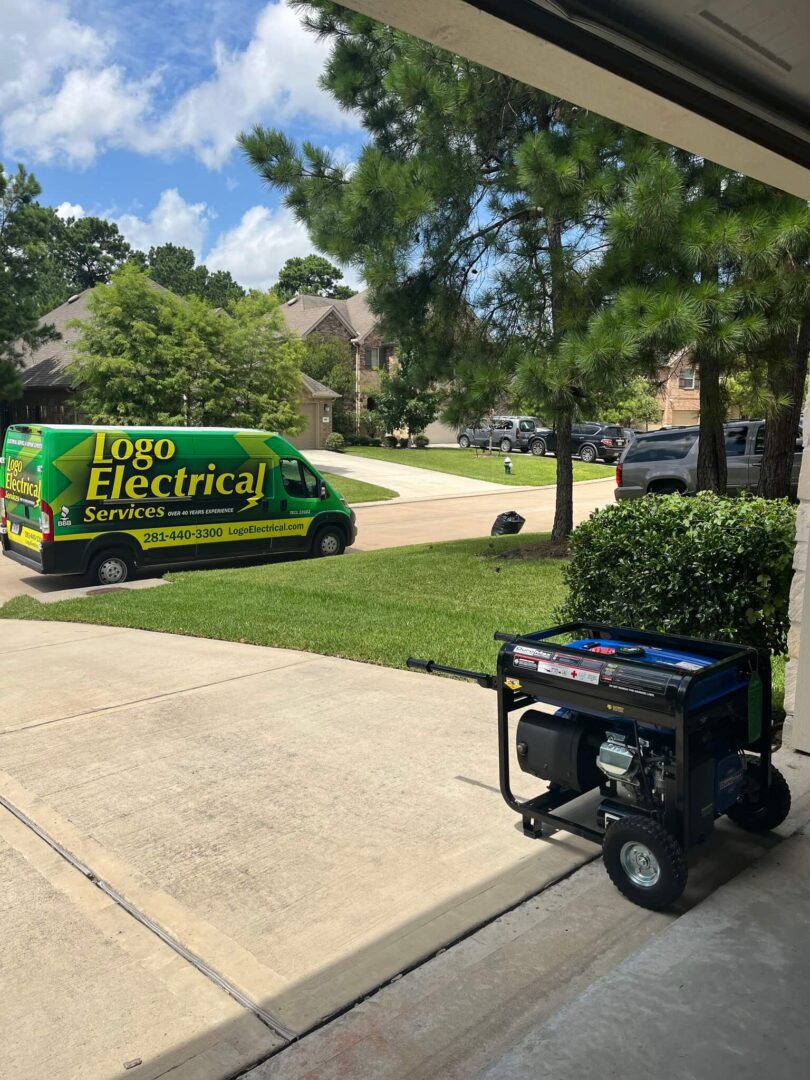
For Magnolia and Houston-area homeowners, older homes often deserve special consideration. Modern households use more electricity than homes built decades ago, with larger HVAC systems, kitchen appliances, home offices, pool equipment, generators, and EV chargers all adding demand. A panel that once seemed adequate may no longer offer enough safe capacity for the way the home is used today.
Repair, Replacement, or an Electrical Upgrade?
The best solution depends on the findings. A single loose connection or failing breaker may be a straightforward repair. If the panel has widespread corrosion, heat damage, obsolete components, insufficient amperage, or no room for needed circuits, replacement may be the more responsible long-term choice.
A panel upgrade is also a good time to consider whole-home surge protection and generator or EV charger readiness. These are not automatic add-ons for every household, but they can make sense when electrical work is already being planned and the home’s future power needs are clear. A qualified electrician should explain the options, costs, and code requirements in plain language.
At Logo Electrical Services, the focus is on finding the cause, explaining the repair clearly, and completing the work safely and cleanly. A buzzing panel is not a sound to live with or a problem to solve by trial and error. Having it evaluated early can protect your home, your electrical system, and your peace of mind.