A lightning storm rolls through, the power blinks twice, and suddenly a refrigerator control board, a Wi-Fi router, and a garage door opener are all acting strange. That is usually when homeowners start asking about the cost of whole home surge protection. It is a fair question, because surge protection is one of those upgrades people rarely think about until expensive electronics, appliances, or HVAC equipment are at risk.
For most homes, whole-home surge protection is not the most expensive electrical upgrade, but the final price can vary based on the type of protector, the condition of the electrical panel, and whether related work is needed to install it safely. If you are comparing quotes or trying to decide whether it is worth doing, it helps to understand what you are actually paying for.
What is the cost of whole home surge protection?
In many homes, the cost of whole home surge protection falls somewhere between a few hundred dollars and around $1,000 installed. A straightforward installation on a newer, accessible panel will usually cost less than a job that involves panel modifications, breaker adjustments, or bringing older equipment up to a safer standard.
That wide range can feel frustrating, but it reflects real differences from one house to the next. A licensed electrician is not just mounting a device. They are evaluating the panel, confirming compatibility, checking grounding and bonding, and making sure the unit is installed in a way that will actually protect the home as intended.
If you receive a very low quote, it is worth asking what is included. Sometimes the lower number only covers the device itself and not the labor, panel work, or any corrections needed to complete the installation properly.
Why prices vary from house to house
The biggest factor is the electrical panel. If your panel is newer, has available space, and is in good condition, installation is usually more direct. If the panel is older, overcrowded, or showing signs of wear, the electrician may need to do more work before a surge protector can be added safely.
The brand and rating of the surge protector also affect price. Not all devices offer the same level of protection, warranty support, or compatibility with your panel. Some homeowners want a basic layer of protection for common surges. Others want a stronger unit designed to handle more demanding conditions and better protect expensive electronics, smart home systems, and major appliances.
Home layout can matter too. If your electrical setup is unusual, difficult to access, or part of a larger upgrade project, labor costs can increase. In some homes, the surge protector is a simple standalone improvement. In others, it makes sense to install it at the same time as a panel upgrade, generator interlock, or service improvement.
What you are paying for
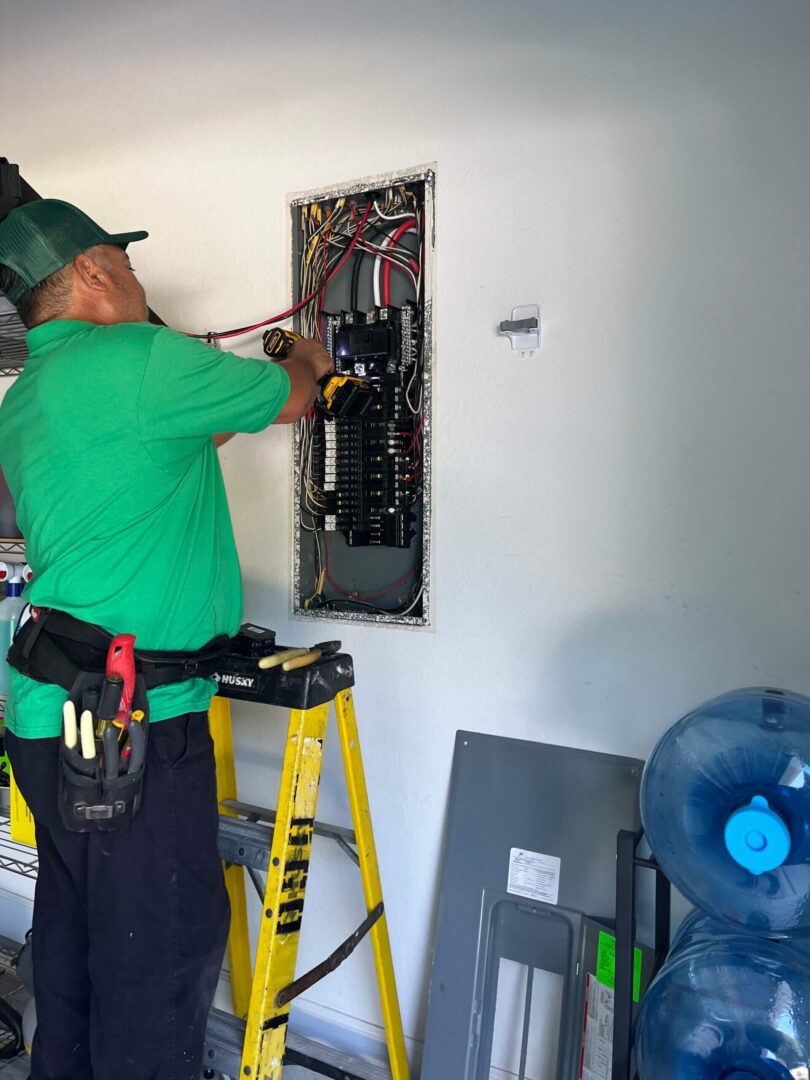
When homeowners hear “surge protector,” many picture a power strip from a hardware store. A whole-home unit is different. It is installed at the electrical panel and designed to intercept incoming voltage spikes before they spread through branch circuits to outlets, appliances, and equipment.
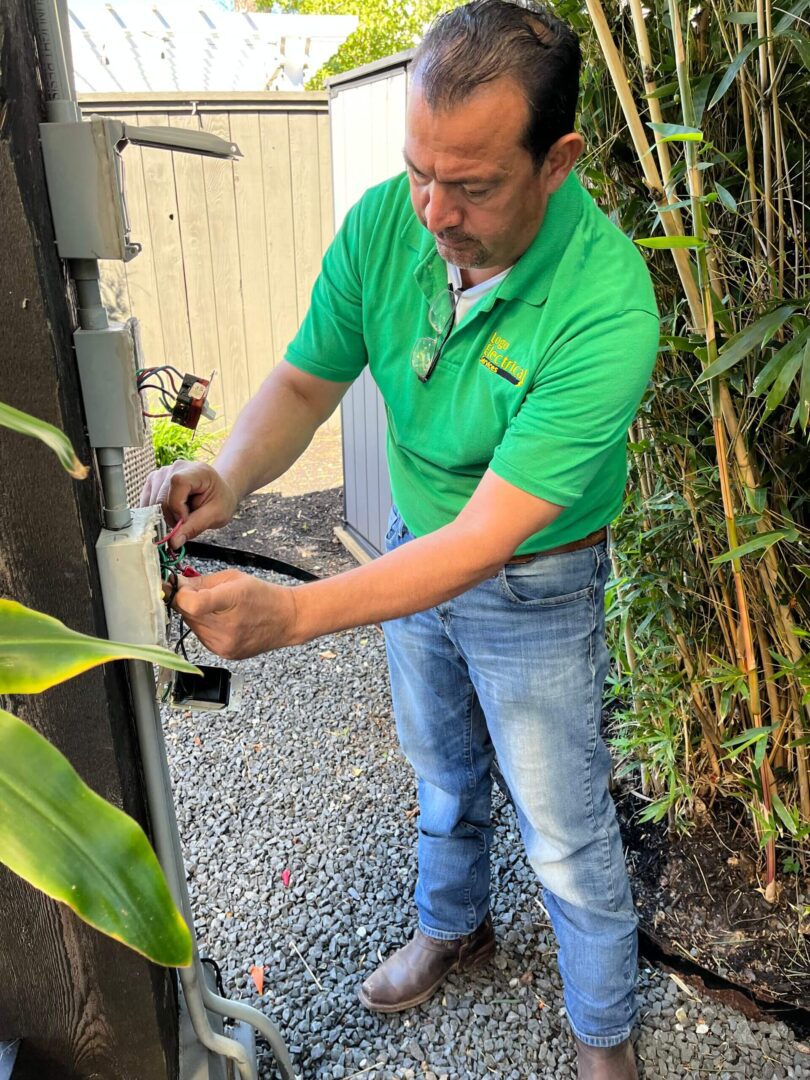
Part of the cost goes toward the device itself, but the value is in the complete installation. That includes proper placement, correct breaker connection if required, manufacturer compliance, and a review of the panel’s overall condition. A licensed electrician should also verify that the home’s grounding system is in good shape, because surge protection works best as part of a properly grounded electrical system.
That is one reason this is not a good do-it-yourself project for most homeowners. The panel contains energized components, and mistakes can lead to equipment damage, code issues, or serious safety hazards.
Is whole-home surge protection worth the cost?
In many cases, yes. Modern homes have far more sensitive electronics than they did years ago. Surge events do not have to come from dramatic lightning strikes to cause damage. Utility switching, grid disturbances, large appliances cycling on and off, and generator transitions can all create smaller surges over time.
Those smaller, repeated hits are easy to overlook, but they can shorten the life of electronics and equipment. Your air conditioner, washer, dryer, refrigerator, microwave, televisions, computers, and charging stations all have components that can be affected.
If you add up the replacement cost of even two or three major items, the cost of whole home surge protection often looks much more reasonable. That does not mean it prevents every possible electrical problem. No device can promise perfect protection in every scenario. But it can significantly reduce the risk of damage from many common surges.
Whole-home protection vs. plug-in surge strips
This is where some confusion comes in. Plug-in surge strips still have value, especially for computers, entertainment systems, and office equipment. But they are not a substitute for a properly installed whole-home surge protector.
A whole-home unit protects at the service or panel level. That means it can help reduce surge energy before it reaches circuits throughout the house. Plug-in strips only protect the specific items plugged into them, and their quality varies quite a bit.
For the best protection, many electricians recommend both. Start with whole-home surge protection at the panel, then use quality point-of-use protection for especially sensitive electronics. That layered approach usually makes more sense than relying on cheap strips alone.
When the cost may be higher than expected
Sometimes surge protection uncovers a bigger issue. If your panel is outdated, unsafe, or already due for replacement, a responsible electrician should tell you that. In that case, the quote may be higher because the surge protector is only part of the job.
For example, if there is no room in the panel, if breakers are double-tapped where they should not be, or if the grounding system is inadequate, those problems may need attention first. That can raise the total cost, but it also means you are getting work done correctly instead of having a device added to a compromised system.
This is one area where honest pricing matters. A trustworthy contractor should explain whether the higher price is due to a premium surge protector or because your electrical system needs supporting work to make the installation safe and code-compliant.
How to compare estimates
If you are getting more than one quote, look beyond the bottom-line number. Ask what brand and model is being installed, whether the device is matched to your panel, and whether labor, permitting if needed, and any minor panel adjustments are included.
It is also smart to ask whether the electrician inspected grounding and panel condition as part of the estimate. A detailed quote often tells you more about the contractor than the price itself. Clear communication, licensing, and a willingness to explain the work are usually signs that you are dealing with a professional who stands behind the installation.
For homeowners in Magnolia and the surrounding Houston area, local experience matters too. Electrical systems in this region deal with storms, utility fluctuations, and high-value HVAC equipment that make surge protection a practical upgrade rather than an unnecessary extra.
The best time to install surge protection
You do not have to wait until after something is damaged. In fact, it is usually smarter to install whole-home surge protection when you are already having electrical work done. If you are upgrading a panel, adding a generator connection, installing an EV charger, or modernizing parts of the home’s electrical system, that can be an efficient time to add surge protection.
It also makes sense for new homeowners, especially if you are not sure how old the panel is or how well the home’s electrical system has been maintained. A small preventive upgrade now can help protect a much larger investment later.
For some families, the decision comes down to peace of mind. If your home relies on expensive appliances, smart devices, home office equipment, security systems, or backup power equipment, a surge protector is one of those improvements that quietly does its job in the background.
Choosing a contractor for whole-home surge protection
This is not just about finding someone who can install a device. You want a licensed electrician who will evaluate the whole picture, explain your options clearly, and give you honest guidance if surge protection should be paired with other electrical improvements.
A family-owned company with long experience in residential work will usually understand what homeowners care about most – safety, fair pricing, clean workmanship, and knowing the job was done right the first time. That is especially important when work is happening at the electrical panel, where shortcuts can create bigger problems later.
If you are weighing the cost of whole home surge protection, the best next step is not guessing from a generic online number. It is getting a professional assessment of your panel and your home’s needs. The right answer is not always the cheapest one, but it should be clear, honest, and built to protect your home for years to come.
A good electrical upgrade should leave you feeling more confident every time the weather turns or the power flickers, not wondering what might fail next.