A GFCI outlet that trips can be inconvenient, especially when it shuts off a bathroom, garage, kitchen, or outdoor receptacle without warning. But when should GFCI outlets trip? The short answer is when they detect electricity taking an unintended path, potentially through water, damaged equipment, or a person. That quick shutoff is exactly what the device is designed to do.
For homeowners in Magnolia and the greater Houston area, the key is knowing the difference between a GFCI doing its job and an outlet signaling a problem that needs professional attention. A one-time trip after an appliance gets wet may have an obvious cause. A GFCI that will not reset, trips repeatedly, or shuts off multiple outlets deserves a closer look.
What a GFCI Outlet Is Designed to Do
GFCI stands for ground-fault circuit interrupter. Unlike a standard outlet, it continuously compares the electricity flowing out on the hot wire with the electricity returning on the neutral wire. Under normal conditions, those amounts match.
If even a small amount of current leaks elsewhere, the GFCI reacts quickly and cuts power. That leak could travel through water, a metal appliance housing, a damaged cord, plumbing, damp soil outdoors, or a person. The outlet does not wait for a severe shock or a full short circuit before responding.
You will usually recognize a GFCI receptacle by its TEST and RESET buttons. One GFCI may also protect additional standard outlets farther down the same circuit. That is why a dead garage outlet or patio receptacle may be controlled by a GFCI located in a bathroom, kitchen, garage, laundry room, or exterior location.
When Should GFCI Outlets Trip? Normal Situations
A GFCI should trip when you press its TEST button. Testing confirms the internal mechanism can interrupt power. Most manufacturers recommend testing GFCIs monthly, although homeowners should always follow the instructions on the device itself.
It should also trip when it senses a ground fault. Common real-world examples include a wet extension cord outdoors, a damaged power-tool cord in the garage, moisture inside an exterior receptacle cover, or an appliance with failing internal wiring. In bathrooms and kitchens, water exposure makes this protection especially valuable.
A trip can also occur when a portable appliance is plugged in. A hair dryer, space heater, old refrigerator, pressure washer, sump pump, disposal, dehumidifier, or outdoor lighting transformer may have insulation breakdown or moisture inside the equipment. If the GFCI trips immediately when one particular item is connected, unplug it and do not keep trying to use it on another outlet. The appliance may be the source of the fault.
In Southeast Texas, humidity and heavy rain add another variable. Outdoor GFCIs can trip after storms, sprinkler use, pressure washing, or condensation. A weather-resistant outdoor outlet with a proper in-use cover is built for those conditions, but damaged covers, loose connections, aging receptacles, and moisture entering a box can still create trouble.
What a GFCI Trip Does Not Always Mean
A GFCI is not primarily an overload device. If too many appliances are pulling power on one circuit, the circuit breaker in the electrical panel is typically the component that should trip. For example, running a microwave, toaster oven, and coffee maker on the same kitchen circuit may overload the circuit, but that is different from a ground fault.
That distinction matters because repeatedly resetting a tripped breaker or GFCI without finding the cause is never a good solution. A breaker that trips may point to excessive load, a short circuit, or a wiring issue. A GFCI that trips points more specifically to an imbalance in current, though a qualified electrician may need to determine whether the issue is the receptacle, wiring, moisture, or equipment.
Older GFCIs can also become less reliable with age. If a device will not reset after the connected equipment is unplugged and the area is dry, it may have reached the end of its service life. Modern GFCIs may also lock out and refuse to reset when their internal self-test detects a failure. That feature can be frustrating, but it prevents a failed safety device from appearing to work normally.
How to Respond Safely to a Tripped GFCI
Start by unplugging anything connected to the outlet and any nearby outlets that may be on the same protected circuit. Check for obvious water exposure, damaged cords, burn marks, unusual heat, or a burning odor. Do not touch wet outlets, plugs, or cords.
Once the area is dry and equipment is unplugged, press RESET firmly. If it resets, plug items back in one at a time. When the GFCI trips again after a specific item is connected, leave that item unplugged. Have the appliance repaired or replaced before using it again.
If the outlet will not reset, look for another tripped GFCI in the home and check the corresponding breaker. Some GFCIs are wired in a sequence, and another device upstream may be controlling power. However, do not remove outlet covers, bypass the GFCI, or replace a GFCI with a standard receptacle to stop the tripping. That removes a safety layer where it is often required.
Signs It Is Time to Call a Licensed Electrician
A repeated GFCI trip is not something to ignore simply because the outlet can be reset. Call a licensed electrician if the outlet trips with nothing plugged in, trips after rain or humidity returns, will not reset, feels warm, makes buzzing sounds, shows discoloration, or has a cracked housing.
You should also arrange service if several outlets have lost power and you cannot identify the protected GFCI, or if the problem involves garage wiring, exterior circuits, bathroom outlets, pool or spa equipment, or a sump pump. These locations can involve moisture, hidden connections, and equipment that needs dependable power.
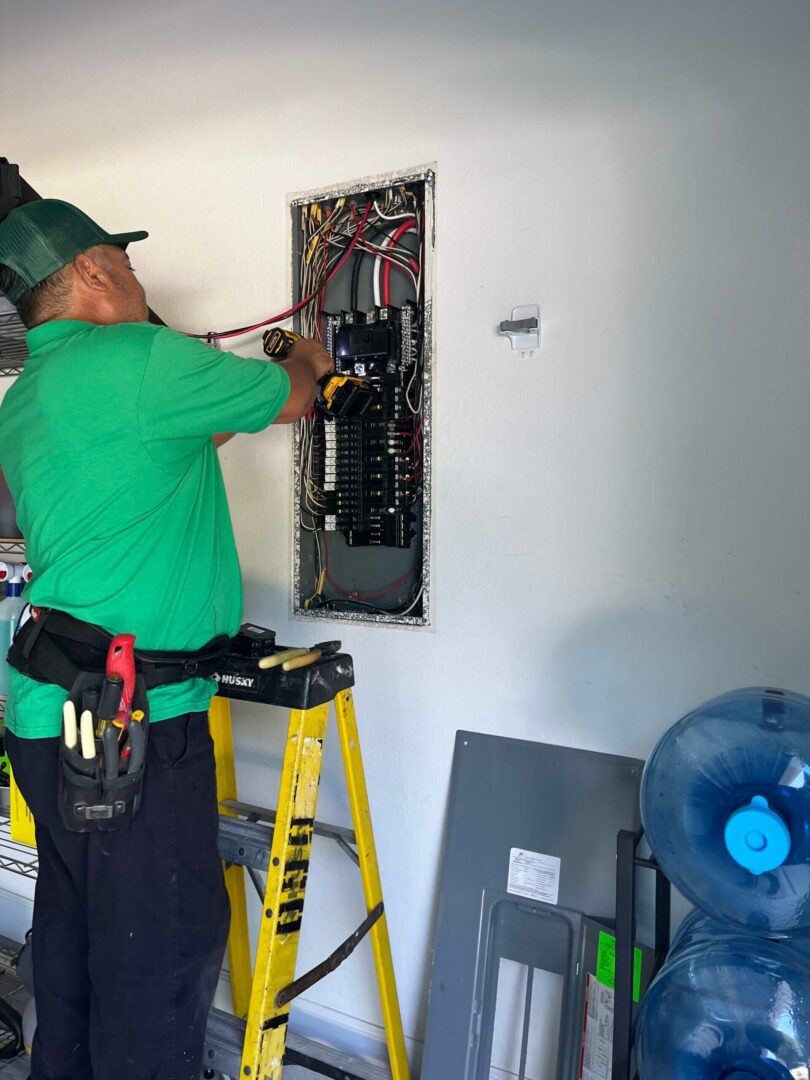
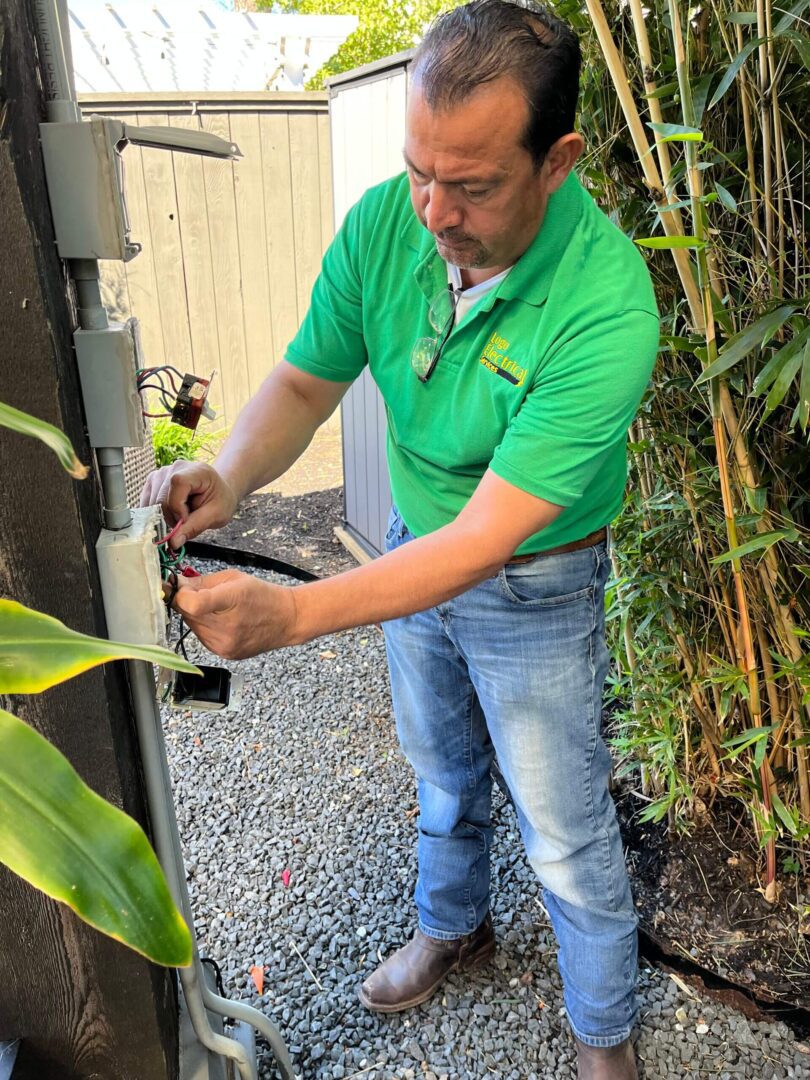
An electrician can test the circuit, inspect GFCI line and load connections, identify downstream outlets, check for moisture intrusion, and determine whether the problem is in the receptacle, an appliance, or the wiring. This diagnosis is particularly worthwhile in older homes, homes with recent renovations, and properties where outdoor electrical equipment has been added over time.
GFCI Protection Matters Beyond the Outlet You Can See
Many homeowners assume every protected location must have a visible GFCI receptacle. In reality, protection can come from a GFCI receptacle upstream or from a GFCI circuit breaker in the panel. The visible outlet may be standard while still receiving GFCI protection.
Current electrical requirements apply GFCI protection broadly in areas where people are more likely to encounter water or grounded surfaces. Kitchens, bathrooms, garages, laundry areas, unfinished spaces, exterior outlets, crawl spaces, and certain basement locations commonly need it. The exact requirements depend on the home, circuit, equipment, and applicable code.
If you are remodeling, adding an EV charger, finishing a garage, installing outdoor lighting, or updating an older electrical panel, it is a good time to have GFCI protection reviewed. Proper placement and correct wiring protect your family without creating unnecessary nuisance trips.
A GFCI that trips once may have prevented a real hazard. A GFCI that trips repeatedly is asking for attention. Logo Electrical Services can inspect the circuit, explain the cause clearly, and make the repair with the safe, code-compliant workmanship your home deserves.