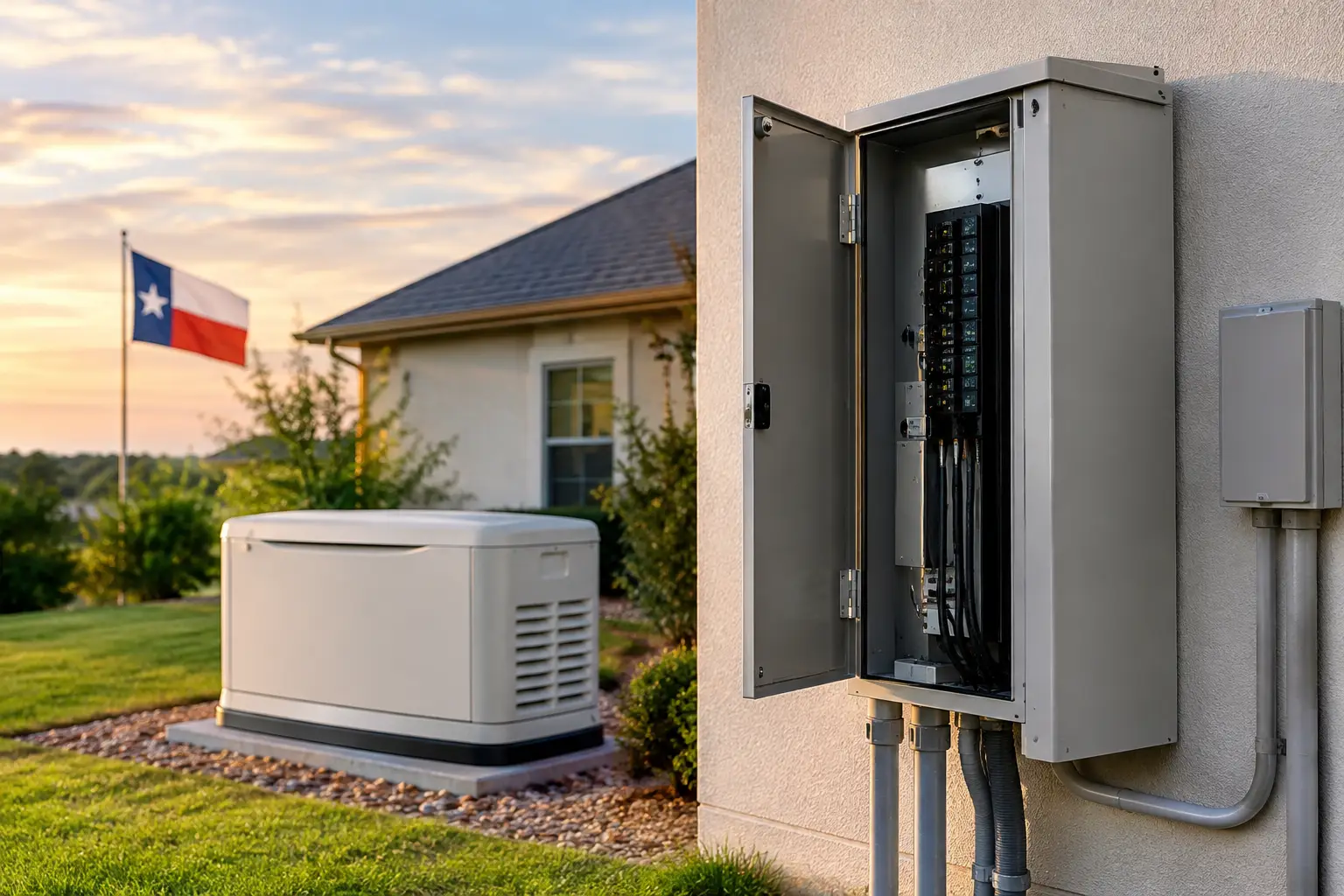
When the power goes out during a Gulf Coast storm, the generator itself is only part of the solution. The transfer switch determines how safely and conveniently that power reaches your home. This Generac transfer switch review looks at what homeowners in Magnolia and the Houston area should expect, where Generac performs well, and what needs to be decided before installation begins.
For many families, the right switch means the difference between keeping essential systems running and managing extension cords in the dark. It also protects utility workers, your electrical system, and your generator from dangerous backfeeding.
Generac Transfer Switch Review: The Short Answer
Generac transfer switches are generally a strong choice for homeowners installing a Generac standby generator. They are designed to work together, offer dependable automatic operation, and are available in configurations for essential-load backup or whole-home coverage. The equipment is widely used, and qualified electricians can readily service and install it.
The trade-off is that a transfer switch is not a universal add-on that can be selected by generator size alone. Your electrical panel, the circuits you want powered, the generator’s capacity, local code requirements, and whether you have large loads such as central air conditioning or a well pump all affect the right choice. A quality switch can still disappoint if the system was sized or installed incorrectly.
What a Transfer Switch Actually Does
A transfer switch safely moves your home’s power source from the utility to the generator and then back again once utility power returns. It prevents generator electricity from traveling backward into utility lines, a condition called backfeeding. Backfeeding can cause severe injury, equipment damage, and code violations.
With an automatic transfer switch, the sequence happens without homeowner action. When the utility power fails, the switch senses the outage, signals a compatible standby generator to start, and transfers selected loads after the generator reaches stable operating speed. When normal power returns, it transfers the home back to utility service and allows the generator to complete its cooldown cycle.
A manual transfer switch requires the homeowner to start a portable generator, connect it properly, and move the switch to generator power. This approach can be practical for a smaller backup plan, but it takes more involvement and does not provide automatic protection when no one is home.
Automatic Generac Switches for Standby Generators
Generac automatic transfer switches are most often installed with permanently located standby generators. For homeowners who want backup power to come on during an overnight outage, a workday outage, or an evacuation, this is usually the better fit.
One reason Generac systems are popular is the integrated control between the generator and transfer switch. The equipment is built to communicate as a system, which simplifies automatic startup and power transfer. Depending on the model and configuration, the switch may also manage loads by temporarily preventing certain high-demand appliances from operating at the same time.
That load-management capability matters in Texas homes. A generator may have enough power for lighting, refrigeration, internet equipment, security systems, and a few comfort loads, but not enough to run every appliance and multiple HVAC units simultaneously. Properly configured load control can help a right-sized generator support more useful circuits without overloading.
For whole-home standby systems, Generac switches can be a practical choice when the generator is sized for the home’s actual demand. Whole-home backup does not always mean every item can operate without limits. Larger homes, electric water heaters, pools, multiple air conditioners, and electric ranges can push demand far beyond a standard standby generator’s capacity.
Essential-Load Systems Can Be the Smarter Value
Not every house needs whole-home backup. An essential-load transfer switch or dedicated emergency panel can be a more cost-conscious and efficient design for homeowners who primarily want refrigeration, lighting, key outlets, garage access, internet, medical equipment, and one properly selected HVAC load.
This design asks an honest question: what do you truly need during a two-day outage? For many households, powering a smaller group of critical circuits provides excellent comfort and protection at a lower equipment and installation cost. It can also allow a smaller generator, which reduces fuel consumption and ongoing maintenance expense.
The limitation is convenience. You may not be able to use the full kitchen, every bedroom circuit, or large electric appliances as you normally would. Still, a clearly labeled essential-load system is often easier to manage than a larger system that is asked to do more than its generator can support.
Generac Manual Transfer Switches for Portable Generators
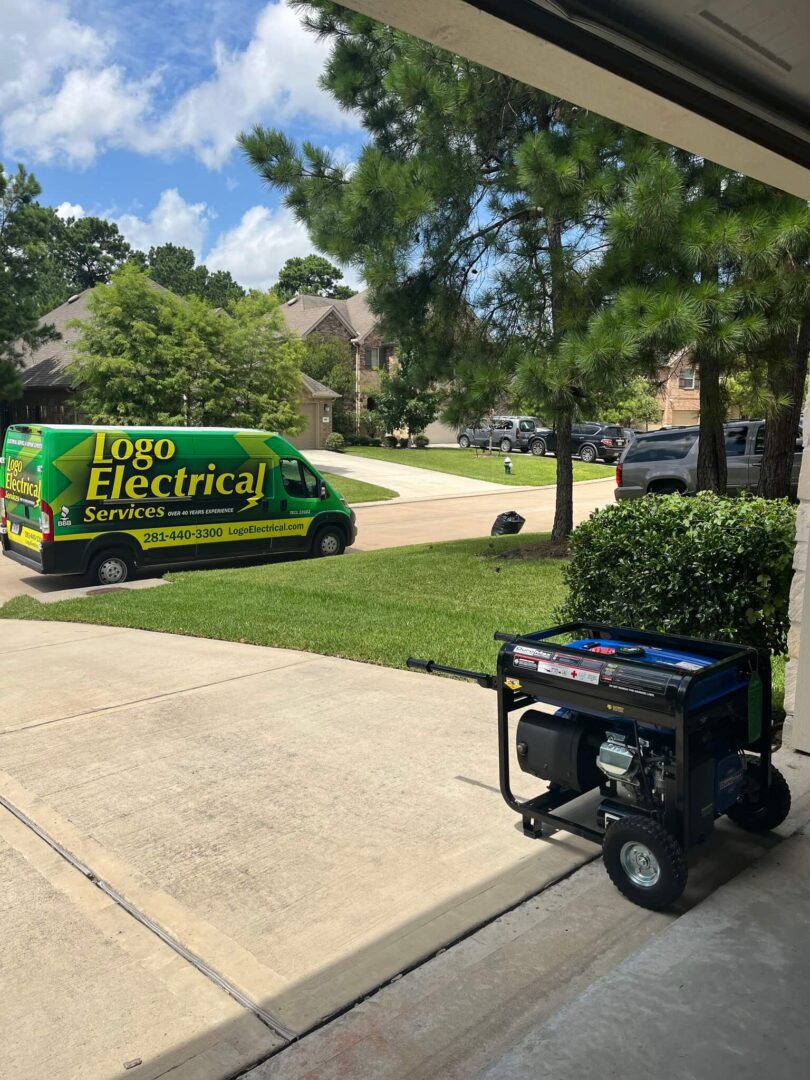
For homeowners using a portable generator, a Generac manual transfer switch can provide a major safety upgrade over running cords through doors and windows. Installed correctly, it allows selected circuits to receive generator power from a proper inlet connection.
Manual systems are less expensive than a fully automatic standby setup, and portable generators can be moved or used elsewhere when needed. They are a reasonable option for homeowners who are comfortable with the startup process and only need occasional outage support.
There are practical drawbacks. Someone must be present to set up the generator, connect it, start it, and monitor fuel. Portable generators should remain outdoors in a dry, well-ventilated location away from doors, windows, and vents to reduce carbon monoxide risk. They also need secure storage, routine maintenance, and a plan for safely obtaining fuel after a storm.
What We Like About Generac Transfer Switches
Generac’s strongest advantage is that it offers a complete backup-power path, from portable-generator manual switches to automatic switches paired with standby generators. That gives homeowners more options than a one-size-fits-all recommendation.
The equipment is also familiar to many licensed generator installers. Familiarity matters when troubleshooting, completing maintenance, or adding compatible accessories later. Replacement parts and service knowledge are generally easier to find than they are for less common systems.
For standby installations, automatic operation is the real benefit. The system can protect food, keep selected areas comfortable, support communication, and maintain security equipment without requiring someone to be home at the moment power fails.
The Limitations to Consider Before You Buy
Generac transfer switches are not automatically the best answer for every generator brand or every property. If you already own a non-Generac generator, compatibility should be verified before selecting a switch. Controls, voltage, amperage, and system design must match.
Cost is another consideration. The switch is only one part of the project. A safe installation may involve panel work, feeder conductors, an exterior disconnect, concrete or composite pad preparation, gas piping coordination, permits, inspections, surge protection, and changes to accommodate the selected loads. Homeowners should be cautious of quotes that list only generator equipment without explaining the electrical scope.
Noise, placement, drainage, and clearance requirements also need attention. Houston-area weather brings heavy rain, high humidity, wind, and heat. Generator and switch equipment should be installed according to manufacturer requirements and applicable electrical codes, with a layout that technicians can safely access for future service.
How to Choose the Right Generac Transfer Switch
Start with an electrical load assessment, not a product brochure. A licensed electrician should review your main service size, existing panel capacity, large appliances, HVAC equipment, desired backup circuits, and future plans such as an EV charger or pool equipment.
Next, decide whether you want automatic whole-home backup, automatic essential-load backup, or a manual portable-generator setup. That choice drives the transfer switch type, generator size, wiring method, and budget.
Finally, ask for a clear explanation of what will and will not run during an outage. A trustworthy proposal should identify the equipment, transfer-switch rating, expected backed-up loads, any load-management strategy, permit requirements, and installation assumptions. Clear expectations are far more valuable than a low number that leaves important work unspecified.
Professional Installation Is Part of the Review
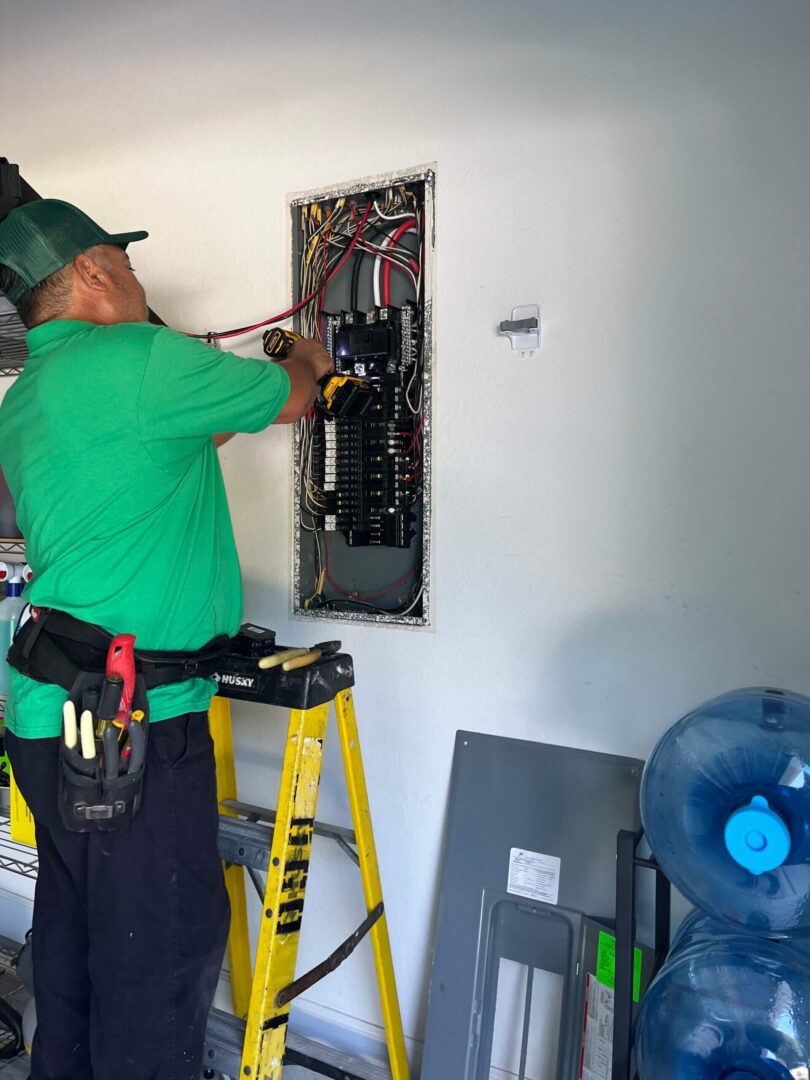
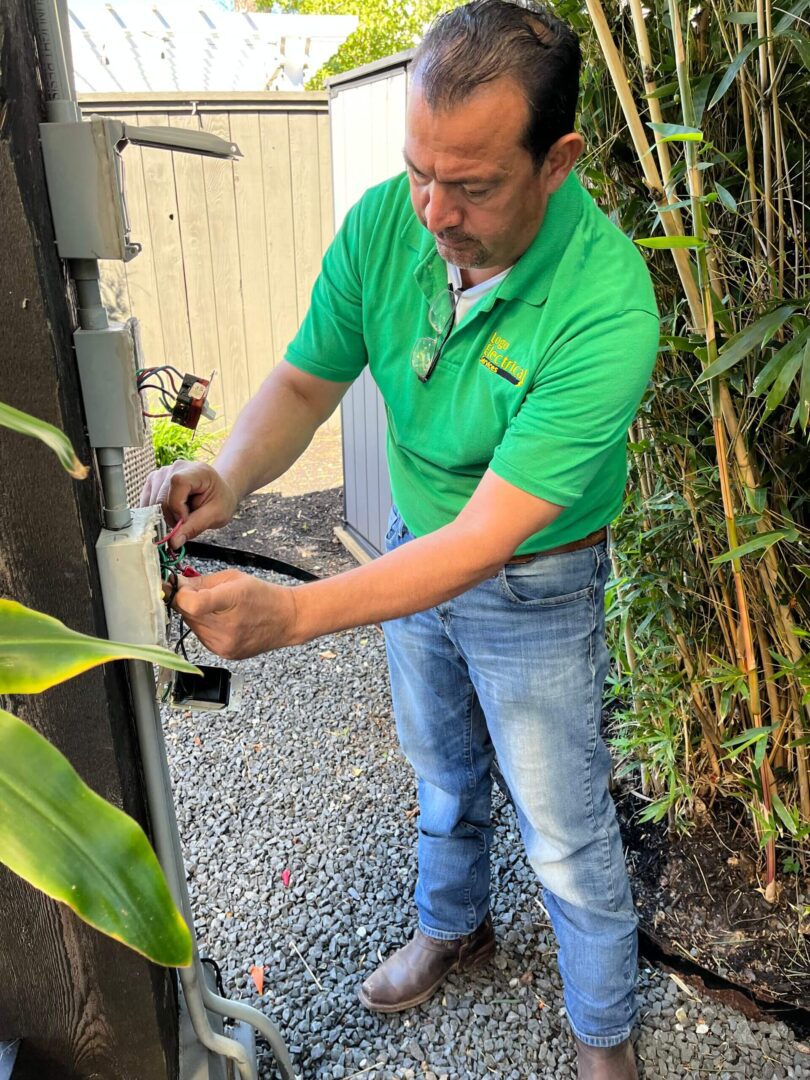
A transfer switch is safety equipment, not a simple appliance. Incorrect wiring can create shock hazards, damage sensitive electronics, overload conductors, or send generator power back onto utility lines. Installation should be performed by a licensed electrical contractor who understands generator interconnection, grounding and bonding requirements, panel capacity, and local inspection standards.
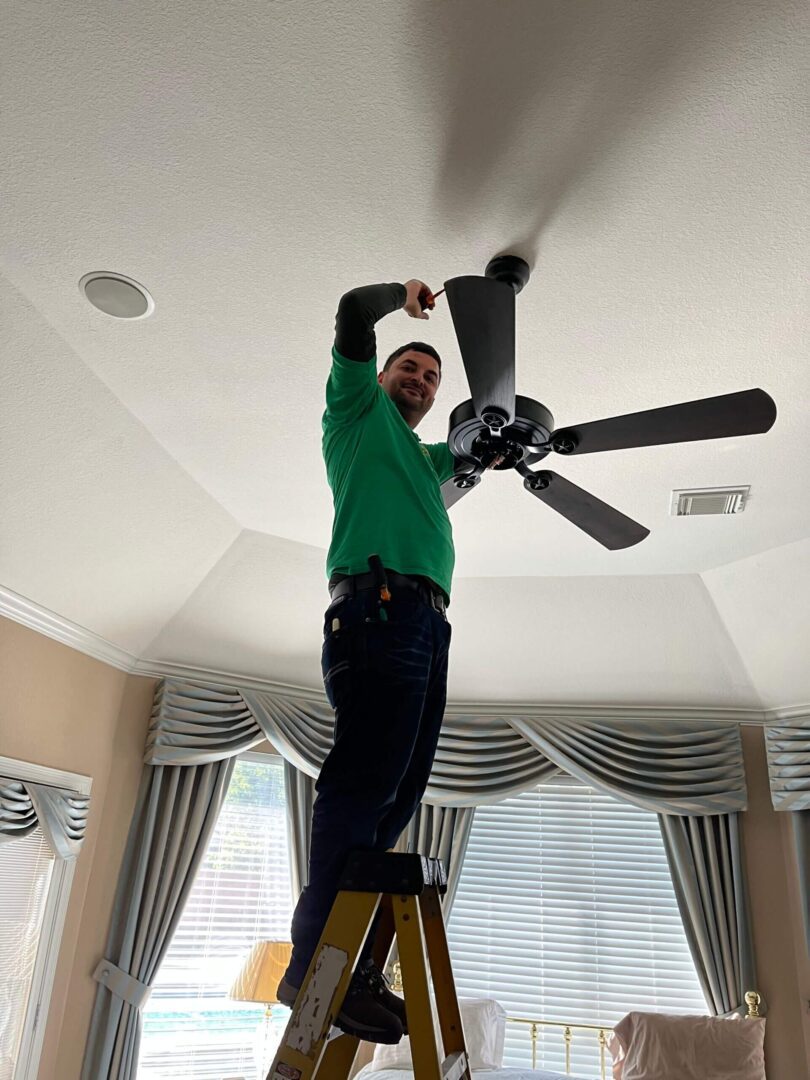
At Logo Electrical Services, generator installations are approached as complete electrical systems rather than just equipment placement. That means discussing how your family uses power, identifying critical loads, and recommending a setup that is practical for your home and budget.
A well-chosen Generac transfer switch can make an outage feel manageable instead of disruptive. The best next step is to have your home’s electrical demands evaluated before storm season, while there is time to make careful decisions rather than rushed ones.