When lights flicker every time the AC kicks on, or breakers trip more often than they should, homeowners usually sense something bigger is going on behind the walls. The breaker box replacement process is one of those jobs that sounds straightforward until you see how much safety, planning, and code compliance are involved. A panel replacement is not just swapping one metal box for another. It is about making sure your home’s electrical system can safely handle the way your family actually lives.
Why homeowners replace a breaker box
In many homes, the panel was sized for a different era. Decades ago, families were not charging electric vehicles, running high-efficiency HVAC systems, powering home offices, and adding large kitchen appliances all at once. An older breaker box may still function, but that does not mean it is the right fit for current electrical demand.
Age is one common reason for replacement. Damage is another. If a panel shows signs of heat, corrosion, water intrusion, loose breakers, or burned components, replacement is often the safer path than repeated repairs. Some homeowners also replace the breaker box during a remodel, room addition, generator installation, or service upgrade because the existing panel simply does not have enough capacity or space.
There is also a practical side to it. If your electrician has trouble finding compatible breakers, if circuits are doubled up in ways that should not be, or if the panel brand has a known history of failure, replacement can prevent more expensive trouble later.
What the breaker box replacement process usually includes
For most homes, the breaker box replacement process starts with an inspection, not with tools. A licensed electrician looks at the existing panel, service size, grounding, circuit layout, and the condition of the meter base and service entrance equipment. This first step matters because not every panel issue is solved the same way. Sometimes a homeowner needs a like-for-like replacement. Other times the safer recommendation is a full service upgrade.
From there, the electrician determines the proper panel size and how many circuits the home needs now, with a little room for future use. That future planning is important. It is better to install a panel with capacity for things like a generator interlock, surge protection, or an EV charger than to max out a new panel on day one.
Permitting is the next part of the process. A reputable contractor handles permits and plans the work around local utility requirements and inspection schedules. This is not paperwork for the sake of paperwork. It is part of making sure the installation is code-compliant and safe.
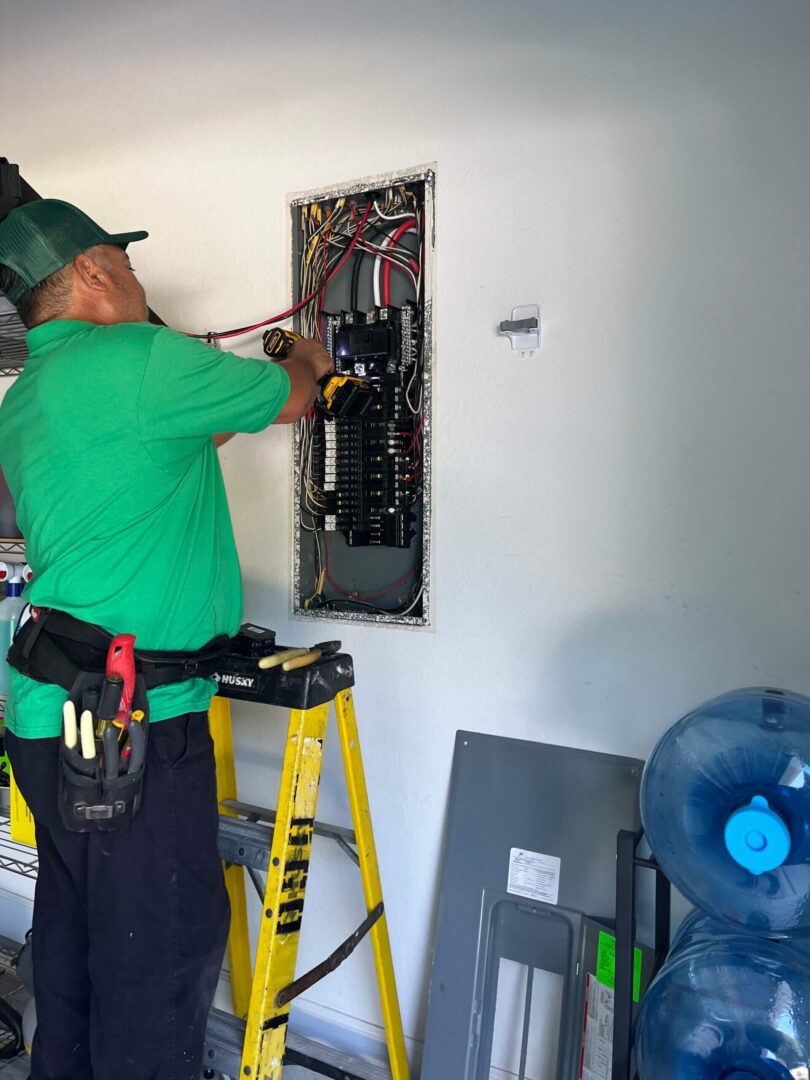
Once the job is scheduled, power is shut off so the old panel can be removed. The electrician disconnects branch circuits, labels everything clearly, and installs the new breaker box. Each circuit is then terminated properly, breakers are matched to the load requirements, grounding and bonding are verified, and the system is checked for any issues that need correction. After that, the panel is tested, inspected, and re-energized.
What happens on installation day
Homeowners often worry that panel replacement will turn into a long, chaotic project. In many cases, it is more organized than people expect. The main inconvenience is that the power will be off for part of the day, and that can affect refrigeration, internet service, air conditioning, and anything else connected to the electrical system.
A well-run job begins with confirming the scope, protecting the work area, and reviewing any known electrical concerns in the home. Then the crew coordinates the shutoff, removes the old equipment, and installs the new panel. If the existing wiring is in good condition and the scope is limited to the panel itself, the work may move fairly quickly. If the electrician finds damaged conductors, improper splices, outdated grounding, or code issues nearby, the job can take longer.
That is one of the biggest it-depends parts of this service. Two homes may both need breaker box replacement, but one may be a clean update while the other reveals years of patchwork repairs. Honest electricians explain those differences before moving forward so there are no surprises.
How long does a breaker box replacement take?
Most standard residential panel replacements can be completed in a day, but the exact timing depends on the home. A straightforward replacement in a newer home may be faster than a project in an older house with crowded wiring, weathered equipment, or limited access.
If the work also includes a service upgrade, meter base replacement, grounding updates, or utility coordination, the timeline can stretch. Inspection scheduling can also affect how quickly the project is fully closed out. The important thing for homeowners is not chasing the fastest possible job. It is making sure the work is done correctly, inspected properly, and tested before the electrician leaves.
Common upgrades paired with a new breaker box
A new panel is often the best time to make a few smart improvements. Whole-home surge protection is a popular add-on because it helps protect electronics and appliances from power surges. Grounding and bonding updates are also worth attention, especially in older homes where the original system may not meet current standards.
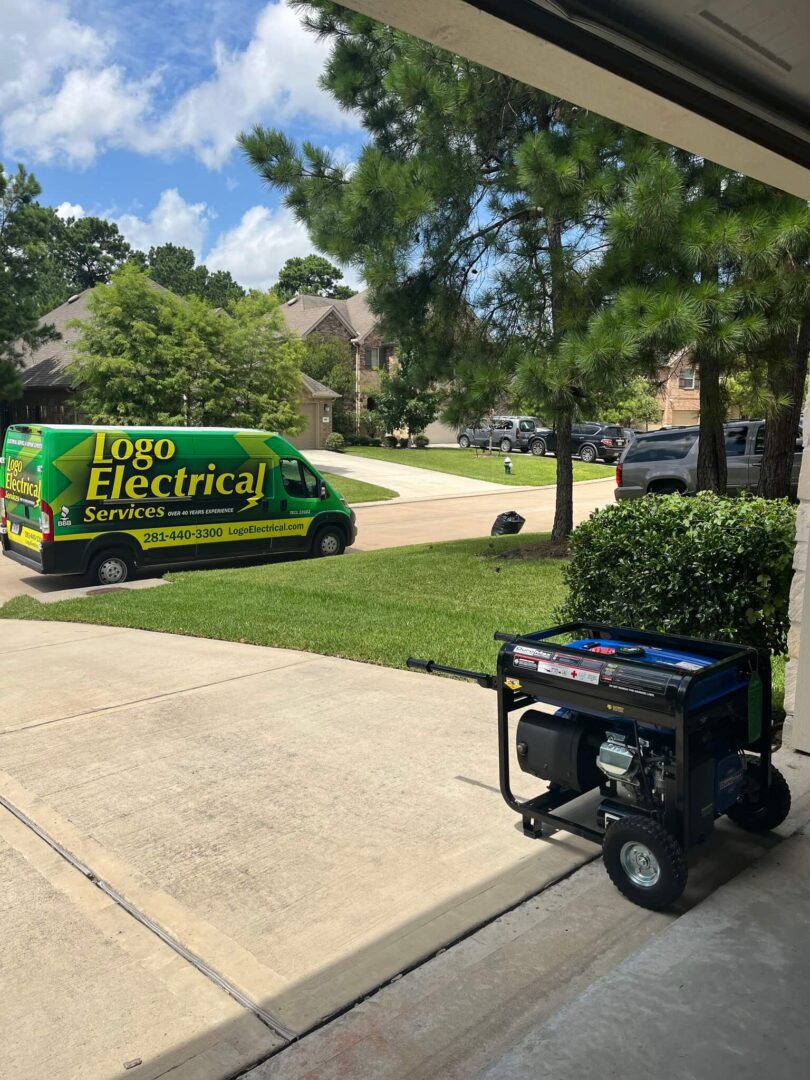
Some homeowners add dedicated circuits for large appliances, workshops, pool equipment, or home offices. Others prepare for a standby generator or EV charger, even if the equipment is not being installed immediately. Planning ahead can save money and avoid rework later.
This is where experience matters. A licensed electrician should not just replace what is there. They should look at how your home is used and recommend a setup that makes sense for your needs and budget.
What affects the cost?
Homeowners understandably want a firm price before agreeing to a panel replacement, but costs can vary based on the details. The size of the new panel, the condition of the existing wiring, permit requirements, grounding work, and whether the electrical service itself needs upgrading all affect the final number.
Accessibility matters too. A panel in a clean, open garage is usually simpler to replace than one in a tight interior utility area with limited working clearance. If code corrections are needed beyond the panel, that will add to the scope. The same goes for replacing outdated meter equipment or coordinating changes with the utility company.
The lowest quote is not always the best value. Electrical work should be priced clearly and honestly, with licensed labor, proper permitting, and quality materials included. That kind of estimate protects the homeowner because it reflects the real work required to do the job safely.
Why this is not a DIY project
There are home projects that reward a careful, handy homeowner. Panel replacement is not one of them. Even with the main breaker off, parts of the electrical system can remain energized. The risk of shock, arc flash, fire, equipment damage, and failed inspection is serious.
There is also the issue of code compliance. Breaker sizing, conductor terminations, grounding, bonding, panel ratings, and service capacity all have to be correct. One mistake can create hazards that do not show up right away but become dangerous over time.
That is why homeowners should work with a licensed electrical contractor who understands local requirements and stands behind the installation. At Logo Electrical Services, that means approaching panel work with the same priorities homeowners care about most – safety, honest pricing, clear communication, and doing the job right the first time.
Signs you should schedule an evaluation soon
If you smell something burning near the panel, see rust or moisture around it, notice breakers that feel hot, or lose power on circuits repeatedly, do not wait. The same goes for buzzing sounds, visible scorching, or a panel that has been flagged during a home inspection.
Even without obvious warning signs, some homeowners should be proactive. If your home still has an older panel and you are planning renovations, adding major appliances, installing a generator, or preparing for an EV charger, it is a good time to ask whether the existing breaker box is still the right fit.
A good electrician will tell you if replacement is necessary, if repair is still reasonable, or if another upgrade would better solve the problem. That kind of guidance matters because not every electrical issue calls for the most expensive option.
The best time to think about your panel is before it becomes an emergency. If your home is showing signs of strain, a professional evaluation can give you a clear picture of what is safe, what needs attention, and what will serve your family well for years to come.