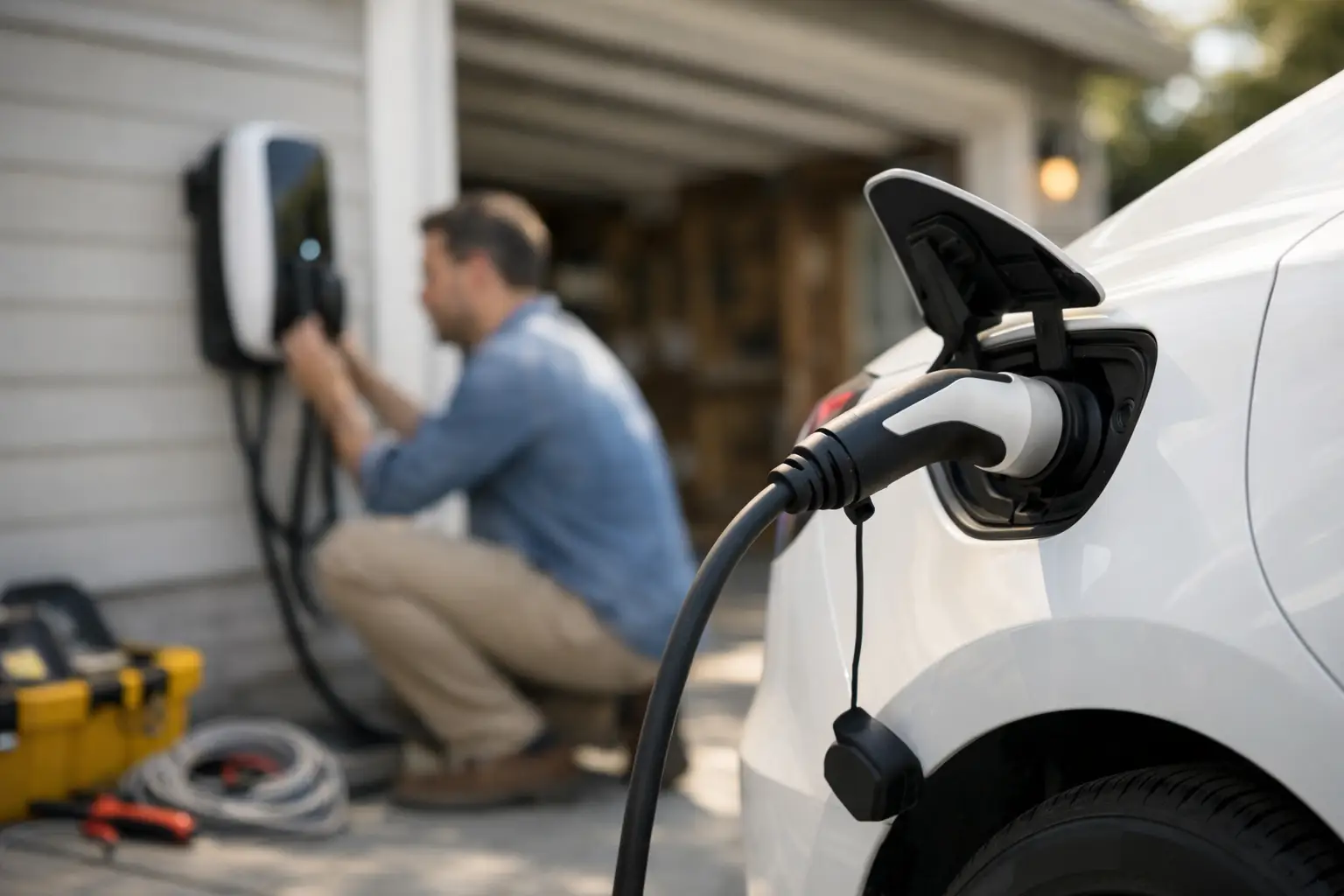
A new EV can be a pleasure to drive until charging becomes part of the daily routine. Public chargers are useful for road trips and occasional top-ups, but most homeowners prefer the convenience of waking up to a charged vehicle. If you have asked, “can I install EV charger at home,” the answer is usually yes. The more useful question is whether your current electrical system can support the charger safely without affecting the rest of your home.
A licensed electrician can evaluate your panel capacity, the distance to the parking area, the condition of your existing wiring, and local permitting requirements before recommending the right setup. That upfront assessment helps prevent surprise costs and ensures the installation is built to last.
Can I Install an EV Charger at Home? Start With Your Electrical Panel
Home EV chargers are not one-size-fits-all. A Level 1 charger uses a standard 120-volt outlet and is often included with the vehicle. It is the simplest option, but it charges slowly. For drivers with short commutes and plenty of overnight parking time, Level 1 charging may be enough.
Most homeowners who drive an EV regularly choose a Level 2 charger. These chargers use a 240-volt circuit, similar to the electrical supply used for a dryer, oven, or central air equipment. They can add substantially more driving range overnight, making them a practical choice for households that need reliable daily charging.
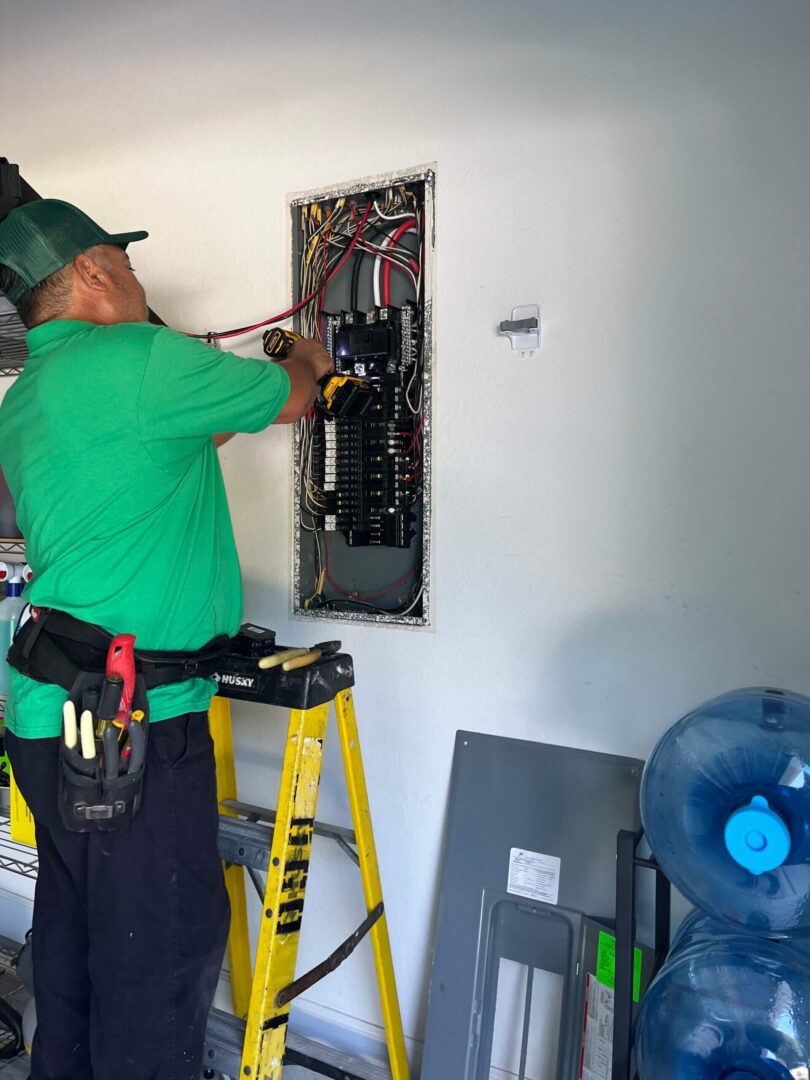
The panel is the first place an electrician should look. A charger needs a dedicated circuit, and the panel must have enough available capacity to carry that new electrical load safely. An older home may have a 100-amp service, a crowded panel, outdated equipment, or existing high-demand appliances that limit what can be added.
That does not automatically mean you cannot charge at home. It may mean the project needs a panel upgrade, a service upgrade, load-management equipment, or a charger configured for a lower amperage. The right answer depends on the home, the vehicle, and how your family uses electricity throughout the day.
Your Parking Location Affects the Installation
Where you park matters nearly as much as your electrical panel. A charger installed on a garage wall near the panel is often a more straightforward project than one serving a detached garage, driveway, carport, or parking pad on the other side of the house.
Longer runs of wiring typically require more labor and materials. The circuit may need to travel through an attic, crawlspace, walls, conduit, or underground trenching. Outdoor installations also need equipment and wiring methods rated for weather exposure. A charger at a driveway should be positioned to avoid creating a tripping hazard or placing strain on the charging cable.
For Magnolia and Houston-area homeowners, heat and humidity are also worth considering. Properly rated equipment, secure mounting, weather-resistant connections, and careful placement all help protect the installation over time. A professional will recommend a location that is convenient without compromising safety or access.
A Dedicated Circuit Is Not Optional
An EV charger should not share a circuit with another appliance or outlet. Charging can place a sustained demand on the electrical system for hours at a time, which is different from the brief load created when you turn on a microwave or hair dryer.
A properly installed Level 2 charger receives its own correctly sized breaker, conductors, and connections. The electrician will match the circuit to the charger’s required amperage and the manufacturer’s installation instructions. This is one reason a plug-in charger is not always a simple do-it-yourself purchase-and-connect project.
Some chargers plug into a correctly installed 240-volt receptacle, while others are hardwired directly to the electrical system. Hardwiring can offer a clean, durable solution and may reduce concerns about outlet wear from frequent high-load use. The best choice depends on the charger model, the location, and your long-term plans for the home.
Permits and Code Compliance Protect Your Home
Many homeowners are surprised to learn that EV charger installation may require an electrical permit and inspection. Requirements vary by city, county, utility provider, and the scope of the work, especially if the project includes a panel or service upgrade.
Permits are not just paperwork. They help verify that the circuit, grounding, breaker sizing, wire installation, and equipment placement meet applicable electrical codes. That matters for your family’s safety, your home’s resale value, and potential insurance questions after an electrical incident.
A licensed electrical contractor should explain whether a permit is needed, handle the permitted work correctly, and avoid shortcuts that could create future problems. If a quote seems unusually low because it excludes permitting, panel evaluation, or proper wiring methods, it may not be the value it appears to be.
Choose Charger Speed Based on How You Actually Drive
The fastest charger is not always the best charger for your home. Before selecting equipment, consider your typical daily mileage, the size of your vehicle’s battery, when you are usually home, and whether one or two EVs may need charging in the future.
A driver who travels 25 miles a day has different needs than a household with two electric vehicles, a long commute, and frequent weekend travel. In many cases, a moderate-amperage Level 2 charger provides plenty of overnight charging without requiring the largest possible circuit or a major electrical upgrade.
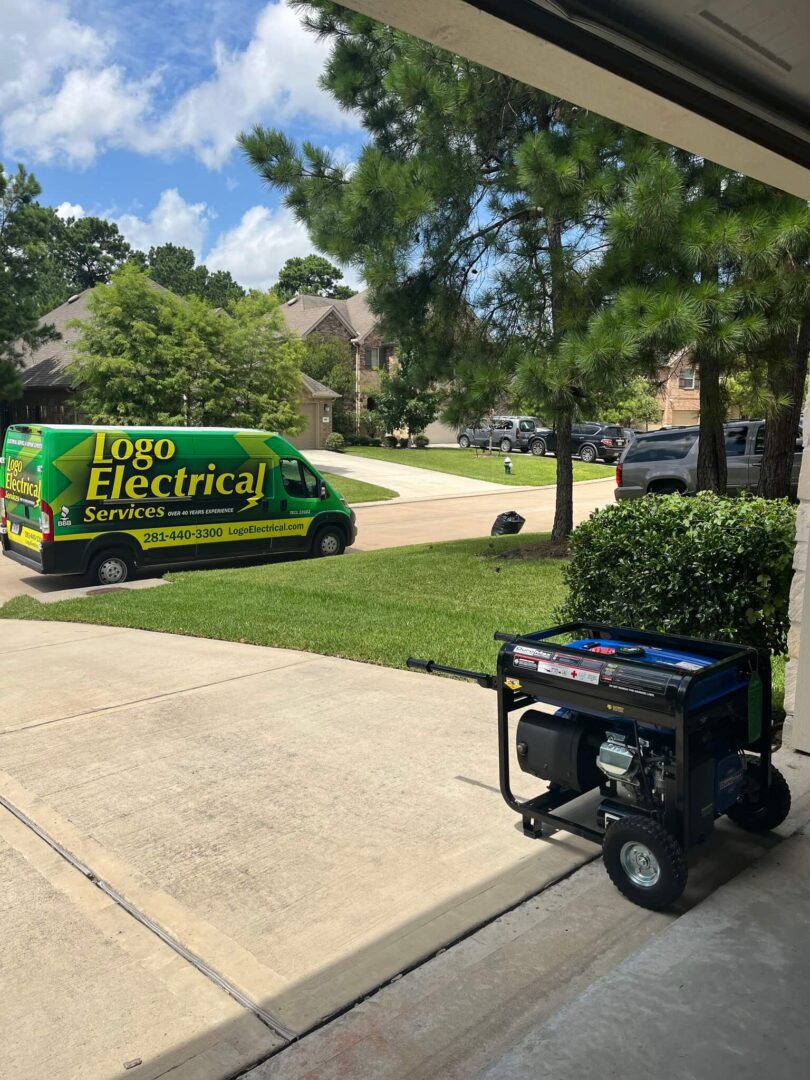
It is also wise to think ahead. If you expect to add a second EV, remodel the garage, install a pool, or add a generator, those plans can affect your electrical capacity. An experienced electrician can help you avoid installing a solution that works only until the next home improvement project.
Do Not Overlook Whole-Home Electrical Priorities
An EV charger is a major new load, but it is also an opportunity to look at the overall condition of your electrical system. If you have flickering lights, frequently tripped breakers, a panel with signs of corrosion, or an older service that has never been evaluated, those concerns should be addressed before adding a charger.
Whole-home surge protection is another worthwhile consideration. Modern EV chargers, vehicles, appliances, smart-home devices, and HVAC controls all contain sensitive electronics. While surge protection cannot prevent every electrical issue, it adds a useful layer of defense against voltage spikes that can damage connected equipment.
A clear evaluation should distinguish between work that is necessary for a safe charger installation and improvements that are optional but beneficial. Honest recommendations matter. You deserve to understand what your home needs now, what can wait, and why.
What to Expect From a Professional EV Charger Installation
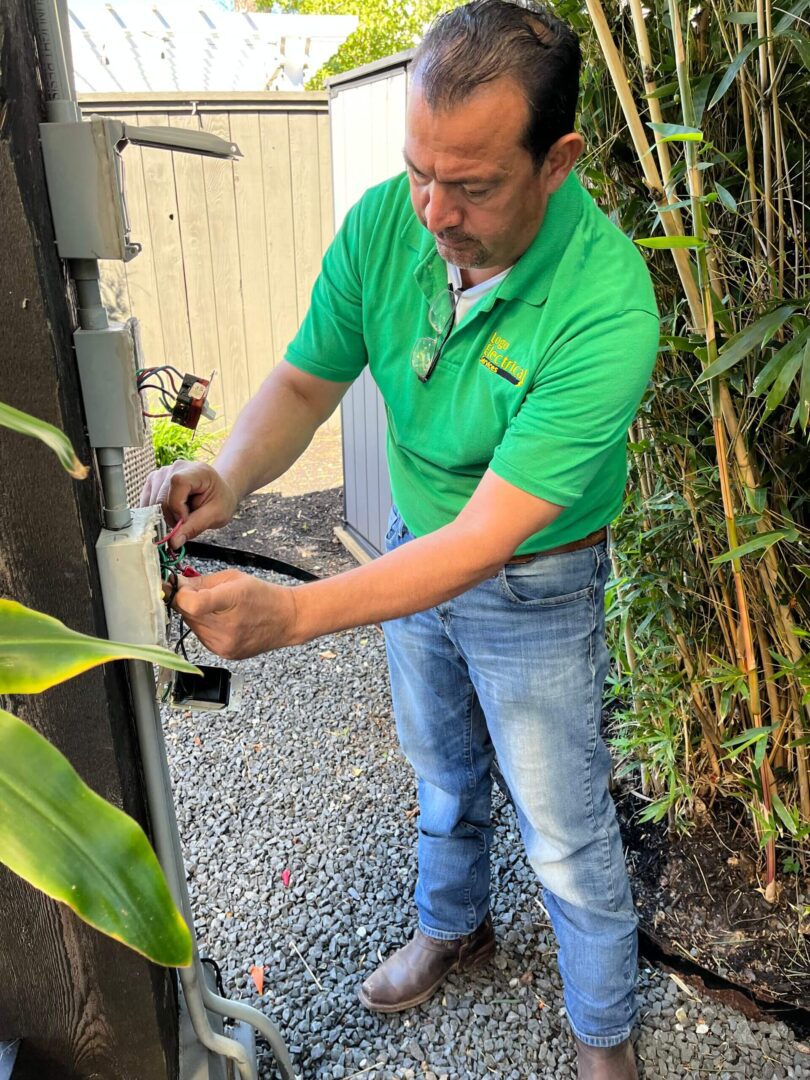
A reliable installation begins with a site visit or detailed assessment. The electrician reviews the panel, determines available capacity, measures the wiring path, checks the desired mounting location, and confirms the charger’s electrical requirements. From there, you should receive a clear explanation of the work and pricing before the job begins.
Installation may involve adding a new breaker, running a dedicated circuit, mounting the charger or receptacle, making final connections, testing the equipment, and completing permit or inspection steps when required. The work should be neat, code-compliant, and planned around your home rather than forced into a generic package.
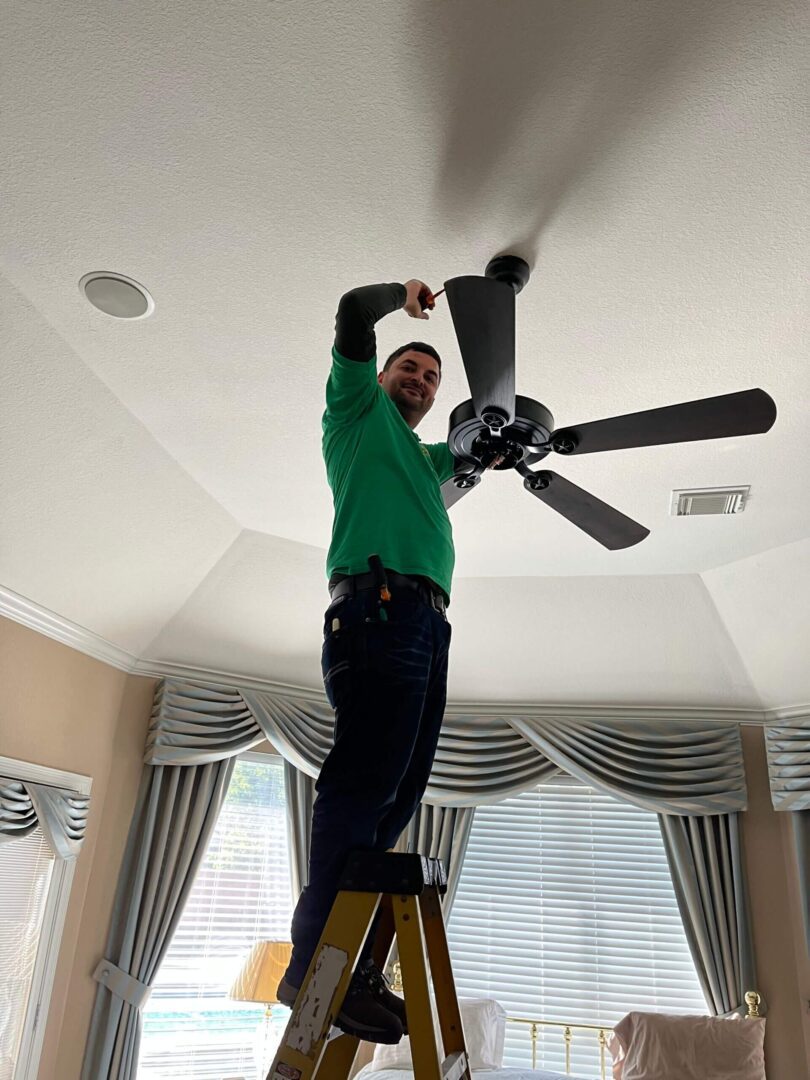
Logo Electrical Services brings more than 45 years of industry experience to residential electrical upgrades, with licensed workmanship and straightforward communication for homeowners in Magnolia and surrounding communities. Whether your home is ready for a charger now or needs an electrical upgrade first, a professional assessment gives you a safe path forward.
Home charging should make EV ownership easier, not introduce uncertainty into your electrical system. Have a licensed electrician review your home before you buy or install equipment, so the charger you choose fits your vehicle, your routine, and the way your home is built.