A whole house rewiring cost is not simply the price of new wire. It reflects the work required to make an older home safer, code-compliant, and ready for the way your family actually uses power today. In Magnolia and across the Houston area, two homes with the same square footage can have very different electrical needs – and very different project costs.
For many homeowners, rewiring becomes necessary after recurring breaker trips, flickering lights, warm outlets, ungrounded receptacles, aluminum wiring concerns, or the discovery of aging cloth-insulated wiring. It may also be part of a major remodel, a panel upgrade, or preparation for high-demand additions such as an EV charger, generator, or new HVAC equipment.
Typical Whole House Rewiring Cost Ranges
A full rewiring project can range from roughly $10,000 to $30,000 or more, depending on the home and the scope of work. Smaller, more accessible homes may fall toward the lower end. Larger homes, homes with difficult access, extensive finish repairs, major service upgrades, or complex custom features can exceed that range.
A reliable estimate should be based on an on-site evaluation, not square footage alone. Square footage is a useful starting point, but it does not reveal what is behind the walls, whether the home has a crawlspace or accessible attic, how many circuits are needed, or whether the existing electrical service can support modern demand.
An honest contractor will explain what is included in the price, what conditions could affect it, and whether related work should be handled at the same time. That clarity matters because electrical work is a safety investment, not a place to accept vague allowances or incomplete scopes.
What Drives Whole House Rewiring Cost?
The age and construction of the home
Older homes often take more time to rewire because wiring routes are limited and existing systems may not meet current standards. Plaster walls, brick construction, tight attics, low crawlspaces, and finished ceilings can all add labor. A home built on a slab can require different routing strategies than one with a basement or crawlspace.
The goal is always to perform the work cleanly while minimizing disruption. However, some wall or ceiling access may be necessary to replace wiring correctly. A professional electrician should discuss likely access points before work begins, so there are no surprises about patching or finish repairs.
Electrical panel and service capacity
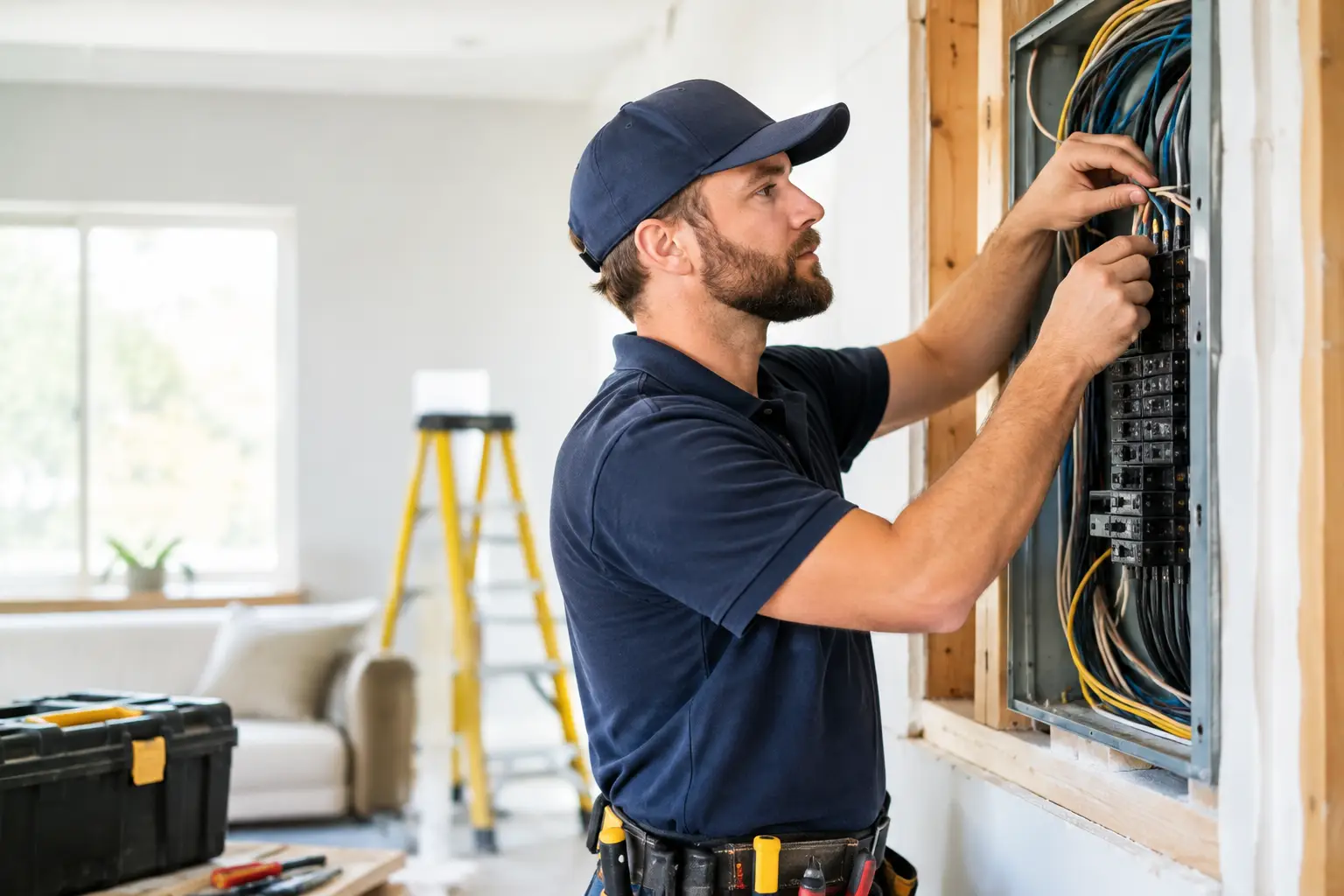
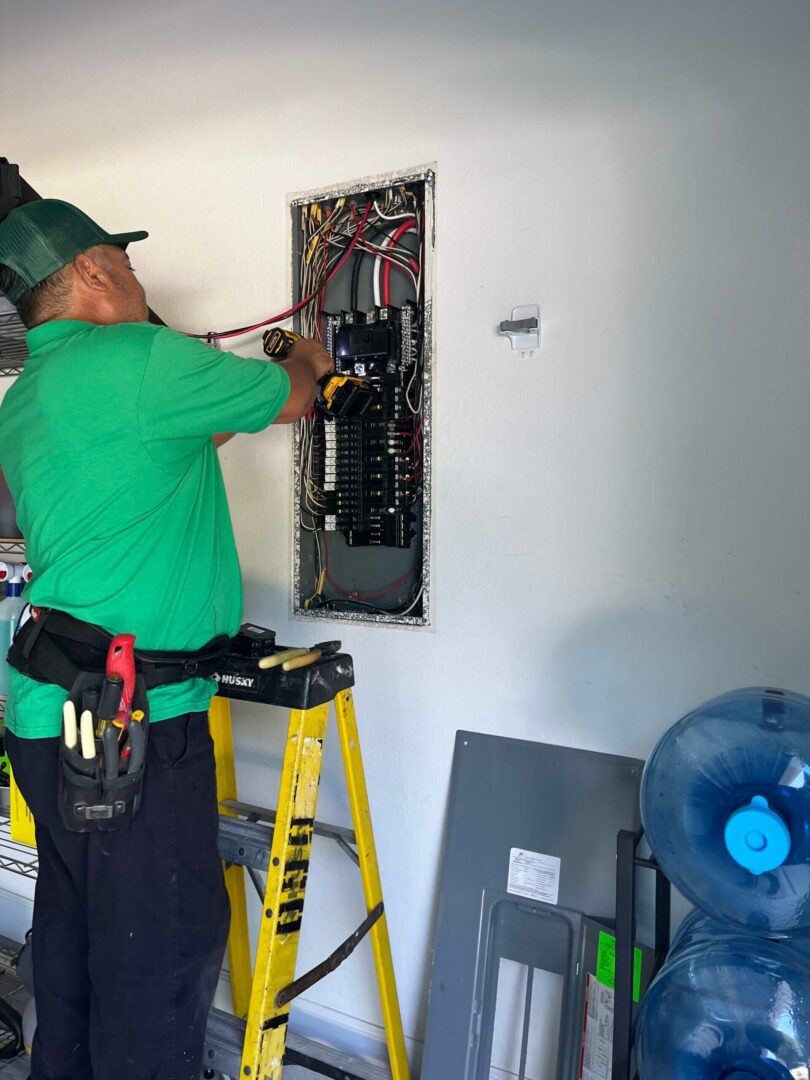
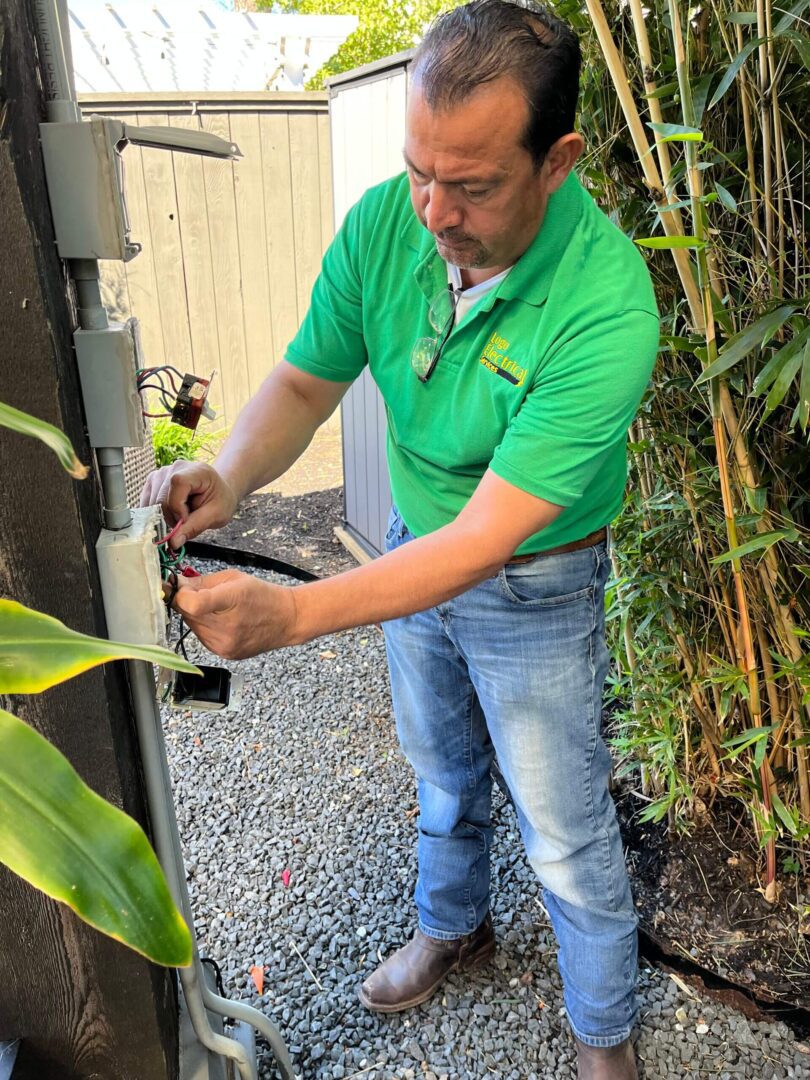
Rewiring often reveals that the electrical panel is undersized, outdated, damaged, or no longer appropriate for the home’s load. If a new panel, meter equipment, grounding improvements, or a service upgrade is needed, the project cost will increase.
This work can be worthwhile when a home has an older fuse box, a crowded panel, insufficient breaker space, or a service that cannot safely accommodate modern appliances. A properly sized panel also creates room for future needs, including a generator interlock, whole-home surge protection, pool equipment, an EV charger, or an addition.
Number of circuits and outlets
Modern homes need more dedicated circuits than homes built decades ago. Kitchens, laundry areas, bathrooms, garages, outdoor spaces, HVAC equipment, and appliances all have specific electrical requirements. The more circuits, outlets, switches, lighting locations, and specialty equipment a home needs, the more material and labor the project requires.
This is not an area where cutting corners pays off. A home with too few circuits can continue to experience overloaded outlets, tripped breakers, and inconvenient extension-cord use even after new wiring has been installed.
Safety and code upgrades
A full rewire typically includes more than replacing old conductors. Depending on the home and local requirements, the project may involve grounded outlets, GFCI protection in required areas, AFCI protection, smoke and carbon monoxide detector wiring, proper bonding and grounding, tamper-resistant receptacles, and weather-rated exterior equipment.
These upgrades raise the initial cost, but they are part of bringing the system closer to current safety expectations. They can also improve day-to-day reliability and help protect valuable electronics from electrical disturbances when combined with whole-home surge protection.
Permits and inspections
Permits and inspections are an important part of significant electrical work. They help verify that the installation meets applicable codes and that critical safety requirements are addressed. Permit requirements and fees can vary by jurisdiction, so homeowners should ask how permitting will be handled and whether it is included in the estimate.
A licensed electrical contractor should be comfortable pulling permits when they are required and coordinating the inspection process. Work that skips this step may appear less expensive upfront, but it can create safety concerns, resale complications, insurance questions, and costly corrections later.
When a Partial Rewire May Make Sense
Not every home needs every branch circuit replaced at once. In some situations, a targeted rewire is a practical option. For example, a homeowner may update a kitchen during a remodel, replace unsafe wiring in a specific section of the house, or add properly grounded circuits to bedrooms and living areas while planning future phases.
A partial approach can lower the immediate expense, but it should be based on a clear assessment of the existing system. If old wiring is widespread or the panel and grounding system are inadequate, piecemeal work may only postpone a larger project. The right decision depends on safety, budget, renovation plans, and the condition of the wiring throughout the home.
How to Get a Useful Rewiring Estimate
A detailed estimate should identify the major parts of the project: wiring replacement, new circuits, panel work if needed, devices and fixtures, permit handling, and expected access requirements. It should also clarify what is not included, such as drywall repair, painting, or specialty fixture selections, if those items fall outside the electrical scope.
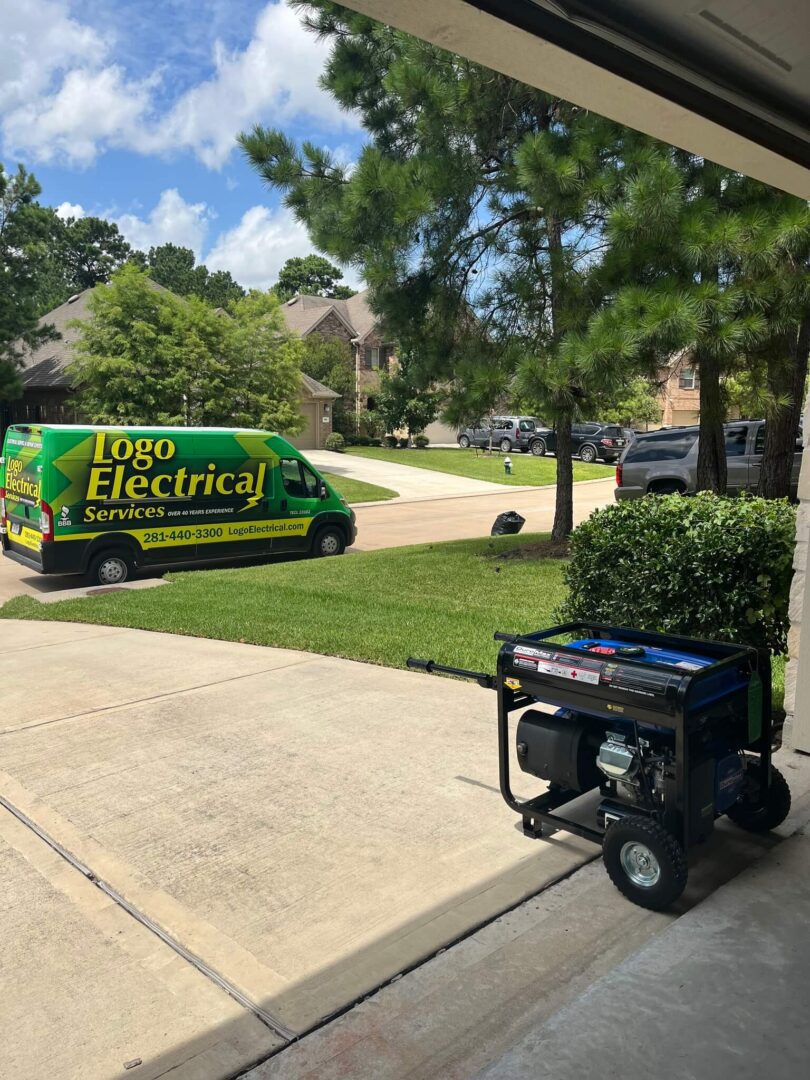
Before approving the work, ask whether the estimate accounts for your future plans. If you expect to install an EV charger, standby generator, hot tub, workshop equipment, or a home addition, planning for that capacity now can be more cost-effective than reopening walls and modifying the panel later.
It is also wise to compare scope, not just the bottom-line number. A lower estimate may omit permits, safety devices, panel corrections, grounding work, or adequate circuits. Licensed, code-compliant work from an experienced contractor protects your home and gives you a clearer understanding of what you are paying for.
Signs You Should Schedule an Electrical Evaluation
Some warning signs deserve prompt attention: breakers that trip repeatedly, outlets that feel warm, burning odors, buzzing from the panel, flickering lights, discolored switches, shocks or tingling from appliances, and reliance on multiple power strips in older rooms. These issues do not always mean a full rewire is required, but they should be evaluated by a qualified electrician.
If you are buying an older home, renovating, or adding major electrical loads, an assessment can help you make decisions before construction begins. Logo Electrical Services can evaluate the condition of your home’s wiring, explain the available options in plain language, and provide a clear estimate for work that supports safe, dependable power for years to come.
The best time to plan a rewire is before an aging electrical system becomes an emergency. A careful evaluation gives you the information to prioritize safety, budget responsibly, and move forward with confidence.