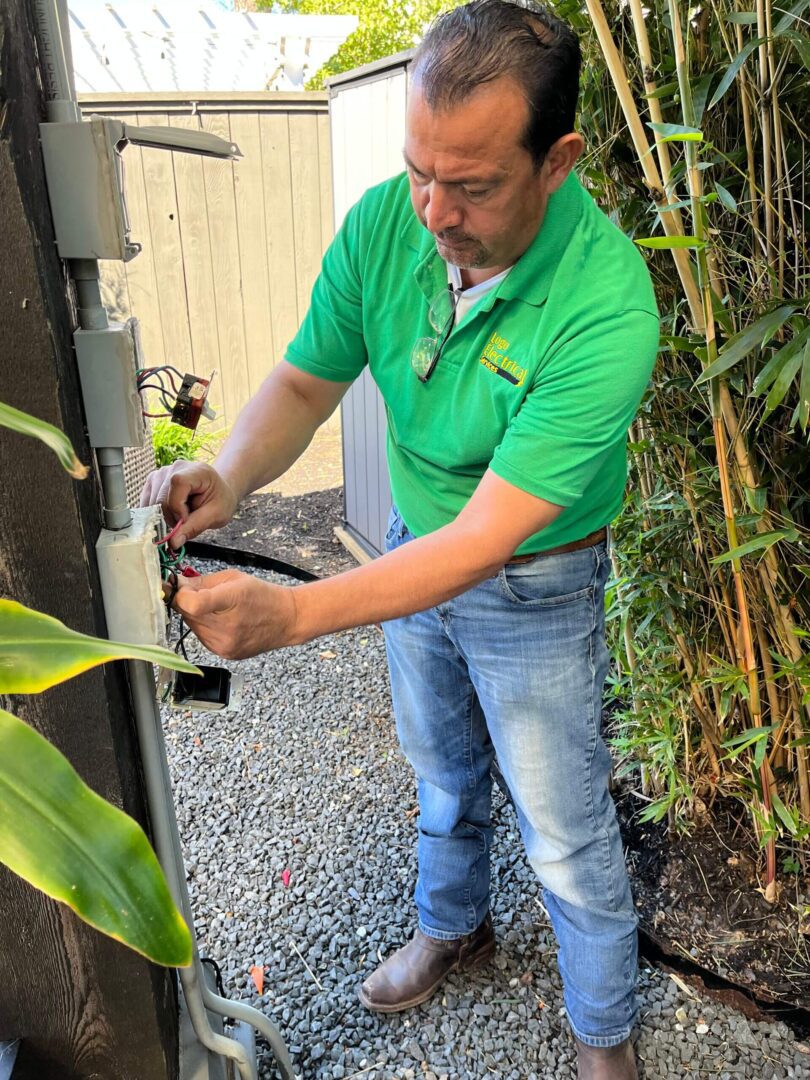
A home can look perfectly normal above ground while the electrical service below it is failing. Dimming lights when the air conditioner starts, intermittent power, a breaker panel that suddenly loses voltage, or visible damage near the meter can all point to a serious issue. This underground service replacement example shows how a licensed electrician approaches the problem without guessing, cutting corners, or leaving a homeowner with a temporary fix.
For Magnolia and Houston-area homeowners, underground electrical work deserves careful planning. The repair may involve utility equipment, permits, inspections, trenching, conduit, and a planned outage. The right solution depends on where the damage is located and who owns that portion of the electrical system.
An Underground Service Replacement Example
Consider a homeowner whose lights occasionally flicker and whose main breaker has tripped twice during heavy rain. The home has an underground electrical service: power runs from the utility connection near the street to the meter and then to the main panel through buried conduit.
During an inspection, the electrician finds moisture and corrosion at the meter equipment. Testing also suggests a compromised conductor underground. The existing PVC conduit has shifted over time, creating a low spot where water can collect. One conductor insulation jacket has deteriorated, and the connection can no longer be considered reliable or safe.
The homeowner may assume the entire line must be replaced from the street to the panel. Sometimes that is true, but not always. The first step is identifying the service point and confirming which equipment belongs to the utility and which portion is the homeowner’s responsibility. The utility may own the line up to a designated point, while the homeowner is responsible for the meter base, service entrance conductors, conduit, grounding, and panel-side equipment. Exact boundaries vary by utility requirements and the existing installation.
In this example, the utility confirms its side is functioning properly. The homeowner’s buried service equipment, from the meter location to the main panel, requires replacement. Because the meter base also shows heat and corrosion damage, replacing only the underground conductors would not be a sound long-term repair.
What the Replacement Work Can Include
A professional underground service replacement starts with a written scope of work. That scope should explain what is known, what needs verification after excavation, and whether panel upgrades or utility coordination may be required. Honest pricing means being clear about these variables before work begins.
The electrician coordinates the required permit and utility disconnect. Power must be shut off before service equipment is opened or replaced. For a home with medical equipment, refrigerated medications, a home office, or other essential needs, the outage should be discussed in advance so the family can prepare.
Next, the work area is marked and utility locates are requested before digging. This step is essential. A buried electrical service may be near water, gas, communications, irrigation, landscape lighting, or drainage lines. No one should assume the route of an old underground line based on where the meter or panel sits.
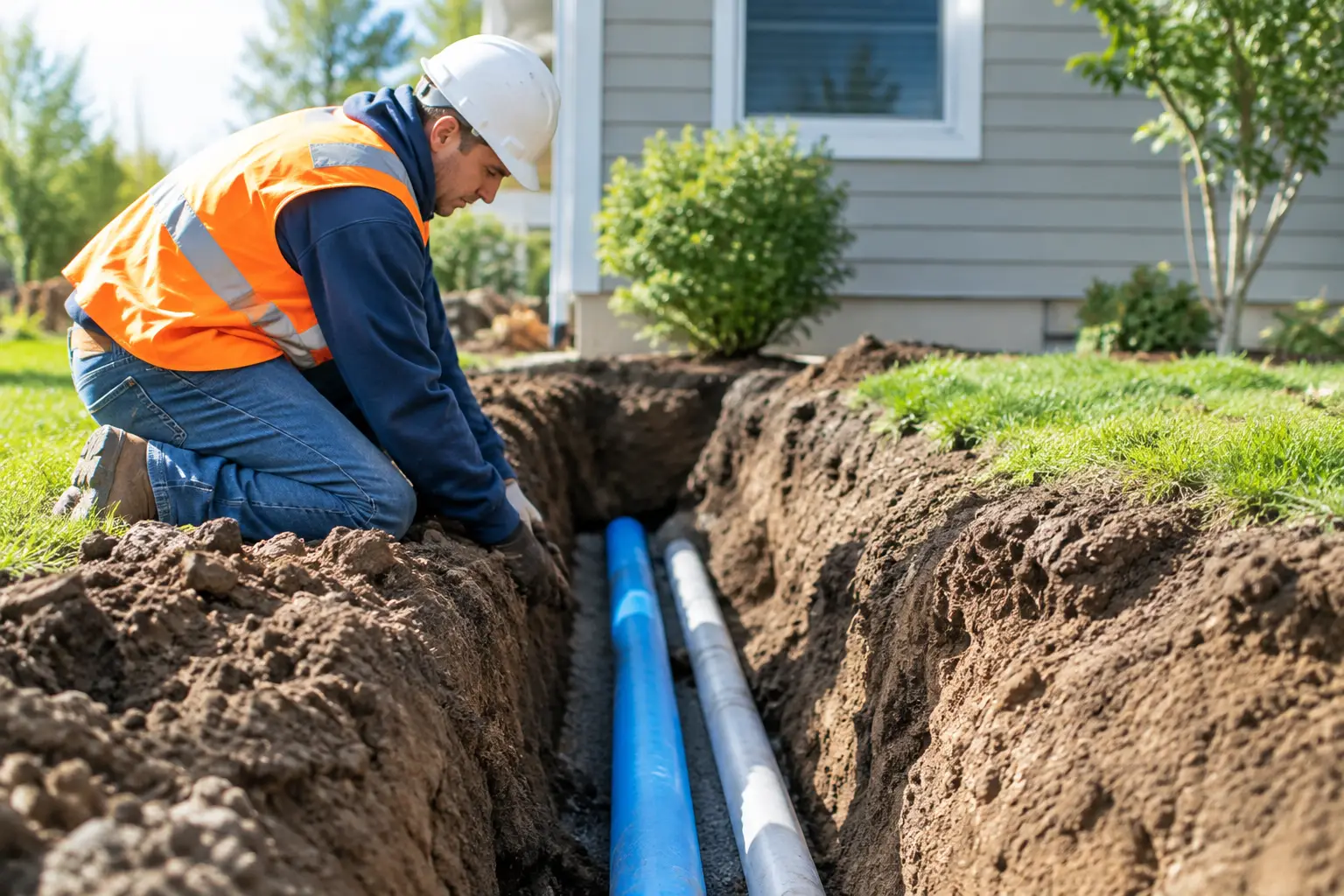
Once the area is cleared for excavation, the electrician exposes the damaged conduit and conductors. In this example, the old conduit has separated at a coupling and settled below grade. The repair plan calls for removing the failed section, installing correctly sized new conduit, and pulling new conductors rated for the installation. The electrician also replaces the damaged meter equipment and makes any needed updates to the grounding and bonding system.
Before the trench is closed, the installation is inspected. Required burial depth, conduit protection, conductor sizing, grounding, connections, and labeling must meet the applicable electrical code and local requirements. After approval, the utility reconnects service and the electrician verifies voltage, panel operation, and the performance of major loads.
This process can sound extensive because it is. Electrical service equipment is the path that supplies power to the entire home. A buried failure is not the place for improvised splices, undersized wire, or an unpermitted repair.
When Replacement Is Better Than a Repair
Not every underground electrical problem requires full replacement. A localized conduit repair may be possible when conductors test well and the damaged area is accessible. In other cases, replacing the run is the safer and more cost-effective choice.
Replacement is often recommended when insulation has failed, water has entered the raceway, conductors are corroded, the conduit has collapsed, or repeated digging would be needed to chase multiple failures. It may also make sense when the home has an older panel, insufficient electrical capacity, or meter equipment that no longer meets current standards.
Homeowners should be cautious about low-cost fixes that address only the visible symptom. For example, replacing a corroded lug at the meter may restore power temporarily, but it will not solve damaged underground conductors or chronic water intrusion. A qualified diagnosis should separate the immediate failure from the condition that caused it.
What Affects Cost and Scheduling
There is no responsible one-price answer for underground service replacement. The final cost depends on the length and depth of the trench, soil conditions, accessibility, existing conduit condition, conductor size, meter and panel upgrades, permit requirements, inspection timing, and utility coordination.
A short run through open soil is very different from a run beneath a driveway, patio, mature landscaping, or drainage area. If the electrical service needs more capacity for a pool, generator, EV charger, or home addition, the project may involve larger conductors and service equipment. Those upgrades can be worthwhile, but they should be explained as options rather than added without discussion.
Scheduling also depends on the utility. A licensed electrician can prepare the homeowner’s equipment and coordinate the needed steps, but the utility controls its own disconnect and reconnection schedule. Clear communication matters here. Homeowners should know when the outage is expected, what access is needed, and what restoration steps remain after the electrical work is complete.
Questions to Ask Before Authorizing the Work
Ask the electrician to explain the failure in plain language. You should understand whether the issue is on the utility side or the homeowner side, why replacement is recommended, and which equipment will be replaced. It is also reasonable to ask how the trench will be routed, whether landscaping or hardscape may be affected, and who handles permits and inspection coordination.
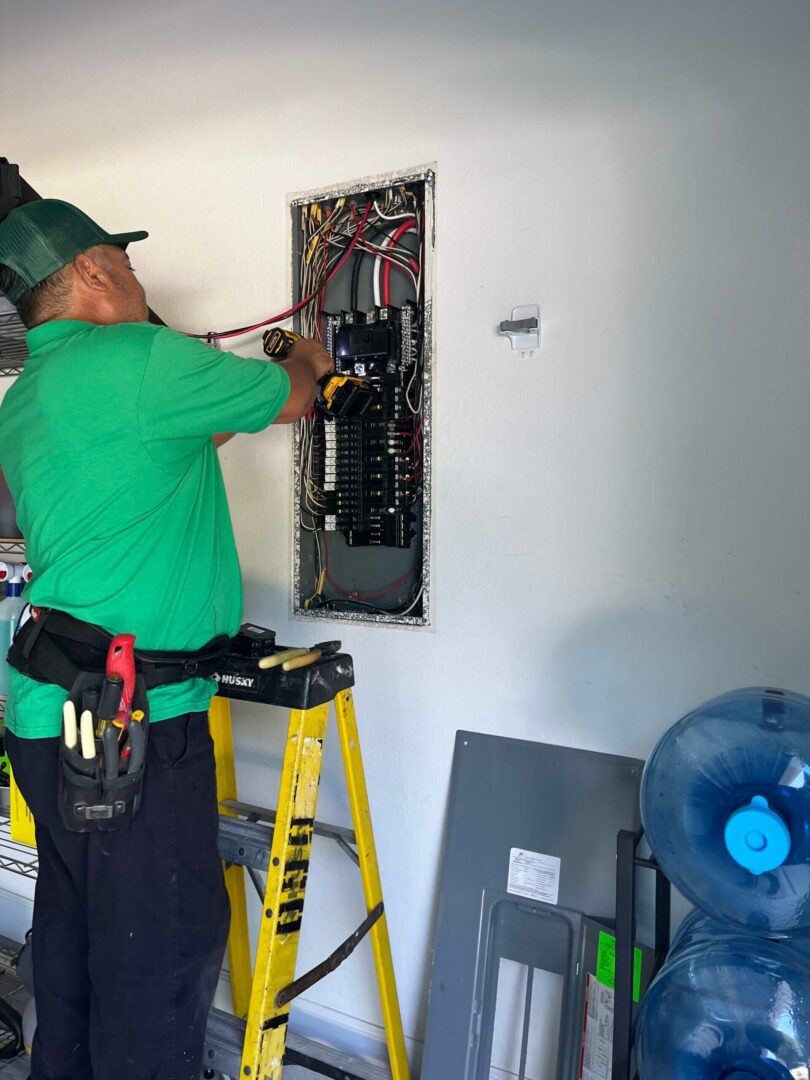
Ask about the condition of the main panel and grounding system while the service work is being evaluated. An underground service replacement can be a practical time to correct outdated equipment or plan for future needs, but only if the upgrades provide a real benefit for your home.
Most of all, choose a licensed contractor with experience in service work. This is not routine wiring. It involves the equipment that protects your home from electrical faults and safely delivers power to every circuit. Logo Electrical Services approaches these projects with the careful diagnosis, code-compliant workmanship, and straightforward communication homeowners deserve.
If you notice flickering power, heat or corrosion near the meter, recurring service interruptions, or damage around a buried electrical route, arrange an evaluation before the problem becomes a complete outage. A clear diagnosis and a properly planned repair can protect both your home’s electrical system and the people who rely on it every day.