A Texas power outage is rarely just an inconvenience. In Magnolia and the greater Houston area, severe storms, hurricane-season conditions, heat waves, and equipment failures can leave homes without air conditioning, refrigeration, internet, lighting, or well pumps when they are needed most. The future of home backup power is moving beyond a simple question of whether to buy a generator. Homeowners now have more ways to protect their households, but the right choice still depends on the home, the electrical system, and the loads that matter most.
The Future of Home Backup Power Is More Flexible
For many years, backup power meant a portable generator in the garage or a permanently installed standby generator outside the home. Those options remain practical and dependable, especially when an outage lasts for several days. What is changing is the range of systems available and the ability to manage power more intelligently.
Modern homes may combine a standby generator, battery storage, solar panels, smart electrical panels, and load-management equipment. That does not mean every home needs every technology. A well-designed backup plan often starts with dependable essentials: the refrigerator, a few lights, internet equipment, medical devices, a garage door, selected outlets, and HVAC equipment if the system has enough capacity.
The goal is not necessarily to run every circuit exactly as usual. It is to keep the home safe, livable, and functional for the type of outage your family is most likely to face.
Standby Generators Will Remain a Strong Choice
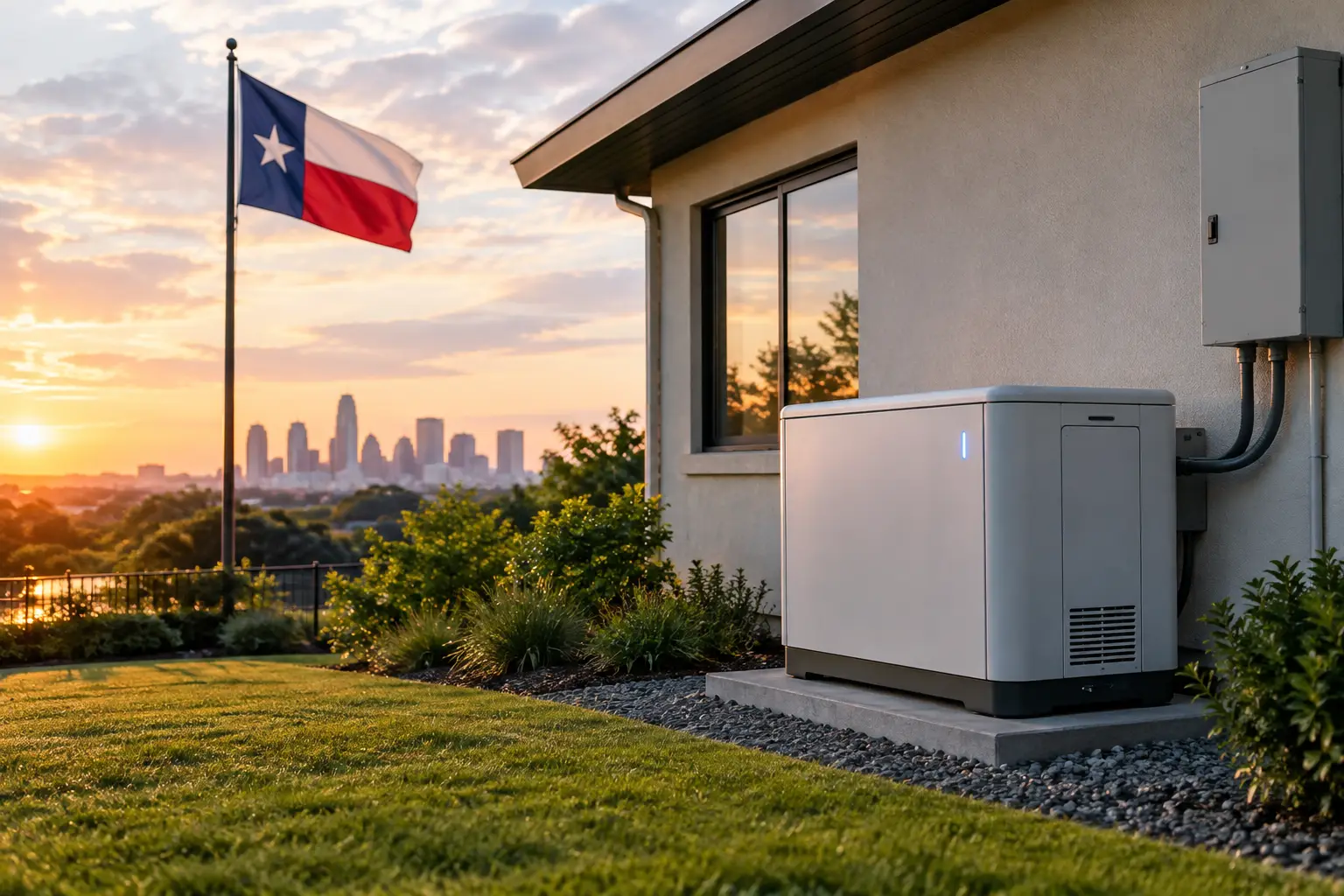
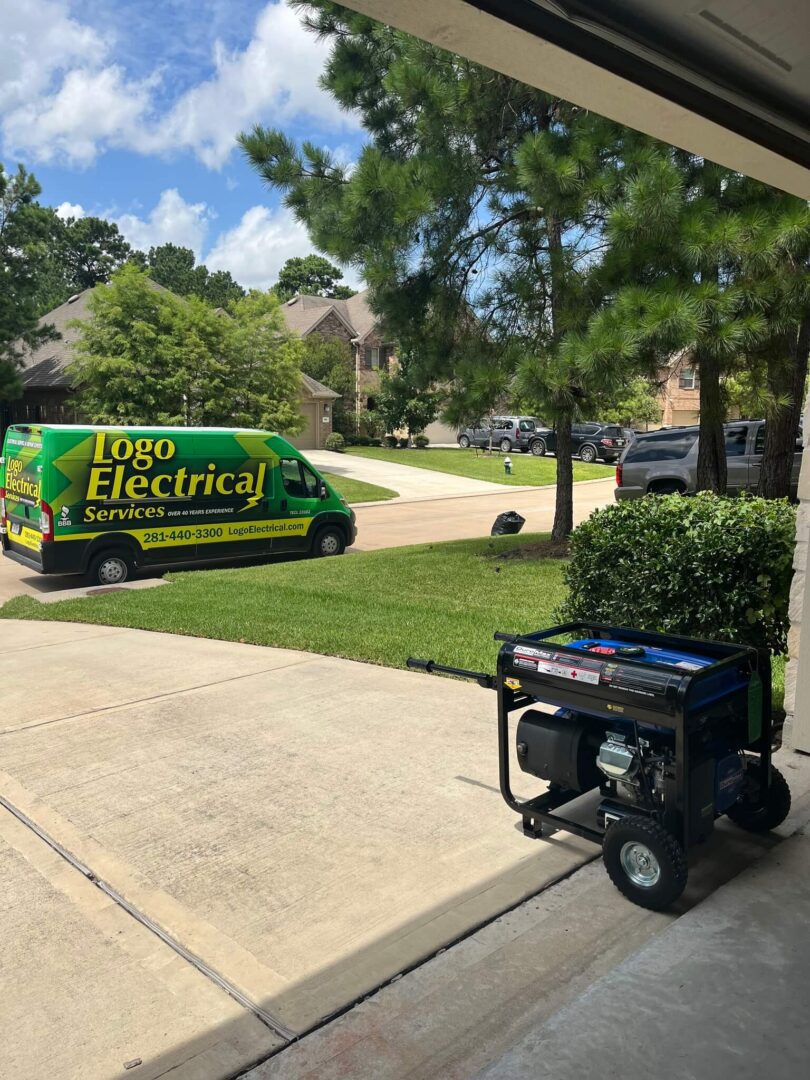
For homeowners who want dependable whole-home or near-whole-home coverage, a permanently installed standby generator remains one of the most proven options. When utility power fails, an automatic transfer switch detects the outage, separates the home from the utility supply, and starts the generator. Once power is restored, the system transfers the home back to utility power safely.
Natural gas and propane standby generators are especially valuable during extended outages. Unlike a battery, a generator can continue operating as long as it has a reliable fuel supply and receives proper maintenance. For many Texas families, that makes it a practical solution for running central air conditioning, refrigerators, freezers, lights, security equipment, and other major loads.
There are trade-offs. A whole-home generator requires space, permitting, proper gas or propane planning, electrical installation, and periodic service. It also needs to be sized correctly. An undersized unit may not support the equipment you expect, while an oversized system can add unnecessary cost. A licensed electrician should review the service panel, transfer equipment, load calculations, and local code requirements before installation.
Battery Backup Is Expanding, but Capacity Matters
Home battery systems are becoming more common as homeowners look for quiet, automatic backup power. Batteries can keep critical circuits operating immediately when the grid goes down, with no engine noise and no fuel deliveries. They can be a good fit for shorter outages, homes with modest backup needs, or households that want to pair storage with solar power.
The important detail is capacity. A battery that easily runs lights, Wi-Fi, phones, and a refrigerator may not run a large central air conditioner, electric water heater, electric range, pool equipment, and EV charger for very long. The more energy-intensive the appliance, the faster battery reserves are used.
That is why many battery installations are designed around critical loads rather than the entire home. A dedicated backup panel can supply the circuits that matter most while leaving high-demand equipment off during an outage. This approach can provide meaningful protection without requiring an oversized battery bank.
For some homes, battery storage is an excellent primary backup solution. For others, it works best as part of a hybrid plan that includes a generator for longer outages. The right answer depends on your household’s electrical usage, outage history, budget, and expectations.
Solar Can Help, but It Is Not Automatic Backup
A common misunderstanding is that solar panels alone will power a house during a blackout. In most standard grid-connected solar systems, they will not. For utility-worker safety, those systems shut down when grid power is lost.
Solar can contribute to backup power when it is designed with compatible battery storage and controls that allow the system to operate independently during an outage. On a sunny day, solar may recharge batteries and extend available runtime. At night or during prolonged cloudy weather, stored energy still has limits.
Solar-plus-storage can be a worthwhile long-term investment for the right homeowner, but it should be planned carefully. The electrical equipment, battery capacity, backup loads, roof conditions, and local permitting requirements all need to work together. It is not a one-size-fits-all replacement for a generator.
Smarter Load Management Changes What Backup Systems Can Do
One of the most useful developments in home backup power is better load management. Instead of trying to power every appliance at once, modern systems can prioritize the circuits that matter most and temporarily limit lower-priority equipment.
For example, a backup system may keep the refrigerator, lighting, internet, bedrooms, and a selected HVAC system energized while preventing the pool pump, electric dryer, or EV charger from coming on during an outage. This allows available generator or battery capacity to be used where it matters most.
Smart controls can also make a smaller backup system more useful. However, those controls must be integrated correctly with the home’s wiring and service equipment. Electrical work involving transfer switches, interlocks, subpanels, generators, batteries, and service panels should never be treated as a do-it-yourself project. Incorrect installation can create shock hazards, fire risks, equipment damage, and dangerous backfeeding into utility lines.
Your Electrical Panel May Be the First Upgrade
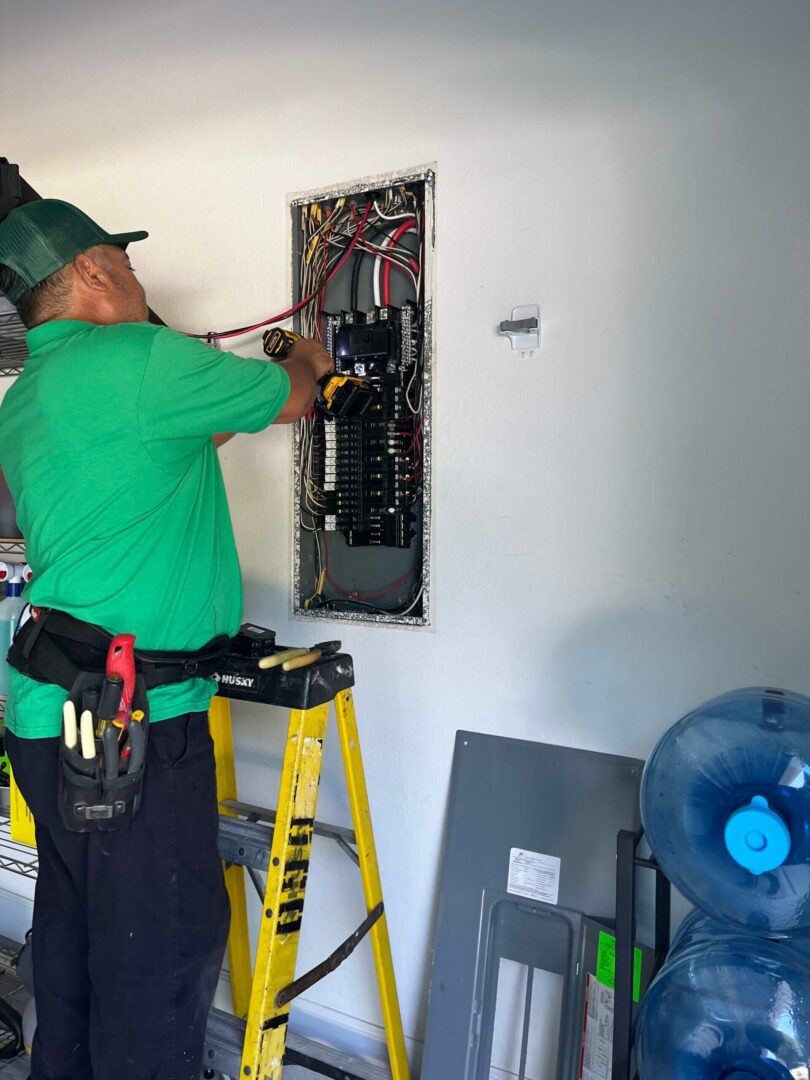
Backup power is only as dependable as the electrical system it connects to. Older homes may have limited panel capacity, crowded breakers, outdated equipment, or service issues that should be addressed before adding a generator, battery, or EV charger.
A professional evaluation can identify whether the main panel has adequate capacity, whether a panel upgrade is advisable, and how backup circuits should be organized. It can also uncover issues such as corrosion, damaged wiring, improper grounding, or overloaded circuits that could affect safety and performance.
Whole-home surge protection is another sensible part of a modern backup strategy. Power outages and restoration events can create electrical surges that may damage electronics, appliances, HVAC controls, and smart-home equipment. A properly installed surge protective device adds another layer of protection for the systems your household relies on.
How to Choose the Right Backup Power Plan
Start with the real-world question: what do you need to keep running, and for how long? A family that needs dependable air conditioning, refrigeration, a well pump, and medical equipment through multiday outages has different needs than a homeowner who primarily wants to keep food cold, phones charged, and the internet on for several hours.
Think through fuel availability, noise preferences, maintenance requirements, budget, and future plans for the home. If you expect to add an EV charger, pool equipment, an addition, or a larger HVAC system, mention it during the planning stage. Designing for future electrical demand can prevent expensive changes later.
It also helps to decide whether you want whole-home backup or critical-load backup. Whole-home systems offer more convenience, but they generally require more generator capacity, more fuel, and a larger investment. Critical-load systems can be highly effective when designed around the circuits that support comfort and safety.
Professional Installation Protects Your Home and Family
A backup power system involves more than placing equipment outside the house. It requires correct load calculations, code-compliant wiring, transfer equipment, grounding, panel connections, fuel coordination where needed, and careful testing. The system should be installed so it operates safely during an outage and returns to normal utility service without confusion or risk.
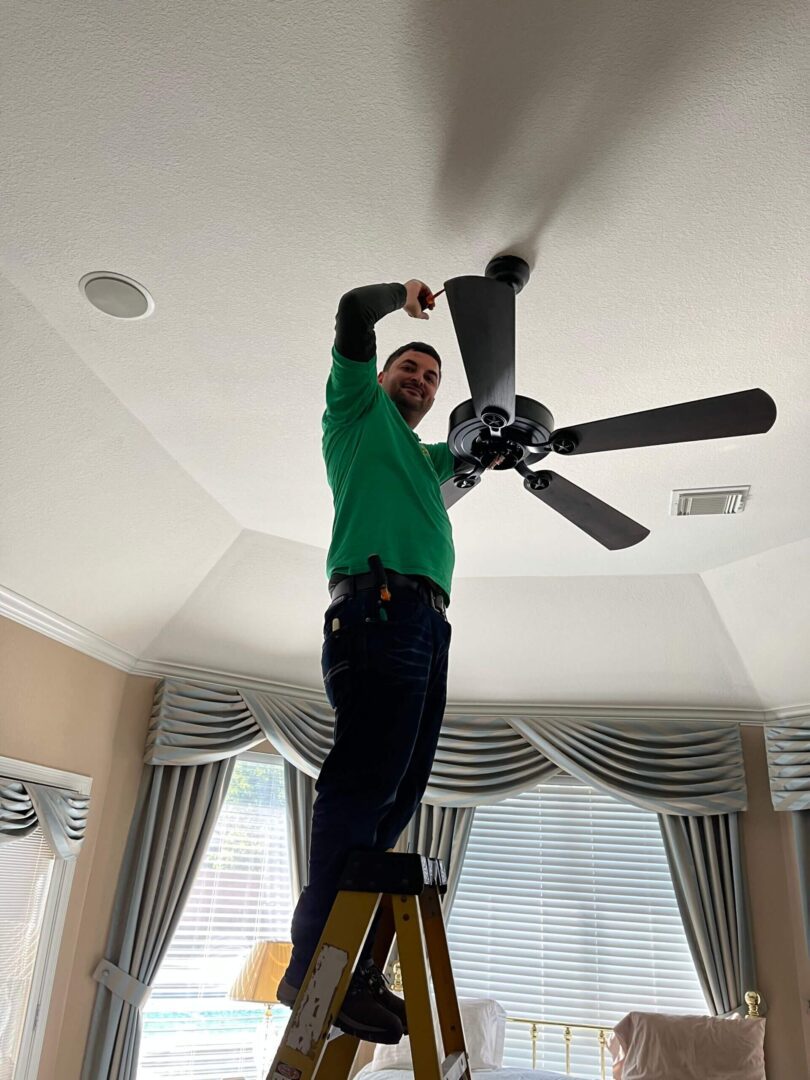
For Magnolia-area homeowners, Logo Electrical Services can assess the electrical side of a generator or backup-power project, explain practical options clearly, and complete the work with licensed, code-conscious care. Honest recommendations matter because the best system is not always the largest or most expensive one. It is the one that fits the home and protects the people in it.
Before the next storm season arrives, take a few minutes to list the appliances and circuits your family cannot comfortably lose. That simple list is often the best place to begin a safer, more dependable backup power plan.