That expensive TV, the HVAC system keeping your family comfortable, the garage door opener, the microwave, the Wi-Fi equipment – they can all take a hit from one power surge. A good home surge protection guide starts with a simple truth: most surge damage does not come from dramatic lightning strikes. It often comes from smaller, repeated electrical spikes that slowly wear down the devices and systems you rely on every day.
For homeowners in Magnolia and across the Houston area, that matters more than many people realize. Modern homes have more sensitive electronics than ever, and many also have larger electrical investments, from upgraded appliances to smart home devices, EV chargers, and standby generators. Surge protection is no longer just a nice add-on. In many homes, it is a smart layer of protection for both convenience and safety.
What surge protection actually does
A power surge is a sudden increase in voltage moving through your electrical system. That increase may last only a fraction of a second, but it can still damage circuit boards, shorten appliance life, or destroy electronics outright. Some surges are large and obvious. Many are smaller and happen so quickly that you only notice the result later, when something stops working sooner than it should.
Surge protection works by redirecting excess voltage before it reaches the equipment connected to your home’s electrical system. The goal is not just to save a computer or television. It is to protect the broader network of electrical devices in your house, including major appliances and systems with electronic controls.
That is why homeowners often hear about two different levels of protection: point-of-use surge strips and whole-home surge protection installed at the electrical panel. Both have a place, but they do not do the same job.
Home surge protection guide: where surges come from
Lightning is the cause people think of first, and yes, it can create severe surges. But it is far from the only source. Utility grid switching, power restoration after outages, damaged power lines, and transformer issues can all send excess voltage into a home.
Inside the house, larger equipment can also contribute. Air conditioners, refrigerators, and other motor-driven appliances cycle on and off throughout the day. That switching can create smaller internal surges that, over time, wear down sensitive electronics. These repeated low-level spikes may not blow anything up in one moment, but they can reduce the life of devices and controls.
In practical terms, a home with more electronics usually has more to lose. Smart thermostats, security systems, LED lighting drivers, internet equipment, gaming systems, and modern kitchen appliances all rely on components that are less forgiving than older equipment used to be.
Why power strips are not enough
A lot of homeowners assume they are covered because they use a few surge strips. That helps, but it is only part of the picture. Plug-in surge protectors are designed to protect devices connected directly to them. They do not stop a surge from entering the home’s electrical system in the first place.
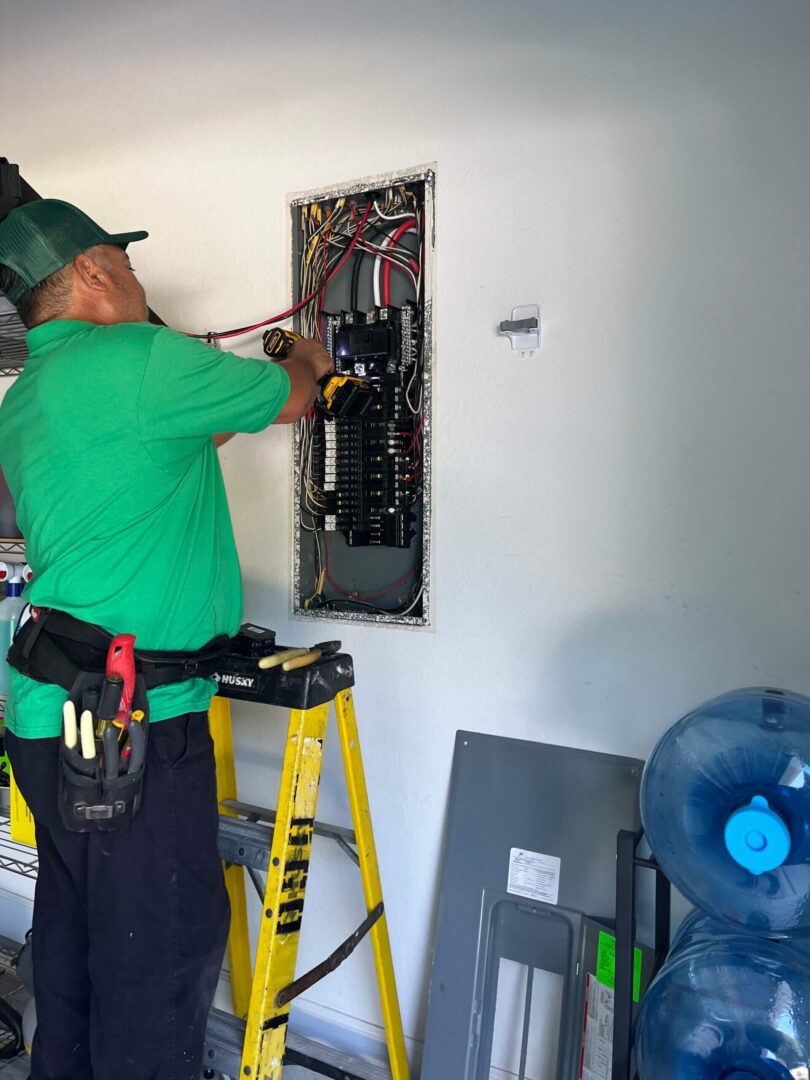
Whole-home surge protection is installed at or near the main electrical panel. It creates a first line of defense by intercepting surges before they spread through branch circuits. That broader protection can help shield larger appliances and built-in systems that are never plugged into a strip, such as your HVAC equipment, dishwasher, oven controls, or washer and dryer electronics.
The best approach is often layered protection. A whole-home surge protector handles larger incoming surges, while quality point-of-use protection adds another layer for especially sensitive electronics. It is not an either-or decision in many homes.
What a whole-home surge protector can protect
Homeowners are sometimes surprised by how many systems benefit from surge protection. The obvious ones are televisions, computers, routers, and gaming equipment. But some of the most expensive repairs happen in places people do not think about right away.
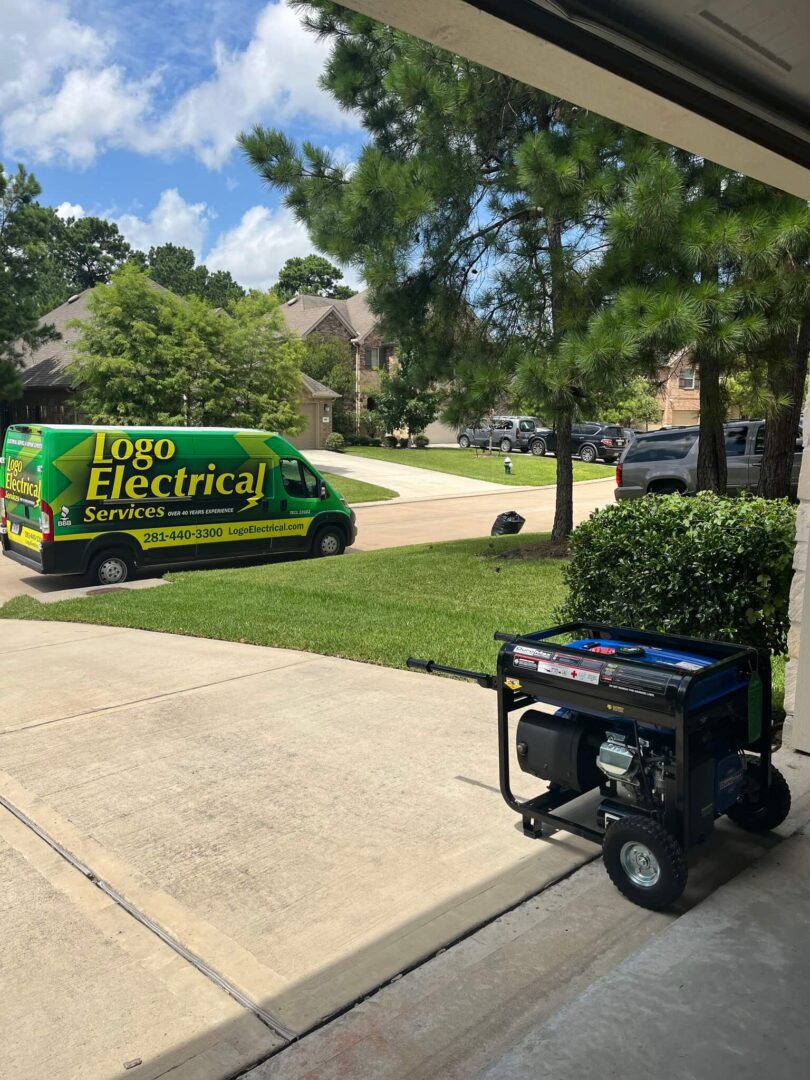
Your air conditioning system, for example, includes electrical components and control boards that can be vulnerable to voltage spikes. The same goes for refrigerators with electronic displays, ovens with digital controls, garage door openers, alarm systems, irrigation controllers, and newer washing machines. If your home has a generator transfer setup or an EV charger, those are also part of the bigger electrical picture and should be considered during a surge protection plan.
That does not mean every device is equally at risk or that one product solves every electrical issue. It means surge protection should be viewed as part of protecting the home as a system, not just a few outlets.
Home surge protection guide: choosing the right setup
The right setup depends on your home, your electrical panel, and what you want to protect. A licensed electrician will usually start by evaluating the service equipment, panel capacity, grounding, and the overall condition of the electrical system. That matters because a surge protector performs best when it is installed correctly within a code-compliant system.
If the panel is older, overcrowded, or already showing signs of wear, the conversation may go beyond surge protection alone. In some homes, a panel upgrade or electrical repairs should come first. Installing protection on top of an outdated or unsafe panel is not the right long-term answer.
It also helps to think about your home the way you actually use it. A family working from home may care most about computers and internet reliability. Another homeowner may be more concerned with protecting kitchen appliances, HVAC equipment, or a new standby generator. There is no one-size-fits-all answer, which is why an honest evaluation matters.
Signs your home should be evaluated
Sometimes homeowners start looking into surge protection after a storm or outage. Other times, the warning signs are more subtle. You may notice electronics failing earlier than expected, flickering lights, breakers tripping after utility interruptions, or appliances with damaged control boards.
Older homes also deserve a closer look, especially if they have never had panel upgrades or if electrical additions have been made over the years. Newer homes are not automatically immune either. In fact, they often contain more electronics and smart systems, which means more equipment that can be damaged by power quality issues.
If you have recently invested in high-value electrical upgrades, such as a new HVAC system, generator installation, or EV charging equipment, surge protection becomes even easier to justify. Protecting those investments is often far less expensive than replacing them.
Why professional installation matters
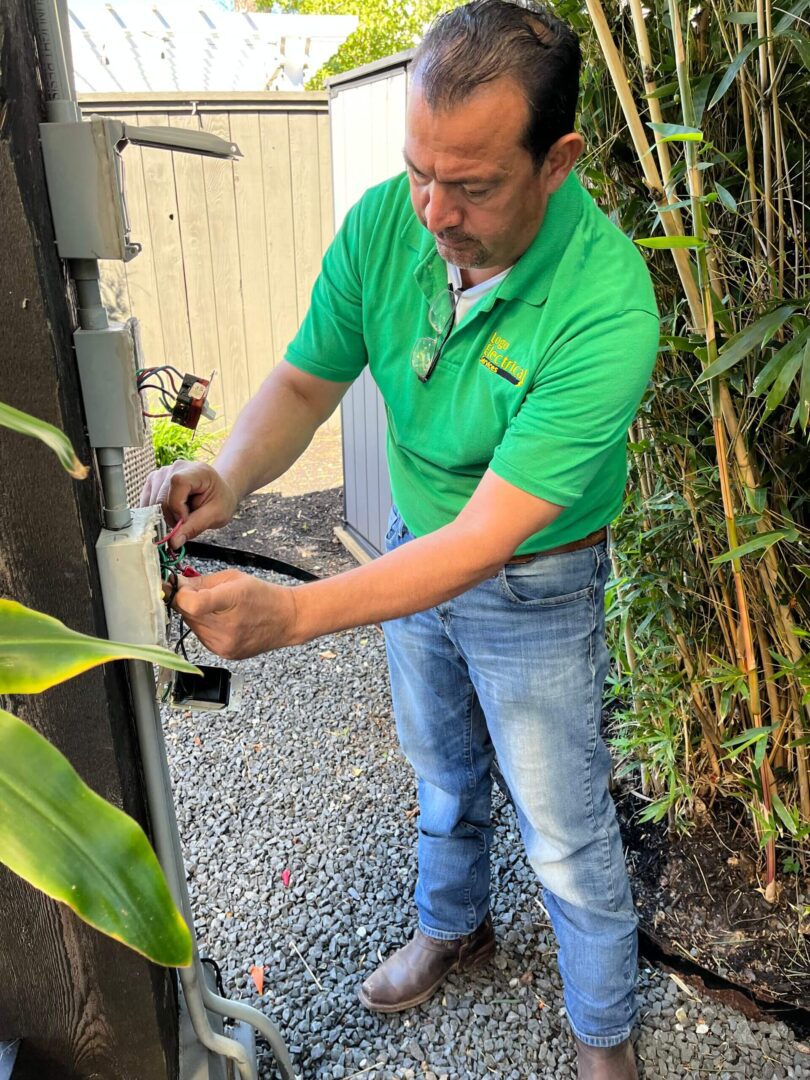
Whole-home surge protection is not a DIY item for most homeowners. The device is installed at the service panel, where improper work can create real safety risks. Beyond that, code compliance, grounding quality, and correct device selection all affect whether the protection will actually perform as intended.
A licensed electrician can also make sure the surge protector is appropriate for your panel and service. Some homes need a straightforward installation. Others may need corrections to grounding or panel conditions before protection should be added. That kind of upfront honesty is what helps avoid problems later.
For local homeowners, working with an experienced contractor matters because storm activity, utility conditions, and home construction patterns vary by area. A company like Logo Electrical Services approaches surge protection the same way it approaches any residential electrical work – by looking at safety first, explaining the options clearly, and doing the job right the first time.
What surge protection does not do
A good home surge protection guide should also be clear about limitations. Surge protection does not fix bad wiring, overloaded circuits, or damaged outlets. It does not replace proper grounding, and it does not serve as a substitute for backup power during an outage.
It also cannot guarantee that no device will ever be damaged under any circumstances. Extremely severe events can still cause problems. The goal is risk reduction, not a blanket promise against every possible electrical event. That said, reducing common surge exposure can make a meaningful difference in the life of your home’s equipment.
Is whole-home surge protection worth it?
For many homeowners, yes. If your house contains thousands of dollars in appliances, electronics, HVAC controls, and connected devices, the value is easy to see. Even one prevented repair can justify the installation. More importantly, it adds a layer of protection to systems your family depends on every day.
The real question is not whether surges happen. They do. The question is whether your home is prepared for them. If you are unsure, the safest next step is to have a licensed electrician evaluate your panel, grounding, and overall electrical setup so you can make a confident decision based on the way your home is actually built and used.
A well-protected home is not about adding gadgets for the sake of it. It is about taking care of the electrical systems that keep daily life running, before a split-second surge turns into an expensive surprise.