When the power goes out in Texas, the problem is rarely just inconvenience. Refrigerators warm up, Wi-Fi drops, medical devices may need backup power, and in the middle of summer, indoor temperatures can climb fast. A solid generator installation guide helps homeowners plan ahead, avoid unsafe shortcuts, and make sure backup power works when it is needed most.
For most homeowners, generator installation is not a DIY project. It involves electrical connections, code requirements, fuel supply considerations, and safe transfer of power so electricity does not backfeed into utility lines. That is why the real value of a good plan is not just picking a generator. It is understanding how the whole system fits your home.
What a generator installation guide should cover
A useful generator installation guide starts with one question: what do you actually need the generator to run? Some families only want to keep essentials powered, such as the refrigerator, a few lights, the garage door opener, and one air conditioning system. Others want near-whole-home coverage so life continues with minimal disruption.
That decision affects everything else, from generator size to fuel type to transfer switch design. If the system is too small, it may struggle during startup loads or force you to leave critical equipment off. If it is too large, you may spend more than necessary on equipment and installation.
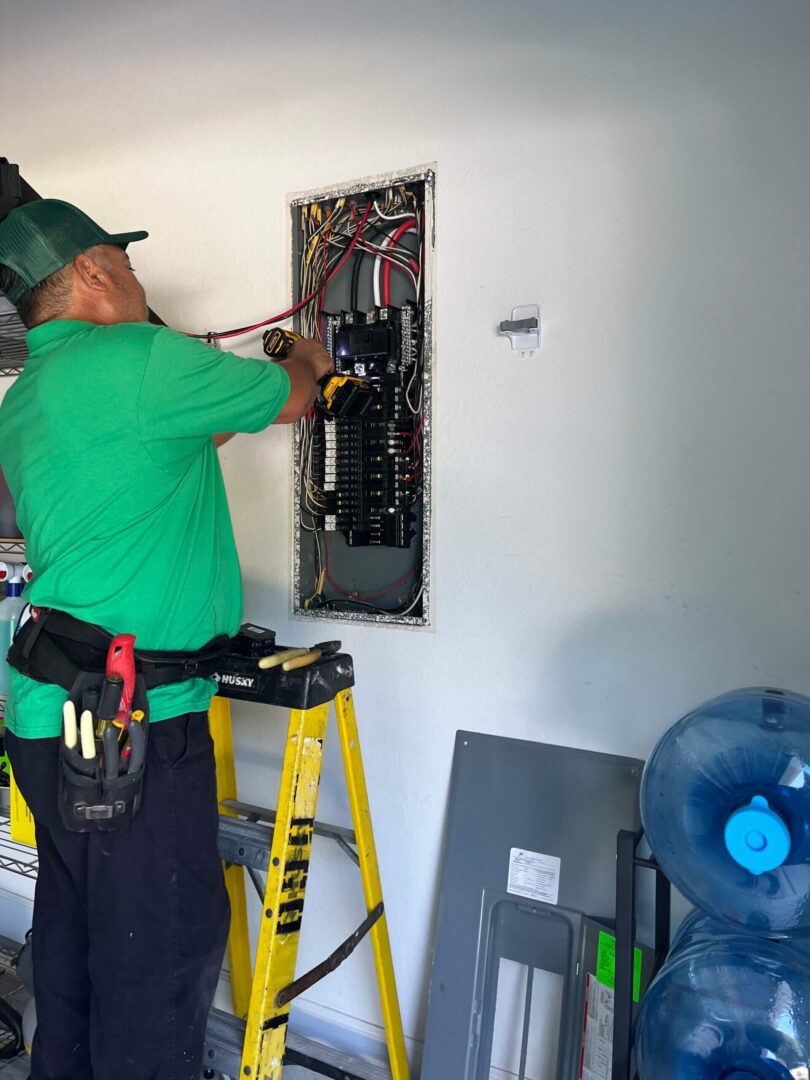
The right setup also depends on the home itself. Older homes may need panel upgrades before a generator can be integrated safely. Newer homes often have more capacity, but that does not guarantee the existing electrical system is ready. A licensed electrician should evaluate the panel, grounding, load requirements, and the best location for the generator before any installation begins.
Start with load planning, not the generator brand
Homeowners often begin by shopping generator models first. In practice, load planning comes first. The installer needs to calculate what the home uses during normal operation and what it needs during an outage. That includes both running watts and startup watts, especially for HVAC equipment, refrigerators, freezers, well pumps, and other motor-driven appliances.
This is where trade-offs matter. If you want to power central air, an electric range, a water heater, and the full house at the same time, the generator size and installation cost will increase. If you are comfortable prioritizing essential circuits, the system can often be smaller and more cost-effective.
A careful load calculation also helps avoid one of the most common mistakes in backup power planning: assuming nameplate ratings tell the whole story. Real-world usage varies, and experienced electricians account for that. They also think through how the system will perform during peak conditions, not just mild weather.
Choosing between portable and standby systems
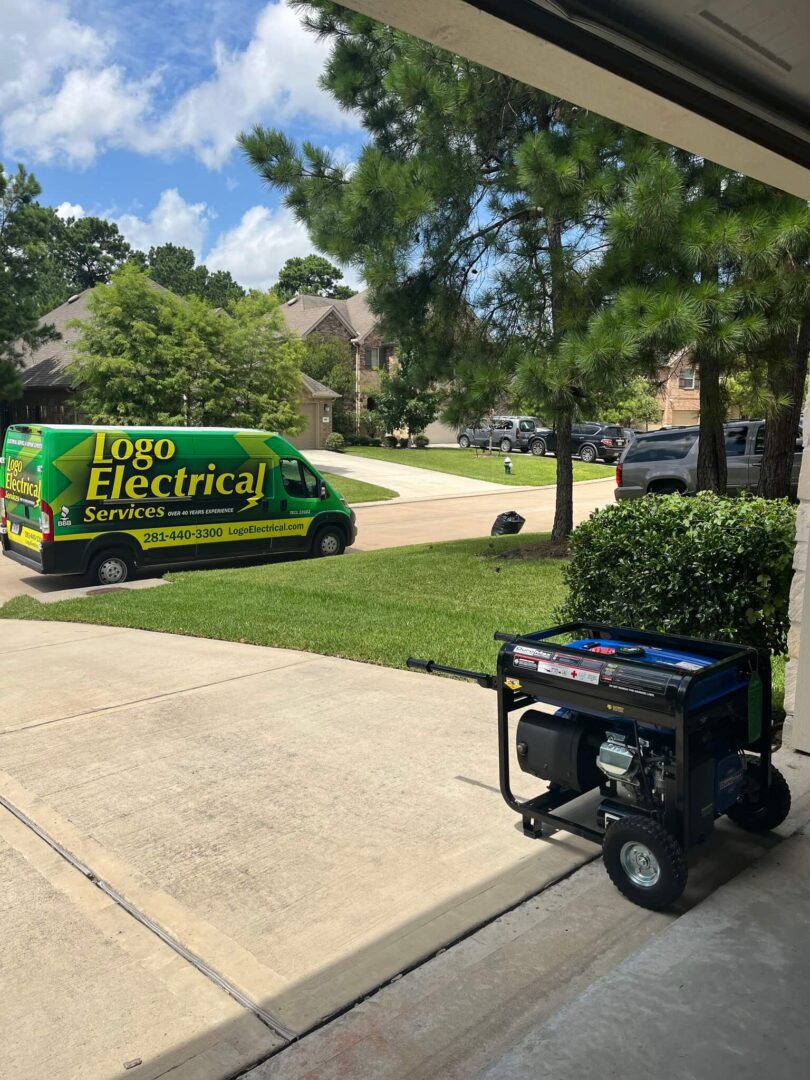
Not every home needs the same type of generator. Portable generators cost less upfront, but they require manual setup, safe outdoor placement, refueling, and a proper transfer mechanism. They can be a practical short-term option, but only when used correctly. Running extension cords through windows or plugging a generator directly into a panel without approved equipment is dangerous and not code-compliant.
Standby generators are permanently installed and connected to the home through an automatic transfer switch. When utility power fails, the generator starts automatically and transfers the load without the homeowner needing to go outside. For families who want convenience, stronger outage protection, and a more complete backup solution, standby systems are usually the better fit.
The trade-off is cost. Standby installation is a larger investment because it includes the generator, transfer equipment, electrical labor, fuel connection, permits, and site preparation. But for many homeowners, especially those dealing with frequent outages, remote work, health concerns, or aging family members, the added reliability is worth it.
Fuel type affects installation more than many homeowners expect
Fuel choice is not just about generator preference. It directly affects placement, operating time, maintenance, and installation scope. Most residential standby generators run on natural gas or propane.
Natural gas is convenient when the home already has utility gas service. There is no need to refill a tank during a long outage, which is a major advantage. But gas pressure and pipe sizing still need to be checked. A generator may require fuel volume that the existing gas setup cannot support without modification.
Propane can work well in areas where natural gas is not available or where homeowners prefer an independent fuel supply. It offers flexibility, but runtime depends on tank size and available fuel. During extended outages, refueling logistics become part of the planning.
Diesel is less common in typical residential settings, though it can make sense in certain applications. The best choice depends on the property, fuel access, outage expectations, and budget.
Placement, permits, and code compliance
One of the most overlooked parts of generator planning is location. A generator cannot simply be set wherever there is open space. Clearance requirements matter. Local code, manufacturer specifications, ventilation needs, and distance from windows, doors, vents, and ignition sources all affect where the unit can go.
Noise is another practical concern. Most homeowners want the generator close enough for efficient installation but not so close that it becomes disruptive during operation. Flood risk, drainage, and service access also need attention. A unit tucked into a tight corner may look neat, but it can create maintenance and safety problems later.
Permits are part of the process as well. Electrical work, and sometimes fuel work, must meet local requirements. Inspection helps confirm the system was installed safely and correctly. This is one reason working with a licensed contractor matters. Proper permitting protects the homeowner and reduces the chance of costly corrections after the fact.
Why the transfer switch matters so much
If there is one component homeowners should understand, it is the transfer switch. This device isolates the home from the utility when the generator is running. Without it, electricity can backfeed onto utility lines, creating serious danger for lineworkers and the home itself.
Transfer switches can be manual or automatic. Manual switches require the homeowner to start the process and move the load over. Automatic transfer switches detect an outage, start the generator, and shift power to the generator with little delay. For permanent standby systems, automatic transfer is typically the standard.
There is also a difference between backing up the entire home and backing up selected circuits. A whole-home system offers convenience, but selected-circuit systems are often more economical. The best option depends on the panel layout, generator size, and what the household considers essential.
Installation day is only part of the job
A professional generator installation includes more than setting equipment in place. It often involves preparing the pad, securing the generator, installing the transfer switch, making panel connections, coordinating fuel hookup, confirming grounding and bonding, testing startup and shutdown cycles, and verifying that priority loads behave as expected.
Good installers also walk the homeowner through operation and maintenance. Even automatic systems need routine service. Oil changes, battery checks, filter replacement, and scheduled exercise cycles all matter. A generator that sits ignored for years may not respond the way you expect during an outage.
This is where experience shows. An installer who has worked on homes for decades is more likely to catch panel issues, fuel sizing concerns, or site limitations before they turn into delays. For homeowners in Magnolia and surrounding communities, that kind of foresight can save time, money, and frustration.
Common mistakes homeowners should avoid
The biggest mistake is treating generator installation as an appliance purchase instead of a system upgrade. The generator is only one piece. The electrical panel, transfer switch, fuel supply, permits, placement, and load planning all have to work together.
Another mistake is underestimating startup loads. A unit that seems large enough on paper may still struggle when HVAC equipment kicks on. Choosing based on price alone can also backfire. The lowest bid may not include panel corrections, site prep, or code-required components.
Homeowners should also avoid making assumptions about outage priorities. It helps to think honestly about what must stay on and what can wait. That conversation leads to a better design than trying to power everything without considering actual use.
A generator installation guide should end with the right contractor
A dependable backup power system starts with honest planning. That means clear pricing, licensed electrical work, and recommendations based on your home rather than a one-size-fits-all package. At Logo Electrical Services, that is the standard homeowners expect because safety, code compliance, and doing the job right the first time matter more than a quick sale.
If you are considering backup power, the next step is not guessing at generator size online. It is having your home evaluated by a licensed professional who can look at your panel, your fuel options, and the loads you want covered. The best generator setup is the one that fits your home, your priorities, and the way your family actually lives when the lights go out.