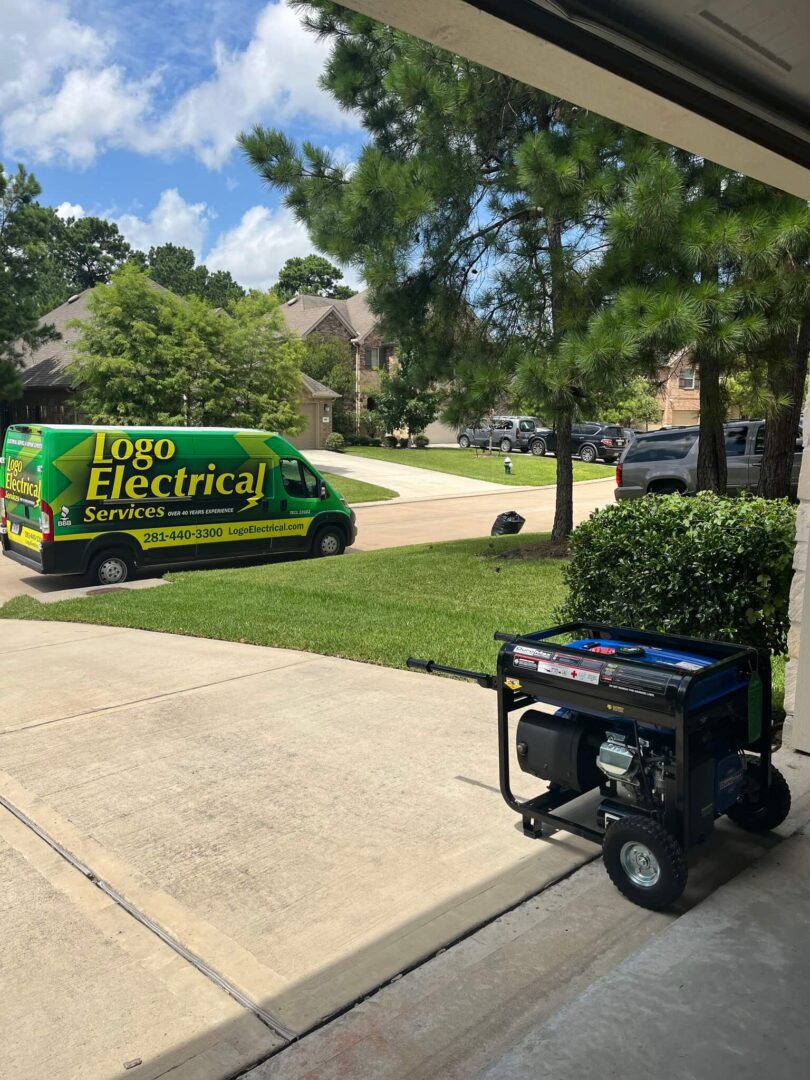
A generator that is too small will leave parts of your home in the dark when you need power most. One that is too large can drive up installation costs, fuel use, and maintenance without giving you much real benefit. If you are wondering how to choose home generator size, the right answer starts with what you actually need to keep running during an outage, not with a guess based on square footage alone.
In Magnolia and across the Houston area, outages can come from storms, grid issues, and extreme heat. For many homeowners, backup power is less about convenience and more about protecting refrigerated food, keeping medical devices running, maintaining air conditioning, and avoiding damage from a powerless sump or well system. That is why generator sizing should be done carefully and with your electrical system in mind.
How to choose home generator size based on your real needs
The first step is deciding whether you want essential backup power or whole-home coverage. Those are very different goals, and they lead to very different generator sizes.
An essential-load generator is sized to run the circuits that matter most during an outage. That usually includes the refrigerator, some lighting, internet equipment, a few general-purpose outlets, and either a heating system or one air conditioning unit depending on the season and the home. This approach keeps the cost lower and often works well for homeowners who can live comfortably with some limitations for a day or two.
A whole-home generator is designed to carry nearly everything the house would normally use. That may include central air conditioning, electric water heating, kitchen appliances, laundry equipment, and more than one HVAC system. This option offers the most convenience, but it also requires more generator capacity and often a more careful look at your main panel, transfer equipment, and fuel supply.
This is where many people make the first sizing mistake. They think in terms of house size instead of electrical load. A 2,000-square-foot home with gas heat and gas cooking may need less backup power than a smaller home with all-electric appliances and multiple air conditioning systems.
Start with your essential loads
If you want a practical way to estimate size, begin by listing the equipment you want powered during an outage. Focus on the items that protect comfort, safety, and daily function.
For many homes, that list includes the refrigerator, freezer, microwave, lights in main living areas, Wi-Fi, phone chargers, television, garage door opener, and one or two bathroom circuits. Then look at larger systems such as air conditioning, furnace blower, well pump, sump pump, electric range, water heater, and dryer.
The large motor-driven loads matter most because they affect generator size quickly. Air conditioners, well pumps, refrigerators, and freezers all have startup demands that can be significantly higher than their normal running wattage. A generator has to handle that starting surge without dropping voltage or tripping off.
That is why sizing from appliance labels alone can be misleading. The number you see may reflect running watts, but the generator must often be selected around the highest starting load plus the other loads operating at the same time.
Running watts vs. starting watts
When homeowners ask how to choose home generator size, this is usually the technical piece that causes confusion.
Running watts are what an appliance uses once it is operating normally. Starting watts are the temporary surge needed to get motors and compressors going. Some loads only need a little extra at startup. Others, especially older HVAC equipment, can need much more.
A simple example helps. Your refrigerator may run at a modest wattage most of the time, but the compressor startup can briefly spike well above that. The same goes for a central AC unit. If your generator can cover the running load but not the startup surge, the system may struggle to start or the generator may shut down on overload.
A licensed electrician or generator installer can calculate these demands more accurately by looking at nameplate data, breaker sizes, load calculations, and the transfer setup. That matters because the sizing decision affects not only performance but also long-term reliability.
Common generator size ranges for homes
Most residential standby generators fall into a few general size ranges, but those ranges are only a starting point.
Smaller standby units are often used for essential circuits. These can be a good fit when the goal is to keep the basics running and you are willing to manage heavy loads manually.
Mid-size units often support a larger selection of household loads and may be enough for one central AC system along with common essentials. For many families, this is the balance point between comfort and cost.
Larger units are typically chosen for whole-home backup, larger houses, homes with multiple HVAC systems, or properties with more all-electric equipment. If your home has electric heat, electric water heating, double ovens, and multiple condensers, the required size can climb quickly.
Still, bigger is not automatically better. Oversizing can mean paying more for the generator, the installation, and the fuel supply setup while rarely using that extra capacity.
Fuel type changes the equation
Generator size is not just about wattage. Fuel source matters too.
Natural gas is popular because it offers continuous fuel from the utility line and avoids the need for on-site refueling during a long outage. That makes it attractive for standby systems in established neighborhoods. But not every property has adequate gas service for the generator size being considered. A larger generator may require a review of the gas meter and piping to make sure fuel delivery is sufficient under load.
Propane is common in areas without natural gas service. It can work very well, but the runtime depends on tank size and fuel usage. A larger generator will burn more propane, which means the right generator on the wrong tank can leave you with less outage protection than expected.
This is one of those trade-offs homeowners do not always see at first. A larger generator sounds safer, but if it increases fuel consumption beyond what is practical for your property, a slightly smaller system with a smart load plan may serve you better.
Your panel and transfer setup matter
Generator sizing also has to match the way backup power will be connected to the home.
Some homes use a whole-house automatic transfer switch. Others use load-shedding controls or a critical-load subpanel that powers only selected circuits. These setups change how much generator capacity you really need because they control what can run at the same time.
Load management can be especially helpful when a homeowner wants to back up more equipment without jumping to the next generator size. For example, certain nonessential loads can be temporarily delayed so the generator can prioritize larger necessities like HVAC or refrigeration.
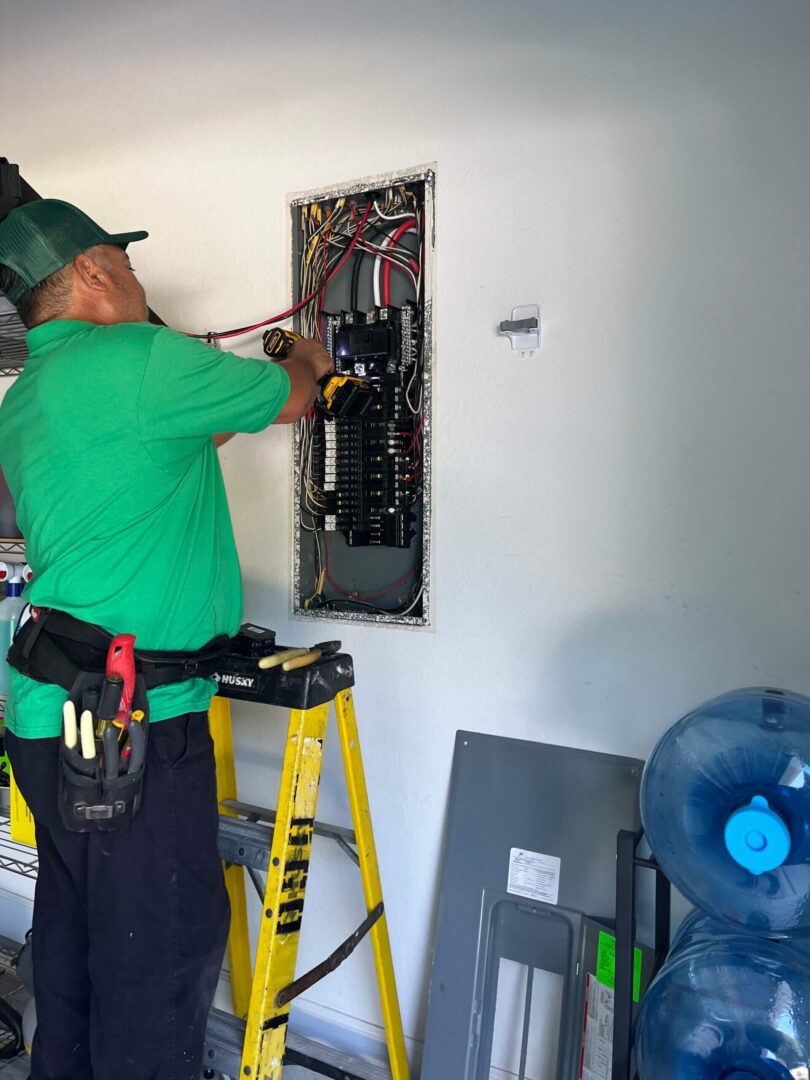
The condition of the electrical panel matters as well. In older homes, a generator project may expose the need for panel upgrades, code corrections, or service improvements before installation. That is another reason proper sizing should never be separated from a full electrical review.
A few mistakes to avoid
The most common mistake is trying to size a generator by square footage alone. It is quick, but it does not account for how the home is actually powered.
The second mistake is forgetting startup load. This often leads to a system that looks adequate on paper but struggles in real conditions.
The third is planning for every possible appliance at once when that is not how your family lives during an outage. If your real goal is comfort and safety for one to three days, you may not need the same setup as someone who wants business-as-usual power across the entire property.
Finally, avoid treating generator installation like a plug-and-play purchase. Standby generators involve electrical work, transfer equipment, permitting, code compliance, and often fuel coordination. Sizing errors made early can affect the entire installation.
The best way to choose the right size
The most reliable approach is to have a licensed electrician or generator specialist perform a load assessment for your home. That review should include your essential loads, large motor loads, fuel source, electrical panel capacity, and how you want the system to operate during an outage.
At Logo Electrical Services, this is the kind of planning that helps homeowners avoid paying for the wrong system. The goal is not to sell the biggest generator possible. It is to recommend a generator that fits the house, the family, and the way backup power will really be used.
A properly sized generator should give you confidence, not surprises. It should start when the power goes out, carry the loads it was designed for, and do it safely. If you are comparing options right now, think less about getting the biggest unit on the market and more about getting the right one for your home. That is usually where the best value is found.