When the power goes out in Magnolia, the question gets real fast. Do you want to roll a generator out of the garage, find extension cords, fuel it, and manage what stays on – or do you want your home to switch over automatically and keep running with minimal interruption? That is the heart of portable generator vs standby generator, and the right answer depends on your home, your budget, and how much disruption you are willing to accept during an outage.
For some homeowners, a portable generator is enough. For others, especially families with medical equipment, refrigerated medications, home offices, well pumps, or simply a strong need for comfort and security, a standby system is the better long-term investment. The key is understanding what each option really does in everyday use, not just on a product label.
Portable generator vs standby generator: the basic difference
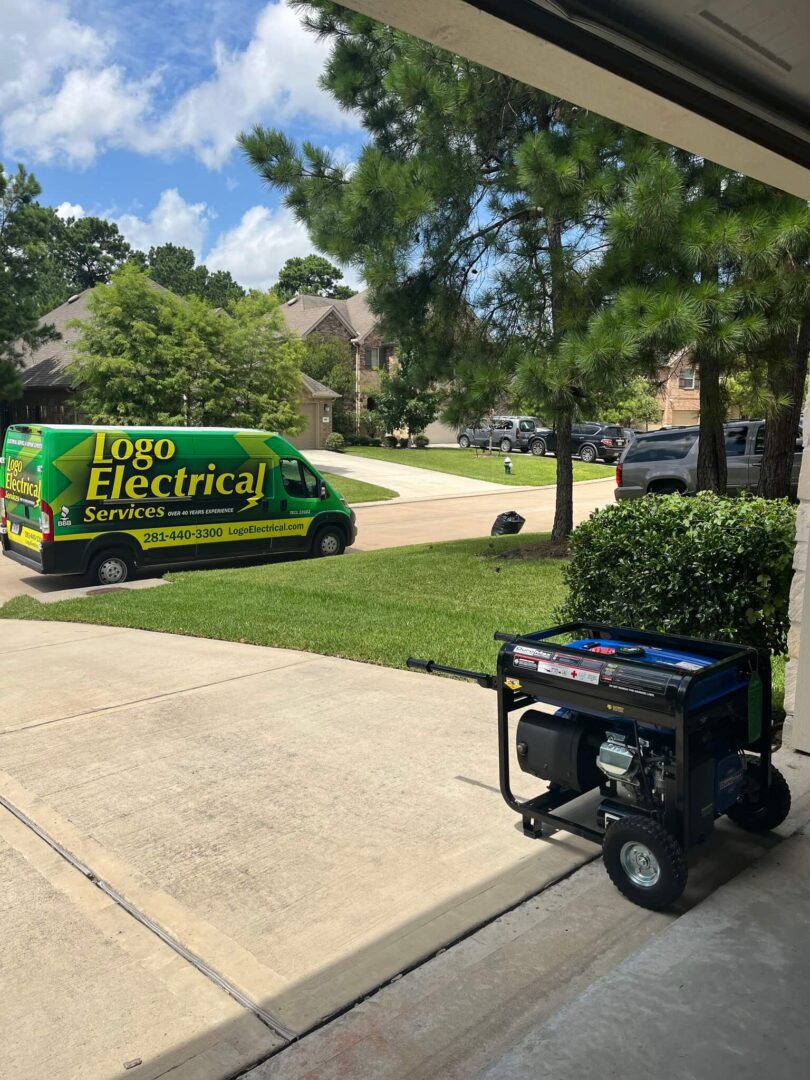
A portable generator is a movable unit, usually stored in a garage or shed and brought out when needed. It typically runs on gasoline, though some models use propane or can switch between fuels. You start it manually, place it outside at a safe distance from the home, and connect selected appliances or circuits.
A standby generator is permanently installed outside the house, much like an AC unit. It connects directly to the home through a transfer switch and usually runs on natural gas or propane. When utility power fails, the system detects the outage and turns on automatically.
That difference alone shapes almost everything else. Portable generators cost less up front, but they require more hands-on work. Standby generators cost more to install, but they provide a much higher level of convenience, coverage, and peace of mind.
What a portable generator does well
Portable generators are often the first step into backup power because they are more affordable. If your main goal is to keep a refrigerator cold, run a few lights, power a fan, charge phones, and maybe keep a window unit or small appliance going, a portable unit can do that job.
They also make sense for homeowners who experience short, occasional outages and do not mind managing power manually. If you are comfortable with setup, fueling, startup, and shutdown procedures, a portable generator can cover the essentials without the larger investment of a standby system.
There is also some flexibility in how you use them. Some homeowners use portable units for emergency home power, job sites, or outdoor events. That mobility can be a real advantage if you have more than one use in mind.
Still, affordable does not mean simple from an electrical safety standpoint. A portable generator should never be plugged into a home in an unsafe way. Proper connection matters, and so does carbon monoxide safety.
The trade-offs with portable generators
The biggest drawback is manual operation. If an outage happens at night, during a storm, or while you are away from home, a portable generator does nothing until someone sets it up. That can be a problem if you are trying to protect refrigerated food, maintain comfort for children or older adults, or keep critical equipment running.
Fuel storage is another factor. Gasoline has a shelf life, and many homeowners do not enjoy storing and rotating fuel. During widespread outages, fuel can also become harder to find.
Noise, weather exposure, and limited output are common concerns too. Many portable generators cannot power an entire house, central air conditioning, electric water heaters, or large HVAC loads without careful load management. That means choosing what stays on and what stays off every time the power fails.
When a standby generator makes more sense
A standby generator is designed for homeowners who want backup power to feel as automatic and dependable as possible. It turns on quickly after an outage begins and can be sized to power either the whole home or the most important circuits.
That matters more than many people expect. Outages are stressful enough without dragging equipment outside in bad weather. If you travel often, work from home, care for family members, or simply want the home protected whether you are there or not, standby power offers a very different level of reliability.
Because standby systems are integrated into the home’s electrical system, they can be configured to support major household needs. Depending on generator size and your electrical setup, that may include HVAC, refrigerators, lighting, kitchen circuits, security systems, garage doors, and more.
For many Texas homeowners, the value is not just comfort. It is continuity. Keeping the house livable, preventing food loss, maintaining communication, and avoiding the scramble that comes with every storm outage can justify the upfront cost.
The trade-offs with standby generators
The main drawback is price. A standby generator is not just a piece of equipment. It is a professionally installed system that includes generator placement, electrical connections, transfer equipment, fuel coordination, permitting, and code-compliant setup.
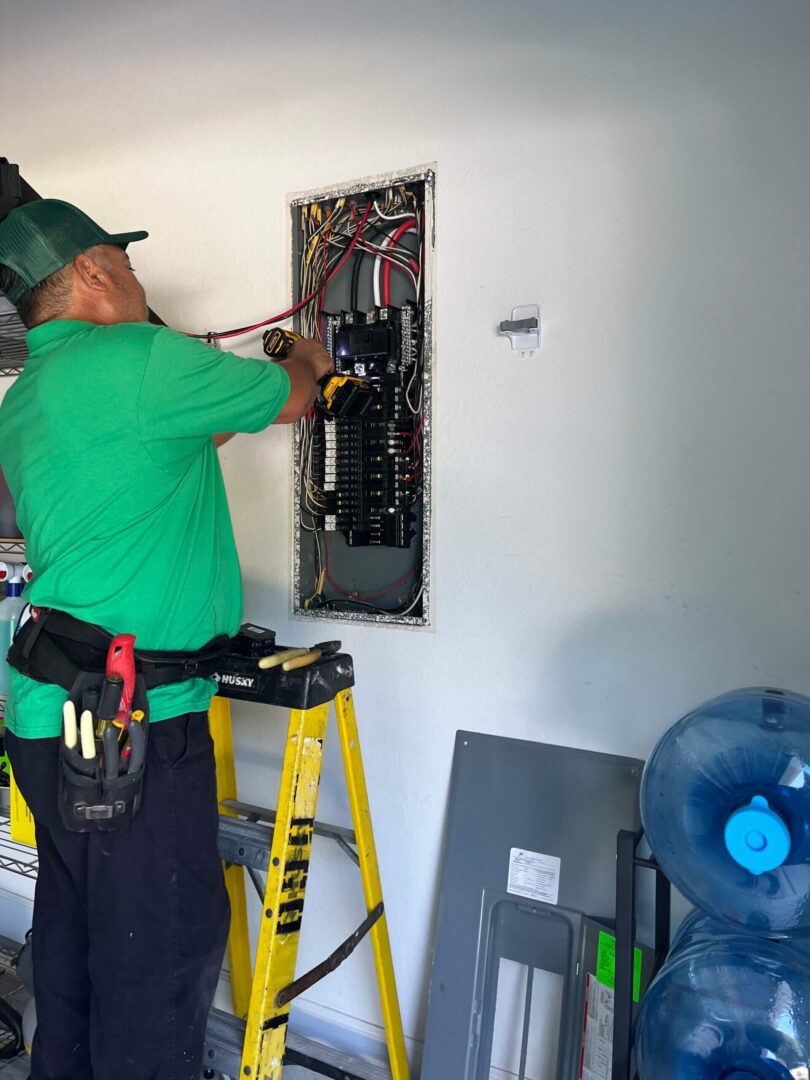
Installation also requires planning. Your home needs enough space for proper placement, and the electrical service may need to be evaluated to make sure everything is sized and connected correctly. In some cases, homeowners also choose panel upgrades or load planning as part of the project.
Maintenance is part of ownership too. Standby generators should be serviced routinely so they are ready when needed. The good news is that routine maintenance is predictable and far easier than the repeated manual effort that comes with portable units.
Safety is where the difference really matters
In any portable generator vs standby generator discussion, safety deserves more attention than price alone.
Portable generators carry serious risks if used improperly. They must stay well away from doors, windows, and garages because of carbon monoxide. They also should never be connected through unsafe backfeeding methods, which can endanger utility workers, damage your electrical system, and create fire risk.
A properly installed standby generator avoids many of those issues because it is designed as part of the home’s electrical system. It uses an automatic transfer switch to isolate your house from utility power during an outage. That is the correct, code-compliant way to supply backup power.
This is one area where professional installation matters. Backup power should not feel like guesswork. It should be planned around your actual electrical loads, your home’s layout, and safe operating conditions.
Cost is more than the purchase price
A portable generator usually wins on initial cost. That is what makes it attractive. But long-term value depends on how often you lose power and how much convenience matters to you.
If outages are rare and short, portable may be enough. If they are frequent, extended, or especially disruptive, homeowners often start seeing the hidden cost of the cheaper option. Fuel runs, setup time, extension cords, manual switching, and the inability to run key systems can wear thin quickly.
A standby generator costs more upfront, but it can deliver value every time the power goes out by reducing interruption and protecting the home. For some households, that value is practical. For others, it is personal. If someone in the home depends on medical devices, refrigerated medication, CPAP equipment, or climate control, standby power becomes less of a luxury and more of a preparedness decision.
Which generator is right for your home?
If you only need to power a few basics and want the lowest upfront expense, a portable generator may fit your needs. It is a reasonable option for homeowners who are comfortable operating equipment manually and who understand its limitations.
If you want automatic backup power, broader home coverage, and a safer integrated solution, a standby generator is usually the better choice. It is especially worth considering for larger homes, families with young children, homeowners with older relatives in the house, and anyone who wants dependable protection during Texas storms.
The best choice often comes down to one simple question: during an outage, are you trying to get by or keep life running normally?
That is where an experienced electrician can help. A licensed contractor can look at your panel, your major loads, your fuel options, and the way your household actually uses power. In many cases, homeowners are not choosing between good and bad options. They are choosing between temporary backup and whole-home readiness.
At Logo Electrical Services, those conversations are grounded in safety, honest pricing, and doing the job right the first time. Whether you are thinking about a basic backup plan or a permanent generator system, the smartest next step is getting clear guidance based on your home instead of a one-size-fits-all recommendation.
The right generator should make outages less stressful, not more complicated. If you choose with your real priorities in mind – comfort, safety, budget, and reliability – you will feel the difference the next time the lights go out.