A breaker trips once after a storm, and maybe you reset it without a second thought. When it starts happening every week, or an outlet feels warm, or half the kitchen loses power for no obvious reason, it stops feeling like a small annoyance. A good residential electrical repair guide should help you sort out what is minor, what is urgent, and when it makes sense to bring in a licensed electrician before a small issue turns into a safety problem.
Most homeowners are not looking to become electricians. They want clear answers, honest recommendations, and work that is done safely and correctly. That is especially true in homes with older wiring, growing power demands, or recent additions like EV chargers, generators, and new appliances. Electrical systems are one of those parts of the home where guesswork can get expensive fast.
What this residential electrical repair guide is really for
The goal is not to walk you through risky DIY repairs. It is to help you recognize symptoms, understand likely causes, and make better decisions about next steps. Some electrical problems are straightforward to identify but not safe to repair without training. Others look simple on the surface and point to a deeper issue in the panel, wiring, or service.
That distinction matters. A flickering light could be a loose bulb, but it could also be a poor connection, overloaded circuit, or voltage issue. A dead outlet might be fixed with a tripped GFCI reset, or it might signal a failed device, damaged wiring, or a circuit problem that needs professional diagnosis.
The warning signs homeowners should not ignore
Electrical systems usually give you clues before they fail completely. The key is knowing which clues deserve immediate attention.
If outlets or switches feel warm, spark when used, smell burnt, or show discoloration, stop using them. Those signs can point to loose connections, arcing, or overloaded wiring. The same goes for buzzing sounds from outlets, switches, fixtures, or the panel. Electricity should be quiet. If you hear it, something is wrong.
Frequent breaker trips are another major warning sign. One trip after plugging in too many devices may be easy to explain. Repeated trips on the same circuit suggest overload, a short, ground fault, or a failing breaker. If lights dim when major appliances start, that may indicate circuit loading issues or a larger service problem.
You should also pay attention to partial power loss. When one room, one wall, or a group of outlets suddenly stops working, the issue may be more than an inconvenience. Hidden connection failures can create heat behind walls long before there is visible damage.
What you can safely check before calling
There are a few basic steps homeowners can take without opening panels or handling wiring. Start with the simplest possibilities. Check whether a breaker has tripped. If it has, reset it once by switching it fully off and then back on. If it trips again, leave it off and call a licensed electrician.
If an outlet is dead, check nearby GFCI outlets in bathrooms, kitchens, garages, laundry rooms, and exterior areas. Sometimes one tripped GFCI protects several downstream outlets. Press reset and test again.
For lighting issues, confirm the bulb is good and compatible with the fixture or dimmer. LED flickering is sometimes caused by mismatch rather than a dangerous wiring problem, but not always. If flickering affects multiple fixtures or rooms, that is a different conversation and should be evaluated professionally.
Beyond those simple checks, it is best not to push further. Removing outlets, swapping breakers, or probing wires without training creates unnecessary risk.
Common residential electrical repairs and what they may mean
Some service calls are routine. Others reveal larger problems that should be addressed while the electrician is already there.
Dead outlets are common, especially in older homes. Sometimes the outlet itself has failed from wear. In other cases, the real issue is a loose connection in the device box, a tripped GFCI upstream, or a damaged section of circuit wiring. Replacing the outlet alone may not solve the cause.
Light switches that stop working, feel loose, or crackle when used are another frequent repair. A worn switch is one possibility, but so is poor wiring termination. If the switch controls a bathroom fan, exterior light, or other higher-use fixture, wear tends to show up sooner.
Breaker replacement also comes up often, but this is where experience matters. A breaker that trips repeatedly is not automatically a bad breaker. Sometimes the breaker is doing exactly what it should because the circuit is overloaded or faulted. Replacing it without finding the cause can create a bigger hazard.
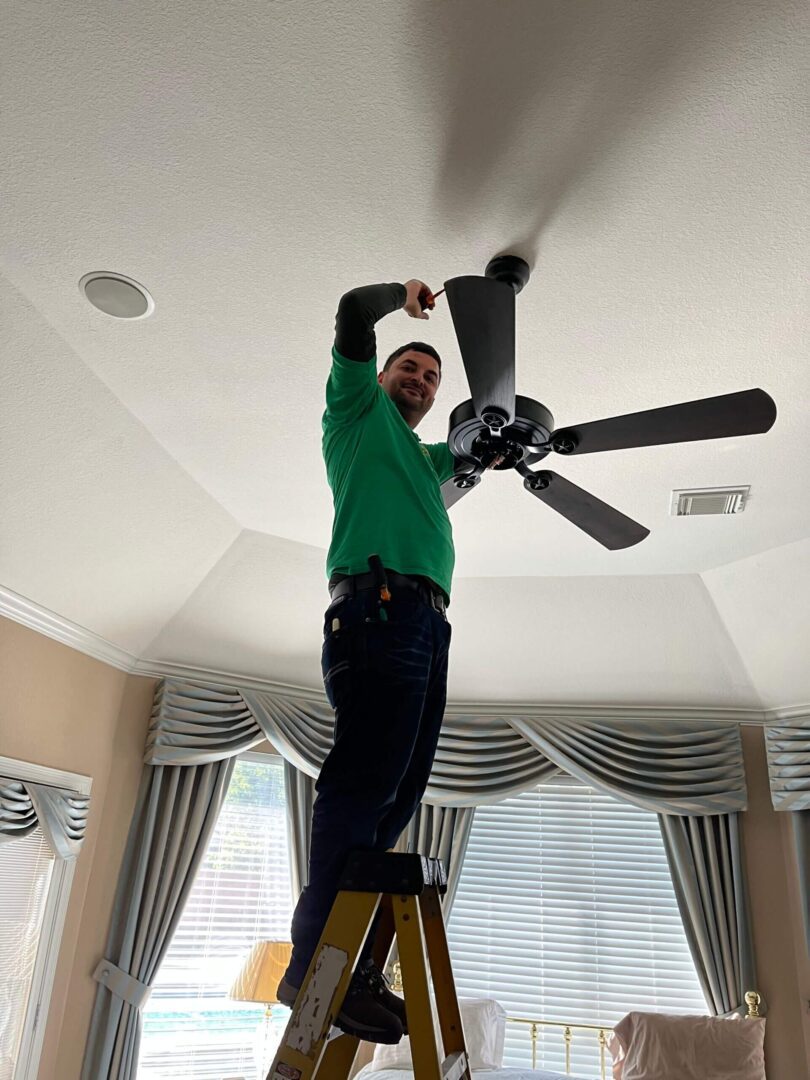
Ceiling fixture issues, especially with older chandeliers, recessed lights, or garage lighting, can involve more than the fixture itself. Damaged wiring insulation, poor splices, incompatible dimmers, and aging junction boxes all show up in real homes. The repair may be simple, but the diagnosis needs to be right.
Older homes need a different kind of attention
In Magnolia and across the Houston area, many homeowners are living in houses built long before today’s electrical demands. That does not automatically mean the system is unsafe, but it does mean repairs should be approached with a bigger picture in mind.
An older home may have circuits that were adequate for a few lamps and basic appliances, not for home offices, entertainment systems, air fryers, EV chargers, and garage refrigerators. If outlets are limited, extension cords become permanent, or breakers trip when normal appliances run together, the problem may be capacity rather than a single failed device.
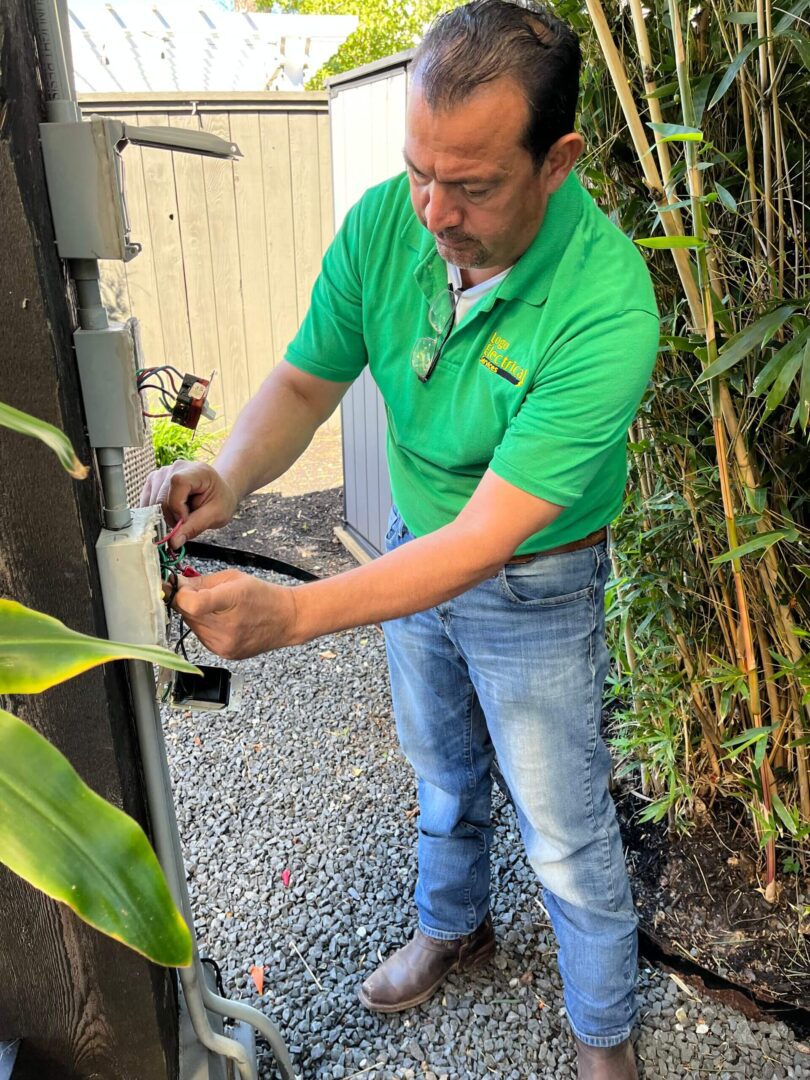
This is also where code compliance matters. A repair done years ago may not meet current standards, and sometimes a service visit uncovers missing GFCI protection, aging panels, aluminum branch wiring concerns, or deteriorated outdoor equipment. Honest electricians will tell you what needs immediate correction, what can be planned, and what is still serviceable.
When a repair is actually an upgrade
Not every electrical issue should be handled with a one-for-one replacement. Sometimes the smarter long-term choice is an upgrade.
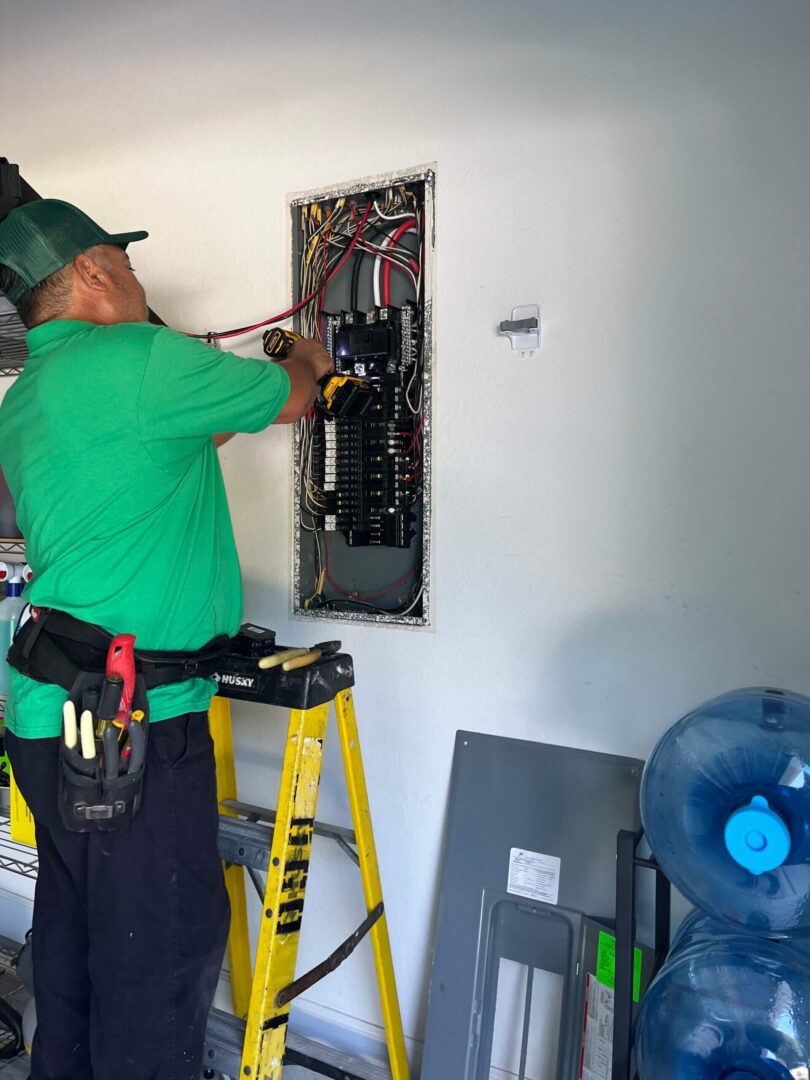
If your panel is full, adding another circuit is not as simple as squeezing in one more breaker. If you are using power strips everywhere, adding dedicated circuits may be safer than continuing to stretch existing ones. If sensitive electronics keep getting damaged after storms, whole-home surge protection may make more sense than replacing individual devices one at a time.
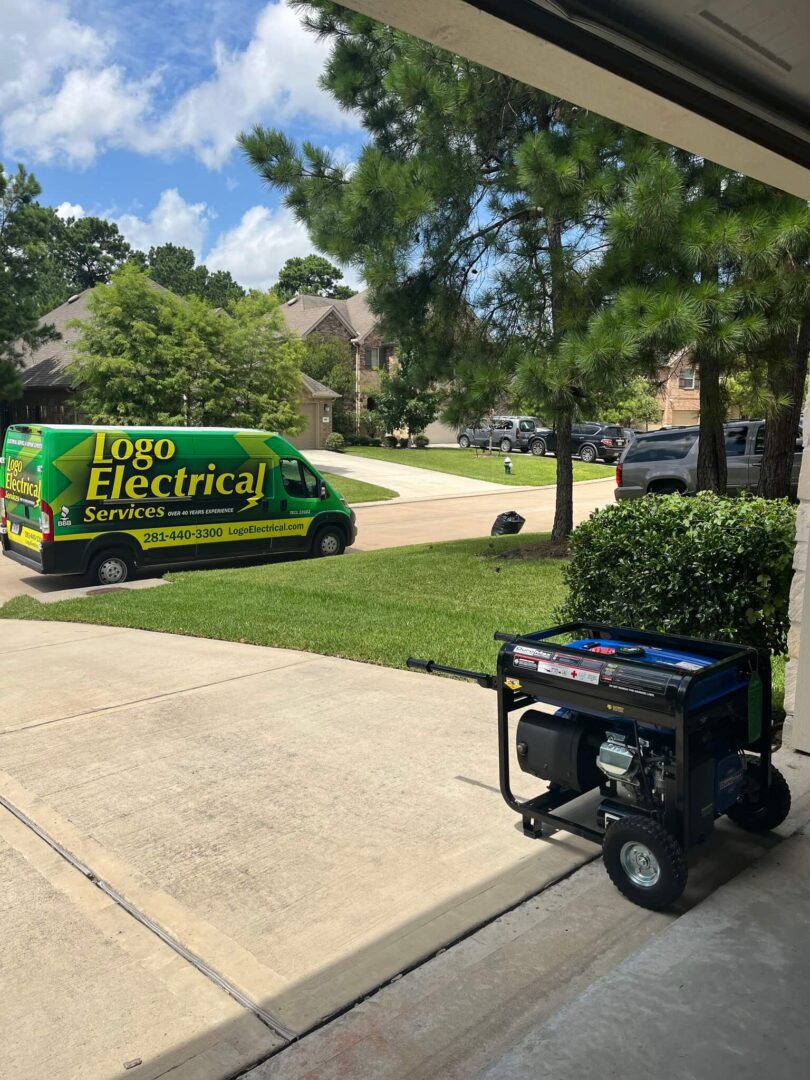
The same logic applies if you are planning a generator, hot tub, workshop equipment, or EV charger. A home with recurring electrical issues may need panel work, service upgrades, or load balancing so the repair solves the real problem instead of delaying it.
Why licensing and diagnosis matter so much
Electrical work has very little margin for error. A repair can appear fine on the surface and still be unsafe behind the wall or inside the panel. That is why homeowners who value honest pricing should also value accurate diagnosis. The cheapest visit is not always the least expensive outcome if the wrong part gets replaced or the root issue is missed.
A licensed residential electrician brings more than tools. They bring code knowledge, testing equipment, troubleshooting experience, and the judgment to know when a symptom points to a bigger concern. Family-owned companies with deep local experience often understand the kinds of issues that show up repeatedly in area homes, from storm-related damage to aging service equipment.
That is one reason many homeowners choose companies like Logo Electrical Services when repairs need to be done right the first time. Clear communication, clean workmanship, and realistic recommendations matter just as much as technical skill.
How to know when it is urgent
Call for immediate help if you smell burning, see smoke, notice a panel that is hot to the touch, lose power to critical systems without a known utility outage, or experience sparking from outlets or fixtures. Those are not watch-and-wait issues.
You should also act quickly after storm activity if breakers start tripping, outdoor circuits stop working, or surge-related problems appear. Damage is not always obvious at first, and delaying service can allow hidden issues to worsen.
Less urgent issues still deserve attention if they are recurring. A single flicker may not mean much. A pattern of flickering, tripping, buzzing, or partial outages usually means the system is telling you something.
A practical way to prepare for a service call
Before the electrician arrives, make notes about what is happening and when. Does the breaker trip only when the microwave and toaster run together? Does one outlet fail only after rain? Does the light flicker when the AC starts? Those details help narrow down the cause faster.
It also helps to know whether the problem is isolated to one room, one appliance, or multiple areas of the home. You do not need to diagnose it yourself. You just want to give a clear picture of the symptoms.
The best repairs start with that kind of clarity. Not panic, not guesswork, just a careful look at the signs and a safe plan for fixing them.
Electrical problems rarely improve on their own, but they also do not all require the same response. When you treat unusual warning signs early and bring in a licensed professional when the issue goes beyond a basic reset, you protect more than your wiring. You protect the people who live in the home every day.