When the power goes out in Texas, the problem is rarely just inconvenience. Your AC stops, the refrigerator warms up, the Wi-Fi drops, and if the outage lasts more than a few hours, the stress level in the house climbs fast. If you are researching the best backup power options home owners can rely on, the right answer depends on what you need to keep running, how often outages happen, and how much convenience you want when the lights go out.
What are the best backup power options for home use?
Most homeowners are choosing between four practical paths: portable generators, inverter generators, battery backup systems, and whole-home standby generators. Each one solves a different problem. The best choice is not always the biggest or most expensive system. It is the one that matches your home’s electrical demands, your budget, and your expectations during an outage.
A family that only wants to power the refrigerator, a few lights, and phone chargers has very different needs than a homeowner who wants central air, a well pump, medical equipment, and a fully functioning kitchen. That is why backup power should be evaluated as an electrical planning decision, not just a quick equipment purchase.
Portable generators: the budget-friendly starting point
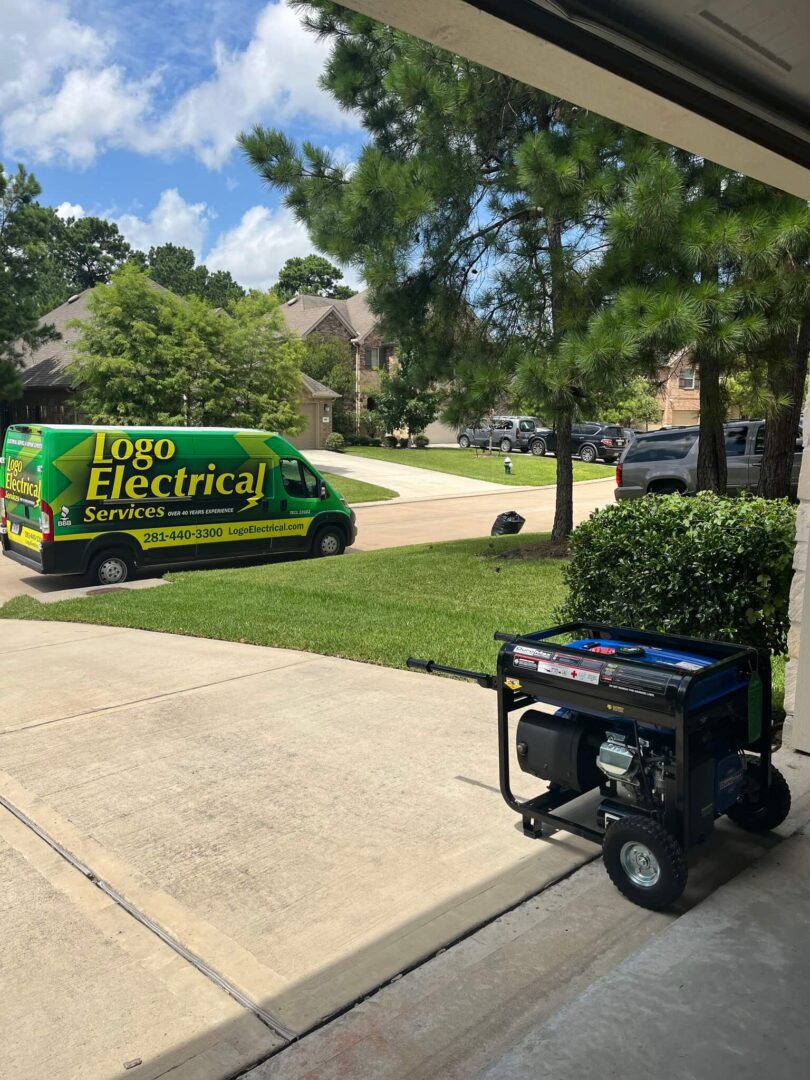
Portable generators are often the first option homeowners consider because the upfront cost is lower. They can be a solid short-term solution for basic emergency power, especially if outages are occasional and you are comfortable setting the unit up manually.
For many homes, a portable generator can keep essential circuits running if it is paired with the right transfer equipment. That might include a manual transfer switch or an interlock setup installed by a licensed electrician. Without that connection done correctly, trying to power house circuits becomes unsafe very quickly.
The trade-off is convenience. Portable generators need to be rolled out, fueled, started, and monitored. They are also noisier than many homeowners expect. During a storm or overnight outage, that matters. Fuel storage is another issue. Gasoline does not store forever, and many people realize too late that they do not have enough on hand when an outage stretches into the next day.
Portable generators make sense when you want lower initial cost and can accept more hands-on operation.
Inverter generators: quieter power for lighter loads
Inverter generators are a variation of portable power, but they are usually better for sensitive electronics and quieter operation. If your priority is running internet equipment, device chargers, lights, a television, or a small appliance or two, an inverter unit can be a cleaner and more neighbor-friendly option.
They are not usually the answer for large residential loads. Most will not support an entire HVAC system or a broad set of household circuits at once. Some models can be paired together for more output, but at that point, many homeowners start questioning whether a more permanent solution would serve them better.
This option works best for shorter outages, lighter loads, and homeowners who want something easier on the ears.
Battery backup systems: quiet, clean, and limited by runtime
Battery backup systems have become more popular, especially with homeowners who want quiet operation and no fuel storage. These systems can provide instant backup power and work well for selected loads such as lighting, communications equipment, refrigeration, and some outlets.
The biggest advantage is simplicity during an outage. There is no engine to start and no fuel to refill. They are also appealing for households that want a cleaner indoor and outdoor environment with less noise.
The limitation is runtime and capacity. Batteries are excellent for smaller loads or short outages, but they can become expensive if your goal is to run major appliances or power a large home for an extended period. Air conditioning, electric water heating, ovens, and dryers can drain stored energy fast. In some cases, battery backup is best viewed as part of a broader resilience plan rather than a complete whole-house answer.
For homeowners who experience brief outages or want a quiet backup source for essential circuits, batteries can be a very good fit. For long storm-related outages in hot weather, they may not be enough on their own.
Whole-home standby generators: the most complete option
If you want the house to respond automatically when utility power fails, a whole-home standby generator is usually the strongest long-term solution. These systems are permanently installed, connected through an automatic transfer switch, and designed to restore power within seconds of an outage.
For many homeowners, this is the option that delivers true peace of mind. You do not have to go outside in bad weather, find extension cords, or decide which appliances to sacrifice. A properly sized standby generator can keep essential systems running or even power most of the home, depending on your setup.
Standby generators commonly run on natural gas or propane, which removes much of the hassle tied to gasoline storage. That makes them especially attractive in areas where outages may last longer or hit during severe weather.
The trade-off is cost. Installation is more involved, and the home’s electrical system may need upgrades to support the generator properly. In some homes, panel capacity, load management, grounding, or transfer equipment all need careful evaluation. This is where experienced, licensed electrical work matters. The generator itself is only part of the system. Safe, code-compliant integration is what makes it dependable.
How to choose between backup power options
The best backup power options home owners should consider come down to three questions: what must stay on, how long do you need it, and how automatic do you want the experience to be?
Start with your essential loads. For some families, that means refrigerator, freezer, lighting, internet, a few receptacles, and maybe a microwave. For others, it includes central AC, security systems, garage doors, medical devices, or a septic or well pump. Once those priorities are clear, the right size and type of backup system become easier to define.
Next, think honestly about outage duration. A short interruption is one thing. A multi-day outage in summer heat is another. Homeowners in the Magnolia and greater Houston area often need to plan for storm-related outages that are not resolved in an hour or two.
Then consider convenience. Some people are comfortable managing a portable generator manually. Others want a system that turns on whether they are home or away. There is no wrong answer, but there is a big difference in day-to-day confidence.
Sizing matters more than most homeowners expect
One of the most common mistakes in backup power planning is underestimating startup loads and total demand. Motors, compressors, and HVAC equipment can pull significantly more power at startup than they do while running. A generator that looks large enough on paper may struggle in real-world conditions if the system was not sized correctly.
Oversizing can also create unnecessary cost. The goal is not simply to buy the biggest unit available. The goal is to match the equipment to the home’s actual needs, with room for safe operation and realistic expectations.
That is why load calculations, panel review, and transfer switch planning should happen before installation. A dependable backup system starts with a clear understanding of how the home uses electricity.
Safety and code compliance are not optional
Backup power is one of those projects where shortcuts create real risk. Improper connections can endanger your family, damage appliances, and create backfeed hazards that put utility workers at risk. Extension-cord-only setups may appear simple, but they often become messy and unsafe during an emergency.
A professionally installed backup solution is about more than neat workmanship. It helps ensure the generator, transfer equipment, grounding, and service panel all work together the way they should. If your home already has an older electrical panel or needs circuit upgrades, those issues should be addressed before the next outage exposes them.
Homeowners often focus on generator price first, but long-term reliability comes from the installation quality.
Which option is right for most homeowners?
If your main goal is low cost and occasional emergency use, a portable generator may be enough. If you want quieter operation for light loads, an inverter generator can work well. If you value silent operation and only need selected circuits for shorter outages, battery backup may make sense. If you want the most dependable, automatic protection for the home, a standby generator is usually the best answer.
For many households, the decision comes down to how much disruption you are willing to tolerate. There is a big difference between camping inside your own house during an outage and living normally while the neighborhood is dark.
At Logo Electrical Services, this is the kind of decision we encourage homeowners to make carefully. Honest recommendations, proper sizing, and licensed installation matter because backup power should work when you need it most, not just look good on a proposal.
If you are weighing your options, start by thinking less about the machine and more about the outcome you want. The best backup power system is the one that keeps your home safe, your family comfortable, and your stress level lower when the next outage hits.