A breaker that keeps tripping is easy to ignore until it starts happening every week. The same goes for outlets that feel warm, lights that flicker for no clear reason, or a switch that suddenly stops working. Residential electrical repairs often start with a small nuisance, but those small signs can point to wiring issues, overloaded circuits, failing devices, or aging equipment that should not be left alone.
For homeowners in Magnolia and nearby Houston-area communities, the real question is usually not whether something is wrong. It is whether the issue is minor, urgent, or part of a larger problem in the home. A licensed electrician helps answer that clearly, without guesswork, and with a repair plan that makes sense for safety, code compliance, and budget.
What residential electrical repairs usually involve
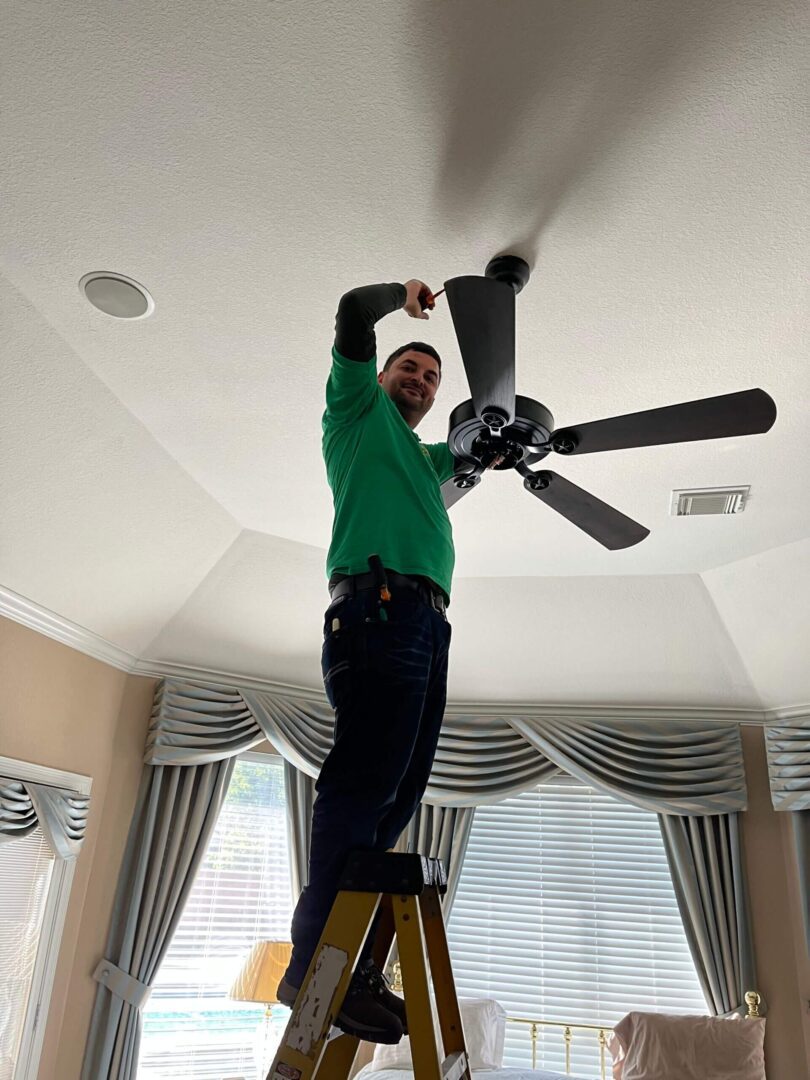
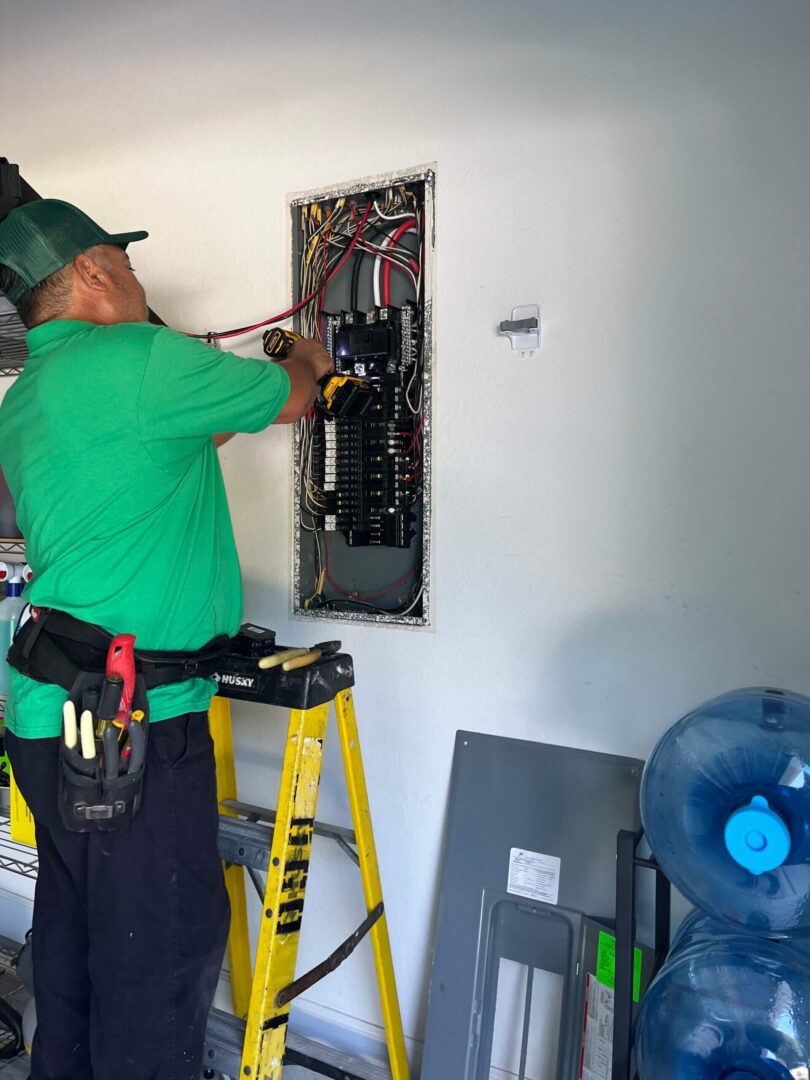
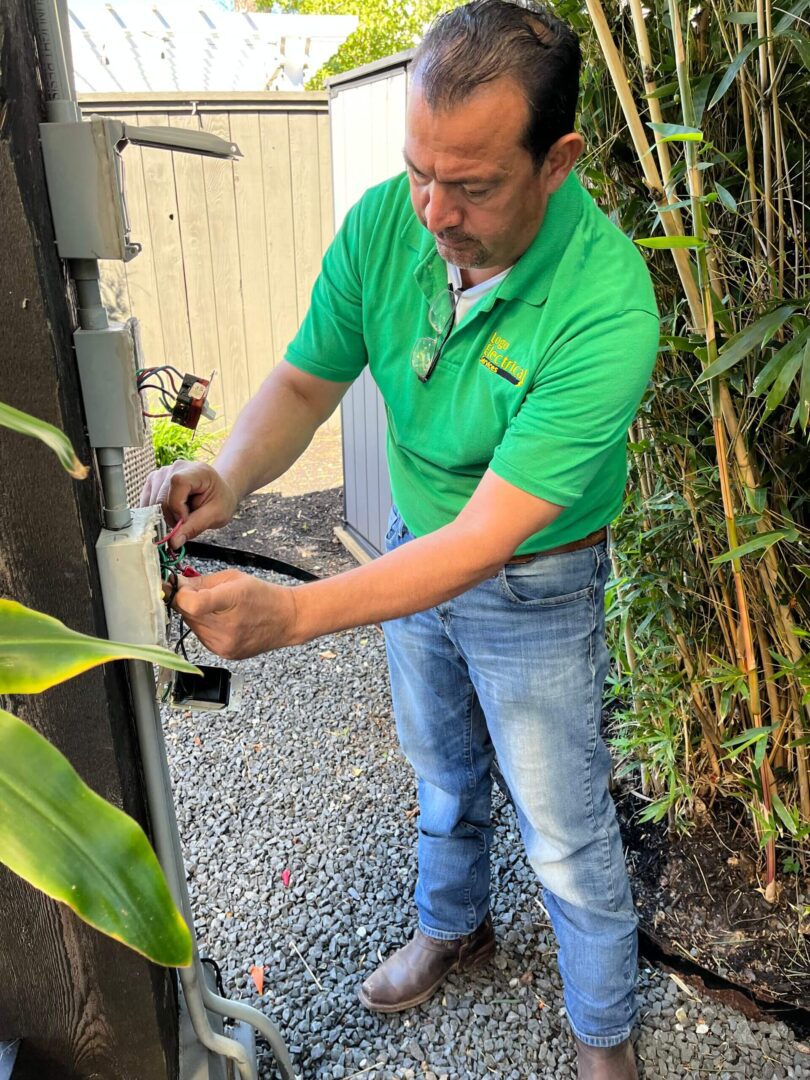
Electrical repairs cover more than one kind of problem. Sometimes the issue is isolated, like a dead outlet, a broken light switch, or a ceiling fan that no longer works properly. In other cases, the repair points to something deeper, such as damaged wiring, a failing breaker, corrosion in a panel, or circuits that were not designed for how a modern household uses power.
That is why proper diagnosis matters. Two homes can show the same symptom and need completely different fixes. Flickering lights may come from a loose connection in one room, but in another house they may be tied to panel problems, service issues, or overloaded circuits caused by added appliances and electronics.
A good repair visit should not feel rushed. Homeowners deserve a clear explanation of what failed, what caused it, and whether the repair solves the full issue or only the visible symptom.
Signs you may need residential electrical repairs
Some warning signs are obvious. Others are easy to dismiss until they become expensive or dangerous.
If outlets have stopped working, breakers trip repeatedly, or lights dim when large appliances turn on, it is time to have the system checked. The same is true if you notice buzzing sounds from outlets or switches, a burning smell near the panel, scorch marks, or switches and receptacles that feel warm to the touch. Those are not normal wear-and-tear issues.
Older homes can present a different set of concerns. You may not have one dramatic failure, but the system may show its age through limited outlet capacity, two-prong receptacles, outdated panels, or circuits that struggle to support today’s kitchens, laundry equipment, home offices, and charging needs. In those homes, repairs sometimes lead naturally into targeted upgrades.
There is also a practical side to this. An electrical issue does not have to be dangerous to be worth fixing. If part of your home loses power every time you run a microwave and coffee maker together, the inconvenience is telling you something. The system may need repair, rebalancing, or a new dedicated circuit.
Why electrical problems should be diagnosed, not guessed at
One of the biggest mistakes homeowners make is treating electrical symptoms like appliance problems. Reset the breaker, replace a bulb, swap a switch, and hope for the best. Sometimes that works. Sometimes it hides the real issue long enough for more damage to happen behind the wall or inside the panel.
Electrical systems are connected. A failed receptacle may be tied to a loose upstream connection. A frequently tripping breaker may actually be doing its job and warning you that the circuit is overloaded or unsafe. Replacing the breaker without understanding the load can make the situation worse, not better.
That is where experience matters. A licensed electrician knows how to trace the problem correctly, test components safely, and distinguish between a simple device failure and a system-level issue. Honest pricing also starts with honest diagnosis. You should know whether you need a straightforward repair or a broader correction before work begins.
Common repair issues in older and newer homes
Older homes in the Magnolia area often need repair work related to aging components. That may include worn receptacles, brittle wiring insulation, outdated service equipment, or panels that are no longer performing reliably. Even homes that have been maintained well can outgrow their original electrical design.
Newer homes can have electrical repair needs too, just for different reasons. More electronics, smart devices, EV charging, outdoor lighting, security equipment, and larger HVAC demands can put stress on circuits that were once adequate. In these homes, the problem is often capacity, loose connections, or a device failure rather than old materials.
Weather also plays a role in Texas homes. Storm activity, utility fluctuations, and surge events can damage sensitive equipment and shorten the life of breakers, GFCI outlets, AFCI devices, and connected electronics. If problems begin after a storm, it is worth having the system inspected rather than waiting for another failure.
Repair or upgrade? It depends on the cause
Not every electrical problem calls for a major upgrade. A failed outlet, damaged switch, or faulty light fixture can often be repaired quickly and cleanly. But there are times when a repair only makes sense as part of a bigger improvement.
For example, if a panel has recurring issues, visible wear, or no room for added circuits, replacing one breaker may not be the best long-term value. If your home relies heavily on extension cords and power strips because there are not enough properly placed outlets, repairing one dead receptacle does not solve the underlying problem. If whole sections of the home are affected by surges or unstable power, adding surge protection may be as important as fixing the immediate damage.
This is where a trustworthy contractor stands out. The right recommendation is not always the biggest job. It is the option that solves the problem safely, meets code, and gives the homeowner confidence that the issue is actually addressed.
What homeowners should expect from a licensed electrician
When you call for residential electrical repairs, you should expect more than someone who can make the symptom disappear. You should expect a licensed professional who arrives on time, evaluates the issue carefully, explains findings in plain language, and gives you a fair path forward.
That includes identifying any immediate safety concerns, confirming whether the repair is code-compliant, and letting you know if related parts of the system should be watched or updated. Good service also means respecting your home. Clean work, clear communication, and follow-through matter just as much as technical skill.
For many homeowners, trust is the deciding factor. Electrical work is not something you can fully inspect after the fact. You are relying on the contractor to do it right behind walls, in panels, and at connection points you may never see again. That is why family-owned companies with long experience and a strong local reputation continue to matter. Logo Electrical Services has built its name around that kind of dependable, honest service.
How to reduce future electrical repair problems
Some electrical repairs cannot be predicted, but many can be prevented or caught early. If your home is older, if you are adding major appliances, or if you have noticed even minor warning signs, periodic inspections can save money and frustration later. Small issues tend to be simpler to repair before heat, arcing, or repeated overloads cause more damage.
Preventive improvements also make a difference. Whole-home surge protection, panel upgrades, dedicated circuits, and replacing worn devices can reduce the chance of recurring trouble. The best approach depends on the age of the home, the condition of the existing system, and how your family actually uses power day to day.
There is no one-size-fits-all answer, and that is exactly why personalized recommendations matter. A home with a workshop, pool equipment, and an EV charger has very different electrical demands than a smaller house with minimal upgrades.
When something in your home’s electrical system stops acting normally, do not wait for it to become a bigger problem just because the lights still come on. Getting the right repair at the right time protects your home, supports the way you live, and gives you one less thing to worry about.