If you are adding an EV charger, planning a generator connection, or updating an older panel, one question comes up fast: how to size residential electrical service without guessing. That answer matters because an undersized service can create nuisance breaker trips, limit future upgrades, and raise safety concerns. An oversized service is not always harmful, but it can add unnecessary cost if the home does not need it.
For most homeowners, service sizing is where practical planning meets code requirements. You are not just picking between 100, 150, or 200 amps. You are looking at the real electrical demand of the house, the age of the system, major appliances, heating and cooling loads, and what you may add in the next few years. A licensed electrician uses a formal load calculation to verify the right service size, but homeowners benefit from understanding what drives that number.
How to size residential electrical service the right way
The cleanest way to size service is with a residential load calculation based on the National Electrical Code, local requirements, and the actual equipment in the home. This is more accurate than simply matching a neighbor’s panel size or assuming bigger is always better.
A proper calculation starts with the square footage of the livable space, then adds required small-appliance and laundry circuits. From there, specific loads are included for equipment such as electric ranges, dryers, water heaters, HVAC systems, pool equipment, well pumps, hot tubs, EV chargers, and workshops. Some loads are treated with demand factors, which means they are not always counted at 100 percent of their nameplate rating. That is one reason service sizing is more nuanced than adding every breaker together.
In plain terms, the goal is to determine the home’s likely maximum demand, then choose a service that can handle that demand safely and legally. In many homes, that points to 200-amp service today, but not always. Smaller homes with gas appliances may still function well on 100 amps. Larger homes with more all-electric loads may need 200 amps or more, especially if future expansion is part of the plan.
The service sizes most homeowners see
Older homes often have 60-amp or 100-amp service. A 60-amp service is generally considered outdated for modern living, especially if the home has central air, modern kitchen appliances, or plans for additional equipment. A 100-amp service may still be acceptable in some homes, but it leaves less room for upgrades.
A 150-amp service exists, though it is less common. It can make sense in some mid-sized homes where 100 amps is not enough and 200 amps may not be necessary. Still, many homeowners and electricians move straight to 200 amps during a service upgrade because it offers more flexibility for future needs.
A 200-amp service is now the standard target for many single-family homes. It supports common modern loads more comfortably, including larger HVAC systems, electric cooking, electric water heating, garage equipment, and EV charging. In higher-demand homes, especially larger properties with detached structures or significant electric heating, even 320-amp or 400-amp service may be appropriate.
What actually affects residential service size
Square footage matters, but it is only the starting point. Two homes with the same layout can have very different electrical needs depending on how they are equipped.
An all-electric home usually needs more service capacity than a home with natural gas for heating, water heating, and cooking. Central air conditioning adds demand, and so do electric dryers, double ovens, tankless electric water heaters, and large workshop tools. If the property has a pool, spa, irrigation pump, or detached garage with subpanel loads, those items can change the calculation significantly.
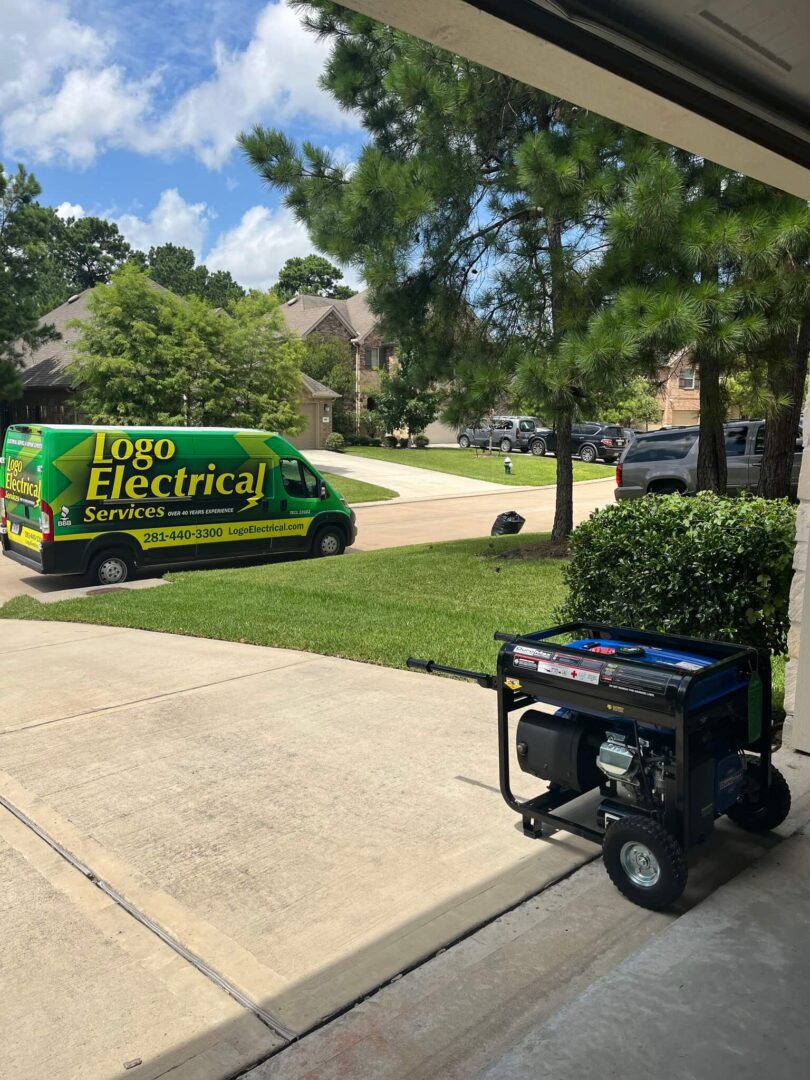
Future plans matter too. A lot of service upgrades happen not because the home is failing today, but because the homeowner wants to add something tomorrow. An EV charger is a common example. So is a standby generator installation that requires panel work and transfer equipment. If you are already opening the panel and planning a major electrical investment, it often makes sense to size the service with a few years of growth in mind.
Why breaker count does not tell you the answer
Homeowners often look at a crowded panel and assume they need a bigger service. Sometimes that is true, but breaker spaces and service capacity are not the same thing.
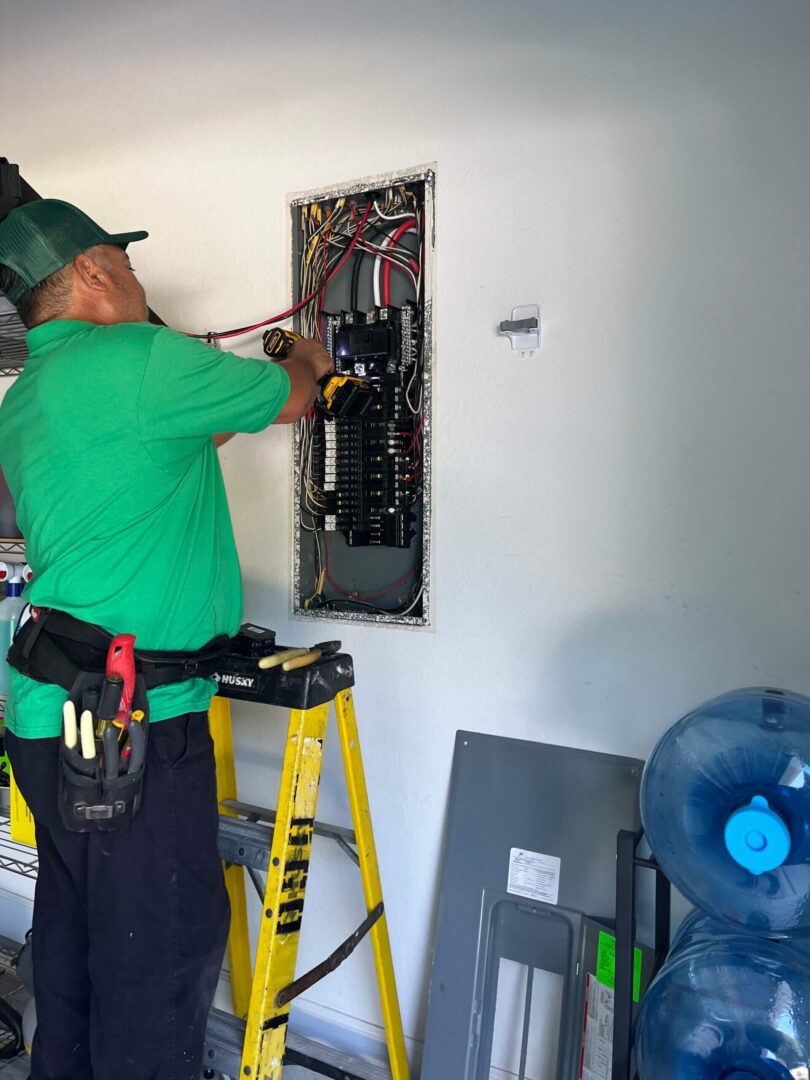
A panel can run out of physical space before the electrical service itself is fully loaded. In that case, the solution may be a larger panel or a subpanel, not necessarily a full service upgrade. On the other hand, a home can have open breaker spaces and still be short on service capacity if the calculated load is already near the limit.
That is why service sizing should never be based only on how full the panel looks. It has to be based on calculated demand, equipment ratings, and the condition of the existing service equipment.
A simple example of how load changes the answer
Consider a modest home with gas heat, a gas range, and a gas water heater. If the air conditioning is average-sized and there are no major extras, 100 amps might still pencil out depending on the load calculation and local requirements.
Now change that same home to all-electric. Add an electric range, electric dryer, electric water heater, a 50-amp EV charger, and a generator-ready setup. The service demand jumps quickly. In that situation, 200 amps often becomes the more practical and future-ready choice.
This is where experience matters. The numbers have to be calculated correctly, and the result has to fit the real way the home is used. A licensed electrician can spot issues that online calculators miss, especially in older homes with previous additions, mixed wiring methods, or equipment that was installed over time.
When a service upgrade is usually worth considering
If your lights dim when large appliances start, if breakers trip regularly, or if the panel is original to an older home, it may be time to look beyond repairs and evaluate service size. The same applies if you are remodeling a kitchen, adding HVAC equipment, installing a hot tub, or preparing for an EV charger.
Homes with obsolete panels, damaged meter bases, aluminum branch wiring concerns, or limited capacity often benefit from a full review rather than another patchwork fix. Service upgrades are not just about convenience. They are also about safety, code compliance, and having an electrical system that matches the way your household actually lives.
In Magnolia and the greater Houston area, weather adds another layer to the conversation. Air conditioning load is not optional for most families here. If a home already struggles during peak summer demand, adding new electric loads without checking service size is asking for trouble.
Why professional verification matters
Understanding how to size residential electrical service helps you ask better questions, but the final answer should come from a licensed electrician. The service size affects the panel, meter equipment, grounding, service entrance conductors, utility coordination, and permit requirements. It is not a place for rough estimates.
A professional load calculation also protects you from two common mistakes. The first is underbuilding and having to upgrade again after one more improvement. The second is paying for a larger service than the home realistically needs. Honest pricing starts with accurate scope, and accurate scope starts with a real evaluation.
For homeowners, the best approach is straightforward. Look at what the home uses now, think about what you plan to add, and have a licensed electrician calculate the load before you commit to panel or service work. That process gives you a safer system, a clearer budget, and fewer surprises once the job begins.
At Logo Electrical Services, that is the kind of conversation we believe homeowners deserve – clear answers, code-compliant work, and no guesswork dressed up as advice.
If you are unsure whether your home needs 100, 150, or 200 amps, that uncertainty is not a problem. It is a good reason to have the numbers checked before your next upgrade turns into a bigger repair.