You usually do not think about your electrical panel until something starts acting off. A breaker trips when the microwave and air fryer run together, lights flicker when the AC kicks on, or you notice the panel looks older than the rest of the house. If you are wondering how to know your electrical panel is outdated, the answer often shows up in small warning signs before it becomes a bigger safety issue.
Your panel is the control center for your home’s electrical system. When it is too old, too small, damaged, or not built for modern electrical demand, it can affect everything from daily convenience to fire safety. For homeowners in Magnolia and the greater Houston area, this matters even more in older homes, remodeled homes, and properties adding larger loads like EV chargers, generators, or new appliances.
How to know your electrical panel is outdated
The clearest sign is that your home has outgrown it. Years ago, a panel might have handled basic lighting, a refrigerator, and a few small appliances without much trouble. Today, many homes are powering larger HVAC systems, home offices, smart devices, kitchen upgrades, tankless water heaters, and garage equipment all at once.
If your panel was installed decades ago, it may not have the capacity or safety features a modern household needs. That does not always mean it is failing right this second. It does mean it should be evaluated by a licensed electrician before a nuisance problem turns into a repair emergency.
Frequent breaker trips are not normal wear and tear
A breaker that trips once in a while can be doing its job. A breaker that trips regularly is a message. It may mean a circuit is overloaded, a breaker is weak, or the panel is struggling to manage demand safely.
Homeowners sometimes adjust their habits around the problem and stop noticing it. They learn not to run the toaster and coffee maker together, or not to use a space heater in a certain room. That workaround may feel manageable, but it is often one of the first clues that the panel is outdated or undersized.
Flickering or dimming lights can point back to the panel
Lights that dim when major appliances turn on are easy to dismiss, especially in an older home. But when voltage fluctuates because the system is under strain, the panel is one place an electrician will look.
It depends on the pattern. A single flickering light could be a fixture issue or a loose connection. Widespread dimming in multiple rooms, especially when high-demand equipment starts up, suggests your electrical system may need more than a simple repair.
You still have a fuse box or a very old panel brand
If your home still uses a fuse box instead of circuit breakers, your system is outdated by modern standards. Fuse boxes were common in older homes, but they were not designed for today’s electrical load. They also tend to be less convenient and less adaptable when homeowners add new circuits.
Some older breaker panels also raise concern because of known reliability problems or limited replacement options. If your panel is several decades old and parts are hard to source, replacement may be the safer and more practical long-term choice.
Signs your electrical panel may be unsafe
Age alone does not tell the whole story. Some older panels have held up reasonably well, while others become unsafe due to wear, moisture exposure, corrosion, poor past repairs, or repeated overloading.
A burning smell near the panel is never something to ignore. Neither is visible rust, scorching, melted insulation, or breakers that feel hot. These signs can indicate arcing, loose connections, or internal damage. If you notice any of them, the right next step is to stop guessing and have a licensed electrician inspect it promptly.
Another red flag is a buzzing or crackling sound coming from the panel. Panels should not make noise during normal operation. Sound often points to an electrical fault, and faults inside a panel deserve immediate professional attention.
Breakers that will not stay reset
A breaker that trips and then immediately trips again is doing exactly what it is supposed to do. The problem is not the inconvenience. The problem is the condition behind it.
Sometimes the issue is on the branch circuit, not the panel itself. Other times the breaker is worn out, or the panel bus bar has damage. This is where experience matters. A proper diagnosis separates a minor repair from a panel upgrade recommendation and keeps homeowners from paying for the wrong solution.
There is no room for new circuits
A full panel is not always dangerous, but it is often outdated for the way the home is being used. If every space is occupied and you are relying on tandem breakers or makeshift workarounds just to add capacity, the panel may no longer fit the home.
This comes up often when homeowners want to install an EV charger, standby generator, hot tub, workshop equipment, or major kitchen upgrade. Even if the existing panel still functions, it may not be the right platform for safe expansion.
Why older homes often need panel upgrades
Many older homes were built around much lower electrical demand. Even a well-maintained panel from that era may be undersized for a family using multiple TVs, computers, charging stations, updated appliances, and high-efficiency HVAC equipment.
Renovations can also expose the gap. A home may look beautifully updated on the surface while still relying on an older panel behind the scenes. New lighting, remodeled kitchens, and added square footage all increase demand. If the service and panel were never upgraded to match, the system may be operating closer to its limit than the homeowner realizes.
There is also the code compliance side. Electrical codes change over time because safety standards improve. Not every older panel is automatically a code violation just because it is old, but newer panels offer better protection and are generally better suited for present-day requirements.
What a licensed electrician looks for
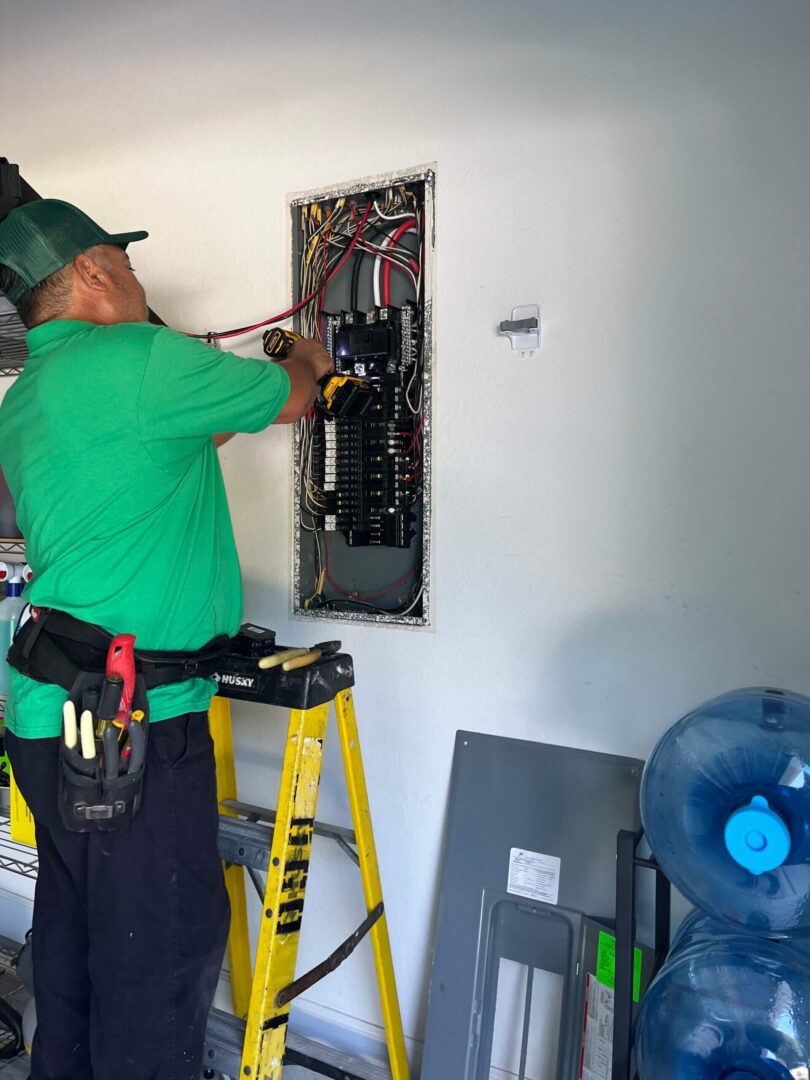
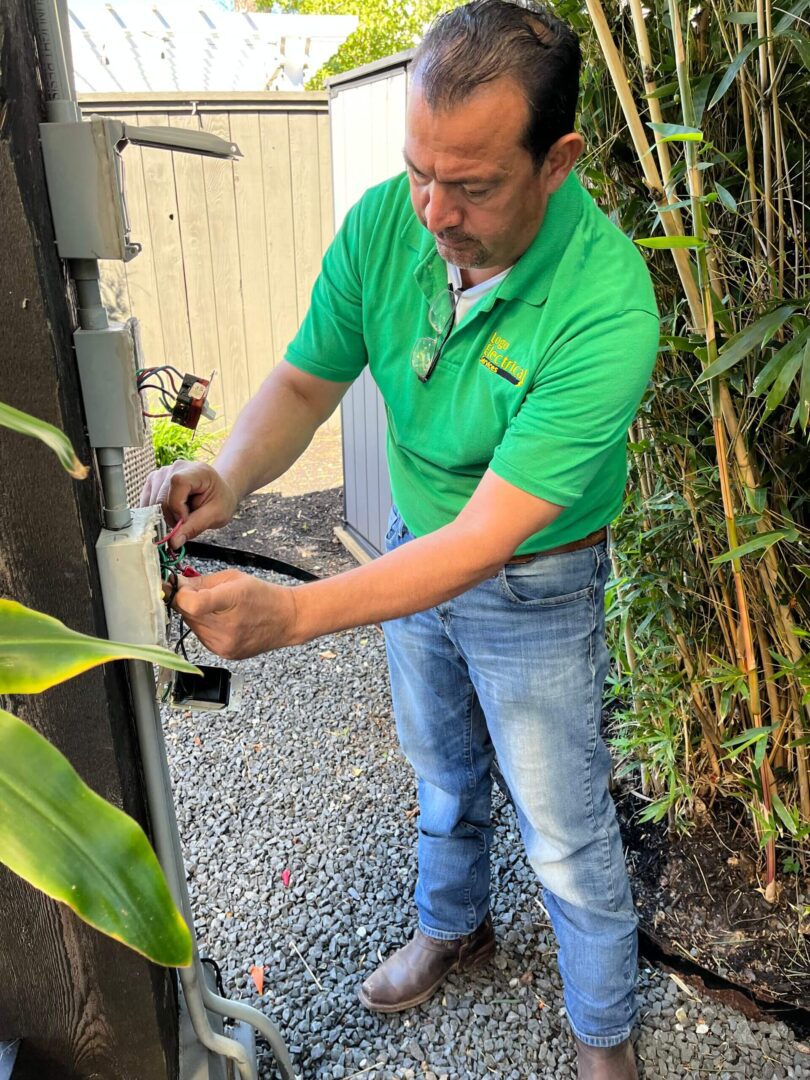
When a homeowner asks how to know your electrical panel is outdated, the real answer comes from inspection, not guesswork. A licensed electrician will look at the panel’s age, amperage, physical condition, manufacturer, breaker performance, wiring condition, grounding and bonding, and whether the system matches the home’s actual electrical needs.
The answer is not always replacement. In some cases, the panel is fine and the issue is a bad breaker, overloaded circuit, or loose connection elsewhere. In other cases, repair would only delay a bigger problem. Honest guidance means telling you which situation you are in and why.
That is especially important when safety concerns are involved. A homeowner should never remove the panel cover or try to inspect internal components without proper training. Even with the main breaker off, parts of the system can still be energized.
When replacement makes more sense than repair
If the panel shows heat damage, corrosion, recurring breaker failure, insufficient capacity, or obsolete equipment concerns, replacement is often the smarter investment. The upfront cost is higher than a minor repair, but the long-term value is better when it prevents repeated service calls and supports future upgrades.
This is one of those situations where cheap fixes can get expensive. Swapping a breaker may solve the symptom for a while, but not the root problem if the panel itself is at the end of its useful life. A newer panel can improve reliability, support safer load distribution, and make it easier to add surge protection, generator connections, or dedicated circuits later.
For homeowners who plan to stay in the home, that matters. So does peace of mind.
Do not wait for complete failure
Electrical panels rarely send one dramatic warning before they quit. More often, they give a series of smaller signs that are easy to rationalize away. A tripped breaker here, dimming lights there, maybe a panel that looks original to the house. None of that should be ignored.
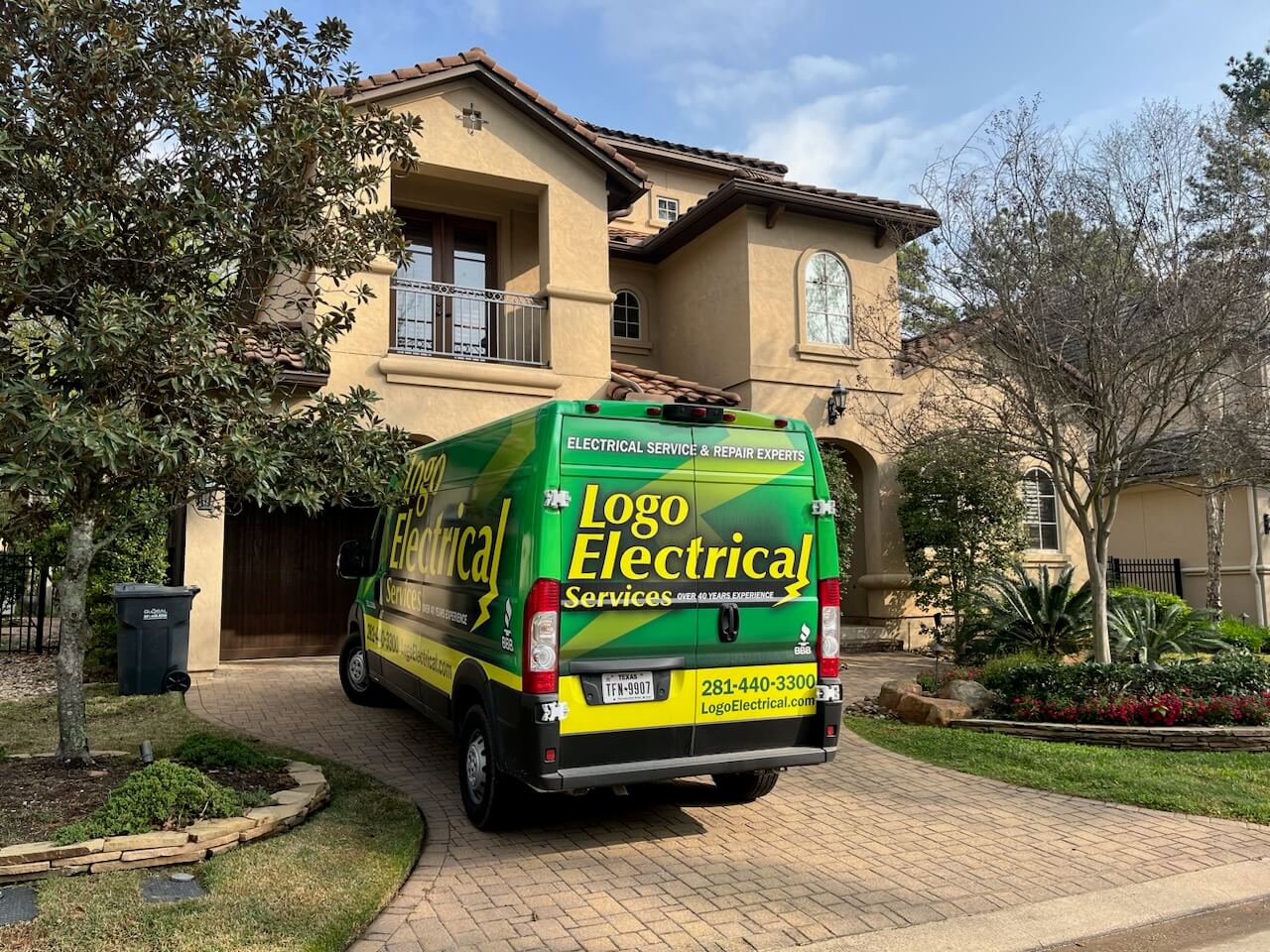
If your home is older, your electrical demands have increased, or your panel has started showing any of these warning signs, it is worth having it professionally evaluated. A family-owned contractor like Logo Electrical Services knows homeowners want straight answers, honest pricing, and work done safely the first time. That kind of inspection can tell you whether your panel still has life left in it or whether an upgrade is the safer path forward.
A good electrical panel should do its job quietly, consistently, and without making you plan your day around what you can and cannot turn on.