If you are buying a home, planning an addition, or noticing breakers trip when the AC and microwave run at the same time, one question comes up fast: what is standard residential electrical service? For most homes, that means the size and setup of the electrical service feeding the house from the utility, usually measured in amps, with 200-amp service now considered standard for many modern single-family homes.
That quick answer helps, but it does not tell you whether your house has enough capacity, whether your panel is outdated, or whether an upgrade makes sense. Those details matter because electrical service is not just about convenience. It affects safety, code compliance, future upgrades, and how well your home can handle modern living.
What is standard residential electrical service in a home?
Residential electrical service is the main power supply coming from the utility company into your home. It includes the service drop or underground feed, the meter, the main service panel, the main disconnect, and the grounding system. When electricians talk about a home having 100-amp or 200-amp service, they are talking about the total amount of electrical current the home can safely receive and distribute.
In practical terms, standard residential electrical service today is often 200 amps for a detached single-family home. That is especially true in newer construction and in homes with larger HVAC systems, electric water heaters, modern kitchens, home offices, EV chargers, or generator interlocks. Smaller homes, older homes, townhomes, and some condos may still have 100-amp or 150-amp service, and in some cases that is still adequate. It depends on the actual electrical demand.
The word standard can be a little misleading. There is no single amp rating that fits every property. What is common in one neighborhood or one era of construction may be undersized for another home with different appliances and usage patterns.
The most common residential service sizes
For many years, 60-amp service was found in older homes. Today, that is generally considered outdated for most households. A home with 60 amps may struggle to safely support central air, multiple kitchen appliances, laundry equipment, and the electronic load that most families use every day.
A 100-amp service is still found in many houses and can work for smaller homes with gas appliances and limited high-demand loads. If the system is in good condition and the electrical demand is modest, 100 amps may not be an immediate problem. But it leaves less room for upgrades.
A 150-amp service sits in the middle and is less common than 100 or 200 amps. Some homes have it, and it may be enough depending on square footage and equipment.
A 200-amp service is the current benchmark for many modern residences. It offers more capacity for large appliances, updated HVAC systems, dedicated circuits, workshop equipment, hot tubs, EV chargers, and standby generators. For homeowners planning ahead, it often provides the flexibility that older services cannot.
Larger homes may have 320-amp service or even more, but that is not what most people mean when they ask about standard residential service.
Why 200 amps is so common now
Homes simply use more electricity than they did decades ago. Older houses were not designed around two refrigerators, multiple large televisions, gaming systems, work-from-home equipment, whole-home surge protection, electric vehicle charging, and high-efficiency HVAC systems all operating within the same day.
The shift is not only about gadgets. Building expectations have changed. Kitchens have more dedicated circuits. Bathrooms require GFCI protection. Bedrooms and living spaces often have more receptacles and lighting loads. Homeowners also want cleaner, safer power distribution and room for future improvements.
That is why 200-amp service has become such a common recommendation. It gives a home a stronger electrical foundation without pushing the system close to its limit every time demand spikes.
What standard service includes beyond amp rating
Amp size gets the most attention, but standard residential electrical service is more than a number on a panel door. A safe, code-compliant service should include properly sized conductors, a correctly rated meter base, an appropriate main breaker, sound grounding and bonding, and a panel with enough space for the circuits the home actually needs.
This is where homeowners sometimes get tripped up. A house may technically have a certain amp rating, but still have issues because the panel is overcrowded, the breakers are mislabeled, the grounding is inadequate, or previous work was done poorly. Capacity and condition are not the same thing.
A licensed electrician looks at the full picture. That includes the age of the equipment, any signs of heat damage or corrosion, the type of service entry, the panel brand and condition, and whether the current setup matches the home’s real electrical demands.
How to tell what your home has
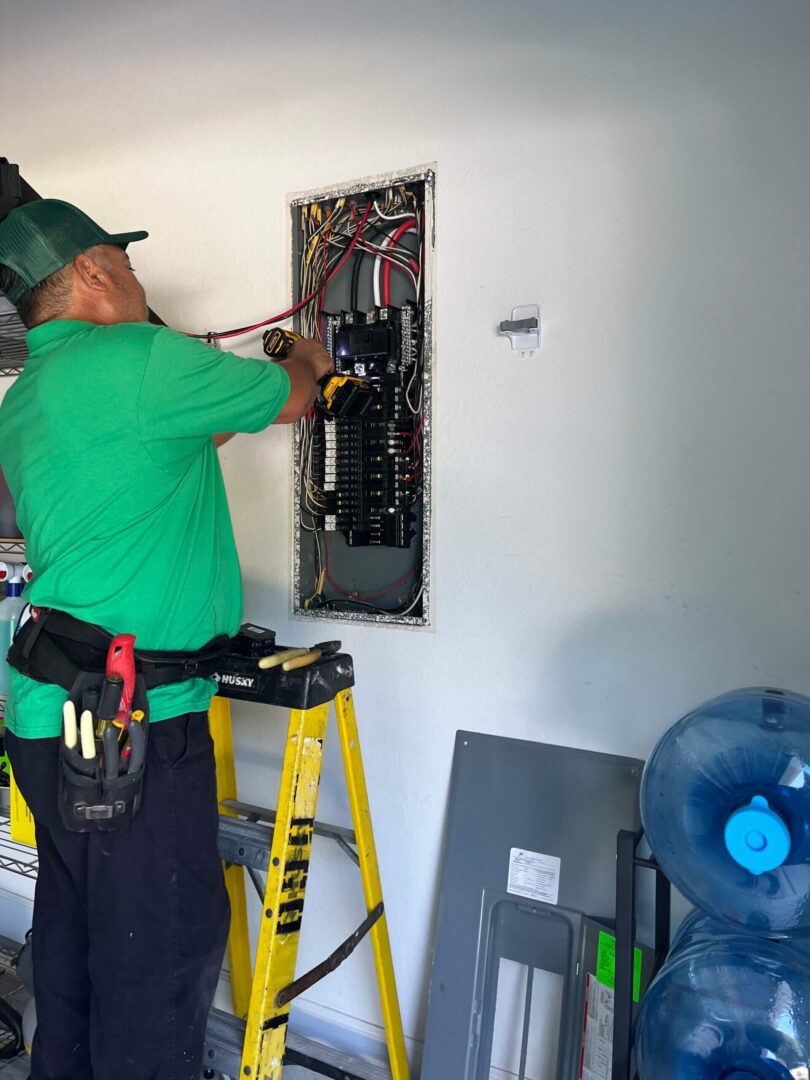
The easiest place to start is the main electrical panel. The main breaker usually shows the service rating, such as 100, 150, or 200 amps. The meter base and service equipment can also provide clues, but homeowners should be careful around energized electrical components and avoid removing covers.
You can also look at how the home performs. Frequent breaker trips, flickering lights when large appliances start, limited space for new circuits, reliance on extension cords, or difficulty adding equipment like an EV charger can all point to a service that is too small or a panel that needs attention.
Still, visible clues only go so far. Some homes have had partial upgrades over the years, which can make the setup confusing. A professional evaluation is the safest way to know whether your service is properly sized and in good condition.
When a standard residential electrical service is not enough
Even if a system was once acceptable, it may no longer fit the way the home is used now. That is common in older Magnolia-area homes that have had renovations, added square footage, or newer appliances installed over time.
A service upgrade may be worth considering if you are adding a generator, installing an EV charger, replacing gas appliances with electric models, remodeling the kitchen, or finishing a garage or workshop. The same is true if your panel is outdated, if breakers trip often, or if the service equipment shows signs of wear.
Sometimes the issue is not total service size. It may be a subpanel need, circuit redistribution, or replacing an aging panel with one that offers better reliability and room for expansion. That is why a good electrician does not jump straight to the biggest upgrade. Honest recommendations matter.
Older homes and the upgrade question
Many older homes still have 100-amp service, and not every one of them needs to be upgraded tomorrow. If the house is small, the appliances are mostly gas, and the panel is in good shape, the current service may still be serviceable.
But there are trade-offs. You may have less flexibility for future improvements. You may run into issues when installing modern appliances or charging equipment. Insurance concerns can also come into play with certain outdated panels or obsolete service equipment.
This is where experienced guidance makes a difference. A trustworthy electrician should explain whether the limitation is capacity, age, condition, or all three. Homeowners deserve a clear picture, not a sales pitch.
What a service upgrade usually involves
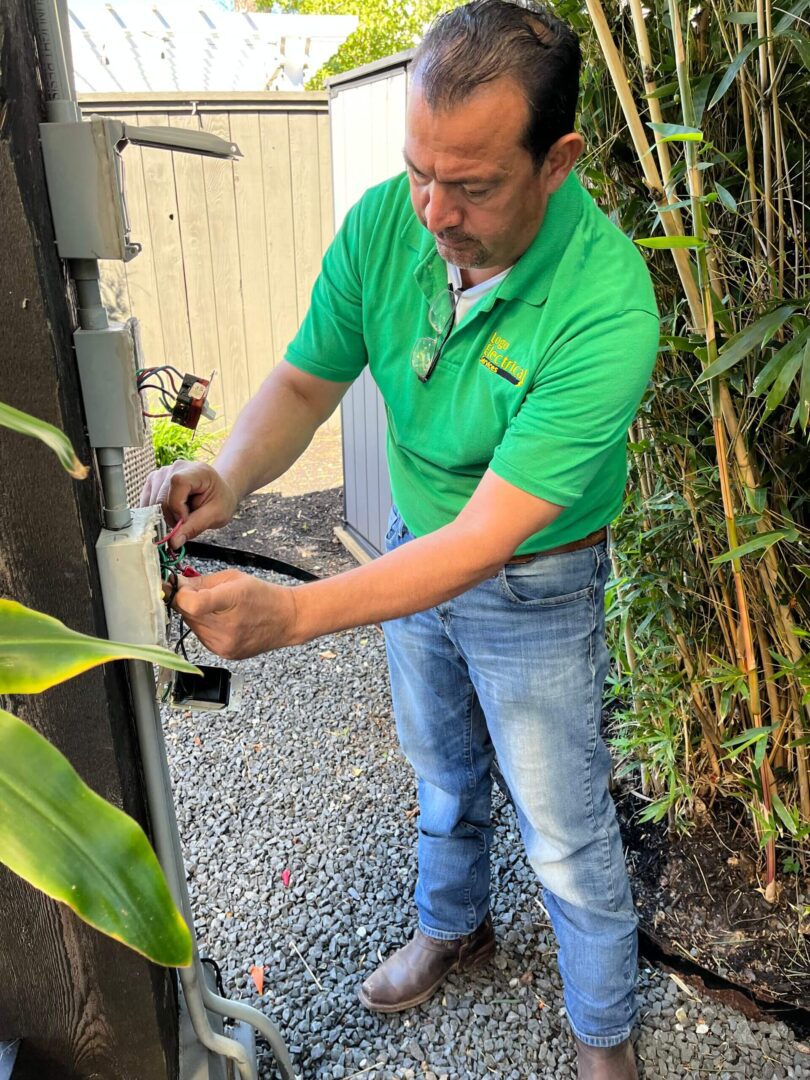
Upgrading residential electrical service is not just swapping a panel. Depending on the property, it may involve replacing the meter base, service mast, weather head, grounding system, and main panel, along with coordinating utility disconnect and reconnect procedures and local inspections.
That is one reason this is not a DIY project. Service work affects the entire house and must be done safely, legally, and to code. In many cases, the utility company and local authority having jurisdiction both have requirements that need to be followed closely.
For homeowners, the goal is straightforward. You want a system that safely supports the home you have now and the upgrades you may want later. When the work is done right the first time, you get peace of mind along with better performance.
Choosing the right service for your home
If you are asking what is standard residential electrical service, the best answer is this: standard today is often 200 amps, but the right service size depends on the home’s actual load, equipment, and future plans. Bigger is not automatically better if the rest of the system is not addressed, and smaller is not always wrong if the home truly has light demand.
For most homeowners, the real question is whether the electrical service is safe, sufficient, and ready for the way you live. A licensed residential electrician can calculate the load, inspect the condition of the equipment, and give you an honest recommendation based on facts.
At Logo Electrical Services, that is how we approach service evaluations – with clear communication, code-compliant workmanship, and practical advice homeowners can trust. If your panel is aging, your breakers keep tripping, or you are planning a major upgrade, it helps to know exactly what your home is working with before a small issue turns into a bigger one.
A good electrical system should not be something you have to worry about every time you turn something on.