When the power goes out in Texas, the question stops being theoretical pretty fast. Homeowners want the refrigerator running, a few lights on, the AC or heat available, and a safe way to power what matters most. That is where the generator interlock vs transfer switch decision comes in. Both can connect a portable generator to your home, but they do it differently, and the right choice depends on your panel, your budget, and how you plan to use backup power.
Generator interlock vs transfer switch: the main difference
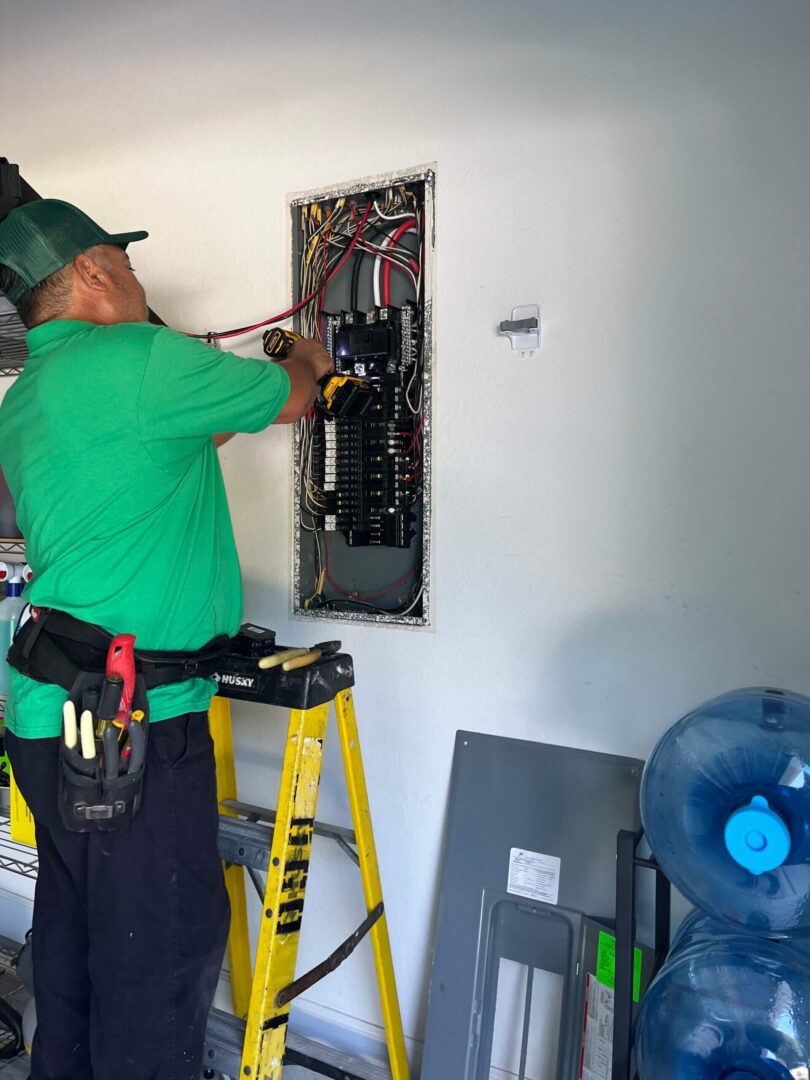
A generator interlock is a mechanical device installed on your main electrical panel. Its job is simple but critical – it prevents the main breaker and the generator breaker from being on at the same time. That means your home can receive power from the utility or from the generator, but never both at once.
A transfer switch does the same safety job in a different way. It switches selected circuits, or in some cases the whole service, from utility power to generator power. Depending on the system, this switching can be manual or automatic.
From a homeowner’s point of view, the biggest difference is control and convenience. An interlock usually lets you choose which existing panel circuits to power, as long as you manage the load carefully. A transfer switch is more structured. It is set up in advance for specific circuits or for a whole-home generator system, which can make operation easier and more predictable during an outage.
Why safety is not optional
This is not just about convenience or cost. It is about preventing backfeeding, overloading, and dangerous improvised setups.
If a generator is connected to a home the wrong way, it can send power back onto utility lines. That creates a serious hazard for lineworkers and can damage equipment when utility power returns. A properly installed interlock or transfer switch is designed to prevent that.
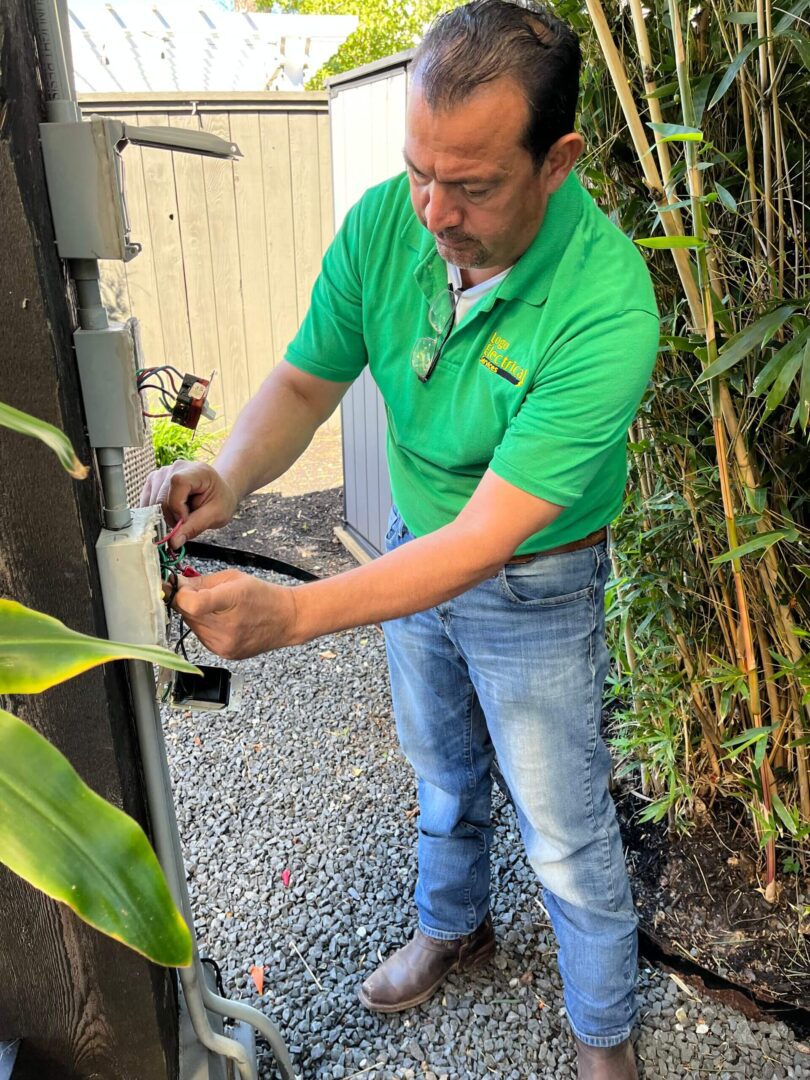
This is also why extension-cord workarounds and illegal backfeed methods are never worth the risk. A licensed electrician should verify the panel, breaker arrangement, inlet, grounding, and overall code compliance before any generator connection is used.
When a generator interlock makes sense
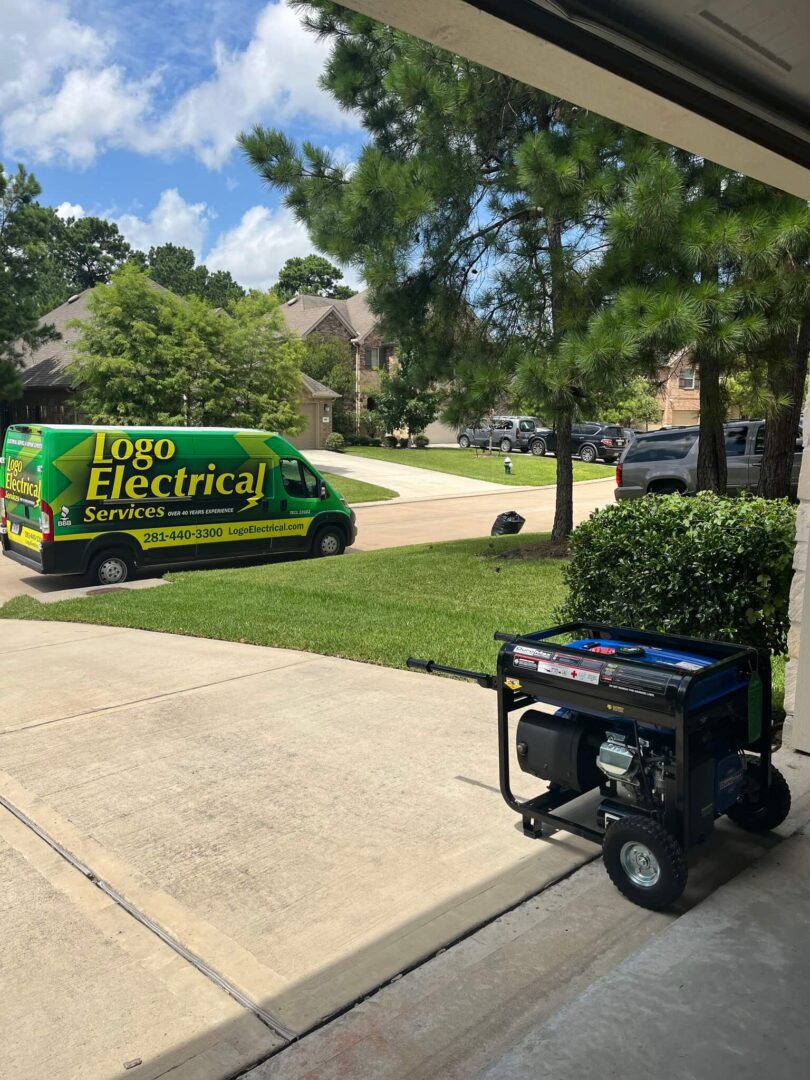
A generator interlock is often the more budget-friendly option, especially for homeowners with a portable generator who want flexibility. Because it works through your main panel, it can allow you to power different circuits at different times instead of being locked into a small preset group.
That flexibility is useful if your outage priorities change. During one storm, you may care most about the refrigerator, internet, and a few lights. During another, you may want the well pump, microwave, and bedroom circuits. An interlock can make that possible, provided the generator is large enough and the loads are managed correctly.
There are trade-offs. Interlocks are not universal. The panel must be compatible, and the device has to be listed for that specific panel setup. They also require the homeowner to operate the system correctly during an outage. You need to start the generator, connect it, switch breakers in the right order, and pay attention to what loads are on. For some homeowners, that is perfectly reasonable. For others, it is one more thing to manage during a stressful situation.
When a transfer switch is the better fit
A transfer switch is often the better choice when simplicity matters more than flexibility. If you want a clear, organized backup power setup with designated circuits, a transfer switch can provide that. Instead of deciding in the moment what to energize, the key loads are already chosen.
This can work well for homes where the priority circuits are obvious – refrigeration, some lighting, medical equipment, garage door, internet equipment, and maybe a furnace or blower. The setup is easier to understand because the backup circuits are defined during installation.
Transfer switches are also commonly used with standby generators. In those systems, the switch may transfer power automatically when the utility fails and switch back when power returns. That is a different level of convenience than a portable generator setup, and it is one reason standby systems cost more.
The downside is that transfer switches usually offer less flexibility at the circuit level unless the system is designed for broader coverage. If your needs change later, modifications may be needed. Installation cost can also be higher depending on the type of switch and how many circuits are included.
Cost matters, but so does value
For many homeowners, price is the first practical filter in the generator interlock vs transfer switch conversation. In general, an interlock setup is often less expensive than a transfer switch setup. It uses your existing main panel and can reduce equipment costs.
But lower upfront cost does not automatically mean better value. If the interlock is harder for you to operate, if your panel is not a good candidate, or if you want backup power for an older family member who needs a simpler process, then the transfer switch may be worth the extra investment.
Value comes from matching the equipment to the household. A family that is comfortable managing loads manually may do very well with an interlock. A homeowner who wants a more guided, user-friendly setup may be happier with a transfer switch.
Panel compatibility and code compliance
This is where online advice often leaves out the most important part. Not every panel can accept an interlock, and not every home is a straightforward candidate for either option.
The age and condition of the panel matter. The available breaker spaces matter. The generator inlet, wire sizing, grounding approach, and local code requirements all matter. If the panel is already outdated, overloaded, or due for replacement, a generator connection project may expose issues that need to be corrected first.
That is one reason experienced electricians take the time to evaluate the full system instead of recommending a one-size-fits-all answer. In some homes, a panel upgrade makes the most sense before adding backup power capability. In others, the existing service can support a clean installation right away.
Ease of use during an outage
Outages are inconvenient on a good day. During a storm or emergency, ease of use becomes a real factor.
With an interlock, the homeowner usually has more hands-on responsibility. You will need to wheel out the generator, fuel it, start it, connect it, operate the interlock correctly, and decide which loads to run. That can be manageable, but it does require attention.
With a manual transfer switch, there is still some hands-on work, but the switching process tends to be more straightforward. With an automatic transfer switch tied to a standby generator, the process is easier still. The system detects the outage and responds automatically.
Neither approach is universally better. It depends on how often outages happen, who will operate the system, and how much simplicity matters to your household.
Which option is better for portable generators?
For portable generators, both options can work well when installed properly. An interlock is often attractive because it can make better use of the circuits already in the panel. That appeals to homeowners who want more flexibility without moving selected loads to a separate switch setup.
A transfer switch can still be a strong option for portable generators if you want clearly identified emergency circuits and simpler operation. It may feel more controlled, especially for households that do not want to think through load choices during every outage.
The best answer usually comes down to generator size and homeowner preferences. A smaller portable generator benefits from smart load management, and an interlock can help with that. A household that wants a simpler routine may still prefer a transfer switch, even if it powers fewer circuits.
The right answer for your home
If you are comparing a generator interlock vs transfer switch, the safest approach is to start with your home rather than the hardware. Think about what you need to power, how comfortable you are operating backup equipment, whether your panel is in good shape, and whether this is a short-term portable generator solution or part of a longer-term backup power plan.
At Logo Electrical Services, this is the kind of decision we help homeowners make every day – clearly, honestly, and with safety first. The best setup is the one that is code-compliant, sized correctly, and easy for your family to use when the lights go out.
A good backup power system should give you confidence, not another problem to manage in the dark.