A lightning storm does not have to strike your house directly to cause expensive electrical damage. A nearby strike, a utility switching event, or a large appliance cycling on can send a sudden voltage spike through your wiring. Surge protection is designed to manage those spikes before they reach the equipment your family relies on every day.
For homeowners in Magnolia and the greater Houston area, this is more than a concern for televisions and computers. Modern homes contain sensitive electronics in HVAC systems, refrigerators, washers, garage doors, security equipment, smart devices, and appliances. Replacing one damaged control board can cost far more than taking a proactive approach to electrical protection.
What Surge Protection Does for Your Home
Your home’s electrical system is intended to deliver power at a consistent voltage. A surge is a brief, unexpected increase in that voltage. Some surges are dramatic, such as those caused by lightning, but many are smaller events that happen repeatedly over time.
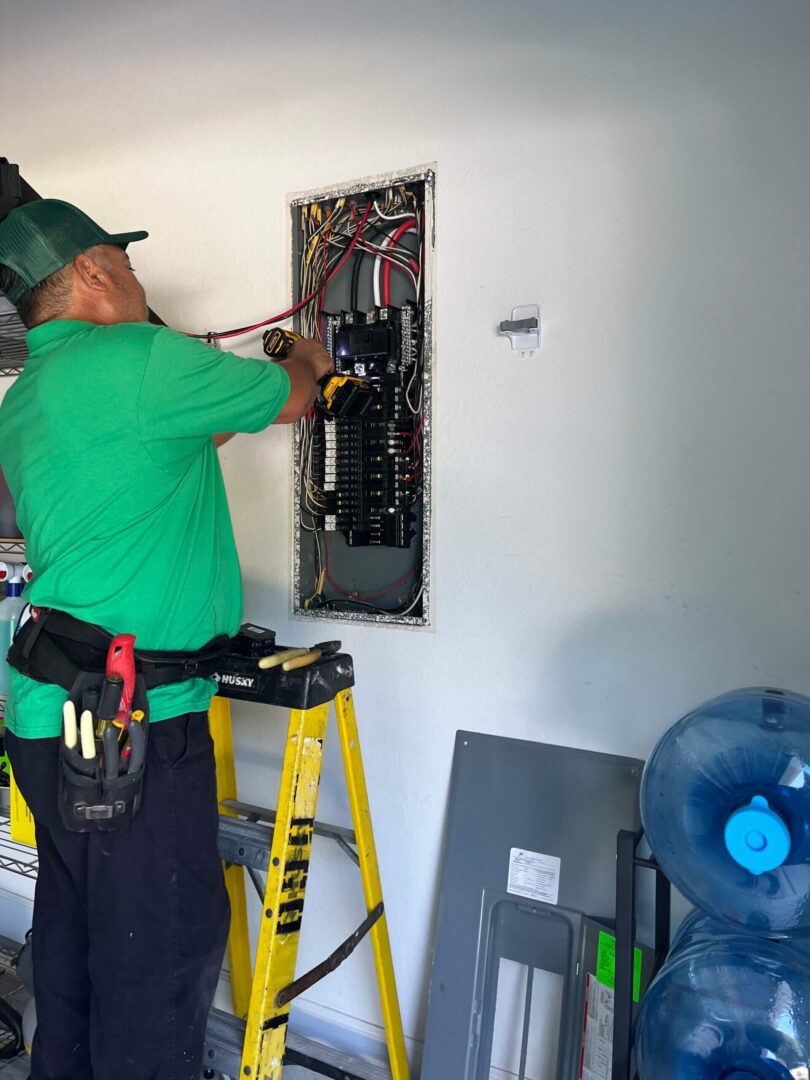
A properly installed whole-home surge protector is connected at or near the main electrical panel. When it detects excess voltage, it redirects that energy safely away from the circuits serving your home. It does not stop the power from going out during a storm, and it is not a substitute for a generator. Its job is to reduce the amount of harmful voltage that reaches connected equipment.
This matters because electrical damage is not always obvious. A major surge may destroy a device immediately, but smaller repeated spikes can gradually weaken circuit boards and electronic components. You may only notice the problem later, when an appliance fails sooner than expected or an HVAC system begins showing intermittent faults.
Why Power Strips Are Not Enough
Many homeowners already use plug-in power strips behind a television or office desk. Quality point-of-use surge strips can be useful, especially for sensitive electronics. However, they only protect the devices plugged into them, and not every power strip provides meaningful surge protection.
A whole-home device protects from the electrical panel outward. That broader coverage can help protect hardwired and large appliances that cannot plug into a strip, including your air conditioner, water heater controls, dishwasher, range, garage door opener, and built-in lighting systems.
The strongest approach often combines both levels of protection: a whole-home surge protector installed by a licensed electrician and quality plug-in protection for especially valuable electronics. Which setup makes sense depends on the age of the home, the type of equipment installed, and the condition of the electrical panel.
Common Sources of Electrical Surges
Lightning gets the most attention in Texas, and for good reason. Summer storms can create powerful electrical events even when a strike occurs some distance from the home. But storms are not the only concern.
Utility company switching, downed lines, transformer issues, and power restoration after an outage can all create voltage fluctuations. Inside the home, motors in air conditioners, refrigerators, pool equipment, and other large appliances can also create smaller switching surges. These events may be routine, but their cumulative effect on sensitive electronics can be costly.
A whole-home surge protector cannot guarantee that no electrical device will ever be damaged. A direct lightning strike or a severe electrical event can overwhelm nearly any system. Still, properly selected and installed protection is a practical layer of defense that can substantially reduce everyday risk.
When to Consider Whole-Home Surge Protection
Surge protection is a wise consideration for most homes, but certain situations make it especially worthwhile. If your home has smart thermostats, connected appliances, security cameras, EV charging equipment, a generator system, or newer HVAC equipment, you likely have more electronics to protect than you realize.
It also makes sense during other electrical work. A panel upgrade, generator installation, service repair, or major remodeling project is an efficient time to discuss protection because the electrician is already evaluating the system. New homeowners may also choose to add it after moving in, particularly if the home has an older panel or an unknown electrical history.
Homeowners who have experienced repeated outages, flickering lights, damaged appliances after storms, or unexplained electronic failures should schedule an electrical evaluation. Those symptoms do not automatically mean a surge is the cause. Loose connections, overloaded circuits, panel problems, and utility-side issues can produce similar warning signs. A licensed electrician can identify the actual condition before recommending a solution.
Choosing the Right Protection for Your Panel
Not every surge protector is the same. The device must be compatible with your electrical panel, properly rated for residential use, and installed according to manufacturer instructions and applicable electrical code. Placement and connection quality matter just as much as the product itself.
A qualified electrician will review the panel capacity, grounding and bonding, available breaker space, and overall condition of the electrical system. Grounding is particularly important. A surge protection device needs a dependable path to redirect excess energy. If the grounding system is damaged, outdated, or improperly connected, the device may not perform as intended.
Older homes can require additional attention. An obsolete panel, corrosion, overloaded circuits, or insufficient service capacity may need to be addressed before or alongside a surge protection installation. Honest recommendations should reflect the condition of your home, not a one-size-fits-all sales pitch.
Signs Your Electrical System Needs Attention
Surge protection is preventative, but it should not be used to overlook active electrical problems. Call a licensed electrician promptly if you notice burning odors, warmth at the panel, buzzing, frequent breaker trips, sparks, discolored outlets, or lights that dim when large appliances start.
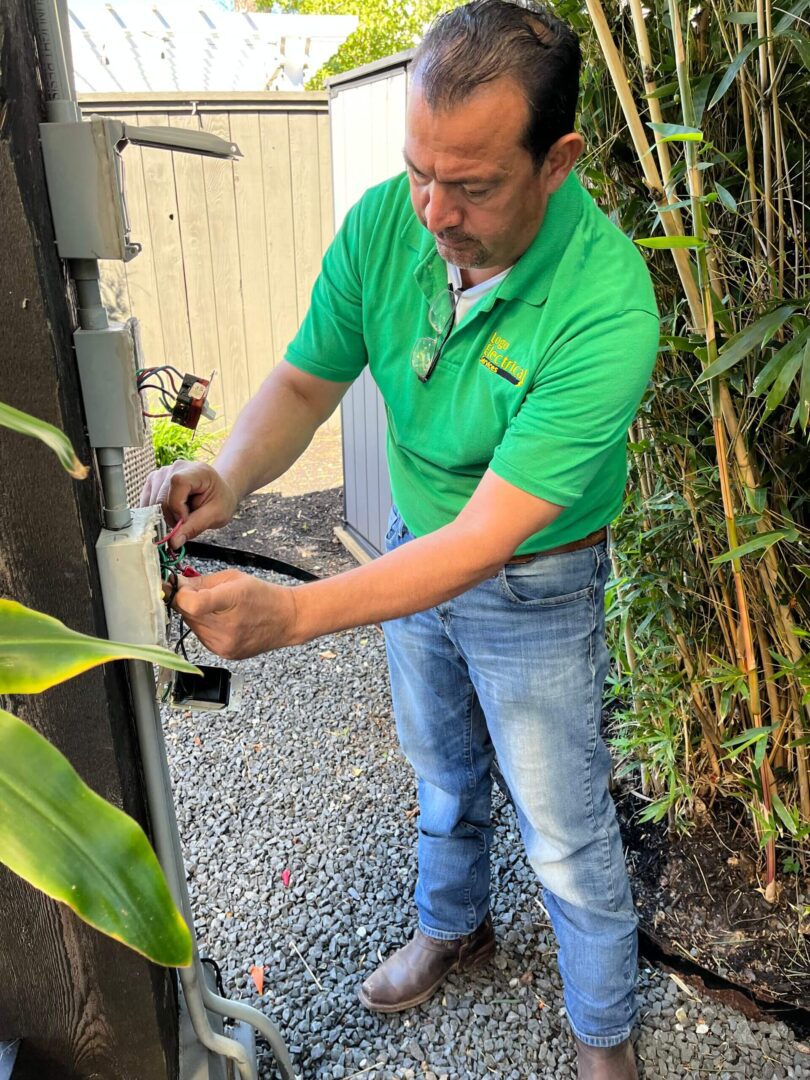
These signs can point to loose wiring, overloaded circuits, failing breakers, or other hazards that need professional diagnosis. Do not attempt to remove the panel cover or install a panel-mounted surge device yourself. Electrical panels contain energized components, and incorrect work can create a shock, fire, or equipment-damage risk.
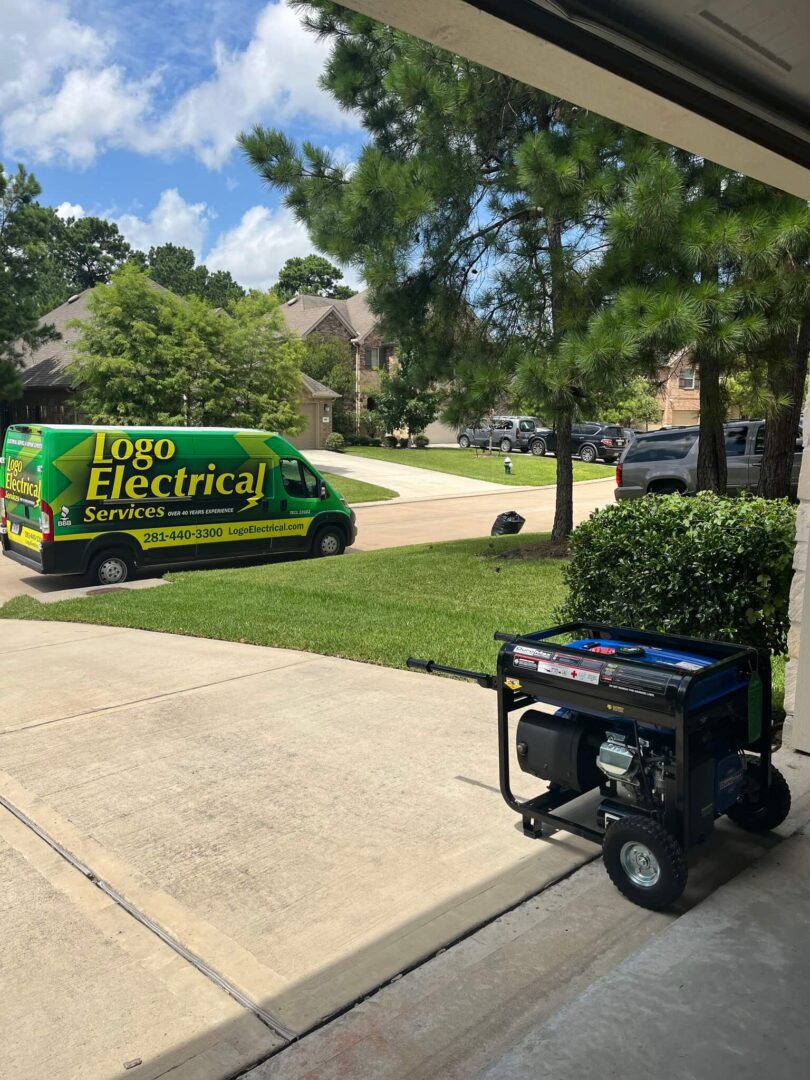
For homes with generator equipment or plans for a future generator, protection should be considered as part of the full design. Transfer equipment, service panels, generator controls, and connected appliances all need to work together safely. Planning the electrical system as a whole can prevent expensive changes later.
A Practical Investment in Home Reliability
The value of surge protection depends on what your home contains and the condition of your electrical service. A home with basic appliances and minimal electronics may have a different risk profile than a newer home with smart controls, multiple HVAC systems, a home office, and an EV charger. Still, the average household now depends on far more electronic equipment than it did even a few years ago.
A professional installation gives you the benefit of correct device selection, code-compliant connections, and an opportunity to catch other panel or grounding concerns. It also provides clearer accountability than relying on an off-the-shelf device installed without a full system review.
Logo Electrical Services helps homeowners make informed electrical decisions with licensed workmanship, clear communication, and straightforward recommendations. If storms, outages, or a growing collection of sensitive equipment have you thinking about protection, a panel evaluation is a sensible place to start. A small preventative upgrade can help you feel more confident every time the next Texas storm rolls in.