If you are shopping for an EV charger, the biggest mistake is focusing only on the brand name on the box. A good Level 2 home charger review should start with your home, your panel capacity, your driving habits, and whether the unit can be installed safely and legally. For most homeowners in Magnolia and the greater Houston area, the right charger is the one that fits the electrical system as well as the vehicle.
What a Level 2 home charger review should actually cover
A lot of online reviews treat every charger like it will perform the same in every house. That is not how real installations work. Two homeowners can buy the exact same charger and have very different results depending on panel space, wire run distance, breaker sizing, garage layout, and whether the charger is hardwired or plugged in.
That is why the best review is not just about appearance or app features. It should cover charging speed, amperage flexibility, build quality, weather rating, cable length, smart controls, warranty support, and installation requirements. Just as important, it should address whether your existing electrical service can support the charger without overloading the system.
Charging speed matters, but only to a point
Level 2 chargers typically run on 240 volts and charge much faster than a standard wall outlet. That is the main reason homeowners upgrade. Instead of adding just a few miles of range per hour, a Level 2 charger can often add enough overnight charging to cover a daily commute with no problem.
Still, faster is not always better. Some vehicles cannot accept the highest charge rates a charger advertises. Some homes do not have the panel capacity to support a high-amperage unit without upgrades. If a charger can deliver 48 amps but your panel can only reasonably support a 32-amp setup, paying extra for the larger model may not give you any real benefit.
For many households, a mid-range charger is the practical choice. If you drive a moderate number of miles each day and charge overnight, you may not need the top-end output. On the other hand, if you have two EVs, a long commute, or limited charging time, a higher-capacity unit may make sense.
Hardwired vs. plug-in chargers
This is one of the most important decisions in any Level 2 home charger review. Both options can work well, but they are not equal in every home.
A plug-in charger is often attractive because it feels more flexible. If you move, replacing the unit may be simpler. In some cases, installation can be more straightforward if a proper 240-volt receptacle is already in place. The trade-off is that the receptacle itself must be rated correctly, installed correctly, and able to handle repeated use over time.
A hardwired charger is often the better long-term option for homeowners who want a permanent, code-compliant setup. Hardwired installations generally reduce one point of failure and often allow access to higher charging amperage. They also tend to look cleaner and more intentional in a garage or driveway installation.
For outdoor locations, hardwired units are especially worth considering. Fewer exposed connection points can mean better durability in heat, humidity, and storms.
Smart features are useful, but not always necessary
Many modern chargers come with Wi-Fi apps, scheduled charging, energy tracking, utility rate integration, and remote monitoring. These can be genuinely helpful. If your utility offers time-of-use rates, scheduling your charging for off-peak hours may save money over time. Usage tracking can also help if you want to understand your household energy consumption more clearly.
But smart features are not the same as charging performance. A charger with a polished app but inconsistent connectivity is not automatically a better product than a simpler unit that works every time. Homeowners who want a dependable setup often care more about reliability than advanced settings.
If your internet connection in the garage is weak, smart functions may be less useful than advertised. In that case, a charger with straightforward controls and strong hardware may be the smarter investment.
Build quality is more important than marketing
A charger lives in the real world, not a product photo. In Texas, that means heat, humidity, dust, and in some cases outdoor exposure. A unit that looks sleek online may not hold up as well if the cable becomes stiff, the holster feels flimsy, or the enclosure is not well sealed.
Look closely at the connector handle, cable flexibility, mounting hardware, and weather rating. A long cable can make daily charging much easier, especially if more than one vehicle may use the charger. Cable management also matters more than most people expect. A charger that is awkward to wrap up or store tends to create frustration fast.
Warranty support is another sign of real quality. A good warranty does not guarantee a perfect product, but it does show how confident the manufacturer is in its equipment. Just make sure you read the details. Some warranties have conditions tied to professional installation.
The electrical side can make or break the project
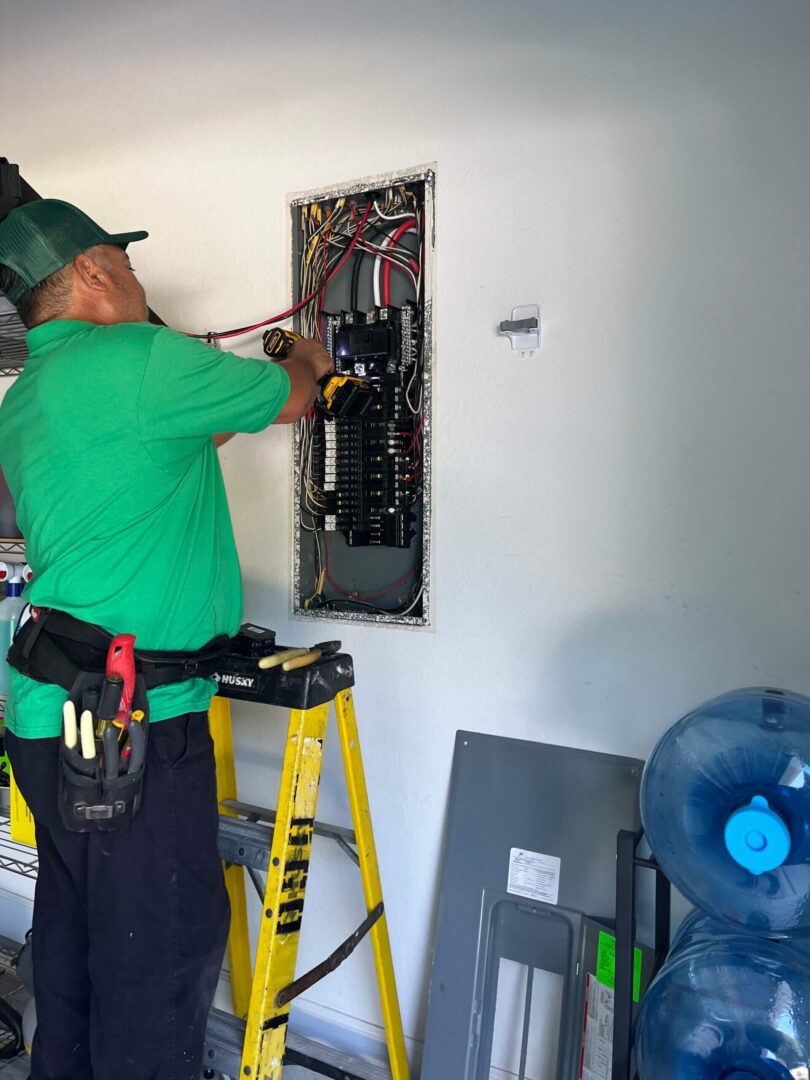
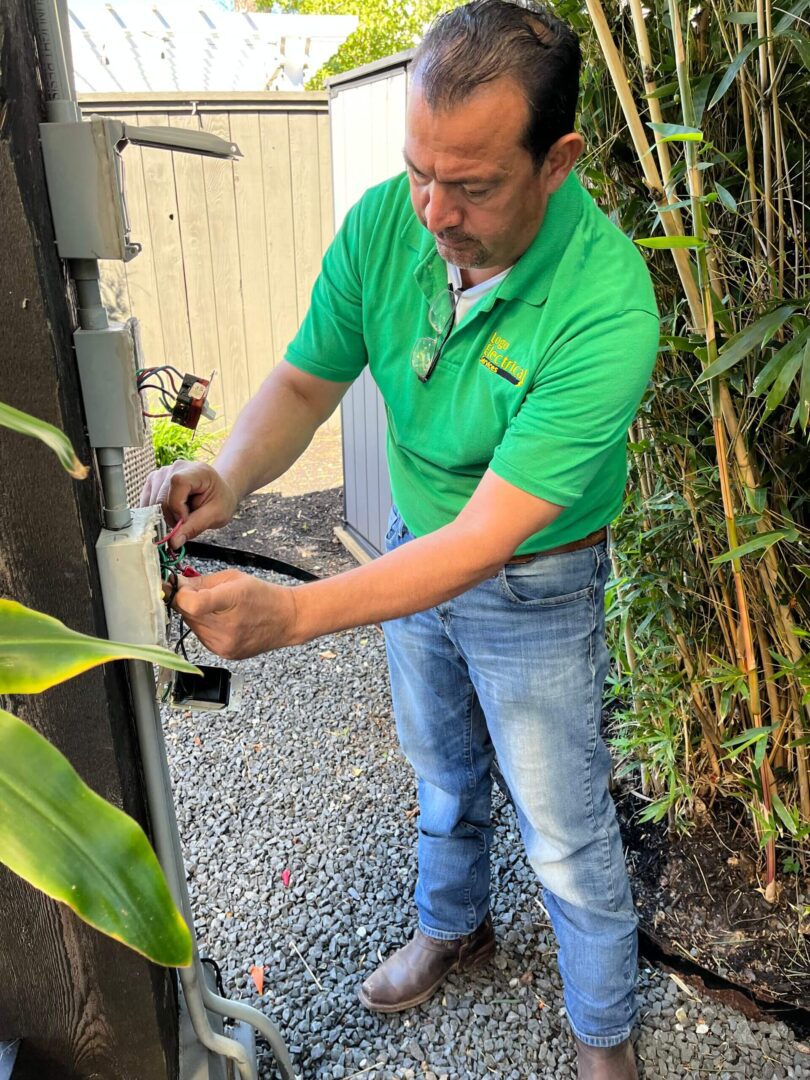
This is where many online comparisons fall short. Even the best charger is only as good as the circuit behind it. A safe Level 2 installation may require a dedicated 240-volt circuit, the correct breaker, proper conductor sizing, GFCI considerations where required, and enough panel capacity to support the added load.
In newer homes, installation may be fairly straightforward. In older homes, it depends. You may have limited breaker space, an undersized panel, aluminum branch wiring in some areas, or service capacity that needs a closer look. That does not mean you cannot install an EV charger. It means the charger selection should be based on the home, not just the vehicle.
A licensed electrician should evaluate load calculations, panel condition, and installation location before you commit to a charger model. That step protects both safety and budget. Sometimes the right answer is a lower-amperage charger now, with room to expand later. Sometimes a panel upgrade makes better long-term sense if you are already planning other electrical improvements.
Best charger type for different homeowners
There is no single winner for every household. The right fit depends on how you use your home and vehicle.
If you want straightforward overnight charging for one EV, a reliable 32-amp to 40-amp charger is often enough. If you want the fastest practical home charging and your vehicle and electrical service can support it, a 48-amp hardwired charger may be worth the investment. If you are installing in an exposed area, prioritize weather resistance and durable construction over cosmetic features.
For homeowners planning ahead, expandable features matter. Load sharing can be useful if a second EV is likely in the future. Adjustable amperage is also valuable because it gives the installer flexibility when matching the charger to your available electrical capacity.
A few common mistakes to avoid
The first is buying based on maximum advertised power without checking whether your vehicle can use it. The second is assuming any 240-volt outlet is ready for EV charging. The third is treating installation like a small appliance hookup instead of a real electrical upgrade.
Another mistake is picking a charger location based only on convenience today. Think about parking habits, cable reach, future vehicles, garage storage, and whether the charger may eventually need to serve two parking spots. Good placement prevents everyday frustration.
Finally, do not overlook permitting and code compliance. A properly installed charger protects your home, your vehicle, and your resale value. It also helps avoid nuisance tripping, overheating, or equipment damage caused by undersized wiring or poor connections.
Our honest take in this Level 2 home charger review
Most homeowners do not need the most expensive charger on the market. They need a dependable unit with the right amperage, a solid warranty, and installation that matches the home’s electrical capacity. In many cases, the quality of the installation matters just as much as the charger itself.
The best Level 2 home charger review is the one that balances product features with real-world electrical planning. That means asking practical questions. Will this charger meet your daily needs? Can your panel support it safely? Is hardwired a better fit than plug-in? Will the cable reach your actual parking spot without becoming a daily annoyance?
At Logo Electrical Services, we see the same pattern often. Homeowners do well when they choose a charger after the electrical evaluation, not before it. That approach keeps expectations realistic and helps avoid paying for features or capacity the home cannot use efficiently.
If you are comparing chargers right now, focus less on hype and more on fit. The right unit should charge your EV reliably, work with your home’s electrical system, and hold up for years in real conditions. A charger is not just a product purchase. It is part of your home’s electrical infrastructure, and it is worth choosing with care.
A good EV setup should make daily life easier, not add one more thing to worry about.