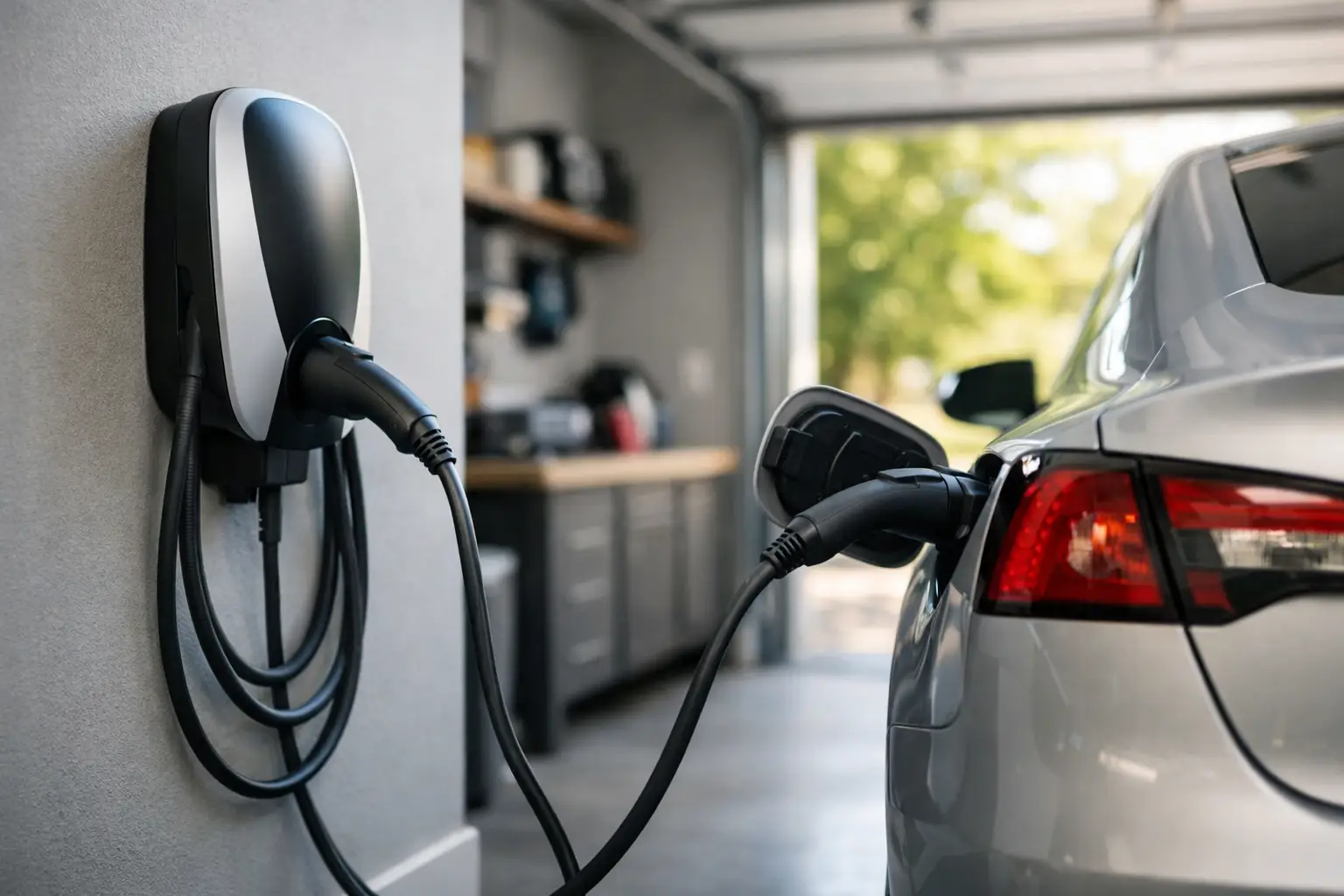
Pulling into your garage and plugging in overnight sounds simple, and it can be. But when homeowners start asking how to add a garage EV charger, the real answer usually depends on your panel, your garage layout, and how much charging speed you actually need.
For some homes, it is a straightforward installation with a dedicated circuit and wall-mounted charger. For others, the project uncovers an older panel, limited breaker space, long wire runs, or code issues that should be corrected before anything new is added. The goal is not just to get power to the charger. The goal is to get safe, reliable charging that works every day without overloading your electrical system.
Start with the charger you actually need
A lot of homeowners assume faster is always better. Sometimes it is. Sometimes it is just more expensive.
Most EV owners adding a charger in the garage are looking at Level 2 charging. That is the common home setup that uses 240 volts and charges much faster than a standard wall outlet. It is a good fit for daily driving, especially if you want to recharge overnight and wake up with a full battery or close to it.
Still, not every household needs the highest amperage charger available. Your vehicle’s onboard charger, your daily mileage, and the number of hours the car sits parked all matter. If you drive modest distances and charge overnight, a lower-amperage Level 2 charger may do the job just fine. If you have a larger EV battery, a longer commute, or more than one electric vehicle in the home, a higher-capacity setup may make sense.
This is one of the biggest points homeowners miss when they research how to add a garage EV charger. The best charger is not always the biggest one. It is the one your home can support safely and your routine can actually use.
How to add a garage EV charger without guessing on panel capacity
The most important electrical question is whether your existing service and panel can handle the added load. An EV charger is not like plugging in a lamp or even a refrigerator. It can be one of the largest continuous electrical loads in the house.
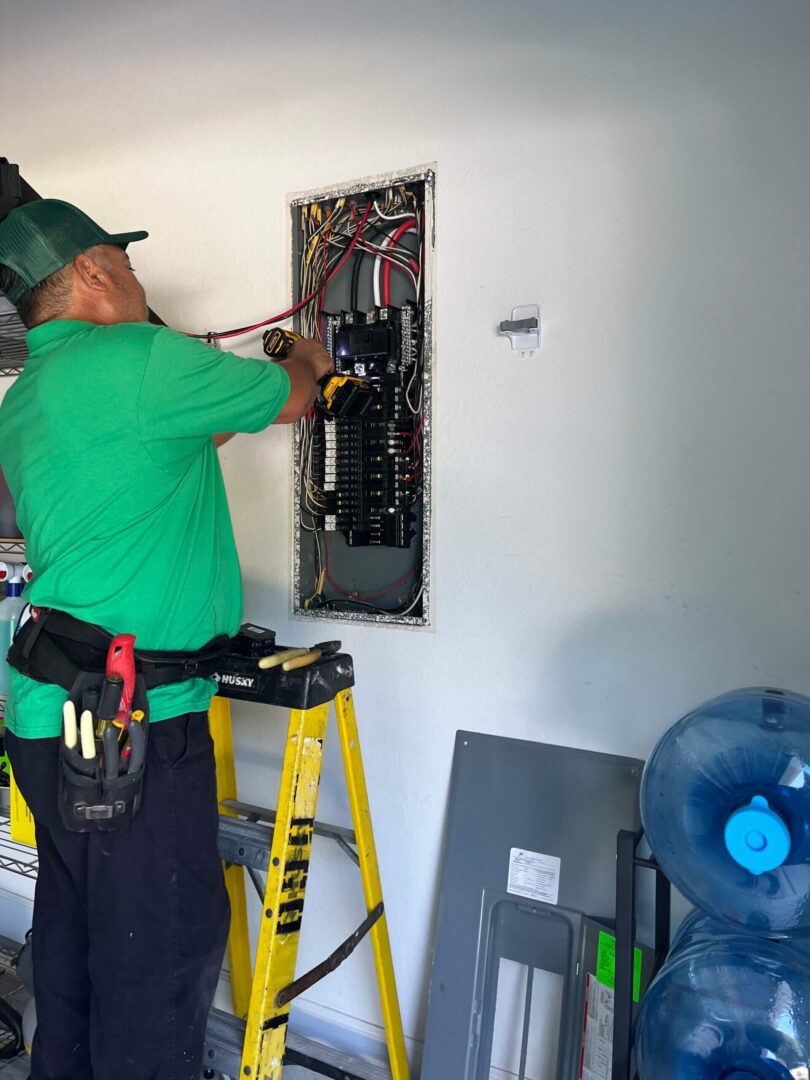
A licensed electrician will usually start with a load calculation. That looks at your service size, major appliances, HVAC equipment, water heater, dryer, range, and any other significant electrical demands already on the system. If your panel has physical breaker space but not enough actual capacity, adding a charger still may not be safe. On the other hand, a full-looking panel does not always mean a major upgrade is required. Sometimes there are code-compliant ways to reorganize circuits or install approved equipment to create room.
This is where experience matters. Homeowners deserve a clear answer about whether they need a simple circuit addition, a panel upgrade, or a more tailored solution. Honest pricing starts with honest diagnosis.
Choosing the right location in the garage
The charger location affects convenience, installation cost, and code compliance. It is not just about finding an empty wall.
You want the unit close enough to where the vehicle charge port will regularly park, without stretching the cable across walkways or garage doors. If the garage is used for storage, tools, bikes, or lawn equipment, the charger should be placed where it is protected from accidental bumps and still easy to access.
The distance from the electrical panel also matters. In general, the farther the wire run, the more labor and material the project may require. If the panel is on the opposite side of the home or the garage is detached, the installation may involve a longer circuit route, conduit, or even trenching in some cases.
A good installation balances convenience with practicality. You want a setup that feels natural to use every day, not one that forces awkward parking or cable management.
Hardwired or plug-in charger
This is another place where it depends.
A plug-in EV charger connects to a 240-volt receptacle, often similar in concept to a heavy appliance outlet. Some homeowners like this because it can feel more flexible. In certain situations, it may also make replacement easier later.
A hardwired charger is permanently connected to the electrical system. Many electricians recommend hardwired installations because they remove one potential point of failure and are often a cleaner, more durable setup for long-term use. Some manufacturers also require or strongly prefer hardwiring for higher-amperage models.
Neither option is automatically right for every home. The best choice depends on the charger model, the amperage, local code requirements, and how you plan to use the equipment over time.
Permits and code are part of the job
If you are wondering how to add a garage EV charger the right way, permits and code compliance belong in the conversation from the start.
An EV charger installation usually requires a dedicated circuit sized correctly for the charger and the wiring method being used. It may also require permit approval and inspection, depending on the jurisdiction. Those steps are there for a reason. Improper wire sizing, incorrect breaker selection, poor terminations, or unsupported equipment can create fire hazards and expensive problems later.
This is not an upgrade where shortcuts pay off. A licensed electrician should know local requirements, use proper materials, and install the system so it passes inspection and performs safely under repeated daily use.
When a panel upgrade is part of the project
Some homes in Magnolia and the greater Houston area were not built with EV charging in mind. If the electrical service is older, undersized, or already heavily used, adding a garage charger may expose limits that have been there for years.
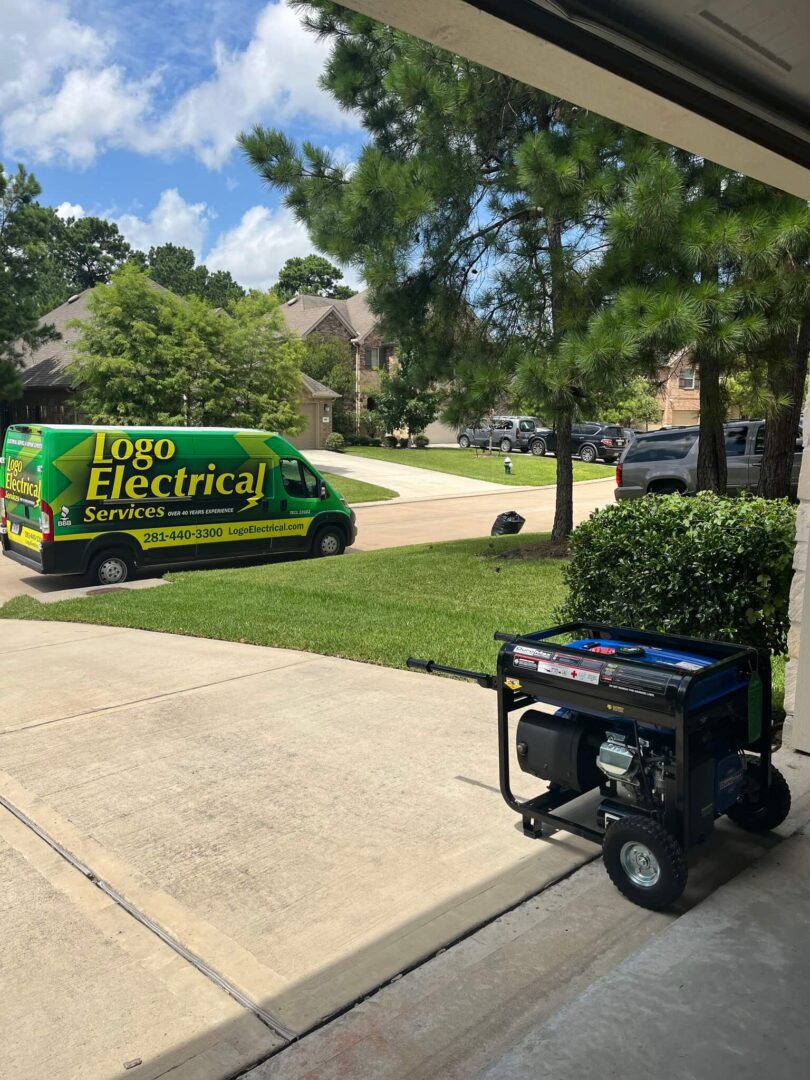
That does not always mean you have to give up on home charging. It may mean the charger amperage needs to be adjusted, or it may mean a panel upgrade is the smart long-term move. If you were already considering other electrical improvements like a generator connection, additional circuits, a workshop, or a kitchen remodel, this can be the right time to address the panel instead of patching around it.
A panel upgrade costs more up front, but it can create safer capacity for the charger and future household needs. The trade-off is straightforward: lower immediate cost with possible limitations, or a larger investment that gives the home more electrical flexibility going forward.
Smart charger features worth considering
Not every charger needs advanced features, but some are genuinely useful.
Wi-Fi connectivity, charging schedules, energy tracking, and load management can help homeowners control when charging happens and how it fits into their utility rates or household usage. If more than one EV may be in the garage later, some systems can help manage shared charging more efficiently.
That said, more features also mean more complexity. Some homeowners want app controls and data. Others want a dependable charger that simply works every night. There is nothing wrong with choosing simplicity if that matches how you use your vehicle.
What affects installation cost
Homeowners usually want a clear number, but EV charger pricing is driven by a few real variables.
The charger itself is only part of the cost. The installation price can change based on panel capacity, wire run length, wall access, whether conduit is needed, permit requirements, and whether the project includes a panel upgrade or other electrical corrections. A garage charger mounted next to the panel is a very different job from one located across the house with limited access and an older service.
That is why estimates should be based on an actual site review, not guesswork over the phone. A trustworthy contractor will explain what is included, what is optional, and what conditions could change the scope before work begins.
DIY is where risk shows up fast
On the surface, adding a charger can look similar to installing a large appliance circuit. In reality, EV charging places sustained demand on the system and leaves very little room for mistakes.
Undersized wiring, incorrect breaker sizing, poor torque on connections, incompatible receptacles, and skipped permit steps can all lead to overheating, nuisance tripping, failed inspections, or worse. Even if the charger appears to work at first, problems often show up under repeated use.
For most homeowners, this is a project that belongs in licensed hands. A professional installation protects the vehicle, the home, and the people living in it.
A smoother process from estimate to installation
The best EV charger projects are not complicated for the homeowner. After a site assessment, you should know whether your panel can support the charger, where it will be installed, what charging level makes sense, and whether permits are required. From there, the work should be completed cleanly, tested properly, and explained in plain language.
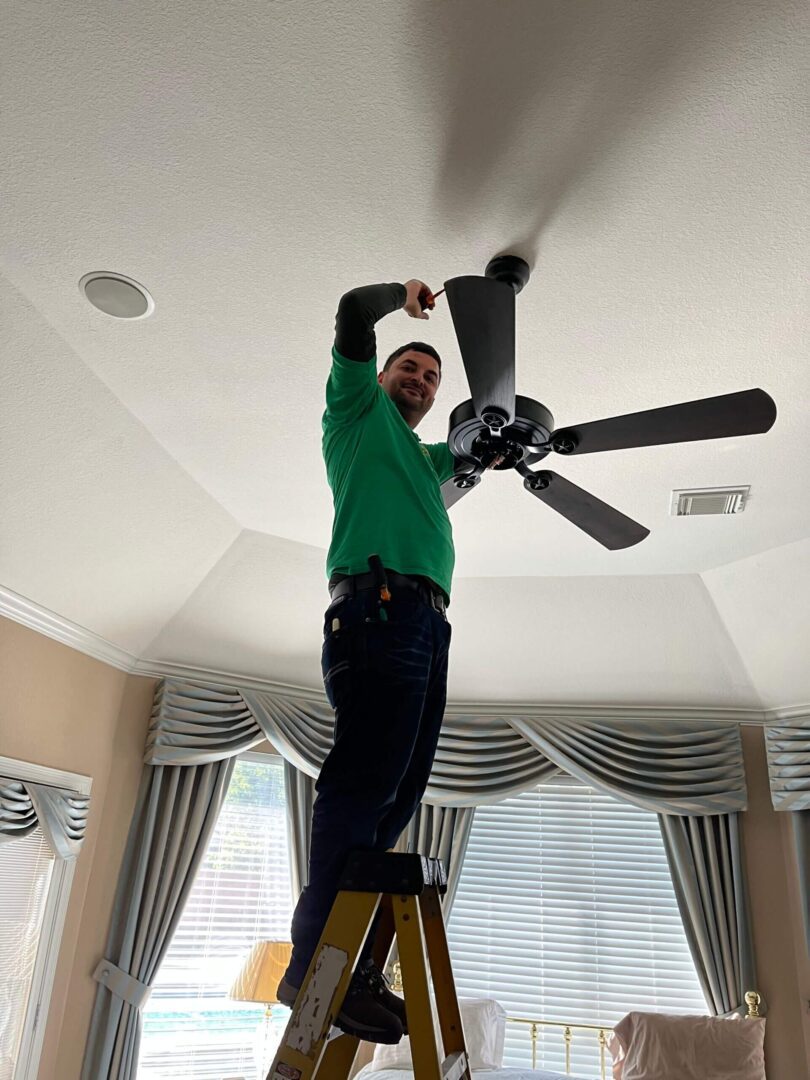
That kind of service matters just as much as the equipment itself. At Logo Electrical Services, we believe homeowners should feel confident about what is being installed, why it is recommended, and what it will cost before the work starts.
Adding a garage EV charger is a practical upgrade, but it is also an electrical upgrade that should be built to last. If the system is sized correctly, installed safely, and planned around how you actually live, charging at home becomes one of the easiest parts of owning an EV.