That light flickering when the AC kicks on might seem minor – until it happens again, and then a breaker trips, or an outlet starts feeling warm. The best signs you need electrical repair often show up as small warnings first. Paying attention early can help you avoid bigger damage, expensive downtime, and most importantly, safety risks inside your home.
Electrical problems rarely fix themselves. In many cases, they get worse gradually as wires loosen, components wear down, or your home’s electrical demand outgrows an older system. For homeowners in Magnolia and the greater Houston area, that matters even more when heat, storms, generators, EV chargers, and modern appliances all put added strain on the system.
The best signs you need electrical repair at home
Some warning signs are obvious, like a dead outlet or a breaker that will not reset. Others are easier to brush off because the house still seems to work. The trouble is that inconsistent power, overheating, and hidden wiring issues can sit behind what looks like a minor inconvenience.
If you notice one problem once, it may not be urgent. If the same issue keeps happening, or several signs show up together, it is time to have a licensed electrician inspect the system.
Flickering or dimming lights
Lights that flicker occasionally can have a simple cause, such as a loose bulb. But if multiple fixtures dim when a large appliance starts, or if lights flicker in one room even after changing bulbs, the issue may be deeper. It could point to a loose connection, overloaded circuit, failing breaker, or service panel problem.
This is one of those situations where context matters. A single lamp flickering is different from recessed lights throughout the kitchen pulsing every time the microwave runs. When the pattern involves multiple fixtures or heavy-use equipment, it is worth treating as an electrical repair issue instead of a lighting annoyance.
Breakers that trip again and again
Circuit breakers are supposed to trip when they detect a problem. That means one trip is not automatically a sign of a bad system. If you overloaded a circuit with too many space heaters or countertop appliances, the breaker may be doing exactly what it should.
The concern starts when the same breaker trips repeatedly under normal use. That can signal an overloaded circuit, a short, a ground fault, or a breaker that is no longer performing properly. Repeated trips are especially common in older homes that were not designed for today’s electrical loads.
Outlets or switches that feel warm
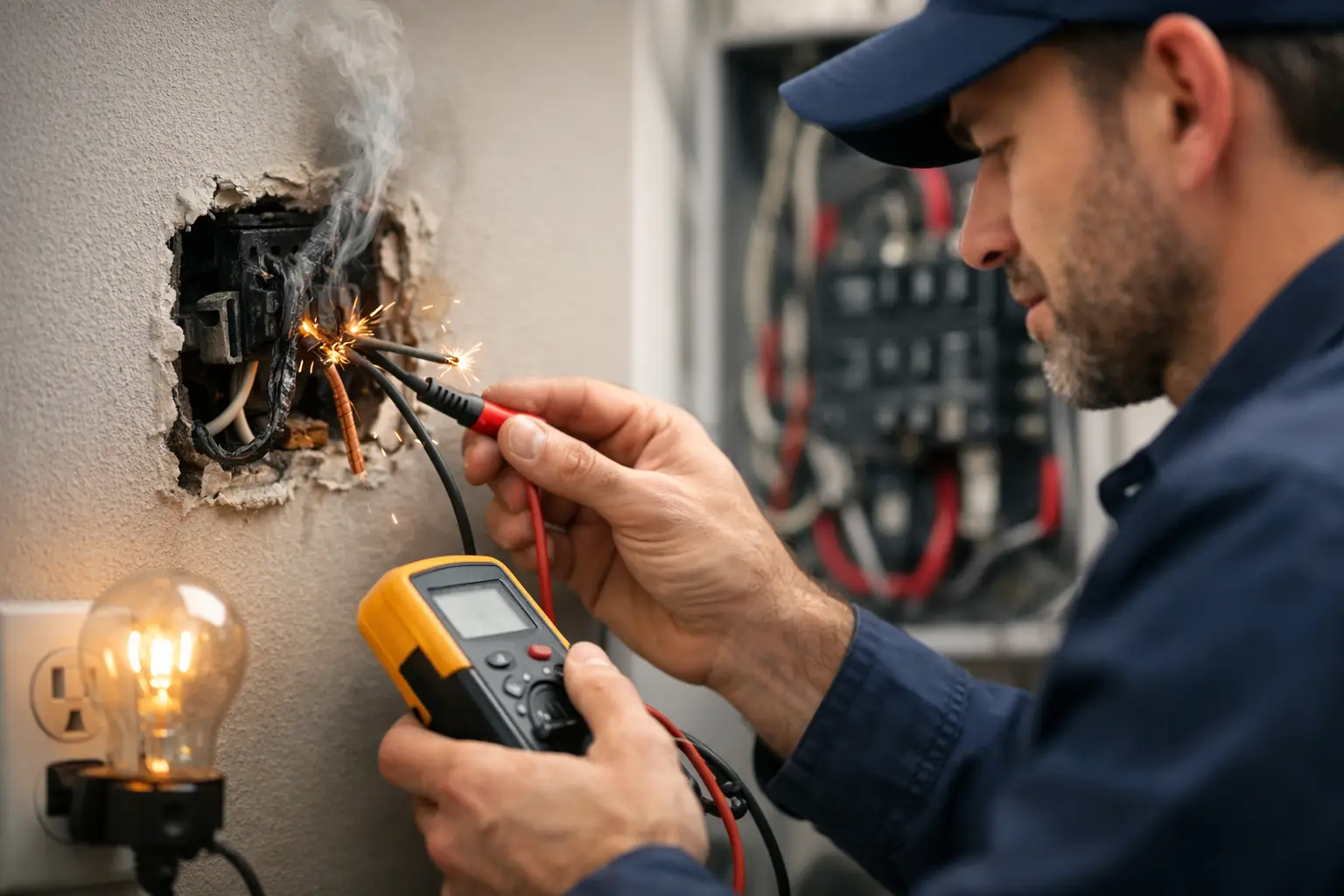
An outlet or switch should not feel hot to the touch. Slight warmth around a dimmer switch can be normal in some cases, but steady heat, discoloration, or a burning smell is not. Those signs can point to loose wiring, arcing, or a device that is failing internally.
If a faceplate is warm enough to make you stop and notice it, do not ignore it. Heat is a warning that electricity is not moving through the system the way it should. That creates a fire risk and should be checked by a licensed professional.
Buzzing sounds from walls, outlets, or the panel
Electricity itself should be quiet. A faint hum from certain equipment may be normal, but buzzing or crackling around outlets, switches, light fixtures, or the breaker panel is not. Those sounds often mean a loose connection, arcing, or deteriorating components.
This is one of the clearest signs that repair should happen sooner rather than later. If you hear buzzing and also notice flickering lights, tripped breakers, or a hot outlet, turn off power to that area if you can do so safely and call an electrician.
Best signs you need electrical repair before damage gets worse
Many homeowners wait until power fails completely. The better approach is to watch for performance changes that suggest the system is under stress.
Burning smells or scorch marks
A burning odor near an outlet, switch, appliance connection, or panel should always be taken seriously. If you see black marks, melted plastic, or browning around a receptacle, that is a strong indication of overheating or arcing.
Sometimes the smell comes and goes, which makes it easy to second-guess. Even then, it should not be ignored. Intermittent overheating is still overheating, and it can become dangerous quickly.
Dead outlets or nonworking switches
When one outlet stops working, it may be a tripped GFCI outlet somewhere else on the circuit. That is a relatively simple fix. But if resetting does not restore power, or if several outlets stop working, the cause may involve a failed receptacle, damaged wiring, or a breaker issue.
Dead switches can point to worn devices, loose wiring, or hidden damage inside the wall box. If part of your home has power problems without a clear reason, a proper diagnosis matters. Guessing at the cause can waste time and miss a larger issue.
Mild shocks when plugging something in
You should never get a shock from an outlet, switch, or appliance housing. Even a small zap can indicate grounding problems, faulty wiring, or damage in the connected device. Some homeowners describe it as a quick tingle and assume it is harmless. It is not something to normalize.
This is especially important in kitchens, bathrooms, garages, and outdoor areas where GFCI protection should be doing its job. If those safeguards are missing or not functioning properly, repair may also involve code-related safety updates.
Your home still has outdated wiring or an aging panel
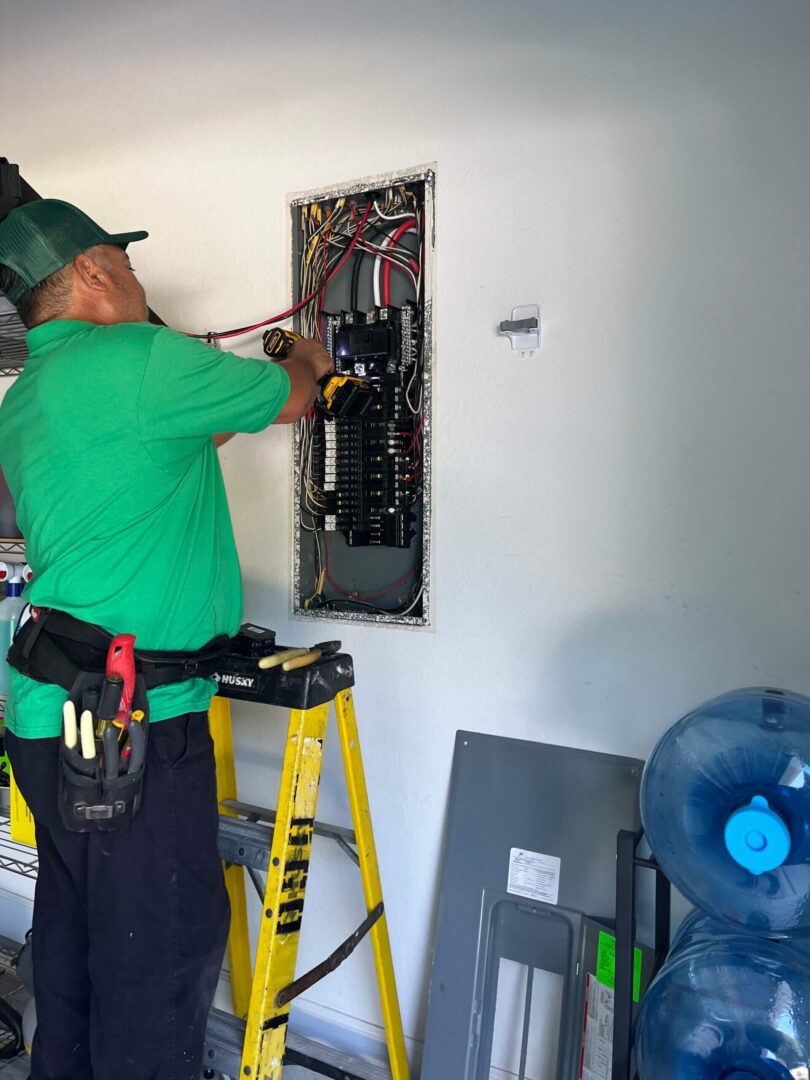
Not every electrical issue shows up as a dramatic symptom. Sometimes the warning sign is simply the age of the system. Older panels, outdated wiring methods, and undersized service equipment may still operate, but they can struggle with modern loads and may not offer the same level of protection expected today.
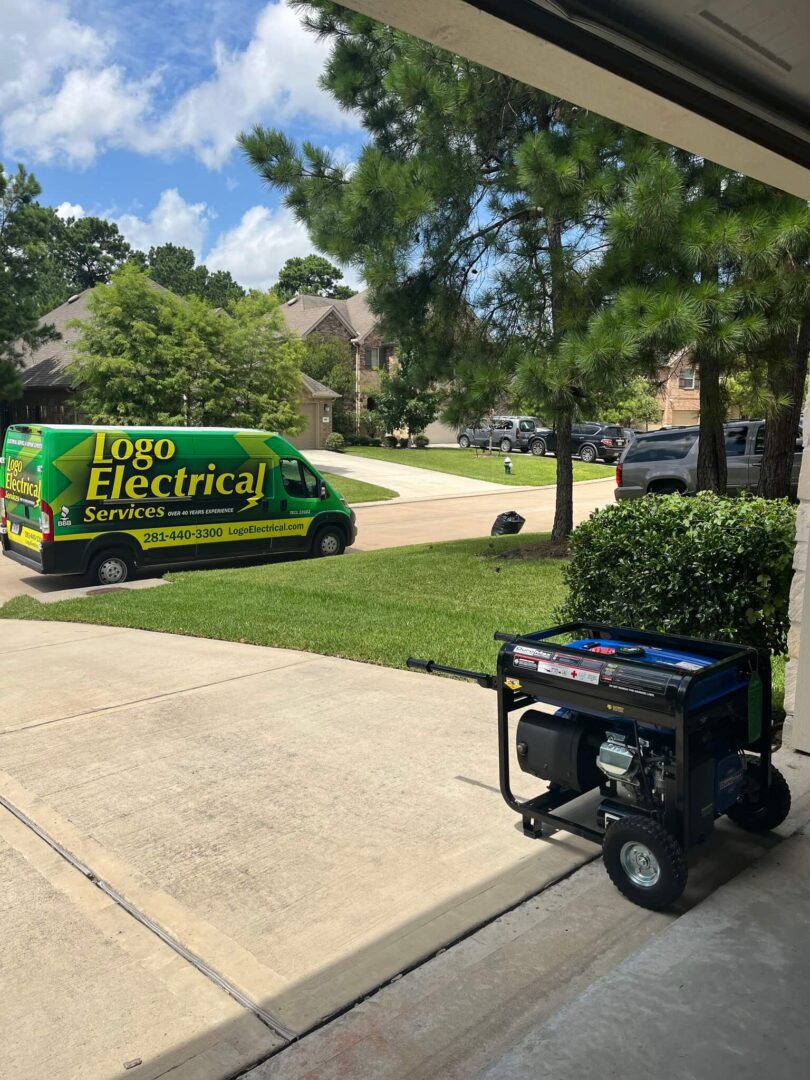
If your home is older and you are adding major appliances, a generator connection, a hot tub, or an EV charger, existing infrastructure should be evaluated first. In some cases, the repair conversation overlaps with an upgrade. That does not mean everything needs to be replaced. It means the safest solution depends on the condition and capacity of what is already there.
When an electrical problem is urgent
Some issues can wait a day or two for a scheduled appointment. Others call for immediate attention. If you smell burning, see smoke, notice sparking, lose power to part of the home unexpectedly, or find that your panel is hot or making noise, treat it as urgent.
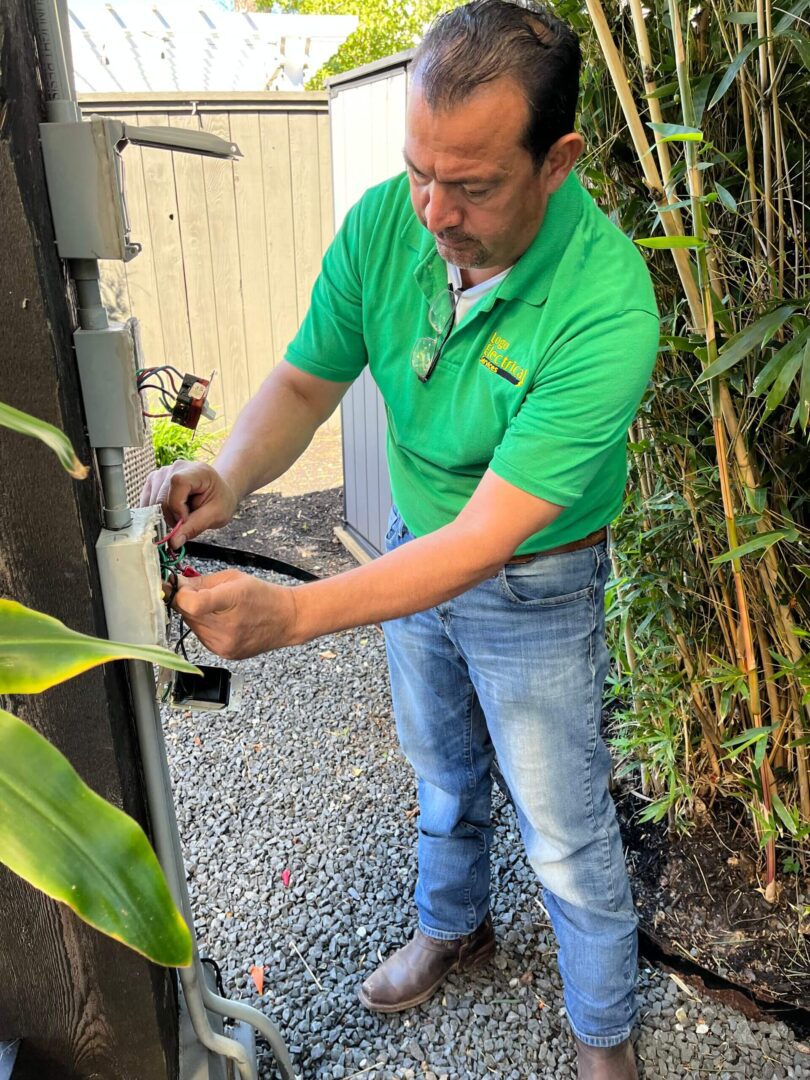
The same goes for storm-related damage. In Southeast Texas, heavy weather can affect service lines, outdoor equipment, surge protection devices, and connected circuits. After a storm, unusual electrical behavior should be checked before you continue normal use.
Why homeowners should not rely on quick fixes
It is tempting to replace an outlet, swap a breaker, or keep hitting reset and hope the problem goes away. The challenge is that electrical symptoms do not always point directly to the real cause. A dead outlet may actually trace back to a damaged connection upstream. Flickering lights may be tied to panel issues rather than the fixture itself.
That is why accurate diagnosis matters as much as the repair. A licensed electrician can test the circuit, inspect connections, evaluate the panel, and determine whether the issue is isolated or part of a wider problem. Honest pricing starts with identifying the right fix, not replacing parts until something works.
For homeowners who value safety and long-term reliability, that approach saves frustration. It also helps prevent repeat service calls for a problem that was only patched on the surface.
What to do if you notice these warning signs
Start by paying attention to patterns. Notice whether the issue affects one outlet, one room, or the whole house. Think about whether it happens during heavy appliance use, after rain, or at random times. That information can help an electrician narrow down the cause more quickly.
Then avoid pushing the system harder than necessary. Do not keep using a hot outlet. Do not ignore burning smells. Do not keep resetting a breaker that trips immediately. If there is any sign of sparking, smoke, or active overheating, shut off power to that area if it is safe to do so.
A professional inspection is the next step. An experienced, licensed contractor can tell you whether you need a targeted repair, a circuit correction, a panel update, or simply replacement of a worn device. At Logo Electrical Services, that means straightforward recommendations, code-compliant work, and repair options explained clearly so you can make the right decision for your home.
Your electrical system gives warnings before bigger failures happen. When you catch them early, you usually have more options, less damage, and a much safer outcome.