A home can look well cared for and still have an electrical system working far beyond what it was designed to handle. Many Magnolia-area homes were built before large televisions, home offices, smart devices, EV chargers, and modern HVAC equipment became everyday loads. If breakers trip often, lights dim when an appliance starts, outlets feel warm, or extension cords have become permanent fixtures, it may be time to consider the best upgrades for older electrical systems.
The right upgrade is not always the biggest or most expensive project. A licensed electrician should first evaluate the age and condition of the service equipment, wiring, grounding, and circuits, then explain which improvements solve the real safety and capacity concerns. That approach protects your home and helps you spend wisely.
Start With a Professional Electrical Assessment
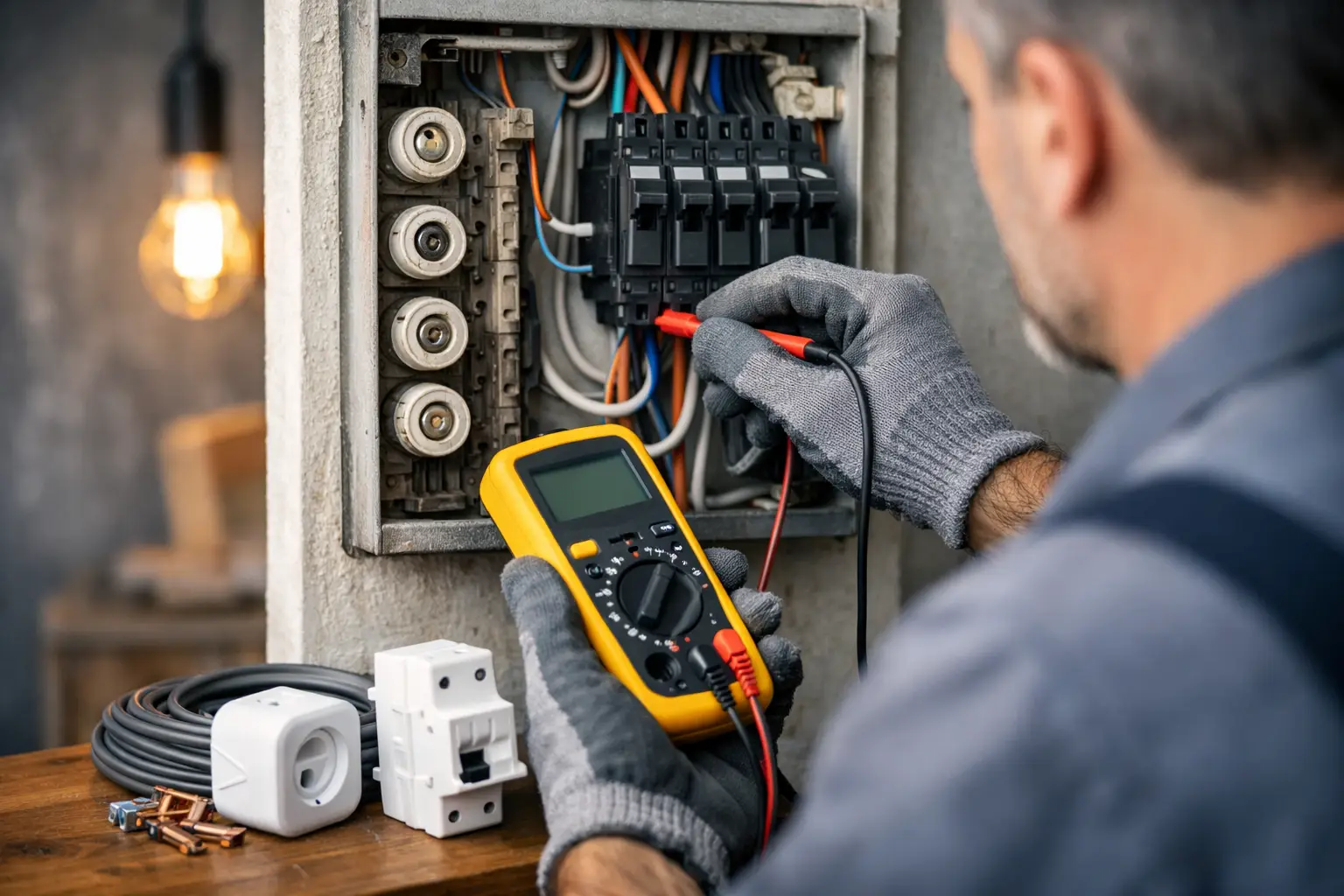
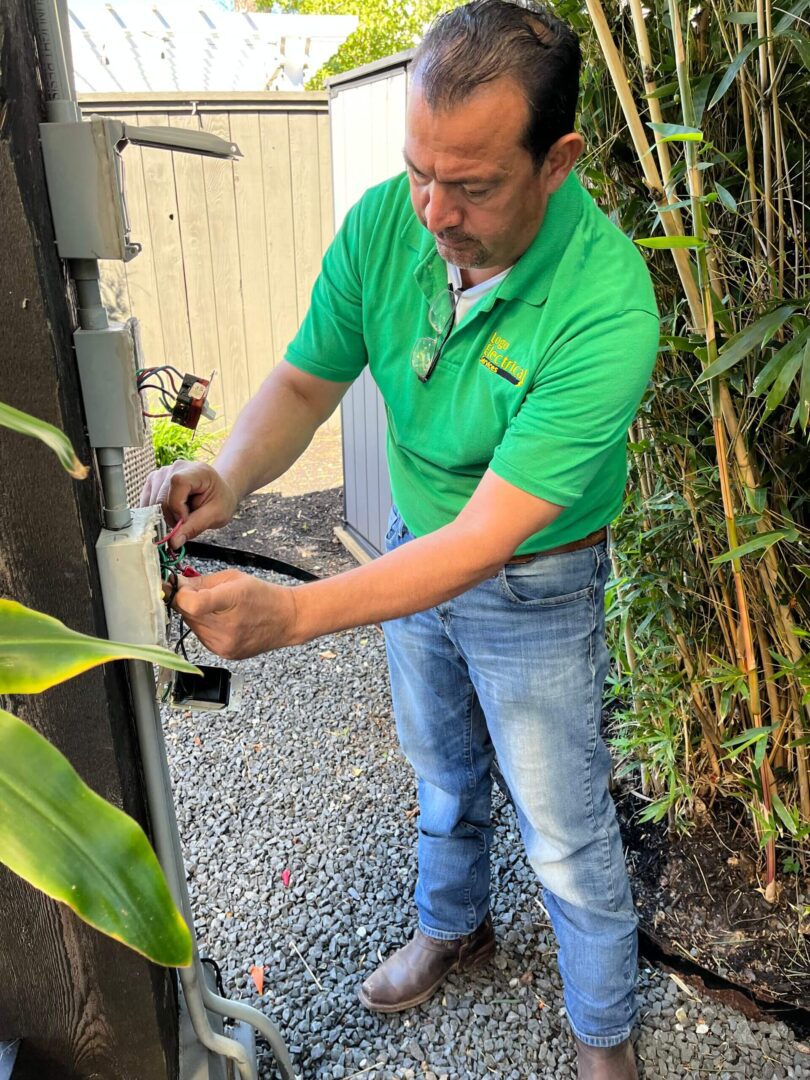
Older electrical systems can have hidden issues behind walls, inside panels, or at the utility connection. A panel may appear to have open breaker spaces but still lack the service capacity for new equipment. Likewise, a few outlets may be grounded while other parts of the home are not.
A thorough assessment looks at the electrical panel, service entrance equipment, breaker condition, wire type, grounding and bonding, outlet condition, and the demands placed on each circuit. The electrician should also ask how you use the home now and what you expect to add later. A planned kitchen remodel, generator, pool equipment, workshop, or EV charger can change the scope of the recommended work.
This inspection is especially valuable in homes with original wiring, fuse boxes, aluminum branch wiring, cloth-covered wiring, or older panel brands that may warrant closer evaluation. Not every older component requires immediate replacement, but age alone should never be treated as proof that a system is safe or sufficient.
Best Upgrades for Older Electrical Systems
Upgrade the Electrical Panel and Service Capacity
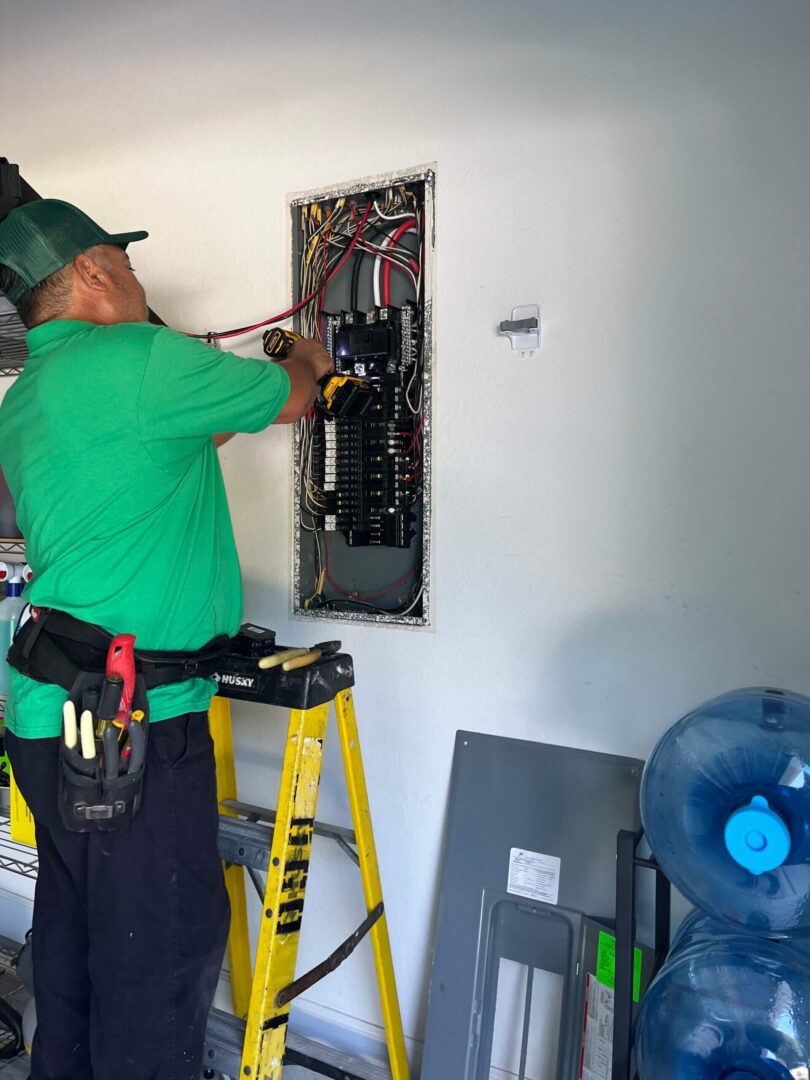
For many homeowners, a panel upgrade is the foundation of a safer, more useful electrical system. Older homes may have 60-amp or 100-amp service that was reasonable decades ago but is now stretched by central air conditioning, kitchen appliances, entertainment equipment, and everyday electronics. Modern homes often need additional capacity and properly sized circuits rather than more demands placed on the existing ones.
A panel upgrade can replace aging breakers and corroded components, create room for new circuits, and improve the system’s ability to distribute power safely. If the existing service is undersized, the project may also involve upgrading the meter equipment or service conductors.
The trade-off is cost and scope. A panel replacement is not a one-size-fits-all solution, and it does not automatically correct damaged wiring elsewhere in the house. Still, when a panel is obsolete, overcrowded, frequently tripping, or unable to support planned upgrades, it is often the right place to begin.
Add Dedicated Circuits Where the Home Needs Them
A breaker that trips repeatedly is doing its job by responding to an overloaded or faulty circuit. The problem is not always the breaker. Older homes commonly have too many outlets, lights, and appliances sharing a single circuit, particularly in kitchens, garages, bathrooms, laundry areas, and bedrooms used as offices.
Dedicated circuits give high-demand equipment the power it needs without competing with other devices. Common additions include circuits for microwaves, disposals, dishwashers, refrigerators, laundry equipment, garage tools, window AC units, and home office equipment. A properly installed dedicated circuit can reduce nuisance tripping and prevent homeowners from relying on power strips or extension cords as a permanent answer.
This is also the time to think ahead. If you expect to add a freezer in the garage, remodel a bathroom, or build out a workshop, planning the circuits now is usually cleaner and more cost-effective than revisiting the work later.
Install GFCI and AFCI Protection
Modern electrical codes require protective devices in specific locations because they address common hazards that older systems may not detect. Ground-fault circuit interrupter, or GFCI, protection helps reduce shock risk where electricity and moisture are likely to meet. Bathrooms, kitchens, garages, exterior outlets, laundry spaces, and unfinished areas are common examples.
Arc-fault circuit interrupter, or AFCI, protection is designed to detect certain dangerous arcing conditions that can occur from damaged cords, loose connections, or wiring problems. AFCI protection is commonly used in living areas and bedrooms, depending on the home and the work being performed.
These upgrades can be installed through appropriately selected breakers or receptacles. The right method depends on the panel, circuit layout, and local code requirements. A licensed electrician can determine where protection is needed and identify problems that could cause a new protective device to trip.
Improve Grounding and Bonding
Grounding and bonding are not visible upgrades, but they are among the most important. Grounding provides a path for fault current, while bonding connects metal components so they remain at the same electrical potential. Together, they support the safe operation of breakers and help reduce shock hazards.
Older homes may have ungrounded outlets, outdated grounding methods, or changes made over the years that were never completed correctly. Three-prong outlets do not always mean a circuit has a functioning equipment ground. Replacing a two-prong receptacle with a three-prong version without proper protection or grounding can create a false sense of safety.
An electrician can evaluate the grounding electrode system, panel bonding, and branch circuits, then recommend code-compliant corrections. This work becomes particularly important when upgrading appliances, adding sensitive electronics, or installing a generator or EV charger.
Add Whole-Home Surge Protection
Most homeowners think of surge protection as a power strip under a desk. Those strips can help protect individual devices, but they do not replace a whole-home surge protector installed at the electrical panel.
Whole-home surge protection helps guard against voltage spikes caused by utility events, lightning activity, and large equipment cycling on and off inside the home. In the Houston area, where storms and power disruptions are familiar concerns, it is a practical layer of protection for HVAC controls, appliances, televisions, computers, smart home equipment, and chargers.
It is not a guarantee that no electronic device will ever be damaged. A direct lightning strike and severe electrical events can exceed any protective device’s limits. But for a relatively focused upgrade, whole-home surge protection can reduce everyday exposure across the house.
Replace Unsafe or Deteriorated Wiring
Some older wiring can remain in service when it is in good condition and properly installed. Other wiring conditions deserve prompt attention, especially if insulation is brittle, conductors are damaged, connections are loose, or alterations were completed without proper workmanship.
Warning signs include a burning smell, discolored outlets or switches, flickering lights, buzzing, shocks from appliances, or breakers that trip without an obvious overload. These are not issues to troubleshoot by replacing a breaker or outlet yourself. They call for professional diagnosis.
Rewiring may involve targeted repairs, partial replacement in problem areas, or a larger whole-home project. The best choice depends on access to walls and attic spaces, the type of existing wiring, renovation plans, and the home’s overall electrical condition. Honest recommendations should prioritize safety rather than push a full rewire when a smaller repair will address the issue.
Plan for the Upgrades You Expect Next
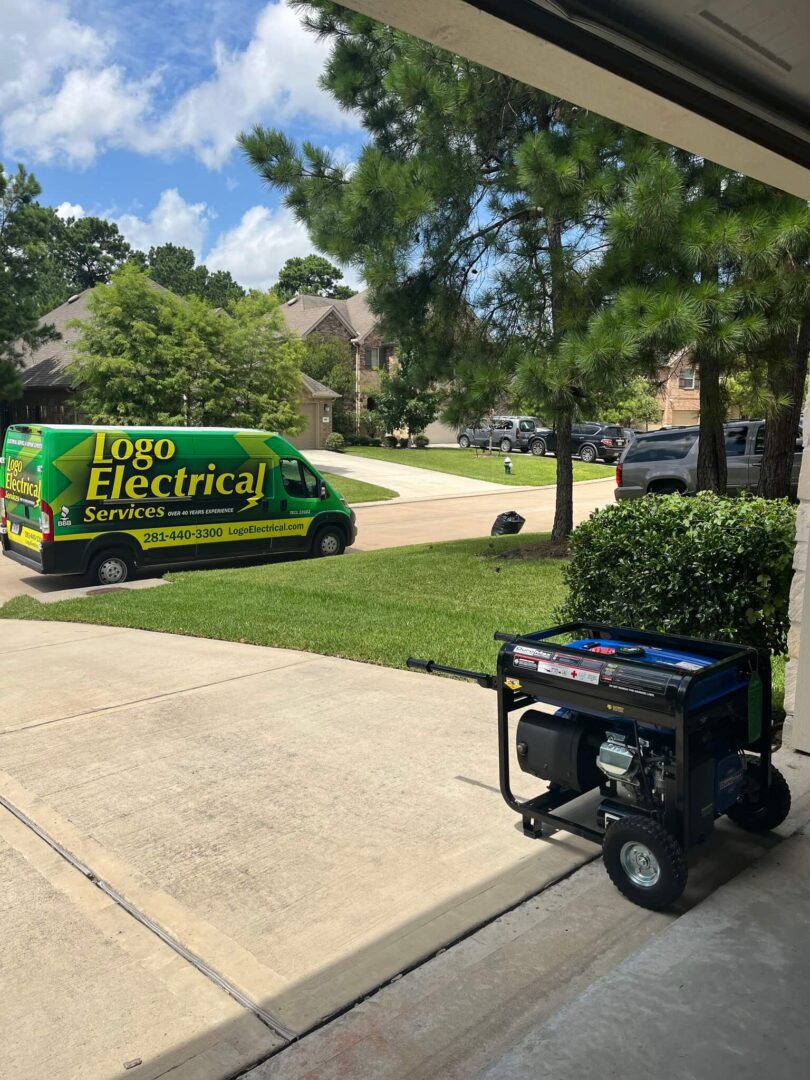
Electrical improvements work best when they are coordinated. Adding an EV charger to a near-capacity panel, for example, may require load calculations, a service upgrade, or a managed charging solution. Installing a standby generator can involve transfer equipment, dedicated circuits, and decisions about which parts of the home should remain powered during an outage.
Outdoor lighting, security cameras, a hot tub, a pool, and detached-building power each add their own electrical requirements. Planning for these projects during a panel or wiring upgrade can reduce future disruption. It also gives your electrician an opportunity to size equipment correctly from the start.
For homeowners who want backup power, it helps to decide whether the goal is to keep a few essential circuits running or to support much of the home. Those are very different generator projects, and the electrical infrastructure should match the expectation.
Choose a Licensed Electrician Who Explains the Work Clearly
The best electrical upgrade is one that addresses documented needs, meets applicable code requirements, and leaves you with a system that can serve the home for years. Ask for clear explanations of what is being found, what is urgent, what can be planned, and what each option includes. Pricing should be straightforward, and permits and inspections should be handled when the work requires them.
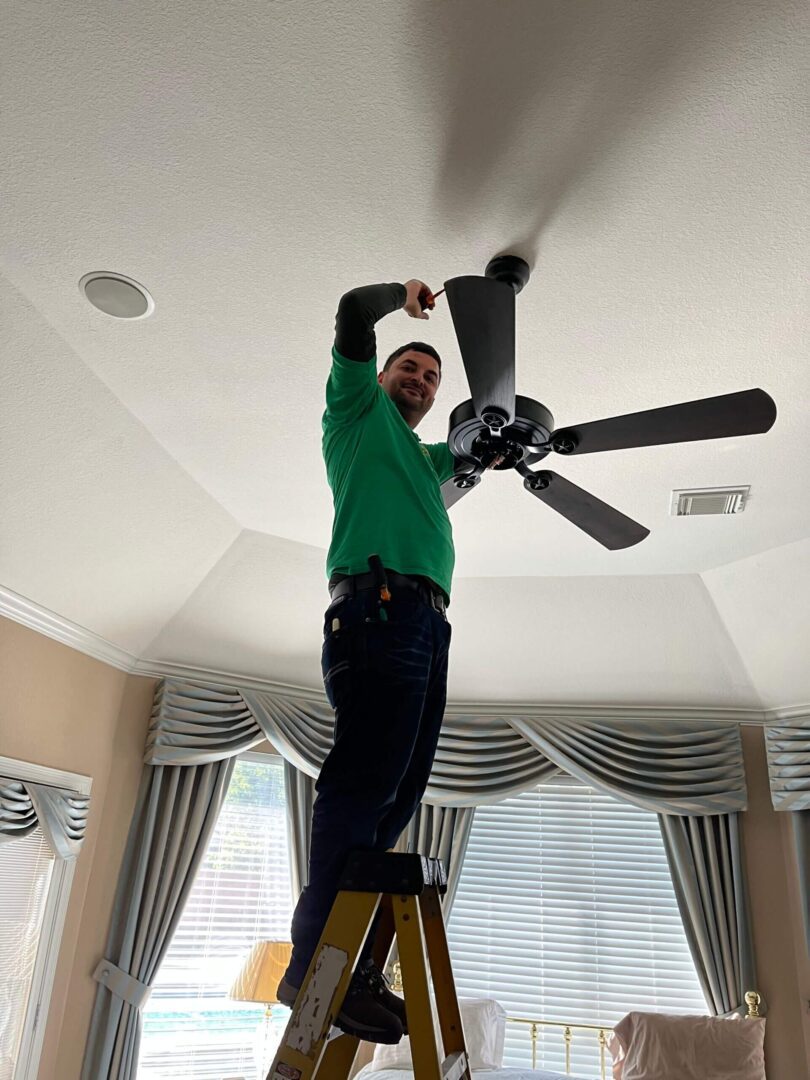
At Logo Electrical Services, our family-owned team brings more than 45 years of industry experience to residential electrical work across Magnolia and surrounding Houston-area communities. We believe homeowners deserve licensed workmanship, honest pricing, and recommendations that make sense for their home, not a sales pitch built around the largest possible project.
If your home is showing signs of electrical strain or you are planning a major addition, start with an evaluation before the next breaker trips. A clear diagnosis today can make your home safer, more comfortable, and better prepared for what comes next.