If you are asking how to redo electrical in house, there is usually a reason – lights that flicker, breakers that trip, outlets in the wrong places, or an older system that no longer feels safe for modern life. Rewiring a home is not a cosmetic upgrade. It is one of the most important safety and performance improvements you can make, and getting it right matters.
For many homeowners, the first surprise is that a full electrical redo is rarely just about replacing wire. It often includes evaluating the service panel, grounding, circuit capacity, outlet placement, lighting layout, GFCI and AFCI protection, surge protection, and whether the home is ready for larger loads like HVAC upgrades, generators, or EV charging. A proper plan looks at the whole system, not just the part that is giving you trouble today.
When redoing electrical in a house makes sense
Some homes clearly need rewiring. If your house still has knob-and-tube wiring, aluminum branch wiring, ungrounded outlets, two-prong receptacles throughout, or a panel that is outdated or overloaded, it is time to take a closer look. The same goes for signs of wear such as buzzing outlets, warm wall plates, scorch marks, or a breaker panel that trips regularly.
Other homes fall into a gray area. Maybe the wiring itself is not failing, but the house was built for a very different electrical demand. Years ago, families did not have multiple TVs, gaming systems, dedicated office equipment, high-end kitchen appliances, EV chargers, and whole-home backup power on the same service. In that case, redoing electrical in a house may be less about age and more about capacity, safety upgrades, and making the home work better day to day.
If you are remodeling, that is often the right time to act. Opening walls for a kitchen renovation, room addition, or whole-home update can reduce labor costs and make a more complete rewire practical.
How to redo electrical in house the right way
The safest answer is not to start pulling wire on your own. The right process begins with a licensed electrician evaluating the home, identifying what must be brought up to code, and separating true hazards from optional upgrades. That inspection should cover the panel, existing branch circuits, grounding and bonding, receptacles, switches, lighting, large appliance circuits, outdoor power, and any special systems like generators or detached structures.
From there, the job should be planned in phases. First comes the design. This is where you decide whether you are doing a full rewire or a partial update, whether the panel needs replacement or expansion, and where new outlets, switches, lighting, and dedicated circuits should go. Good planning matters because homeowners often regret what they did not add – not what they did.
Next comes permitting and code review. Electrical work is not an area where shortcuts pay off. Permits protect the homeowner, help ensure the installation meets current safety standards, and matter later if you sell the home or file an insurance claim. A contractor who avoids permits is not saving you money. They are shifting risk onto you.
Then the physical work begins. In a full rewire, old branch wiring may be removed where practical or disconnected and abandoned according to code when removal would cause unnecessary damage. New wiring is routed to outlets, switches, light fixtures, smoke detectors, appliances, and equipment. The panel may be replaced or upgraded, and new breakers are installed to match the circuits and required protections.
After rough-in, inspections are completed before walls are closed. Once devices and fixtures are installed, the system is tested thoroughly. That includes checking polarity, grounding, breaker performance, GFCI and AFCI operation, fixture function, and overall load balance.
What a full electrical redo usually includes
Homeowners often picture rewiring as simply replacing old cable behind the walls. In reality, a full electrical update is broader than that. Most projects include new circuits for kitchens, bathrooms, laundry areas, and major appliances. They also include properly grounded outlets, tamper-resistant receptacles where required, and modern protection devices that older homes did not have.
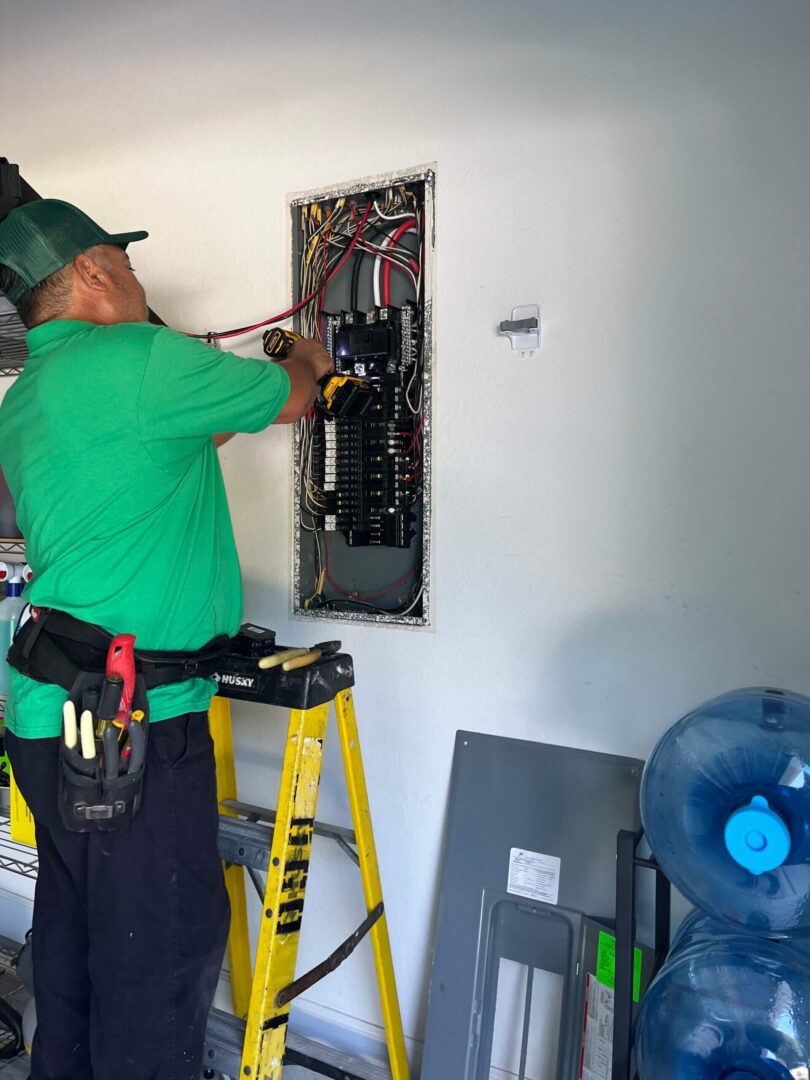
Panel upgrades are common because the existing panel may not have enough spaces, may be obsolete, or may not support the load your home now requires. Grounding and bonding improvements are also typical, especially in older properties where those systems were minimal or outdated.
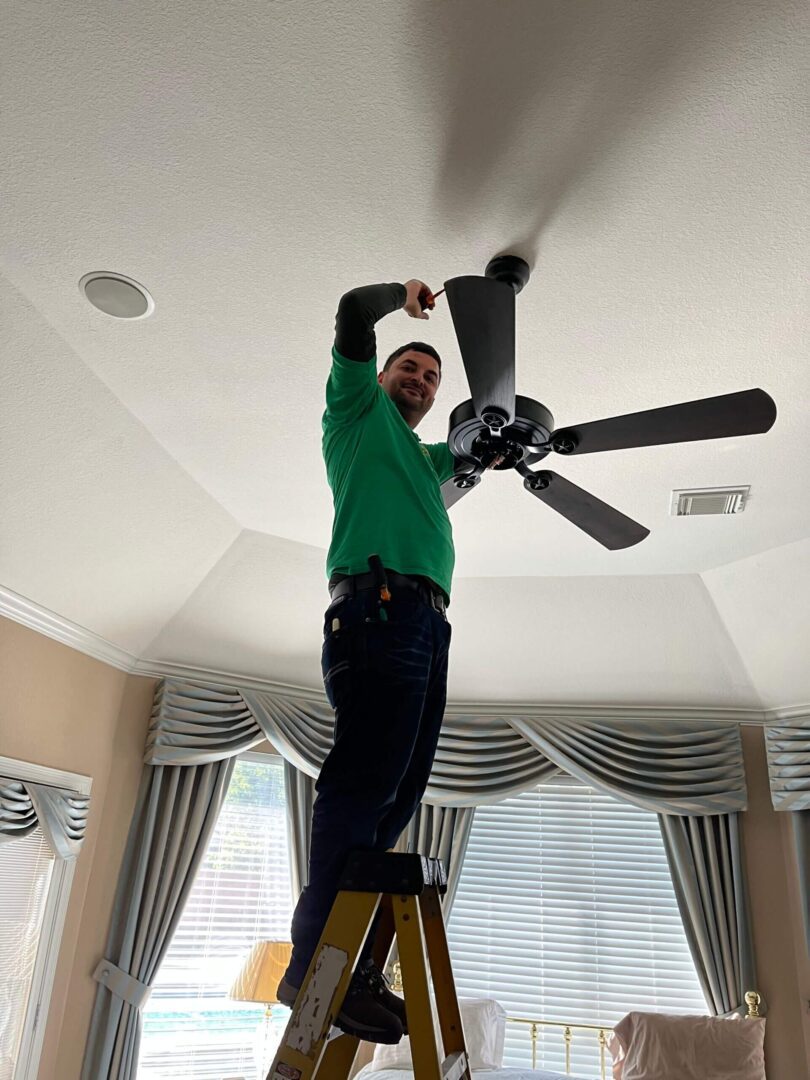
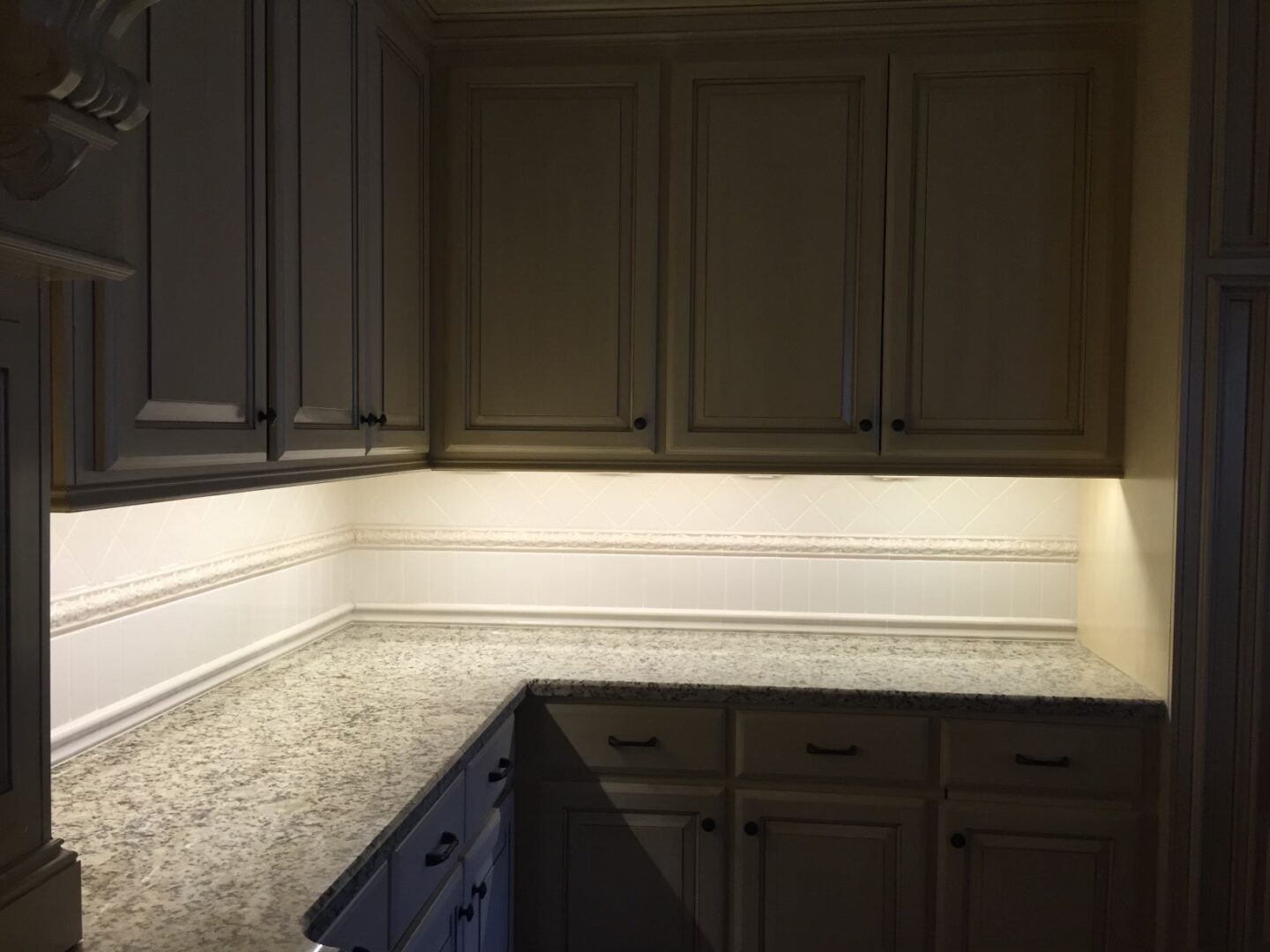
You may also want to address convenience while the work is being done. This can include better lighting placement, additional exterior outlets, under-cabinet lighting, dedicated circuits for home offices, whole-home surge protection, generator connections, or future-ready infrastructure for an EV charger. These are not always mandatory, but they are often smart additions if walls are already being opened.
Full rewire or partial rewire?
It depends on the age of the home, the condition of the wiring, and your long-term plans. A full rewire is usually the best choice when the existing system has widespread safety concerns, major code deficiencies, or simply cannot support modern use. It costs more up front, but it can prevent repeated service calls and piecemeal repairs.
A partial rewire can make sense when only one area is being renovated or when the main issue is isolated to a section of the home. For example, a kitchen remodel may require significant electrical work even if the bedrooms and living areas are still in acceptable condition. That said, partial work can become inefficient if problems are spread throughout the house. What starts as a limited upgrade can turn into several rounds of disruption over time.
An experienced electrician should tell you honestly which category your home falls into. That kind of guidance matters, especially if you are trying to balance safety, budget, and timing.
What homeowners should expect during the project
Redoing electrical in a house can be disruptive, especially in an occupied home. Power may need to be shut off in stages. Walls and ceilings may need access cuts. Furniture may need to be moved, and there can be dust even when the crew works carefully.
The extent of disruption depends on the design of the home and how complete the project is. A single-story house with attic access is often easier than a two-story home with finished spaces above and below. Plaster walls tend to be more challenging than drywall. Historic homes can require extra care and slower work.
This is where experience shows. A seasoned residential electrician knows how to route wiring with the least practical damage, coordinate inspections, and communicate clearly so homeowners know what is happening and why.
Cost, timing, and the trade-offs
The cost to redo electrical in a house varies widely based on square footage, accessibility, panel condition, local code requirements, and whether the home is occupied during the job. A simple answer without seeing the property is usually not a trustworthy one.
What does matter is understanding the trade-offs. The lowest quote may exclude panel work, drywall repair coordination, permit costs, or key safety upgrades. A higher quote may reflect a more complete scope, better materials, cleaner execution, and a contractor who is licensed and accountable.
Timing also varies. A focused partial update may take a few days. A full-home rewire can take much longer depending on inspections, repairs, and the level of finish work involved. If you are already renovating, combining projects can often improve efficiency.
Why this is not a DIY project
There are small electrical tasks some homeowners handle responsibly, but a whole-house rewire is not one of them. The risks go beyond shock. Poor electrical work can create hidden fire hazards, overloaded circuits, nuisance tripping, failed inspections, and expensive corrections later.
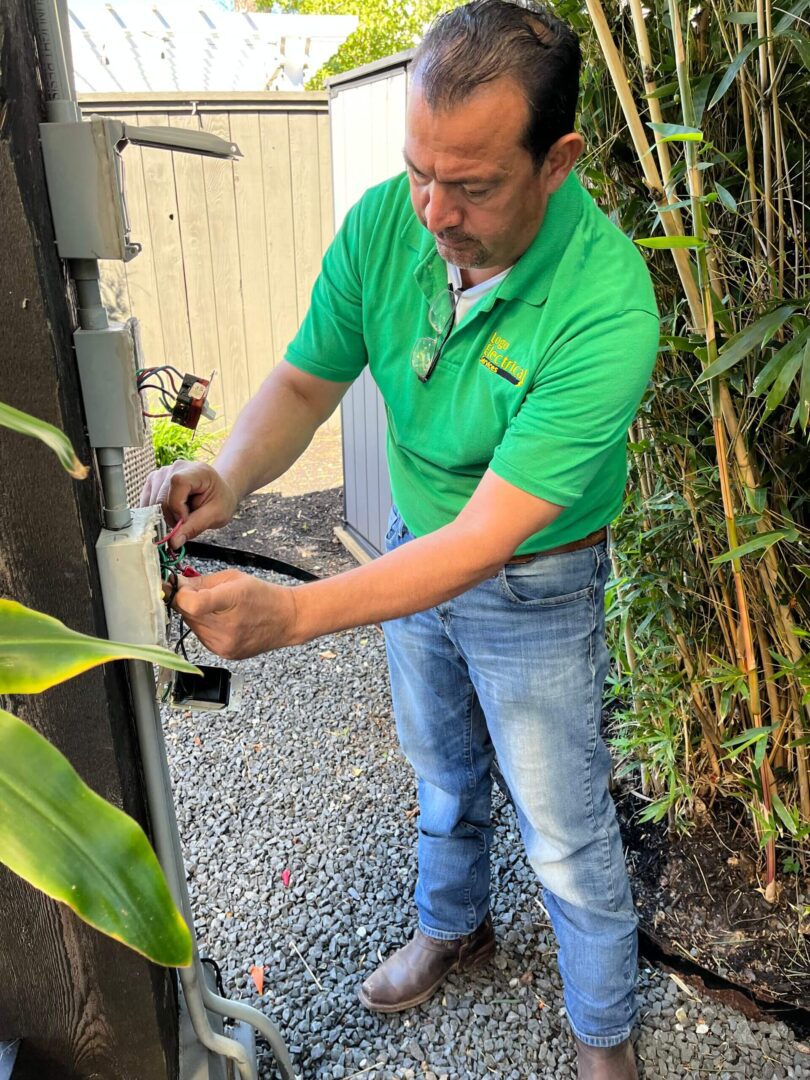
There is also the code side. Today’s electrical requirements are built around real-world safety issues, especially in kitchens, bathrooms, bedrooms, outdoors, and areas where moisture or arc faults are concerns. A licensed contractor is not just installing wire. They are making sure the system is safe, legal, and built to perform for years.
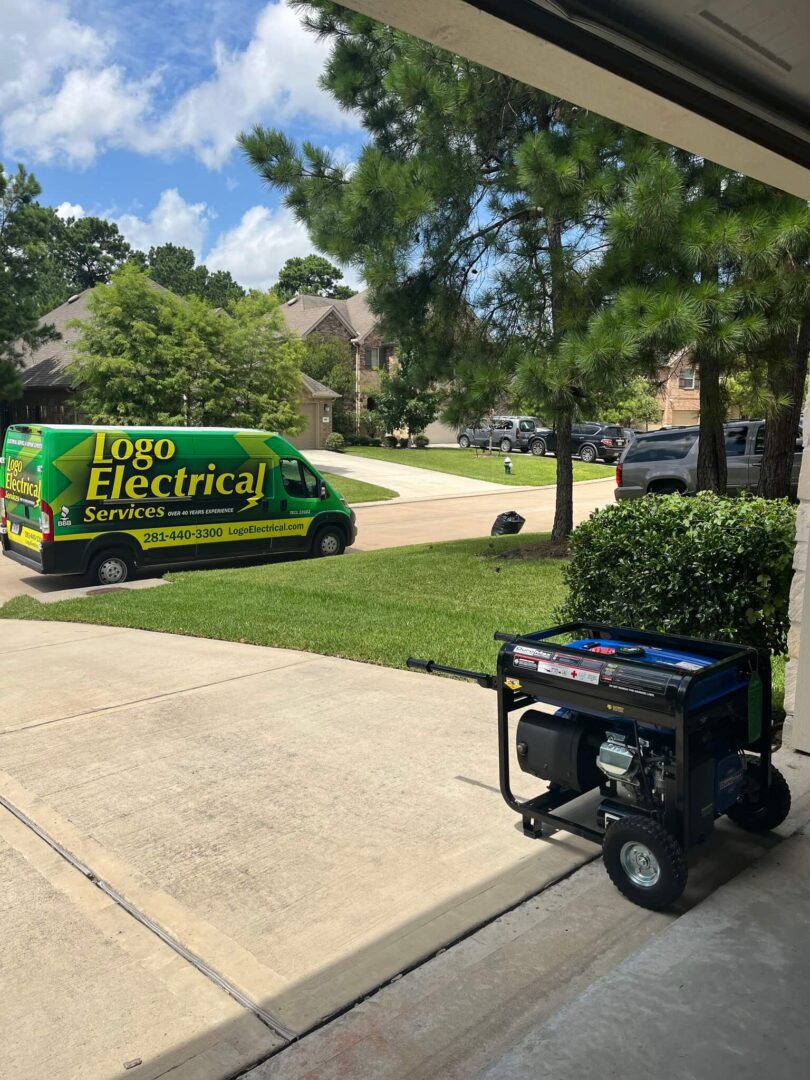
For homeowners in Magnolia and surrounding Houston-area communities, this is exactly the kind of job where local experience matters. A family-owned contractor like Logo Electrical Services understands how to evaluate older homes, explain options clearly, and complete the work with honest pricing and code-compliant workmanship.
The smartest first step before you redo electrical in house
Before you commit to opening walls, start with a professional evaluation of the entire electrical system. That gives you a clear picture of what is unsafe, what is outdated, what is optional, and what will serve your home best over the long run. It also helps you avoid spending money twice.
A good electrical plan should fit the way your family actually lives in the home now, not the way the house was wired decades ago. When the work is done right, you should notice more than code compliance. You should notice fewer problems, better function, and the kind of everyday peace of mind that is hard to put a price on.